Building a Tilapia Pond Locally
Posted on: 2025-10-06
By: Yomi Adisa
Consider the impact of your food choices on sustainability and local ecosystems. Building a tilapia pond can not only enhance food security for your family but also benefit your community and environment.
What You Will Learn
- The benefits of sustainable food production through backyard tilapia farming.
- How aquaculture contributes to local food systems and minimizes environmental impacts.
- Essential considerations for site selection, water quality, and local regulations before starting your pond.
- Recommended local materials and tools for constructing a tilapia pond effectively.
- Actionable steps to kickstart your tilapia pond project, including a checklist and community engagement.
Key Considerations for Building Your Tilapia Pond
Below is a visual guide to the essential steps and materials for constructing your own tilapia pond, emphasizing local resources and sustainable practices.
Site Selection & Preparation
- Adequate sunlight & water access
- Proper drainage
- Level ground to prevent issues
- Check local regulations
Essential Local Materials
- Non-pressure-treated wood (framing)
- Durable, non-toxic pond liners
- Natural stones or clay (stabilizing)
- Locally sourced aggregates
Key Tools Required
- Shovels & Rakes
- Levels (for proper depth)
- Measuring tape
- Pond liners & sealing materials
Next Steps for Success
- Download comprehensive checklist
- Gather materials & tools
- Plan your project timeline
- Engage with local community
A Practical Approach to Building Your Own Tilapia Pond with Local Materials
Building your own tilapia pond can be a game-changer for your farming venture! Not only does it provide a sustainable source of food, but it also enhances your local ecosystem. Tilapia farming is an excellent choice for those looking to contribute to food security while enjoying the benefits of aquaculture.
In this guide, I'm excited to share practical insights on how you can successfully construct a tilapia pond using materials that are readily available in your area. Let’s get started on this rewarding journey!
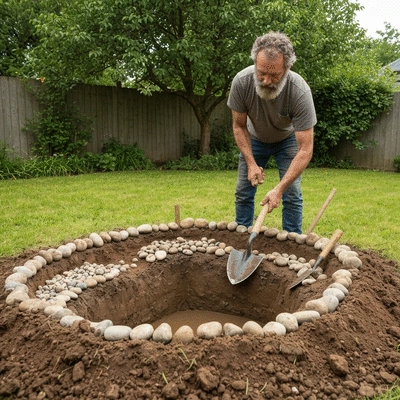
Understanding the Benefits of Backyard Tilapia Farming
Backyard tilapia farming offers numerous advantages for families and communities. Here are a few key reasons to consider:
- Sustainable Food Production: Raising tilapia at home can help reduce your reliance on store-bought fish, which often comes from unsustainable sources.
- Cost-Effective: Once established, a tilapia pond can provide a consistent and affordable protein source for your households.
- Environmental Benefits: Tilapia farming can improve local biodiversity and promote better water management practices.
By choosing to farm tilapia, you’re making a positive impact not just on your family's diet, but also on your local community and the environment!
The Role of Aquaculture in Sustainable Farming
Aquaculture plays a crucial role in sustainable farming practices. It allows us to meet the growing demand for fish while minimizing the negative impacts traditionally associated with fishing. Here are some points to consider:
- Resource Efficiency: Aquaculture uses less water compared to land farming, especially when using integrated systems.
- Waste Reduction: Proper management can convert waste into nutrients for other crops or fish, creating a beneficial cycle.
- Local Food Systems: Farming fish locally reduces transportation costs and carbon emissions associated with food distribution.
Integrating aquaculture into your farming practices not only boosts your agricultural output but also aligns with sustainable development goals. For more insights on efficient water use in farming, explore our resources on water conservation techniques.
What You Need to Know Before You Start
Before diving into pond construction, there are some vital considerations to ensure success. Here are the fundamental aspects you need to keep in mind:
- Site Selection: Choose a location with adequate sunlight, water access, and proper drainage.
- Water Quality: Ensure the water source meets the quality standards necessary for tilapia health.
- Local Regulations: Familiarize yourself with any local farming regulations or permits needed for pond construction.
Understanding these basics will set a solid foundation for your tilapia farming venture. Let’s make sure you’re well-prepared for this exciting project!
Essential Materials and Tools for Your Tilapia Pond
Choosing Local Materials for Pond Construction
When constructing a tilapia pond, selecting the right materials is essential. Opt for non-toxic and locally available options to ensure sustainability. Here are some materials to consider:
- Non-pressure-treated wood: Ideal for pond framing, as it doesn't leach harmful chemicals.
- Pond liners: Use durable, non-toxic liners to retain water effectively.
- Natural stones or clay: For shaping and stabilizing pond banks.
Using local materials not only supports the economy but also reduces your environmental footprint. It's a win-win!
Tools Required for Building a Tilapia Pond
Gathering the right tools is crucial for the construction process. Here’s a list of essential tools you'll need:
- Shovels for digging
- Levels to ensure proper pond depth
- Rakes for smoothing surfaces
- Pond liners and sealing materials
With the right tools in hand, you'll be well on your way to creating a thriving tilapia pond!
We Want to Hear From You!
What do you think about your experience with sustainable farming? Have you considered starting your own tilapia pond? Share your thoughts below:
Final Thoughts on Your Tilapia Pond Journey
Building your own tilapia pond can be a rewarding venture, not just for the fish but also for the satisfaction of creating something with your own hands. Utilizing local materials not only cuts down costs but also supports your community’s resources. As someone deeply invested in sustainable aquaculture through Tilapia Farming Solutions, I can assure you that this journey offers immense benefits—not just for you but for the local ecosystem.
When you construct your pond with local materials, you embrace a hands-on approach to food production that contributes to sustainability and local food security. It’s amazing to see how a simple pond can transform into a thriving habitat for tilapia while providing you with a dependable source of nutritious food!
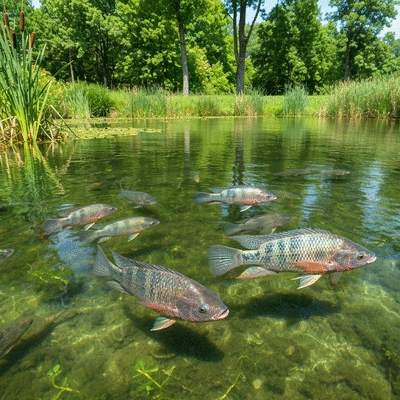
Next Steps: Bringing Your Tilapia Pond Vision to Life
Now that you’re equipped with the knowledge to start your tilapia pond, it’s time to take actionable steps! Here’s how you can get started:
- Download our Comprehensive Checklist: This will guide you through every phase of the pond construction process.
- Gather Your Materials: Make a list of local materials and tools you’ll need based on your pond design.
- Plan Your Timeline: Set a realistic timeline for each stage of your project, ensuring you have adequate time for each step.
- Engage with the Community: Don’t hesitate to reach out for advice or assistance from fellow farmers or community members who have experience with pond construction. For more details on community engagement in farming, check out our article on Community Supported Agriculture.
As you embark on this exciting journey, remember that every effort you put into your tilapia pond brings you one step closer to achieving a sustainable food source. Feel free to explore our additional resources at Tilapia Farming Solutions to enhance your understanding and execution of this rewarding project!
Frequently Asked Questions About Building a Tilapia Pond
- 1. What are the main benefits of backyard tilapia farming?
- Backyard tilapia farming offers sustainable food production, reduces reliance on store-bought fish, provides a cost-effective protein source, and offers environmental benefits such as improved local biodiversity and better water management.
- 2. What role does aquaculture play in sustainable farming?
- Aquaculture is crucial for sustainable farming as it promotes resource efficiency (using less water), waste reduction (converting waste to nutrients), and supports local food systems by reducing transportation costs and carbon emissions.
- 3. What should I consider before starting my tilapia pond project?
- Before starting, you need to consider site selection (adequate sunlight, water access, drainage), ensure good water quality, and familiarize yourself with local farming regulations and permits.
- 4. What materials are best for constructing a tilapia pond?
- It's best to use non-toxic, locally available materials. Recommended materials include non-pressure-treated wood for framing, durable and non-toxic pond liners, and natural stones or clay for shaping and stabilizing pond banks.
- 5. What tools will I need to build a tilapia pond?
- Essential tools include shovels for digging, levels to ensure proper pond depth, rakes for smoothing surfaces, and pond liners and sealing materials.
Recap of Key Points
Here is a quick recap of the important points discussed in the article:
- Sustainable Food Production: Raising tilapia at home reduces reliance on unsustainable store-bought fish.
- Cost-Effective Source: A tilapia pond provides an affordable protein source for families.
- Environmental Benefits: Improves local biodiversity and promotes better water management.
- Site Selection: Choose a location with adequate sunlight, water access, and drainage.
- Use Local Materials: Select non-toxic, locally available materials for pond construction.
- Engage with the Community: Seek advice and assistance from experienced local farmers.


Yomi Adisa Lead Researcher
Yomi Adisa is the lead researcher at Fish Farming Business, where he studies what makes aquaculture ventures profitable across Africa. His research focuses on market patterns, buyer preferences, and the business decisions that determine success or failure in fish farming.