Operational Costs: Feed Expenditure
70%
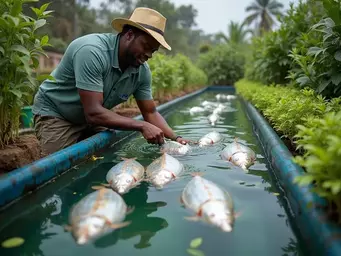
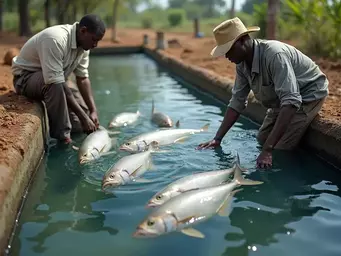
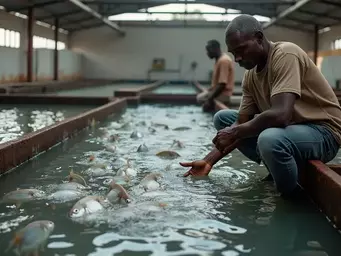
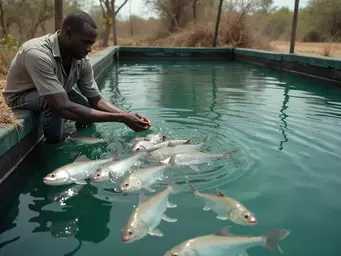
Many farmers report over 70% of operational costs linked to feed.
Posted on: 2025-09-30
By: Yomi Adisa
Understanding the economic landscape of tilapia farming is crucial for success. What if you could cut costs significantly by sourcing feed locally? This not only supports your farm but also strengthens your community.
Key impacts of local feed sourcing on operational costs and aquaculture development.
Many farmers report over 70% of operational costs linked to feed.
Adopting local feed alternatives can lead to savings of up to 30%.
Developing local feed mills can provide employment and training.
When it comes to tilapia farming in Sub-Saharan Africa, one of the biggest challenges we face is the cost of feed. It's essential to find cost-effective solutions that not only support our fish’s growth but also contribute to the overall sustainability of our farming practices. By understanding the importance of using affordable and locally sourced feed, we can significantly enhance the economic viability of tilapia farming. For more insights on sustainable practices, consider reading about sustainable aquaculture practices.
The economic impact of high feed costs can be profound for farmers. With rising prices of commercial feed, many farmers struggle to maintain profitability. This is where the concept of local feed sourcing comes into play. By using ingredients that are readily available in our communities, we can lower costs and ensure a more reliable supply chain. In this section, we will explore various aspects of the economic impact of tilapia feed on local farmers.
High feed costs can severely limit the growth potential of tilapia farming. Farmers often find themselves at a crossroads: either invest a significant portion of their resources into commercial feeds or seek alternative solutions to reduce their expenses. Understanding the economic impact of feed formulation is crucial for long-term sustainability. You can find more details on optimizing feed for growth in our article on optimizing tilapia feed for maximum growth.
By leveraging local ingredients, we can not only cut costs but also improve the resilience of our farming systems. It's a win-win situation that fosters local economies and promotes self-sufficiency.
Utilizing local ingredients for tilapia feed formulation is more than just a cost-cutting measure; it's a path towards sustainable aquaculture. Local ingredients are often fresher, more nutrient-dense, and better suited to the specific needs of our tilapia, ensuring their health and growth.
Incorporating local ingredients not only helps us save money but also enhances the nutritional profile of the feed, which ultimately leads to healthier fish and a more sustainable farming operation. For further reading on feed formulation, visit our feed formulation guide.
Local economies play a pivotal role in the success of tilapia farming. When farmers invest in local feed production, they're investing back into their communities. This practice not only strengthens the agricultural base but also creates job opportunities and enhances food security.
By focusing on local economies, we can build a robust and sustainable aquaculture sector that benefits everyone involved—from the farmers to the consumers. As we delve deeper into the practical aspects of tilapia feed formulation, it’s clear that the journey begins with understanding and harnessing local resources.
This video provides background on tilapia farming across Africa, which might be useful for your blog post. However, if you need a video specifically on formulating cost-effective tilapia feed using local ingredients in sub-Saharan Africa, you might need to search further or create your own content.
As you consider the benefits of utilizing local ingredients in your tilapia feed, we'd love to hear your thoughts! What do you perceive as the biggest challenge in sourcing local feed ingredients? Share your insights below:
As we wrap up our discussion on the importance of cost-effective tilapia feed, it’s essential to reflect on the key benefits that come from formulating your own feed using local ingredients. Not only can this approach significantly reduce costs, but it also promotes sustainability within your farming practices. Here are the main takeaways:
By incorporating these strategies, tilapia farmers can create a more resilient and profitable aquaculture business. Remember, each decision you make impacts not just your farm, but the wider community as well. Explore more about local sourcing strategies on our blog about local sourcing benefits.
Formulating cost-effective tilapia feed is not just about saving money; it’s about enhancing your overall farming success. When you focus on local ingredients, you unlock several benefits:
These advantages highlight the strong connection between sustainable practices and the economic vitality of your farming operation. At Tilapia Farming Solutions, we believe that every farmer can take steps toward this sustainable future.
In conclusion, embracing cost-effective tilapia feed formulations is a vital aspect of sustainable aquaculture in Sub-Saharan Africa. As I’ve seen in my own experience, sustainable practices not only enhance productivity but also promote environmental stewardship. By focusing on local resources, farmers can create a more sustainable and self-sufficient aquaculture sector.
Let’s keep pushing boundaries and exploring innovative solutions that benefit both our farms and our communities. Together, we can cultivate a thriving aquaculture industry that ensures food security and economic prosperity for all.
To get started on your journey toward formulating cost-effective tilapia feed, consider these resources:
These resources can provide you with practical insights and support, helping you to implement effective feed strategies tailored to your specific context. For more detailed information on feed formulation, explore our comprehensive guide on guide to tilapia feed formulation.
Connecting with local support networks is crucial for your growth as a tilapia farmer. Here are some ways to get involved:
Becoming an active member of these communities fosters collaboration, paving the way for innovative solutions in feed production.
Lastly, don’t hesitate to seek out partnerships with research institutions and leverage government programs. Here’s how:
By incorporating these partnerships into your practices, you can ensure that your tilapia farming operation is not just successful today, but also sustainable for the future! Together, we can build a more productive aquaculture sector that benefits everyone involved.
Here is a quick recap of the important points discussed in the article:
Yomi Adisa Lead Researcher
Yomi Adisa is the lead researcher at Fish Farming Business, where he studies what makes aquaculture ventures profitable across Africa. His research focuses on market patterns, buyer preferences, and the business decisions that determine success or failure in fish farming.
New to Tilapia Farming? Confused where to start with our articles?
FREE guides, tools & resources to help you run a more profitable fish farming business.