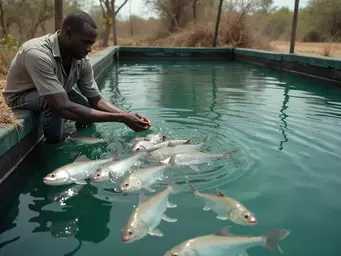
Optimizing Tilapia Feed Conversion Ratio
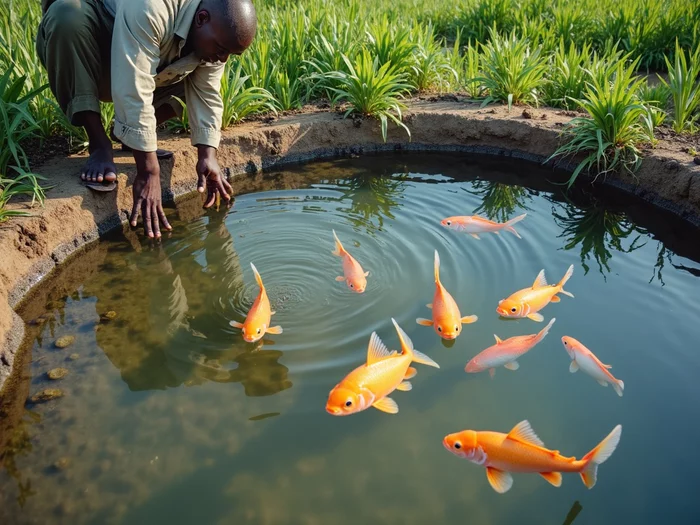
Posted on: 2025-11-07
By: Yomi Adisa
How efficient is your tilapia farming? Understanding the Feed Conversion Ratio (FCR) can lead you to more productive practices and greater profits. This vital metric not only measures the effectiveness of feed but also impacts your overall operational costs and sustainability. Let's delve into the essential insights that will enhance your farming outcomes.
What You Will Learn
- Feed Conversion Ratio (FCR) measures the efficiency of feed used in tilapia farming, impacting production costs and profitability.
- Achieving a low FCR not only reduces feed expenses but also promotes healthier fish growth and sustainability.
- Challenges such as limited access to quality feed and inconsistent feeding schedules can hinder optimal FCR for small-scale farmers.
- Selecting the right tilapia species, like Nile tilapia, can significantly enhance feed conversion efficiency.
- Practical strategies, such as tailored feeding regimes and regular water quality monitoring, can optimize FCR and productivity.
- Community engagement through workshops and knowledge sharing is vital for overcoming challenges and improving farming practices.
FCR Optimization in Tilapia Farming
Feed Conversion Ratio (FCR) is critical for tilapia farming success. Below are key strategies and factors influencing FCR, presented to highlight pathways to improved profitability and sustainability. For more insights on maximizing feed efficiency, consider exploring optimizing tilapia feeding rates.
What is FCR?Feed Conversion Ratio Explained
Amount of feed (kg) required to produce 1 kg of fish. E.g., 1,000 kg feed for 500 kg fish gain = FCR 2.0.
- Improved profitability
- Better growth rates
- Enhanced sustainability
Challenges for FarmersKey Hurdles to Optimal FCR
- Limited access to quality feed
- Inconsistent feeding schedules
- Insufficient knowledge
- Environmental factors
- Fluctuating market prices
Species Influence on FCRTilapia Strain Efficiency
- Nile Tilapia: Superior growth, efficient FCR
- Blue Tilapia: Adaptable to varied conditions
- Mozambique Tilapia: Resilient, but slower growth
Key Optimization StrategiesImproving Tilapia Farm FCR
- Utilize local feed ingredients
- Implement tailored feeding regimes
- Monitor water quality regularly
- Adjust feeding based on stocking density
- Biosecurity measures
Understanding the Importance of Feed Conversion Ratio (FCR) in Tilapia Farming
The Feed Conversion Ratio (FCR) is a crucial metric in tilapia farming that helps us evaluate how efficiently our fish are converting feed into body mass. Simply put, it's the amount of feed required to produce a given weight of fish. Understanding this ratio is essential for farmers aiming to maximize productivity while minimizing costs. A lower FCR indicates a more efficient feeding strategy, which translates to better profitability!
Why does FCR matter so much? First, it directly affects our overall production costs. By improving FCR, we can reduce feed expenses, which are often the largest operational cost for fish farmers. Furthermore, a good FCR contributes to healthier fish growth and sustainability, helping us meet the growing demand for affordable protein in our communities.
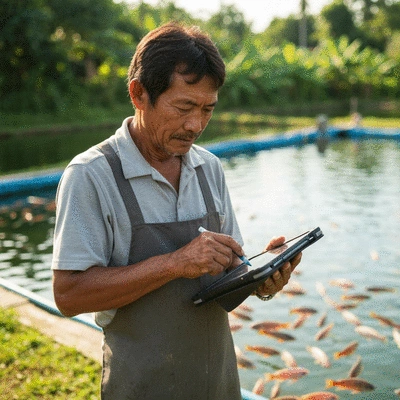
What is Feed Conversion Ratio (FCR) and Why Does it Matter?
As a tilapia farmer, I often hear questions about what exactly FCR is and why it's important. The FCR is calculated by dividing the total feed consumed by the total weight gain of the fish over a specific period. For instance, if you feed your fish 1,000 kg of feed and they gain 500 kg, your FCR is 2.0. This means it takes 2 kg of feed to produce 1 kg of fish. Achieving an optimal FCR is vital for maximizing profit margins.
- Improved profitability through reduced feed costs
- Better growth rates leading to more fish ready for market
- Enhanced sustainability in farming practices
When we focus on improving FCR, we're not only boosting our bottom line but also contributing to the sustainability of aquaculture as a whole. Every little improvement can lead to big changes in productivity!
Challenges Faced by Small-Scale Farmers in Achieving Optimal FCR
Despite its importance, achieving optimal FCR can be challenging for small-scale tilapia farmers. We often face issues like limited access to high-quality feed, inadequate knowledge of feeding practices, and fluctuating market prices. Many farmers also struggle with inconsistent feeding schedules, which can lead to poor growth rates and increased feed wastage. For solutions to these feeding challenges, explore feeding schedules for tilapia ponds.
- Inadequate access to quality feed ingredients
- Insufficient knowledge of optimal feeding techniques
- Environmental factors affecting growth rates
These challenges can significantly impact our farming success. However, by addressing these issues head-on and seeking knowledge, we can improve our FCR and overall productivity!
How Tilapia Species Influence Feed Conversion Efficiency
Did you know that different species of tilapia can influence the efficiency of feed conversion? Certain strains are naturally more efficient at converting feed into body mass than others. For instance, the Nile tilapia is often recognized for its superior growth rates and feed conversion efficiency compared to other species. Understanding which species to cultivate can make a substantial difference in our farming outcomes.
- Nile tilapia – known for its rapid growth and efficient feed conversion
- Blue tilapia – can thrive in varying environmental conditions
- Mozambique tilapia – often more resilient but slower to grow
By selecting the right tilapia species for our farming conditions, we can optimize our feed efficiency and ultimately enhance our farm’s profitability!
Frequently Asked Questions About Tilapia FCR
What is the ideal FCR for tilapia farming?
An ideal FCR for tilapia farming typically ranges between 1.2 to 1.8, meaning 1.2 to 1.8 kg of feed is required to produce 1 kg of fish. A lower FCR indicates higher efficiency and profitability.
How can I calculate FCR for my tilapia farm?
FCR is calculated by dividing the total amount of feed consumed by your fish (in kg) by the total weight gain of your fish (in kg) over a specific period. For example, if you use 1000 kg of feed and your fish gain 500 kg, your FCR is 2.0 (1000/500).
What factors most influence tilapia FCR?
Key factors influencing FCR include feed quality, feeding frequency and quantity, water quality (temperature, oxygen levels), tilapia species, fish age and size, and disease management. Optimizing these factors can significantly improve FCR.
Are there specific tilapia species known for better FCR?
Yes, Nile tilapia (Oreochromis niloticus) is generally recognized for its superior growth rates and efficient feed conversion compared to other tilapia species like Blue tilapia or Mozambique tilapia.
What are some practical strategies for small-scale farmers to improve FCR?
Practical strategies include utilizing locally sourced, high-quality feed ingredients, implementing tailored feeding regimes, regularly monitoring water quality, adjusting feeding based on stocking density, and implementing biosecurity measures. Engaging in community knowledge sharing can also provide valuable insights.
We Want to Hear From You!
What challenges have you faced in optimizing your Feed Conversion Ratio (FCR)? Share your thoughts below:
Summarizing Key Strategies for Optimizing FCR in Tilapia Farms
Optimizing Feed Conversion Ratio (FCR) is crucial for the success of tilapia farms. By focusing on various strategies, small-scale farmers can significantly improve their productivity and profitability. Here are some key strategies that I have found beneficial through my experience at Tilapia Farming Solutions.
- Utilize locally sourced feed ingredients to reduce costs.
- Implement effective feeding regimes tailored to the specific needs of the fish.
- Monitor water quality regularly to create an optimal environment for growth. For more on this, check out managing tilapia pond water quality.
- Adjust feeding quantities based on the stocking density of the fish.
These strategies not only enhance the FCR but also promote sustainable farming practices, ultimately leading to better outcomes in tilapia production.
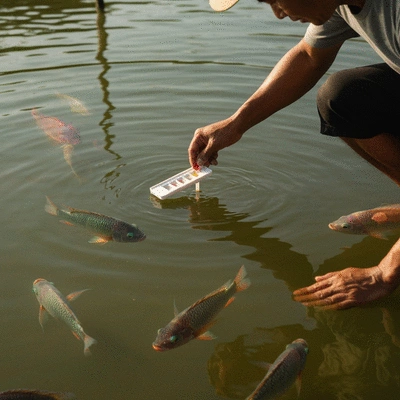
Practical Takeaways for Small-Scale Farmers
As a farmer, it's important to focus on practical, actionable steps that can lead to improved FCR. Here are some practical takeaways based on my observations:
- Conduct regular feed assessments to ensure you're using the best nutrition available.
- Keep track of your feeding schedules and adjust based on growth rates.
- Collaborate with other farmers to share knowledge and best practices.
- Invest in training programs that can enhance your skills and understanding of tilapia farming.
These takeaways can help create a solid foundation for improving productivity on your farm!
Encouraging Community Knowledge Sharing and Support
Community is vital in tilapia farming, especially for small-scale farmers. I encourage everyone to foster an environment of knowledge sharing. Here are some ideas to enhance community support:
- Attend local workshops and seminars on aquaculture.
- Join cooperative groups to pool resources and share insights.
- Utilize social media platforms to connect with fellow farmers and experts.
- Establish mentorship programs where experienced farmers can guide newcomers.
By engaging with the community, you not only gain valuable insights but also create a support network that can help overcome common challenges.
Assessing Economic Viability and Cost-Benefit Analysis for Farmers
Understanding the economic viability of your farming practices is essential. Conducting a cost-benefit analysis can provide clarity on whether your current methods are sustainable. Here are steps to assess your farm's economic health:
- Calculate total feed costs and compare them with the revenue generated from sales.
- Evaluate the return on investment for different feed types and management practices.
- Consider the long-term benefits of improved FCR against short-term expenses.
- Seek advice from financial experts or agricultural consultants for a deeper analysis.
By regularly assessing these factors, you can make informed decisions that support sustainable practices in your tilapia farming journey.
Next Steps for Improving Your Tilapia Farming Practices
As we move forward, it's crucial to take actionable steps that will help enhance your tilapia farming practices. Here are some recommended next steps:
Connecting with Local Agricultural Extensions and Resources
Engaging with local agricultural extensions can provide you access to essential resources and advice. Here are ways to connect:
- Reach out to local agricultural offices for guidance on best practices.
- Participate in training programs offered by these organizations.
- Access publications and research that are specific to tilapia farming in your region.
These connections can help you stay informed about the latest advancements in aquaculture.
Exploring Additional Training and Support for Farmers
Continuous learning is key in the aquaculture sector. Here are suggestions to further your training:
- Enroll in online courses focusing on tilapia farming techniques.
- Attend regional aquaculture conferences to network and learn from experts.
- Subscribe to newsletters and journals that focus on fish farming.
By expanding your knowledge base, you can implement more effective practices on your farm.
Implementing Biosecurity Measures for Sustainable Fish Health Management
Maintaining fish health is essential for a successful tilapia farm. Implementing biosecurity measures can prevent disease outbreaks. Consider these steps:
- Regularly disinfect equipment and gear before and after use.
- Limit the introduction of new fish to your farm without proper quarantine measures.
- Educate your team about signs of disease and how to respond effectively.
These measures can help create a healthy environment for your tilapia, ensuring long-term success for your farming efforts!
Recap of Key Points
Here is a quick recap of the important points discussed in the article:
- Understanding Feed Conversion Ratio (FCR) is crucial for maximizing productivity and profitability in tilapia farming.
- Improving FCR reduces feed costs, enhances fish growth, and contributes to sustainable farming practices.
- Challenges like limited access to quality feed and inconsistent feeding schedules can hinder optimal FCR for small-scale farmers.
- Selecting the right tilapia species can significantly impact feed conversion efficiency.
- Implementing effective feeding regimes, monitoring water quality, and adjusting feeding quantities are key strategies for optimizing FCR.
- Community support and knowledge sharing are essential for overcoming challenges and improving farming practices.
- Regular assessment of economic viability through cost-benefit analysis is necessary for informed decision-making in tilapia farming.


Yomi Adisa Lead Researcher
Yomi Adisa is the lead researcher at Fish Farming Business, where he studies what makes aquaculture ventures profitable across Africa. His research focuses on market patterns, buyer preferences, and the business decisions that determine success or failure in fish farming.