Optimizing Tilapia Feeding Rates
Posted on: 2025-10-26
By: Yomi Adisa
In aquaculture, understanding the intricacies of tilapia feeding is paramount for success. As you delve into the world of tilapia farming, consider how tailored feeding strategies can enhance both growth and overall health. Ready to learn more about optimizing your feeding practices?
What You Will Learn
- Optimized tilapia feeding rates accelerate growth and improve profitability.
- Balanced feeding helps maintain fish health and minimizes disease risks.
- Key factors like water quality and nutrient composition affect feeding strategies.
- Tailored feeding schedules based on growth stages ensure optimal nutrition delivery.
- High-quality feed options enhance growth performance and health outcomes.
- Utilizing technology can streamline feeding processes and improve efficiency.
Optimizing Tilapia Feeding: Key Strategies & Growth Stages
Ensuring robust growth and health for tilapia involves a comprehensive approach to feeding, adjusting strategies based on critical factors and distinct growth stages. For more on this, check out our insights on feeding schedules for tilapia ponds.
Key Factors Influencing Tilapia Feeding Rates
- • Water Quality: Temperature, pH, Dissolved Oxygen
- • Nutrient Composition: Protein sources (Fish meal, Soybean meal)
- • Feed Type: Digestibility rates (Floating vs. Sinking Pellets)
Feeding Frequency by Growth Stage
- • Fingerlings: Multiple times daily (small pellets, rapid growth)
- • Juveniles: 3-4 times daily (larger pellets, growing appetite)
- • Adults: Twice daily (larger portions, high-protein feed)
Understanding Tilapia Feeding Rates for Enhanced Growth and Health
As an aquaculture expert, I can't stress enough how crucial optimized tilapia feeding rates are for achieving robust growth and health in your fish. When we fine-tune these rates, we not only enhance growth but also improve feed conversion efficiency, allowing for a more sustainable operation. The right feeding strategy can help you maximize your investment and ensure the well-being of your tilapia.
By understanding the specifics of feeding rates, you can create a thriving aquaculture environment that supports both your goals and the health of your fish. Let’s dive deeper into why these feeding rates are fundamental to your farming success.
The Importance of Feeding Rates in Tilapia Aquaculture
Feeding rates significantly influence tilapia growth dynamics and overall health. A well-planned feeding regime can lead to optimal growth rates and superior feed conversion ratios (FCR). Here’s why feeding rates matter:
- Growth Acceleration: Proper feeding rates ensure your tilapia reach market size faster, increasing your profitability.
- Health Maintenance: Balanced feeding helps minimize stress and prevents diseases, keeping your tilapia healthy.
- Feed Efficiency: Optimized feeding means your fish convert feed into body mass more effectively, which is essential for sustainable farming practices.
These factors create a holistic approach to fish farming that benefits both the fish and the farmer. Remember, an informed feeding strategy is key to success in tilapia aquaculture. For more on ensuring a healthy environment, explore managing tilapia pond water quality.
Key Factors Influencing Tilapia Feeding Rates
Several elements play a role in determining the ideal feeding rates for your tilapia. Understanding these factors can help you adjust your feeding strategy to align with the needs of your fish:
- Water Quality: Parameters like temperature, pH, and dissolved oxygen significantly affect fish metabolism and feeding behavior.
- Nutrient Composition: The nutritional content of your feed, especially protein sources, influences how much and how often you should feed your fish.
- Feed Type: Different types of pellets or feeds have varying digestibility rates, affecting how quickly your fish can utilize the nutrients.
By keeping these factors in mind, you can make adjustments that lead to improved tilapia health and growth outcomes. It’s all about creating a balanced ecosystem within your pond!
Understanding Nutritional Requirements of Tilapia
Navigating the nutritional needs of tilapia is essential for effective feeding. Tilapia thrive on a diet rich in specific nutrients, with a particular focus on protein sources. Here are some critical components of their diet:
- Protein Sources: High-quality protein is vital for growth. Ingredients like fish meal, soybean meal, and corn gluten meal are common.
- Vitamins and Minerals: Essential for metabolic processes, vitamins and minerals support immune function and overall health.
- Feed Additives: Consider using additives that enhance digestibility and absorption, ensuring your fish get the most out of their feed.
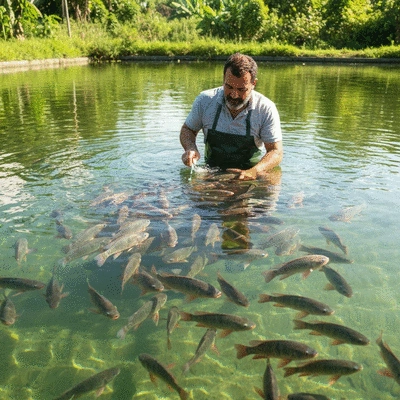
By tailoring your feed to meet these nutritional needs, you pave the way for healthier fish and better production outcomes. Always remember, a well-nourished tilapia is a happy tilapia!
Developing a Step-by-Step Feeding Strategy
Having established the importance of feeding rates and nutritional requirements, it's time to formulate a practical feeding strategy that aligns with the growth stages of your tilapia. Let’s break this down step-by-step.
Assessing Current Tilapia Growth and Health Status
Regular monitoring of your tilapia's growth rates and health indicators is crucial in making informed feeding decisions. Here’s how to evaluate their status:
- Growth Measurements: Measure the average weight and length of your fish regularly to track growth rates.
- Health Observations: Look for signs of stress or illness, such as unusual swimming patterns or lack of appetite.
- Water Quality Testing: Keep an eye on your water parameters, as fluctuations can impact fish health and feeding behavior.
By assessing these factors, you can make timely adjustments to your feeding strategy that support your tilapia’s growth journey.
Establishing Optimal Feeding Schedules
Creating a structured feeding schedule is essential for ensuring your tilapia receive the right amount of feed at the right times. This is particularly important as they grow and their nutritional needs change.
- Feeding Frequency: Younger tilapia may require feeding 4-5 times a day, while adults may thrive with 2-3 feedings.
- Portion Sizes: Start with smaller portions and gradually increase as the fish grow and their appetite increases.
- Timing: Feed at consistent times to establish a routine that your tilapia can rely on.
By following these guidelines, you can optimize your feeding routines and ensure your tilapia are growing at their best.
Feeding Frequency Techniques for Various Growth Stages
Different growth stages require specific feeding techniques:
- Fingerlings: Feed small pellets multiple times daily to support rapid growth.
- Juveniles: As they grow, transition to larger pellets and adjust feeding frequency to 3-4 times daily.
- Adults: For mature tilapia, provide larger portions of high-protein feed twice a day.
Tailoring your feeding frequency to each growth stage helps ensure that your tilapia have the best chance to thrive! Learn more about cost-effective tilapia feed solutions to optimize your budget.
Choosing the Right Feed for Maximum Growth
The quality and type of feed you select can greatly affect your tilapia's growth performance. Here are some tips for choosing the best feed:
- High-Quality Pellets: Opt for feed with high protein content (around 30-40%) to support growth.
- Balanced Nutrition: Ensure your feed contains the right balance of fats, carbohydrates, vitamins, and minerals.
- Brand Reputation: Choose reputable brands known for their quality and effectiveness in aquaculture.
With the right feed, you can ensure your tilapia reach their growth potential, contributing to your farming success.
Exploring Aquafeeds: Types and Benefits
Aquafeeds come in various forms, each with its unique benefits. Understanding these can help you make informed choices:
- Organic Feeds: Often made from natural ingredients, these feeds promote health and sustainability.
- Fortified Feeds: These contain added nutrients for enhanced growth and health benefits.
- Floating vs. Sinking Pellets: Choose based on your feeding technique; floating pellets are great for monitoring feed intake.
By selecting the right type of aquafeed, you can enhance the health and growth of your tilapia while aligning with sustainable practices. For further details on feed options, consult our comprehensive guide on tilapia feed types.
Utilizing Technology to Optimize Feeding Rates
In today's aquaculture landscape, technology plays a vital role in enhancing feeding efficiency. Consider incorporating these solutions:
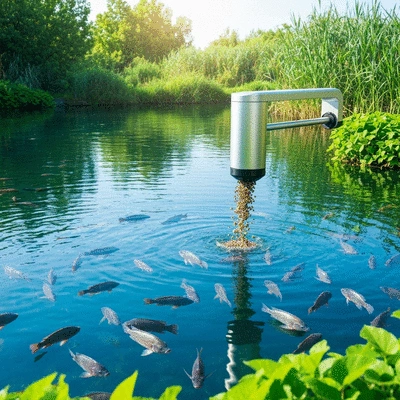
- Automated Feeders: These devices ensure your fish are fed consistently and reduce labor efforts.
- Feeding Monitors: Use technology to track feeding patterns and adjust rates based on real-time data.
- Mobile Apps: Many apps help manage feeding schedules and monitor water quality, making it easier to stay on track.
Embracing technology in your feeding strategy can lead to significant improvements in growth and management efficiency.
Pro Tip
To maximize your tilapia growth potential, consider implementing a variable feeding strategy based on water temperature and fish activity levels. Warmer water typically increases metabolism, meaning your tilapia might require more frequent feeding during warmer months. This tailored approach can significantly enhance growth rates while optimizing feed efficiency.
Frequently Asked Questions About Tilapia Feeding
What are the key factors influencing tilapia feeding rates?
Key factors include water quality (temperature, pH, dissolved oxygen), the nutrient composition of the feed (especially protein sources), and the type of feed used (e.g., digestibility of floating vs. sinking pellets).
How often should I feed my tilapia at different growth stages?
Fingerlings should be fed multiple times daily with small pellets. Juveniles typically require feeding 3-4 times daily with larger pellets. Adult tilapia can thrive on larger portions of high-protein feed twice a day.
What are the essential nutritional requirements for tilapia?
Tilapia require a diet rich in high-quality protein (from sources like fish meal or soybean meal), essential vitamins and minerals for metabolic processes and immune function, and potentially feed additives to enhance digestibility and nutrient absorption.
How can technology help optimize tilapia feeding?
Technology can optimize feeding through automated feeders for consistent delivery, feeding monitors to track patterns and adjust rates in real-time, and mobile apps for managing schedules and monitoring water quality.
Why is continuous learning and adjustment important in tilapia aquaculture?
Aquaculture is dynamic, and continuous evaluation of feeding strategies, along with openness to new techniques and feed types, helps farmers adapt to changing conditions, enhance productivity, and improve decision-making based on practical experience and research.
Consolidating Insights for Optimal Tilapia Feeding
As we wrap up our discussion on tilapia feeding, it’s crucial to summarize the key strategies that can significantly enhance growth and health in our fish. By focusing on optimized feeding rates, monitoring environmental factors, and adapting to the specific needs of tilapia, farmers can maximize their production potential.
Here are some essential practices to keep in mind:
- Regularly assess water quality and adjust feeding strategies accordingly.
- Use high-quality, nutrient-rich feed tailored to the different growth stages of tilapia.
- Monitor feeding behavior to ensure the fish are consuming the right amounts.
- Implement a consistent feeding schedule to promote healthy growth rates.
- Continuously evaluate and refine your feeding approaches based on observed outcomes.
By integrating these practices into your routine, you’ll find that tilapia can grow more efficiently, ultimately leading to a healthier stock and better yields.
Encouragement for Continuous Learning and Adjustment
It's important to remember that aquaculture is not a one-size-fits-all endeavor! I encourage all farmers to continuously evaluate their feeding strategies and be open to adjustments based on what they observe in their ponds. Research and practical experience are invaluable; combining both will lead to better decision-making.
As you monitor your tilapia and gather data on their growth and health, don't hesitate to experiment with new feeding techniques or different feed types. This ongoing learning process will help you adapt to changing conditions and enhance your farm's productivity.
Further Resources and Next Steps
Accessing Additional Tools and Information
To support your tilapia farming journey, I recommend utilizing various resources available at Tilapia Farming Solutions. Our website offers a variety of tools such as feeding charts, ROI calculators, and comprehensive guides that can provide deeper insights into effective feeding practices.
These resources are designed to aid you in determining optimal feeding rates based on your specific farm conditions. Make sure to download these helpful materials to enhance your knowledge and implementation strategies!
Engaging with the Tilapia Farming Community
Finally, I invite you to connect with the broader tilapia farming community. Joining forums or local groups can be incredibly beneficial, as sharing experiences and strategies with fellow farmers fosters a collaborative environment for learning.
Engaging with others not only helps you stay updated on best practices but also allows for exchanging insights that can lead to more successful farming outcomes. Let's work together to elevate our tilapia farming practices and support each other in this journey!
Recap of Key Points
Here is a quick recap of the important points discussed in the article:
- Optimized tilapia feeding rates enhance growth and health, improving feed conversion efficiency.
- Key factors influencing feeding rates include water quality, nutrient composition, and feed type.
- Regular assessment of growth and health status is crucial for informed feeding decisions.
- Establishing an optimal feeding schedule tailored to growth stages supports healthy development.
- Choosing high-quality, nutrient-rich feed is essential for maximizing tilapia growth potential.
- Utilizing technology can optimize feeding rates and enhance management efficiency.


Yomi Adisa Lead Researcher
Yomi Adisa is the lead researcher at Fish Farming Business, where he studies what makes aquaculture ventures profitable across Africa. His research focuses on market patterns, buyer preferences, and the business decisions that determine success or failure in fish farming.