Managing Tilapia Pond Water Quality

Posted on: 2025-09-29
By: Yomi Adisa
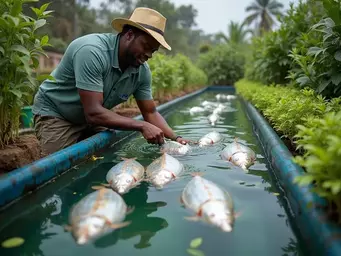
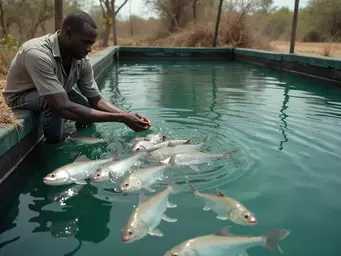
What if improving water quality in your tilapia pond could drastically increase your yields? With the right strategies, you can transform your aquaculture practices and enhance sustainability.
What You Will Learn
- The critical impact of water quality on tilapia health, growth rates, and overall productivity.
- How to effectively monitor and manage pH levels for optimal fish health.
- The importance of maintaining dissolved oxygen levels above 5 mg/L for robust tilapia development.
- Strategies for controlling ammonia and nitrite levels to prevent toxicity in your pond.
- The role of alkalinity in stabilizing water conditions and how to enhance it.
- Practical tips for integrating aquatic plants to improve water quality naturally.
- How joining a farmer cooperative can enhance sustainable aquaculture practices.
Key Water Quality Parameters for Tilapia Farming
Maintaining optimal water quality is crucial for healthy tilapia. The following graphic summarizes the ideal ranges and critical limits for essential parameters in tilapia ponds, vital for growth and disease prevention. To discover more about common tilapia diseases and how to prevent them, read our guide on common tilapia diseases and prevention.
pH Levels
Ideal Range: 6.5 - 8.5
Impact: Optimal growth, enhanced immune system. Avoids poor growth & mortality.
Dissolved Oxygen (DO)
Target Level: > 5 mg/L
Impact: Robust development. Prevents stress, reduced growth, and mortality.
Ammonia & Nitrites
Ammonia: < 0.5 mg/L
Nitrites: < 0.1 mg/L
Impact: Prevents toxicity, maintains balanced ecosystem.
Alkalinity
Ideal Range: 20 - 200 mg/L
Impact: Buffers pH, stabilizes environment. Prevents stress & reduced growth.
Understanding Water Quality Management for Tilapia Ponds in Africa
Water quality is the backbone of successful tilapia farming. It's critical to the health and growth of tilapia, directly influencing productivity and sustainability. Poor water conditions can stunt growth, reduce fish health, and ultimately lead to decreased yields. By understanding water quality management, we can ensure that our tilapia thrive, benefiting both our farms and local communities! For more in-depth insights into sustainable practices, you can visit our Sustainable Aquaculture Guide.
For us at Tilapia Farming Solutions, empowering local farmers with practical knowledge about water management is essential. It's not just about raising fish; it's about fostering a sustainable aquaculture environment that supports economic prosperity.
Importance of Water Quality in Tilapia Farming
- Direct impact on fish health and growth rates
- Influence on feed efficiency and conversion rates
- Effect on disease prevalence and overall pond productivity
When we manage water quality effectively, we lay the foundation for a flourishing aquaculture system. Good water quality leads to healthier fish that grow faster, eat more efficiently, and are less prone to diseases. This, in turn, translates into increased yields and a more sustainable farming operation! Learn more about maximizing your tilapia yields with effective pond management strategies.
Common Water Quality Parameters Affecting Tilapia
pH Levels and Their Effects on Fish Health
Maintaining the right pH level is crucial for tilapia health. Ideally, the pH should range between 6.5 and 8.5. A stable pH level supports optimal growth and enhances the fish's immune system, making them less susceptible to diseases.
If the pH drifts outside this range, we could see adverse effects, such as poor growth rates or even mortality. Regularly testing your pond’s pH and making necessary adjustments is a simple yet effective strategy for ensuring your tilapia thrive!
Dissolved Oxygen (DO) Requirements for Optimal Growth
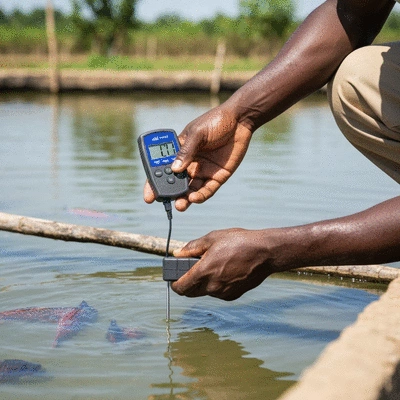
Dissolved oxygen is another vital parameter that impacts tilapia growth. Ideally, DO levels should be maintained above 5 mg/L to ensure robust fish development. Low oxygen levels can lead to stress, reduced growth, and increased mortality rates.
- Use aerators to enhance oxygen levels
- Plant aquatic vegetation to promote oxygen production
- Regularly monitor water temperature, as warmer water holds less oxygen
By implementing these methods, we can create an environment where our tilapia can grow rapidly and healthily!
Managing Ammonia and Nitrite Levels
High levels of ammonia and nitrites can be toxic to tilapia. These compounds often accumulate due to waste from fish and uneaten feed. It’s essential to keep ammonia levels below 0.5 mg/L and nitrites below 0.1 mg/L.
- Regular water changes to dilute toxins
- Utilizing biofilters to convert harmful compounds
- Monitoring fish feeding practices to reduce waste
Implementing these management strategies will help maintain a balanced ecosystem in your pond, ensuring our fish remain healthy and productive.
Understanding Alkalinity and Its Role in Pond Health
Alkalinity helps buffer the pH levels in water, making it crucial for maintaining a stable environment for tilapia. Ideal alkalinity levels should range between 20 to 200 mg/L. Low alkalinity levels can lead to fluctuating pH, which stresses fish and reduces their growth potential.
Incorporating materials like agricultural lime can boost alkalinity and support better water quality. Regular checks on your pond’s alkalinity will help you keep a stable environment for your tilapia, fostering a thriving aquatic ecosystem!
Importance of Nitrification in Pond Ecosystems
Nitrification is the process wherein ammonia is converted into nitrite and then to nitrate, which is less harmful to fish. This biological process is crucial for maintaining water quality in tilapia ponds. A healthy nitrification cycle stabilizes water conditions and ensures a balanced ecosystem.
- Encouraging beneficial bacteria growth through proper feeding and aeration
- Avoiding overstocking to maintain balance in the pond ecosystem
- Regular testing to monitor ammonia, nitrite, and nitrate levels
By understanding and fostering nitrification, we can create a reliable and safe environment for our tilapia, leading to better growth and sustainability in our aquaculture practices. For further details on managing your pond's ecosystem, explore our article on effective pond ecosystem management.
Frequently Asked Questions (FAQs)
Q: Why is water quality so important for tilapia farming?
A: Water quality is crucial because it directly affects tilapia health, growth rates, feed efficiency, and disease prevalence. Poor water conditions can lead to stunted growth, reduced immunity, and increased mortality, ultimately decreasing yields.
Q: What are the ideal pH levels for tilapia ponds?
A: The ideal pH range for tilapia ponds is between 6.5 and 8.5. Maintaining a stable pH within this range supports optimal growth and enhances the fish's immune system.
Q: How much dissolved oxygen (DO) do tilapia need?
A: Tilapia require dissolved oxygen (DO) levels to be maintained above 5 mg/L for robust development. Low DO can cause stress, slow growth, and increase mortality rates.
Q: How can I manage ammonia and nitrite levels in my pond?
A: To manage ammonia and nitrite, keep ammonia below 0.5 mg/L and nitrites below 0.1 mg/L. Strategies include regular water changes, using biofilters to break down harmful compounds, and monitoring feeding practices to reduce waste.
Q: What is the role of alkalinity in a tilapia pond?
A: Alkalinity helps buffer pH levels, maintaining a stable environment for tilapia. Ideal alkalinity ranges from 20 to 200 mg/L. Low alkalinity can lead to pH fluctuations, stressing fish and hindering growth.
Q: Can aquatic plants improve water quality in tilapia ponds?
A: Yes, aquatic plants significantly improve water quality by producing oxygen, absorbing excess nutrients (reducing algae growth), and providing shelter for fish, contributing to a more balanced ecosystem.
Q: How do farmer cooperatives benefit tilapia farmers?
A: Farmer cooperatives offer numerous benefits, including knowledge sharing, access to essential tools and resources, and collective bargaining power for better prices on supplies and sales. They help foster sustainable aquaculture practices and economic prosperity.
We Want to Hear From You!
As you consider the water quality management strategies for your tilapia ponds, what challenges do you face the most? Share your thoughts below:
Practical Tips for African Farmers on Pond Water Management
Managing water quality is an essential part of successful tilapia farming. As a seasoned aquaculture expert, I've seen how small changes can lead to big improvements in fish health and productivity. Here’s a step-by-step guide for African farmers to effectively monitor and manage water quality parameters.
Step-by-Step Guide to Monitoring Water Quality
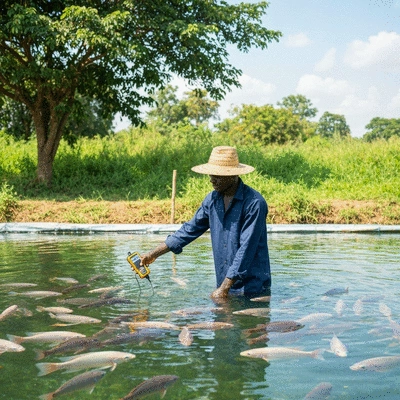
Regular monitoring of water quality is crucial to the health of your tilapia. Follow these simple steps to keep track of the essential parameters:
- Test pH Levels: Use a pH kit to ensure your water stays between 6.5 and 8.5.
- Check Dissolved Oxygen: Utilize a DO meter to maintain levels above 5 mg/L.
- Measure Ammonia and Nitrite: Regularly test for these compounds and keep ammonia below 0.02 mg/L.
- Monitor Temperature: Maintain water temperatures ideally between 24°C and 30°C.
- Assess Alkalinity: Keep alkalinity levels between 20-200 mg/L to buffer pH fluctuations.
By consistently following these steps, you can ensure that your tilapia live in a healthy environment, leading to optimal growth and survival rates.
Common Challenges and Solutions in Tilapia Farming
Every farmer faces challenges when it comes to tilapia farming. Here are some common issues and practical solutions that can help:
- Water Quality Deterioration: Regularly test water and change up to 10% of the water weekly to maintain quality.
- High Ammonia Levels: Introduce biofiltration systems to help break down waste products.
- Oxygen Depletion: Use aeration devices to enhance oxygen levels, especially during hot weather.
- Algae Blooms: Limit fertilizer usage and introduce shaded areas to balance light penetration.
By addressing these challenges head-on, you can enhance the sustainability of your tilapia farm and ensure a thriving operation.
Utilizing Aquatic Plants for Improved Water Quality
Incorporating aquatic plants in your tilapia ponds can greatly enhance water quality. Here are some benefits:
- Oxygen Production: Aquatic plants contribute to dissolved oxygen levels, vital for fish health.
- Natural Filtration: They absorb excess nutrients, helping to mitigate algae growth.
- Habitat Enhancement: Plants provide shelter for fish, promoting their well-being.
Consider adding native aquatic plants like *water hyacinth* or *duckweed* to your pond. These not only improve water quality but also create a more balanced ecosystem for your tilapia. For more practical advice, check out our blog on aquatic plant benefits.
The Role of Farmer Cooperatives in Enhancing Sustainable Practices
Joining a farmer cooperative can provide immense benefits for tilapia farmers. Here’s how:
- Knowledge Sharing: Cooperatives offer a platform for sharing best practices and experiences among farmers.
- Resource Access: Members gain access to tools, resources, and markets that may be unavailable to individual farmers.
- Collective Bargaining: By working together, farmers can negotiate better prices for supplies and sales.
By participating in a cooperative, you not only enhance your farming practices but also contribute to the sustainability of aquaculture in your community. Together, we can make tilapia farming a thriving enterprise across Africa!
Recap of Key Points
Here is a quick recap of the important points discussed in the article:
- Water quality is crucial for tilapia health, influencing growth rates and productivity.
- Maintain optimal pH levels between 6.5 and 8.5 for fish health.
- Ensure dissolved oxygen levels are above 5 mg/L for robust growth.
- Regularly monitor and manage ammonia and nitrite levels to prevent toxicity.
- Alkalinity should be kept between 20 to 200 mg/L to stabilize pH.
- Encourage beneficial bacteria growth through proper feeding and aeration for effective nitrification.
- Incorporate aquatic plants for natural filtration and improved water quality.
- Join farmer cooperatives for shared knowledge and better resource access.


Yomi Adisa Lead Researcher
Yomi Adisa is the lead researcher at Fish Farming Business, where he studies what makes aquaculture ventures profitable across Africa. His research focuses on market patterns, buyer preferences, and the business decisions that determine success or failure in fish farming.