How to Test and Adjust Pond pH for Tilapia: Practical Guide for Small-Scale Farmers
Posted on: 2025-11-11
By: Yomi Adisa
How to Test and Adjust Pond pH for Tilapia: Practical Guide for Small-Scale Farmers
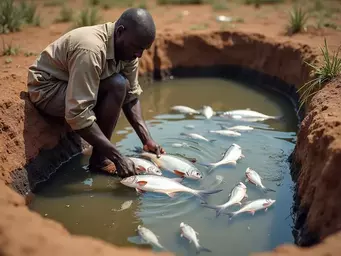
You've invested your savings into fingerlings, feed, and pond construction. Your tilapia seemed healthy initially, but now they're gasping at the surface, growing slowly, and some are dying unexpectedly. You're feeding them properly and the water looks clean, yet something is clearly wrong. The culprit might be something you can't see – your pond's pH level.
📑 Table of Contents
Poor pH management is one of the most overlooked causes of tilapia farming failures across Africa. When pH levels drift outside the optimal range, your fish experience chronic stress that reduces appetite, slows growth rates, and weakens immune systems. Many farmers lose 20-40% of their stock to pH-related problems without ever realising what went wrong. Meanwhile, those who master pH control consistently achieve better survival rates, faster growth, and higher profits from the same investment in fingerlings and feed.
The good news is that testing and adjusting pond pH doesn't require expensive equipment or complex chemistry knowledge. With simple, affordable tools and the right techniques, you can maintain stable pH conditions that keep your tilapia thriving throughout the production cycle.
This comprehensive guide provides you with complete technical knowledge for testing and adjusting pond pH in your tilapia farming operation. You'll learn exactly how to measure pH using affordable tools, interpret the results, and take precise corrective actions when levels fall outside the optimal range. We'll cover everything from selecting the right testing equipment to calculating lime dosages for your specific pond size, ensuring you have the practical skills needed to maintain optimal water conditions and maximise your tilapia production success.
🎯 What You'll Learn
- Learn how to accurately test pond pH using affordable tools to ensure optimal tilapia health and growth
- Master the process of calculating and applying agricultural limestone to effectively raise acidic pond pH levels
- Understand the critical relationship between pH and other water quality parameters to maintain a stable environment for your tilapia
Understanding Pond pH and Its Importance for Tilapia Farming
What is Pond pH?
pH measures how acidic or alkaline your pond water is on a scale from 0 to 14. The term pH stands for "potential of hydrogen" and indicates the concentration of hydrogen ions in your water. A pH of 7.0 is neutral – neither acidic nor alkaline.
Numbers below 7.0 indicate acidic conditions, whilst numbers above 7.0 show alkaline conditions. Each whole number represents a ten-fold change in acidity, so water with pH 6.0 is ten times more acidic than water with pH 7.0.
In aquatic ecosystems like your tilapia pond, pH affects virtually every biological and chemical process. It influences how nutrients dissolve and become available to fish and aquatic plants. pH also determines the toxicity levels of ammonia and other compounds that naturally occur in fish ponds.
Your pond's pH naturally fluctuates throughout the day due to photosynthesis and respiration cycles. During daylight hours, algae and aquatic plants consume carbon dioxide through photosynthesis, which typically raises pH levels. At night, plants and fish produce carbon dioxide through respiration, usually lowering pH.
Ideal pH Range for Tilapia
Tilapia thrive best in water with pH levels between 6.5 and 8.5, with the optimal range being 7.0 to 8.0. Within this range, your fish can efficiently process food, maintain strong immune systems, and achieve maximum growth rates. Nile tilapia, the most common species across African farms, show particular resilience within this pH range and can tolerate brief excursions to 6.0 or 9.0 without severe stress.
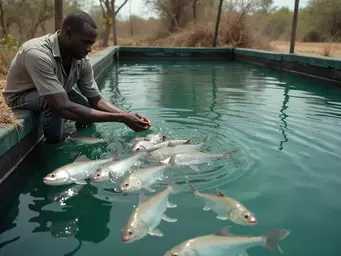
When pH remains within the ideal range, your tilapia will demonstrate several positive indicators. They'll show consistent feeding behaviour, swimming actively throughout the water column rather than gasping at the surface. Their gill colour remains bright red, indicating good oxygen uptake, and you'll notice steady weight gain during regular sampling.
Different tilapia species show slight variations in pH tolerance. Blue tilapia can handle slightly more alkaline conditions up to pH 9.0, whilst hybrid varieties often display the combined tolerance ranges of their parent species. However, maintaining pH between 7.0 and 8.0 ensures optimal performance regardless of which tilapia variety you're farming.
| Species | Optimal pH Range | Maximum Tolerance |
|---|---|---|
| Nile Tilapia | 7.0-8.0 | 6.0-9.0 |
| Blue Tilapia | 7.0-8.0 | 6.5-9.0 |
| Hybrid Tilapia | 7.0-8.0 | 6.0-9.0 |
Consequences of Poor pH Management
When pH drops below 6.5, your tilapia face acidic stress that manifests in several ways. Their appetite decreases significantly, leading to reduced feed conversion efficiency and slower growth rates. Acidic conditions also increase the solubility of toxic metals like aluminium and iron from pond sediments, creating additional health risks.
Alkaline conditions above pH 8.5 create different but equally serious problems. High pH increases the toxicity of ammonia, turning relatively harmless ammonium ions into deadly ammonia gas. Your fish may show signs of ammonia poisoning including red or inflamed gills, lethargy, and gasping behaviour.

Rapid pH changes, even within the acceptable range, stress tilapia more than stable conditions slightly outside the ideal range. Sudden shifts of more than 0.5 pH units within a few hours can shock your fish, causing them to stop feeding and become vulnerable to disease. A farmer in Kakamega experienced 30% mortality when heavy rains rapidly diluted his pond, dropping pH from 7.8 to 6.2 overnight.
| pH Level | Symptoms | Recommended Action |
|---|---|---|
| Below 6.5 | Decreased appetite, increased susceptibility to disease | Increase pH using limestone |
| 6.5-6.9 | Mild stress | Monitor closely and prepare for potential adjustments |
| 7.0-8.0 | Normal behaviour | Continue current management practices |
| 8.1-8.5 | Mild stress | Increase monitoring frequency |
| Above 8.5 | Ammonia toxicity signs, lethargy | Immediate pH reduction needed |
Other Water Quality Parameters to Consider
pH interacts closely with other critical water quality parameters in your tilapia pond. Dissolved oxygen levels directly affect pH through the carbon dioxide cycle. During periods of low oxygen, increased carbon dioxide production from fish respiration drives pH downward.
Water temperature influences pH stability and the toxicity of pH-related compounds. Warmer water holds less dissolved oxygen and increases fish metabolism, leading to more carbon dioxide production and pH swings. In tropical African conditions where water temperatures often reach 28-30°C, monitoring pH becomes even more critical for maintaining healthy tilapia production.
Alkalinity acts as a buffer against pH changes and represents your pond's resistance to pH fluctuations. Total alkalinity between 50-150 mg/L as calcium carbonate provides excellent pH stability for tilapia farming. Low alkalinity ponds experience wild pH swings, whilst extremely high alkalinity can lock pH at levels too high for optimal tilapia health.
Methods for Testing Pond pH
Tools and Equipment for pH Testing
Several affordable pH testing options suit small-scale tilapia farmers across Africa. Liquid drop test kits, available in most agricultural supply stores for 500-1,500 naira in Nigeria or 50-150 shillings in Kenya, provide reliable results for regular monitoring. These kits use colour-changing indicators that you compare against a colour chart to determine pH levels.
Digital pH metres offer greater accuracy and convenience but require higher initial investment of 3,000-8,000 naira or 300-800 shillings. Quality digital metres provide readings accurate to 0.1 pH units and eliminate the guesswork involved in colour matching. However, they require regular calibration with buffer solutions and careful maintenance to ensure accuracy.
pH test strips represent the most economical option, costing just 200-500 naira or 20-50 shillings for a pack of 50-100 strips. You simply dip a strip into your pond water and compare the colour change to the provided chart. Whilst less precise than other methods, test strips work well for routine monitoring and quickly identifying when pH levels need attention.
Step-by-Step Guide to Testing Pond pH
Begin pH testing by collecting water samples from multiple locations in your pond. Take samples from the centre of the pond at mid-depth, avoiding surface scum or bottom sediment that can affect readings. Use a clean container that hasn't contained soap, chemicals, or feed to avoid contaminating your sample.

For liquid test kits, fill the provided test tube to the marked line with pond water. Add the specified number of drops from the pH indicator bottle, typically 3-5 drops depending on your kit. Cap the tube and shake gently to mix the solution thoroughly.
When using digital pH metres, rinse the electrode with distilled water before testing. Immerse the electrode fully in your water sample and wait for the reading to stabilise, usually 30-60 seconds. Record the reading immediately and rinse the electrode again before storing.
Test your pond pH at the same time each day for consistent results. Early morning testing, around 6:00-7:00 AM before feeding, provides the most stable baseline readings. This timing captures pH at its daily low point, giving you the most conservative measurement for management decisions.
Interpreting pH Test Results
pH readings between 7.0 and 8.0 indicate optimal conditions for your tilapia. Continue your regular monitoring schedule and maintain current management practices when readings fall within this range. Document these readings to establish your pond's normal pH patterns and identify trends over time.
Readings between 6.5-6.9 or 8.1-8.5 suggest your pH is approaching the limits of the acceptable range. Increase your testing frequency to daily monitoring and prepare to take corrective action if levels continue trending away from optimal. These readings don't require immediate intervention but warrant closer attention to prevent further drift.
pH readings below 6.5 or above 8.5 require prompt corrective action. Test immediately from multiple pond locations to confirm the reading isn't due to sampling error. If confirmed, implement pH adjustment procedures within 24 hours to prevent fish stress and potential mortality.
Techniques to Adjust Pond pH
Using Agricultural Limestone for pH Adjustment
Agricultural limestone (calcium carbonate) represents the most common and effective method for raising pond pH in acidic conditions. Limestone dissolves slowly, providing gradual pH increases that won't shock your tilapia. It also adds calcium to your pond water, supporting fish bone development and overall health.
Calculate limestone requirements using this formula: For each 0.1 pH unit increase needed, apply 50-75 kg of agricultural lime per hectare of pond surface area. For a typical small-scale pond of 200 square metres (0.02 hectares), you'd need 1-1.5 kg of lime to raise pH by 0.1 units. A farmer in Kumasi successfully raised his pond pH from 6.2 to 7.5 using 8 kg of limestone applied over two weeks in his 400 square metre pond.

Apply limestone by broadcasting it evenly over the pond surface during calm weather. The powder will gradually dissolve and distribute throughout the water column. For faster results, mix limestone with pond water in a separate container to create a slurry, then pour this mixture around the pond perimeter.
Monitor pH daily after limestone application, as effects typically appear within 2-3 days and continue for 1-2 weeks. Retest and apply additional lime if needed, but limit increases to 0.3 pH units per week to avoid stressing your tilapia. Never attempt to raise pH more than 1.0 unit in a single treatment.
Alternative Methods for Lowering pH
When pond pH exceeds 8.5, you need methods to reduce alkalinity safely. Organic matter decomposition naturally produces acids that lower pH over time. Adding fresh grass clippings, rice bran, or other organic materials to your pond creates controlled decomposition that gradually reduces pH levels.
Elemental sulphur provides another option for lowering pH in highly alkaline ponds. Apply 10-20 kg of agricultural sulphur per hectare of pond surface to reduce pH by 0.5-1.0 units. Sulphur works slowly as soil bacteria convert it to sulphuric acid, so effects may take 2-4 weeks to appear fully.
Partial water changes with lower pH water can provide immediate relief for severely alkaline ponds. Replace 20-30% of pond water with fresh water that has pH closer to neutral. This dilution effect provides quick results but requires access to suitable replacement water and careful acclimation to avoid temperature shock.
Timing and Dosage Calculations
Calculate exact lime requirements based on your pond's volume and current pH level. Measure pond dimensions carefully: length × width × average depth gives you total volume in cubic metres. Multiply by 1,000 to convert to litres.
Use this dosage guide for agricultural limestone applications: To raise pH from 6.0 to 7.0, apply 100-150 kg lime per hectare. From 6.5 to 7.5, use 75-100 kg per hectare. From 7.0 to 7.8, apply 50-75 kg per hectare.
Apply lime treatments during morning hours when pH levels are typically at their daily minimum. This timing allows the limestone to work throughout the day when photosynthesis naturally raises pH, creating more stable conditions. Avoid applying lime during feeding times, as the temporary alkalinity increase can affect feed palatability and fish appetite.
| pH Adjustment Method | Dosage per Hectare | Expected pH Change |
|---|---|---|
| Agricultural Limestone | 50-75 kg for 0.1 unit increase | 0.1 unit increase |
| Elemental Sulphur | 10-20 kg for 0.5-1.0 unit decrease | 0.5-1.0 unit decrease |
| Partial Water Change | 20-30% of pond volume | Immediate pH reduction |
Pond Preparation and Management for Optimal pH
Preparing the Pond Bottom
Proper pond bottom preparation significantly influences long-term pH stability in your tilapia farming system. During pond construction or between production cycles, dry the pond bottom completely for 2-3 weeks if possible. This drying process oxidises accumulated organic matter and helps stabilise pH-affecting compounds in the sediment.
Apply agricultural lime to the dried pond bottom at 1,000-2,000 kg per hectare, depending on soil acidity. Rake or till the lime into the top 10-15 centimetres of pond bottom sediment. This pre-treatment neutralises acidic compounds and provides a pH buffer that lasts throughout the production cycle.

Test your pond bottom soil pH using the same methods you use for water testing. Collect soil samples from several locations and mix with distilled water to create a slurry for testing. Soil pH below 6.5 indicates the need for heavier lime applications during pond preparation.
Design Considerations for pH Management
Pond depth affects pH stability through its influence on water temperature and oxygen levels. Deeper ponds (1.5-2.0 metres) maintain more stable pH because larger water volumes resist rapid changes. Shallow ponds heat up quickly and experience greater pH swings due to increased photosynthesis and respiration rates per unit volume.
Your water source significantly impacts pH management requirements. Borehole water often has stable pH but may be highly alkaline due to dissolved minerals. River water typically shows more pH variation depending on rainfall and upstream activities.
Soil type influences your pond's natural pH buffering capacity. Clay soils generally provide better pH stability than sandy soils due to higher mineral content and cation exchange capacity. Rocky or limestone-rich soils naturally maintain higher pH levels, whilst organic-rich or swampy soils tend toward acidity.
Algae Control and Its Impact on pH
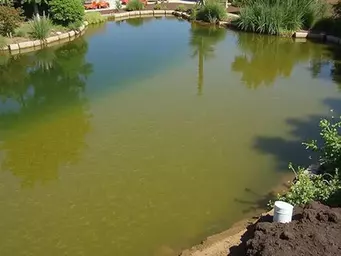
Algae populations directly affect pond pH through photosynthesis and respiration cycles. During daylight hours, dense algae blooms consume large amounts of carbon dioxide, driving pH levels upward sometimes exceeding 9.0. At night, algae respiration produces carbon dioxide, causing pH to drop significantly.
Manage algae populations through controlled fertilisation and feeding practices. Excessive organic loading from overfeeding promotes algae blooms that create unstable pH conditions. Feed your tilapia only what they can consume within 30 minutes, and remove uneaten feed to prevent organic buildup that fuels algae growth.
Introduce beneficial bacteria products or probiotics to compete with algae for nutrients whilst maintaining water quality. These products help decompose organic matter more efficiently, reducing the nutrient availability that supports excessive algae growth. A farmer in Tamale reduced pH fluctuations from 6.8-9.2 daily swings to stable 7.2-7.8 ranges by implementing probiotic treatments and controlled feeding schedules.
Monitoring Water Quality for Long-term Success
Regular Monitoring Practices
Establish a consistent pH monitoring schedule that fits your daily farm routine but provides adequate data for management decisions. Test pH at least twice weekly during normal conditions, increasing to daily testing during weather changes, after treatments, or when fish show stress signs. Record all measurements with dates, times, and weather observations in a dedicated logbook.
Create a simple monitoring system that tracks pH alongside other critical parameters. Record water temperature, dissolved oxygen levels, and fish behaviour observations with each pH measurement. This comprehensive approach helps you identify relationships between different water quality factors and make more informed management decisions.
Develop action thresholds that trigger specific responses based on your pH readings. When pH drops below 6.8 or rises above 8.2, increase monitoring frequency and prepare treatment materials. Readings below 6.5 or above 8.5 require immediate corrective action regardless of other factors.
| Monitoring Frequency | Trigger Conditions | Recommended Time |
|---|---|---|
| Twice Weekly | Normal conditions | Any time of day |
| Daily | Weather changes | Early morning (6:00-7:00 AM) |
| As needed | Fish show stress | Immediately |
Practical Tips for Integrated Water Quality Management
pH management works best as part of a comprehensive water quality strategy rather than an isolated practice. Monitor dissolved oxygen levels daily, maintaining readings above 5mg/L through proper stocking densities and feeding management. Low oxygen conditions worsen pH problems by increasing carbon dioxide production and fish stress levels.
Implement proper feeding schedules that support stable pH conditions. Feed your tilapia 2-3 times daily rather than single large meals, using high-quality feeds that produce less waste. Calculate feed amounts based on fish biomass, typically 3-4% of total fish weight daily for growing tilapia.
Plan your pond management activities around pH stability requirements. Schedule major activities like partial water changes, pond fertilisation, or organic matter additions during periods when you can monitor pH closely. Avoid multiple simultaneous changes that make it difficult to identify which factors affect pH levels.
Summary Table of Key Technical Data
The optimal pH range for tilapia farming spans 6.5 to 8.5, with best performance achieved between 7.0 and 8.0. This range supports efficient feed conversion, strong immune function, and successful reproduction across all common tilapia species including Nile, Blue, and hybrid varieties.
Test pond pH at minimum twice weekly during normal conditions, increasing to daily testing during weather changes, after treatments, or when observing fish stress. Conduct testing at consistent times, preferably early morning around 6:00-7:00 AM, to establish reliable baseline measurements for comparison and trend analysis.
Agricultural limestone dosage guidelines for raising pH include 50-75 kg per hectare to increase pH by 0.1 units, 75-100 kg per hectare to raise pH from 6.5 to 7.5, and 100-150 kg per hectare for corrections from 6.0 to 7.0. Always apply lime in multiple smaller applications rather than single large doses to avoid shocking fish with rapid pH changes.
For lowering excessive pH above 8.5, apply 10-20 kg elemental sulphur per hectare for 0.5-1.0 unit reductions, or implement partial water changes replacing 20-30% of pond volume with neutral pH water. Organic matter additions like rice bran or grass clippings provide gentler pH reduction through controlled decomposition processes.
Conclusion
Successful tilapia farming depends heavily on maintaining proper pond pH within the optimal range of 6.5 to 8.5. You now have the complete technical knowledge needed to test pH accurately using affordable tools, interpret results correctly, and implement appropriate corrective measures when needed. The key implementation points include regular monitoring with consistent timing, calculating proper lime dosages based on pond volume and pH targets, and integrating pH management with overall water quality practices.

Remember that pH management isn't a one-time activity but an ongoing process throughout your tilapia production cycles. Start with proper pond preparation including bottom liming, establish regular monitoring routines, and maintain detailed records that help you identify patterns and trends. Your investment in pH testing equipment and lime treatments pays dividends through improved fish health, faster growth rates, and higher survival percentages.
Apply this knowledge confidently in your tilapia farming operation, knowing that proper pH management provides the foundation for consistent, profitable production. Begin implementing regular pH testing immediately, and don't hesitate to take corrective action when readings fall outside the optimal range. Your tilapia will respond positively to stable water conditions, rewarding your careful attention to pH management with robust growth and healthy harvests that maximise your farming success.
Managing pond pH effectively is the cornerstone of successful tilapia farming, and you now possess the essential knowledge to master this critical aspect. The key actions to implement immediately are establishing a consistent testing schedule using affordable pH test kits, maintaining detailed records of your readings, and applying agricultural limestone at calculated dosages when pH drops below 6.5. Remember that gradual adjustments work better than dramatic corrections—limit pH changes to 0.3 units per week to avoid stressing your fish.
You have everything needed to maintain optimal pH conditions in your tilapia ponds. The techniques covered here aren't complex, but they do require consistent application and attention to detail. Like any farming skill, pH management becomes more intuitive with practice, and you'll soon develop the confidence to spot potential problems before they affect your fish health.
Start implementing regular pH monitoring this week, even if you begin with simple test strips. Document your baseline readings and observe how your pond's pH patterns change with weather, feeding, and seasonal variations. This knowledge forms the foundation for all other aspects of successful tilapia production.

Frequently Asked Questions
Why is it so important to maintain the correct pH range for my tilapia?
Maintaining the optimal pH range of 6.5 to 8.5 is crucial because it directly impacts your tilapia's health and growth. Incorrect pH levels cause stress, reduce appetite, slow growth rates, weaken their immune systems, and can even prevent successful breeding, directly affecting your harvest and income. Stable pH also influences how nutrients dissolve and the toxicity of compounds like ammonia.
How can I tell if my pond's pH is too low or too high without even testing?
While testing is essential, you might observe signs of stress in your tilapia if the pH is off. If pH is too low (acidic), their appetite will decrease, and they may be more susceptible to infections. If pH is too high (alkaline), you might see signs of ammonia poisoning like red gills, lethargy, and gasping at the surface, especially if dissolved oxygen is also low.
What's the best time of day to test my pond's pH to get the most accurate results?
You should test your pond pH at the same time each day for consistent and reliable results. Early morning testing, specifically around 6:00-7:00 AM before feeding, is recommended. This timing captures pH at its daily low point, providing the most conservative measurement for your management decisions.
My pond water source often has very high pH. How can I safely lower it for my tilapia without shocking them?
For high pH above 8.5, you can gradually lower it by adding organic matter like fresh grass clippings or rice bran, which decompose and produce acids. Alternatively, elemental sulphur (10-20 kg per hectare) can be applied, though its effects take 2-4 weeks. For immediate relief in severe cases, a partial water change (20-30% of pond volume) with lower pH water can be performed carefully.
Can I just dump a lot of agricultural lime into my pond at once if the pH is very low?
No, you should never dump a large amount of dry lime in one spot or attempt to raise pH rapidly. This creates alkaline hot spots that can harm your fish and shock them with sudden changes. Instead, broadcast agricultural limestone evenly over the pond surface or apply it as a slurry mixed with pond water. Limit pH increases to 0.3 units per week and never more than 1.0 unit in a single treatment.


Yomi Adisa Lead Researcher
Yomi Adisa is the lead researcher at Fish Farming Business, where he studies what makes aquaculture ventures profitable across Africa. His research focuses on market patterns, buyer preferences, and the business decisions that determine success or failure in fish farming.