Impact of Water Temperature on DO
- •Oxygen solubility decreases as temperature rises.
- •Optimal temp for tilapia: 24-30°C.
- •Monitor closely, implement cooling during heat.
Posted on: 2025-10-07
By: Yomi Adisa
Did you know that the success of tilapia farming hinges significantly on understanding their oxygen needs? Proper oxygen levels are crucial for their health, growth, and resilience against disease. Let's explore the essential insights that will empower your aquaculture practices!
Maintaining optimal dissolved oxygen levels is critical for healthy tilapia growth. The visual below highlights key factors influencing oxygen and best practices for management. For a deeper dive into optimizing your aquaculture setup, consider reading our post on optimizing aquaculture pond design.
Nile Tilapia
5-6 mg/L
Mozambique Tilapia
4-5 mg/L
Hybrid Tilapia
5-7 mg/L
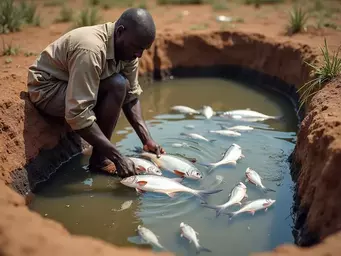
When it comes to raising tilapia, understanding their oxygen needs is absolutely crucial for their health and growth. In aquaculture, the right oxygen levels can make or break your success. Without sufficient dissolved oxygen, your tilapia are at risk of stress, disease, and even mortality. So, let’s dive into why oxygen levels matter so much for these fish!
Before we get too deep, it’s essential to recognize that tilapia thrive in environments where they can breathe easily. Ensuring optimal oxygen levels not only boosts their growth rates but also enhances their overall well-being. In the world of aquaculture, a little knowledge can lead to big results!
Optimal oxygen levels are vital for various physiological functions in tilapia. Fish use oxygen for metabolism, helping them grow and reproduce effectively. Without adequate oxygen, tilapia may experience stunted growth and increased susceptibility to diseases.
As you can see, maintaining the right oxygen levels is not just about keeping the fish alive; it’s about creating a thriving environment that promotes healthy growth and sustainable farming practices. For more detailed information on preventing common issues, check out our guide on common tilapia diseases and prevention.
Different species of tilapia have varying oxygen requirements. For instance, Oreochromis niloticus (Nile tilapia) typically thrives in water with dissolved oxygen levels above 5 mg/L. Meanwhile, Oreochromis mossambicus (Mozambique tilapia) may require slightly different conditions. Understanding these nuances can help you tailor your approach to their needs.
By familiarizing yourself with the precise requirements for the species you are cultivating, you can ensure a more productive and healthy farming operation.
The temperature of your pond water plays a significant role in the amount of oxygen it can hold. As water warms, its ability to retain oxygen decreases. This means during hot weather, it's crucial to monitor your oxygen levels closely to avoid potential crises.
Recognizing the relationship between temperature and oxygen can help you take proactive measures to maintain a stable environment for your tilapia, ensuring they remain healthy and productive.
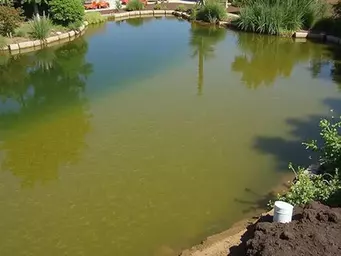
Organic matter in your pond can significantly impact oxygen levels. As it decomposes, it consumes oxygen, creating a potentially harmful environment for your tilapia. Regularly managing organic waste is key to maintaining a healthy balance of dissolved oxygen.
By staying on top of organic matter management, you’ll help ensure that your tilapia have the oxygen they need to thrive!
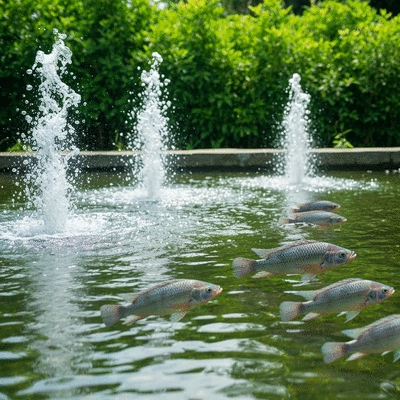
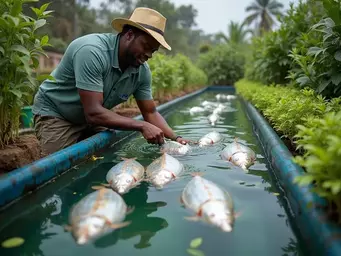
To further enhance oxygen levels in your tilapia ponds, consider implementing a regular aeration schedule. Using aerators during peak temperature hours can significantly improve dissolved oxygen levels, ensuring your tilapia thrive even in warmer months. Additionally, integrating natural vegetation along the pond edges can create a balanced ecosystem that supports oxygen production.
Maintaining healthy oxygen levels in your tilapia ponds is vital for the fish's growth and overall health. To achieve this, routine pond management is key. By implementing best practices, you can ensure that your tilapia thrive in a well-oxygenated environment. Let's dive into some essential strategies!
One of the most critical factors impacting oxygen levels is the stocking density of your tilapia. Overcrowding can lead to competition for oxygen and resources, ultimately stressing your fish. Here are some best practices to consider:
By following these practices, you can help maintain adequate oxygen levels and ensure your tilapia have enough space to grow healthy and strong. For more insights on efficient farming practices, visit our aquaculture techniques blog.
As an aquaculture expert, I've learned that tilapia farming is not one-size-all. Different seasons bring varying challenges that can affect your pond's oxygen levels. Here are some adjustments to consider:
By adapting your management practices to the seasons, you can enhance your tilapia's health and maintain favorable oxygen levels. Further information on climate-resilient farming techniques can be found on our resources page.
Water circulation plays a crucial role in maintaining dissolved oxygen levels in your ponds. Stagnant water can lead to low oxygen and poor water quality. Here are some effective methods to promote circulation:
By prioritizing water circulation, you're taking proactive steps to ensure your tilapia have the oxygen they need to thrive. Discover more about essential equipment in our guide to essential aquaculture equipment.
In summary, maintaining healthy oxygen levels for tilapia requires diligent management and attention to detail. Let's recap some key strategies that can make a difference in your aquaculture journey.
These actionable tips are essential for every rural tilapia farmer aiming for success!
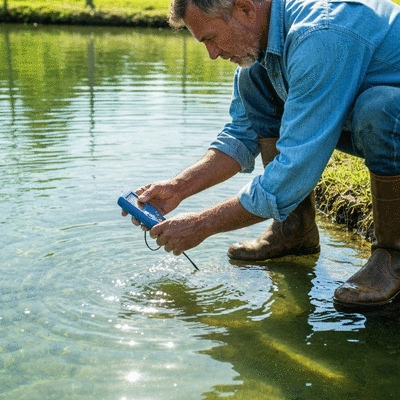
Active monitoring of your pond's conditions is crucial. Use simple tools to regularly check oxygen levels and adjust your management practices as needed. Remember, adaptive management allows you to respond to changes in your pond environment effectively!
Finally, consider involving your local community in sustainable aquaculture initiatives. Sharing knowledge and resources can strengthen the farming community, promote best practices, and ultimately enhance the success of tilapia farming in Africa. Together, we can create a sustainable future for all!
Here is a quick recap of the important points discussed in the article:
Yomi Adisa Lead Researcher
Yomi Adisa is the lead researcher at Fish Farming Business, where he studies what makes aquaculture ventures profitable across Africa. His research focuses on market patterns, buyer preferences, and the business decisions that determine success or failure in fish farming.
New to Tilapia Farming? Confused where to start with our articles?
Start Here - Get Your Learning Path →
FREE guides, tools & resources to help you run a more profitable fish farming business.