Emergency Water Quality Problems in Tilapia Ponds: Quick Fixes for Farmers
Posted on: 2025-11-17
By: Yomi Adisa
Table of Contents
You've built your tilapia pond, stocked it with healthy fingerlings, and started feeding regularly—yet your fish keep dying unexpectedly.
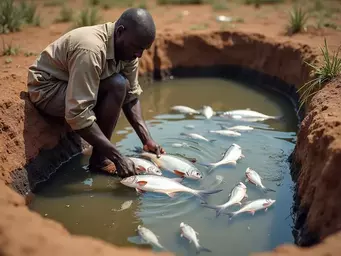
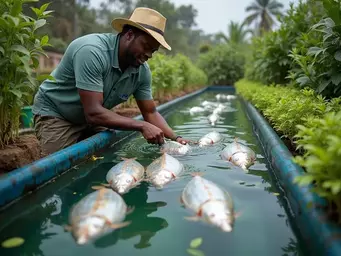
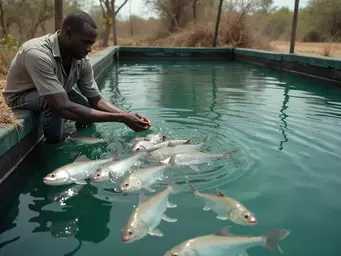
The water looks clear, the fish seemed fine yesterday, but this morning you're pulling out dead tilapia with no obvious explanation.
This heartbreaking scenario plays out on farms across Africa, often destroying months of hard work and investment.
Disease outbreaks are one of the biggest threats to profitable tilapia farming, whether you're raising Nile tilapia or Blue tilapia. What makes diseases particularly dangerous is that they often strike without warning, spreading rapidly through your entire stock before you can react.
Understanding how to prevent, identify, and treat common tilapia diseases can mean the difference between a successful harvest and devastating losses.
This comprehensive guide will teach you the essential disease management strategies every tilapia farmer needs to know. You'll learn how to recognise early warning signs, implement prevention measures that actually work, and respond quickly when disease strikes your pond.
🎯 What You'll Learn
- How to monitor and maintain critical water quality parameters for tilapia health.
- Effective emergency responses to common water quality crises in tilapia ponds.
- Sustainable practices that enhance tilapia farming profitability and environmental health.
Understanding Water Quality in Tilapia Ponds
You cannot see dissolved oxygen levels with your eyes, yet they determine whether your tilapia thrive or die overnight. Water quality is the invisible foundation of successful tilapia farming—when it's right, your fish grow fast and stay healthy, but when it deteriorates, even the hardiest Nile tilapia can succumb to stress and disease within hours.
Most tilapia farmers across Africa focus on feeding and stocking but overlook the water chemistry that makes everything else possible. Your pond water is a complex ecosystem where oxygen, pH, ammonia, and temperature interact constantly. Small changes in these parameters can trigger massive fish kills, especially during hot weather when dissolved oxygen drops naturally.
Understanding these key water quality factors will help you prevent the devastating losses that destroy so many tilapia operations. Here's what you need to monitor and why each parameter matters for your fish's survival.
Key Parameters to Monitor
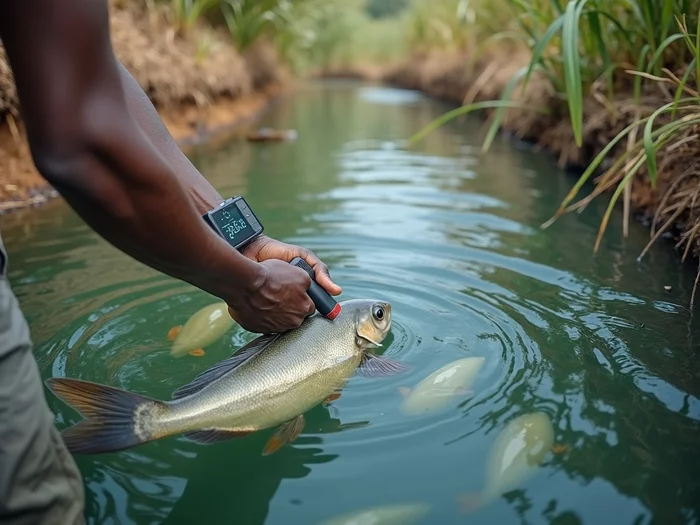
You need to track five critical water quality parameters that directly affect tilapia health and growth rates. pH levels should stay between 6.5-8.5 for optimal tilapia performance, with Nile tilapia (Oreochromis niloticus) tolerating wider pH swings than Blue tilapia (Oreochromis aureus). Most tilapia farmers in Kenya find their pond pH naturally sits around 7.0-7.5, which is perfect for both species.
Dissolved oxygen (DO) is your most critical measurement—you must maintain levels above 5 mg/L for healthy growth. During hot afternoons in Nigeria or Ghana, DO levels can crash below 3 mg/L, causing tilapia to gasp at the surface and stop feeding. Simple DO test kits cost around KES 3,000 in Nairobi agricultural stores and take just two minutes to use.
Ammonia toxicity kills more tilapia than any other water quality problem, so keep NH3 levels below 0.02 mg/L at all times. Nitrite should stay under 0.1 mg/L, while nitrate levels below 40 mg/L are acceptable. You can buy basic test strips from agricultural suppliers in Lagos or Kampala for ₦2,500-4,000 that measure all three nitrogen compounds simultaneously.
Causes of Poor Water Quality
Overfeeding destroys water quality faster than any other management mistake you can make. When you dump too much feed into your pond, uneaten pellets sink to the bottom and decompose, consuming oxygen and releasing toxic ammonia. Feed only 2-3% of your tilapia's total body weight daily, split into two or three smaller meals rather than one large feeding.
Inadequate aeration kills tilapia during hot weather when natural oxygen levels drop below critical thresholds. Your pond needs mechanical aeration when water temperatures exceed 28°C, especially in shallow earthen ponds common across Uganda and Tanzania. A simple paddlewheel aerator costs around UGX 800,000 but can save thousands of fingerlings during oxygen crashes.
Seasonal rainfall brings runoff contaminated with fertilisers, pesticides, and soil particles that rapidly alter your pond's water chemistry. Farmers in Zambia often lose entire stocks during heavy rains when agricultural chemicals wash into their ponds. You can prevent this by building small earth berms around your pond perimeter and planting grass buffer strips to filter incoming water.
Impact of Water Quality on Tilapia Health
Poor water quality creates chronic stress that makes your tilapia vulnerable to bacterial infections, parasites, and viral diseases. When dissolved oxygen drops below 4 mg/L for more than a few hours, tilapia immune systems weaken dramatically, allowing normally harmless bacteria to cause deadly outbreaks. Stressed fish also convert feed poorly, meaning you'll spend more on pellets for slower growth.
Growth rates plummet when water parameters fall outside optimal ranges—tilapia growing at 2g per day in good water may gain only 0.5g daily in poor conditions. Egyptian tilapia farmers report 40-50% slower growth during summer months when high temperatures and low oxygen stress their fish. This extended growing period increases your production costs and delays harvest income.
Mortality rates spike dramatically when multiple water quality problems occur simultaneously, such as high ammonia combined with low oxygen during hot weather. A farmer in Kisumu lost 800 tilapia worth KES 64,000 when ammonia levels spiked during a power outage that stopped his aerators. You can avoid such disasters by maintaining backup aeration and testing water quality twice daily during critical periods.
Quick Fixes for Emergency Water Quality Problems
When your tilapia start gasping at the surface at 5 AM, you don't have time to wait for laboratory test results or order specialised equipment online. Emergency water quality problems demand immediate action—every minute you delay increases fish mortality and threatens your entire investment. The difference between losing 50 fish and losing 500 often comes down to recognising the crisis quickly and applying the right emergency treatment within the first hour.
Most water quality emergencies in tilapia ponds follow predictable patterns that you can learn to identify and treat with materials available at your local agricultural store or even household supplies. Oxygen crashes during hot nights, ammonia spikes after heavy feeding, and pH swings during rainy seasons are the three most common emergencies that destroy tilapia stocks across Africa. Understanding these patterns and having emergency supplies ready can save thousands of shillings worth of fish.
The key to successful emergency response is speed combined with the right treatment approach. You cannot fix everything at once, so you must prioritise the most life-threatening problems first—typically dissolved oxygen, then ammonia, then pH adjustments. Here's how to identify what's killing your fish and stop it immediately.
Identifying Immediate Issues
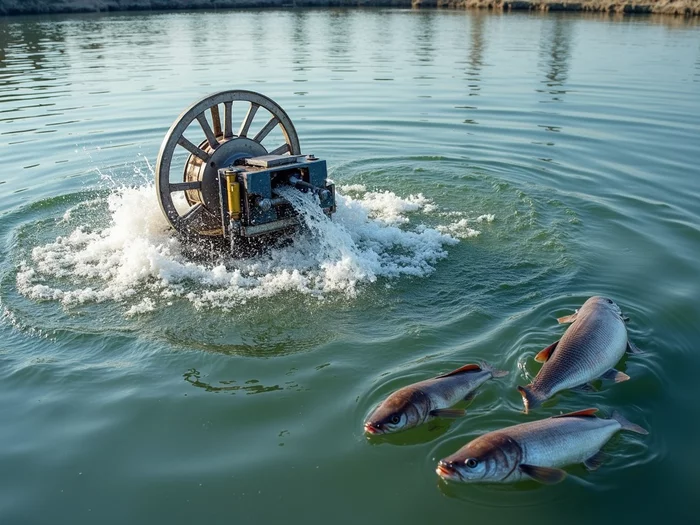
Your tilapia will tell you exactly what's wrong with your water if you know how to read their behaviour. Fish gasping at the surface, especially during early morning hours, indicates critically low dissolved oxygen levels that require immediate aeration. When you see this behaviour, test DO levels immediately—if they're below 3 mg/L, you have less than two hours before significant mortality begins.
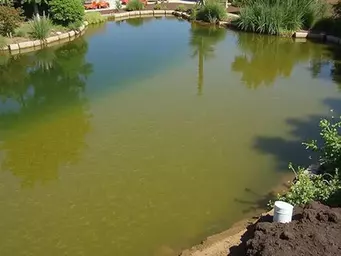
Water colour changes reveal different emergency situations that demand specific responses. Green water indicates algal blooms that consume oxygen at night, while brown or muddy water suggests runoff contamination that may contain pesticides or fertilisers. Farmers in Mombasa report that sudden water colour changes during the rainy season often precede major fish kills within 6-12 hours.
Quick-testing kits available in Nairobi for KES 2,500 can give you pH, ammonia, and dissolved oxygen readings in under five minutes. Keep these kits in waterproof containers near your pond—during emergencies, you cannot afford to search for testing supplies. Blue tilapia show stress signs faster than Nile tilapia, so if you're raising mixed species, watch the Blue tilapia for early warning indicators.
⚠️ Warning: Don't Panic and Overdose
Many farmers kill more fish with emergency treatments than the original problem would have caused. Never add more than the recommended dose of any chemical treatment, even during emergencies—stressed tilapia are more sensitive to chemical changes than healthy fish.
Chemical Treatments and Adjustments
Agricultural lime (calcium carbonate) can raise dangerously low pH levels within 30 minutes, but you must calculate dosages carefully to avoid shocking your fish. Add 50g of lime per 1,000 litres of pond water to raise pH by approximately 0.5 units—dissolve the lime in a bucket first, then distribute it evenly around your pond perimeter. Farmers in Kakamega successfully use this method during acidic runoff events that drop pH below 6.0.
Common salt (sodium chloride) provides immediate stress relief for tilapia suffering from ammonia poisoning or pH shock. Mix 1-2kg of salt per 1,000 litres of pond water and distribute it gradually over 15-20 minutes to avoid osmotic shock. This concentration reduces stress without harming beneficial bacteria in your pond, and both Nile and Blue tilapia tolerate salt treatments well.
Commercial ammonia detoxifiers available in Lagos agricultural stores for ₦3,500-5,000 can neutralise toxic ammonia within minutes of application. Follow package directions exactly—typically 10ml per 100 litres of pond water—and retest ammonia levels after one hour to confirm treatment effectiveness. These products work by converting toxic ammonia (NH3) into less harmful ammonium (NH4+) that your biofilter can process normally.
Biological Solutions and Probiotics
Emergency probiotic treatments can restore beneficial bacteria populations that crash during water quality crises, helping your pond recover faster from ammonia spikes or antibiotic treatments. Mix commercial aquaculture probiotics with pond water in a separate container, then distribute the mixture evenly across your pond surface. Farmers in Kisii report that probiotic treatments reduce recovery time from water quality emergencies by 3-5 days.
Enzyme treatments accelerate the breakdown of organic waste that often triggers emergency situations, particularly after overfeeding or during hot weather when decomposition rates increase. Add liquid enzymes at 5ml per 100 litres of pond water during the cooler evening hours to avoid shocking stressed fish. These biological solutions work slower than chemical treatments but provide longer-lasting water quality improvements.
Beneficial bacteria supplements can be applied immediately after chemical treatments to restore biological filtration capacity in your pond. Nile tilapia benefit more from probiotic treatments due to their efficient feed conversion, but both species show improved growth rates and disease resistance when beneficial bacteria populations are maintained at optimal levels through regular supplementation.
Preventative Measures for Maintaining Optimal Water Quality
Prevention costs far less than emergency treatments, yet most tilapia farmers across Africa only test their water after fish start dying. By the time you notice stressed behaviour or mortality, your water quality has already deteriorated beyond safe levels, potentially costing you weeks of growth and hundreds of fingerlings. Smart farmers understand that consistent monitoring and proactive management prevent the devastating losses that destroy profitability.
Maintaining optimal water quality requires establishing simple routines that become second nature, much like feeding your fish daily. The most successful tilapia operations in Kenya and Nigeria follow strict monitoring schedules that catch problems before they become emergencies. These farmers spend 15 minutes daily on water quality checks but avoid the heartbreak and financial losses of major fish kills.
Building prevention into your daily management routine protects your investment and maximises growth rates throughout the production cycle. Here's how to create a sustainable water quality management system that works with limited resources and busy farming schedules.
Regular Monitoring and Testing
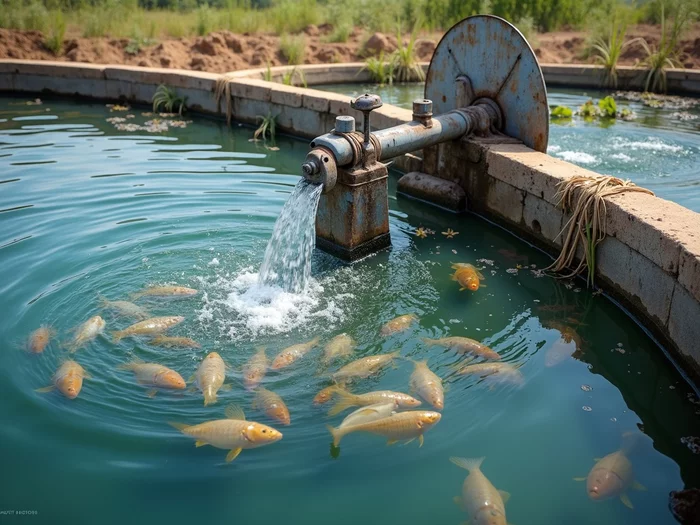
You must test your pond water at the same time each day to establish reliable baseline readings that help you spot dangerous trends before they kill fish. Test dissolved oxygen levels every morning between 6-7 AM when they're naturally lowest—if DO drops below 4 mg/L at this time, you need immediate aeration before afternoon temperatures rise. Keep a simple logbook recording daily pH, DO, and weekly ammonia readings to identify patterns that predict problems.
Invest in a basic water testing kit costing KES 3,500-5,000 from agricultural suppliers in Nairobi or Lagos that measures pH, ammonia, nitrite, and dissolved oxygen. These kits pay for themselves by preventing a single fish kill—one farmer in Mombasa saved 600 tilapia worth KES 48,000 by catching an ammonia spike early through routine testing. Replace test reagents every six months and store kits in cool, dry locations to maintain accuracy.
Create a simple monitoring schedule that fits your daily routine: test DO and pH every morning, check ammonia twice weekly, and record water temperature daily. Farmers in Kampala who follow this schedule report 40% fewer disease outbreaks compared to those who test only when problems appear. Both Nile and Blue tilapia benefit from consistent water conditions, but Blue tilapia show stress signs faster when parameters fluctuate.
Effective Feeding Practices
Overfeeding destroys water quality faster than any other management mistake, yet many farmers believe more feed equals faster growth. Feed only 2-3% of your tilapia's total body weight daily, split into two or three smaller meals rather than dumping everything at once. Uneaten feed decomposes rapidly in tropical temperatures, consuming oxygen and releasing toxic ammonia that can kill your entire stock within 24 hours.
Use floating pellets whenever possible so you can observe how much feed your fish actually consume and adjust portions accordingly. Stop feeding immediately when tilapia lose interest or feed remains on the surface after 15 minutes—this indicates either overfeeding or water quality problems that require immediate attention. Farmers in Kisumu report 30% better feed conversion rates when they monitor consumption carefully and adjust feeding based on fish behaviour.
Reduce feeding by 50% during hot weather when dissolved oxygen levels drop naturally, as stressed tilapia cannot digest food properly and excess feed will worsen water quality. Nile tilapia are more aggressive feeders than Blue tilapia, so mixed-species ponds require careful observation to ensure both species receive adequate nutrition without overfeeding. Skip feeding entirely if water temperatures exceed 32°C or if fish show any signs of stress or disease.
Aeration and Circulation Techniques
Your pond needs mechanical aeration when water temperatures exceed 28°C or when stocking densities reach 2-3 fish per square metre, regardless of how clear the water appears. Simple paddlewheel aerators costing UGX 800,000-1,200,000 can prevent oxygen crashes that kill thousands of fingerlings during hot nights. Run aerators from 10 PM to 6 AM when natural oxygen production stops and fish respiration continues consuming available DO.
Build a simple windmill aerator using local materials if electricity costs are prohibitive—farmers in rural Uganda successfully use car tyres, PVC pipes, and bicycle parts to create effective wind-powered aeration systems. Position aerators to create circular water movement that prevents dead zones where waste accumulates and oxygen levels drop. Even basic surface agitation from a small pump can increase oxygen levels by 20-30% during critical periods.
Install backup aeration systems before you need them, as oxygen crashes often occur during power outages when electric aerators fail. Battery-powered air pumps designed for aquariums can provide emergency aeration for 6-8 hours, giving you time to arrange alternative power sources. Farmers in Nairobi who invested in backup aeration report zero fish losses during power outages, while those without backup systems lost an average of 200-400 tilapia per incident.
💡 Pro Tip: Early Morning DO Testing
Test dissolved oxygen at 6 AM every day—this is when levels are naturally lowest. If DO is above 5 mg/L at this time, your pond will maintain healthy oxygen levels throughout the day. If it's below 4 mg/L, start aeration immediately before afternoon temperatures rise.
Algae Control Strategies in Tilapia Ponds
That green film covering your pond surface might look harmless, but algae can shift from beneficial oxygen producer to deadly fish killer within 24 hours. During daylight, algae photosynthesis produces oxygen that supports tilapia growth, but at night these same algae consume massive amounts of oxygen, potentially suffocating your entire stock. Understanding how to manage algae populations—rather than eliminate them completely—is crucial for maintaining stable water quality.
Algae problems intensify during hot weather when nutrients concentrate and sunlight penetration increases, creating perfect conditions for explosive algal blooms. Farmers across Nigeria and Ghana report their worst fish kills during March-May when temperatures peak and algae growth accelerates rapidly. The key is maintaining balanced algae populations that provide benefits without creating dangerous oxygen swings.
Effective algae management combines prevention, natural control methods, and targeted treatments that maintain ecological balance in your pond. Here's how to harness algae as an ally while preventing the devastating blooms that destroy tilapia operations.
Types of Algae and Their Effects
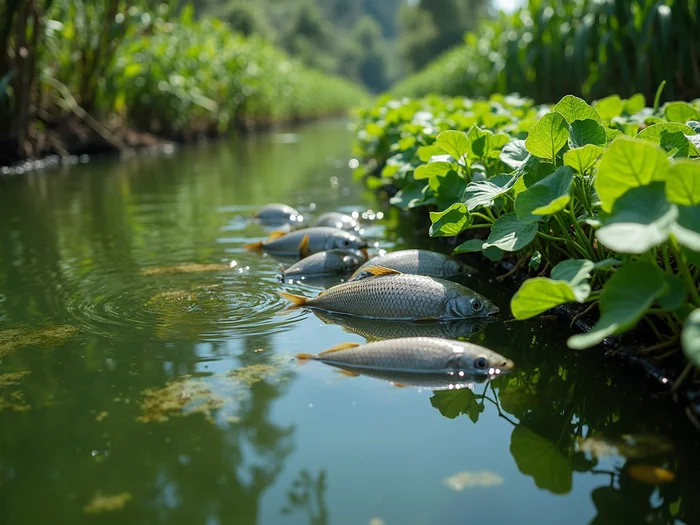
Green water algae (phytoplankton) actually benefit your tilapia by producing oxygen during daylight hours and serving as natural food for fingerlings under 50g. These microscopic algae give pond water a light green tint that indicates healthy biological activity—completely clear water often signals poor pond fertility that limits natural food production. Nile tilapia fingerlings consume phytoplankton directly, reducing feed costs during the first 6-8 weeks after stocking.
Filamentous algae create thick mats on pond surfaces that block sunlight and trap decomposing organic matter underneath, creating anaerobic zones that produce toxic hydrogen sulphide gas. These stringy algae masses indicate excessive nutrients from overfeeding or poor waste management—farmers in Mombasa report that filamentous algae problems always follow periods of heavy feeding or inadequate water circulation.
Blue-green algae (cyanobacteria) produce potent toxins that can kill tilapia within hours of bloom formation, making them the most dangerous algae type in aquaculture ponds. These algae form scums that smell musty or fishy and often appear during hot, calm weather when water circulation stops. If you suspect blue-green algae, stop feeding immediately and increase aeration—never apply chemical treatments during active blooms as dying algae release concentrated toxins.
Natural Methods for Algae Management
Plant water hyacinth or water lettuce around 20-30% of your pond perimeter to compete with algae for nutrients while providing natural shading that limits excessive algae growth. These floating plants absorb nitrogen and phosphorus that would otherwise fuel algal blooms, and their roots provide hiding places for young tilapia. Farmers in Lake Victoria regions successfully use water hyacinth to control algae while creating additional income from harvested plants used as livestock feed.
Install simple shade structures over 40-50% of your pond surface using local materials like palm fronds or shade cloth to reduce sunlight penetration that drives algae photosynthesis. Partial shading maintains beneficial algae populations while preventing explosive blooms during peak sunlight hours. Farmers in northern Ghana report 60% fewer algae problems after installing bamboo shade structures that cost less than GHS 200 per pond.
Introduce grass carp (triploid sterile fish) at 50-100 fish per hectare to consume filamentous algae and aquatic weeds without competing with tilapia for commercial feed. These biological control agents work continuously to maintain plant balance and reduce manual algae removal labour. However, avoid grass carp in ponds with beneficial aquatic plants you want to preserve, as they cannot distinguish between desirable and undesirable vegetation.
Chemical Control Options
Copper sulphate effectively kills algae at 0.5-1.0 mg/L concentration, but you must calculate dosages precisely based on pond volume and apply treatments during cool morning hours to avoid oxygen crashes from decomposing algae. Test water hardness first—soft water requires lower copper doses to avoid toxicity to tilapia. Never exceed 1.0 mg/L copper concentration, as both Nile and Blue tilapia show stress symptoms at higher levels.
Potassium permanganate at 2-4 mg/L concentration provides safer algae control with less risk of fish toxicity, but costs more than copper treatments and requires careful handling to avoid skin and clothing stains. Apply permanganate treatments in sections, treating 25% of pond area daily over four days to maintain oxygen levels and allow fish to move to untreated areas if needed. Agricultural suppliers in Dar es Salaam stock permanganate specifically formulated for aquaculture use.
Hydrogen peroxide offers the safest chemical algae control option at 10-25 mg/L concentration, breaking down into harmless water and oxygen within 24 hours of application. This treatment actually increases dissolved oxygen levels while killing algae, making it ideal for emergency situations where algae blooms threaten fish survival. Apply hydrogen peroxide during early morning hours and maintain aeration throughout treatment to distribute the chemical evenly and prevent localised high concentrations.
Best Practices for Sustainable Tilapia Farming
Sustainable tilapia farming isn't just about protecting the environment—it's about building a profitable operation that produces healthy fish year after year without depleting your resources or degrading your pond ecosystem. The most successful tilapia farmers across Africa have learned that working with natural processes, rather than fighting them, creates more stable production systems that require fewer expensive inputs and generate higher long-term profits.
Sustainability in tilapia farming means creating closed-loop systems where waste becomes resources, natural processes handle water treatment, and biological controls replace expensive chemicals. Farmers in Egypt and Kenya who embrace these principles report 30-40% lower operating costs and more consistent harvests compared to those relying heavily on external inputs. These systems also prove more resilient during economic downturns when feed and chemical prices spike.
Building sustainability into your tilapia operation requires understanding how different components work together to create a balanced ecosystem that supports fish health while minimising environmental impact. Here's how to design and manage systems that benefit both your bottom line and the broader environment.
Integrating Biofilters and Natural Remediation
Construct simple biofilters using locally available materials like gravel, sand, and plastic containers to convert toxic ammonia into harmless nitrates that actually fertilise beneficial algae and aquatic plants. A basic biofilter for a 100m² pond costs less than KES 8,000 to build using 200-litre drums, PVC pipes, and gravel from local suppliers. Water flows through graded media where beneficial bacteria break down fish waste, returning clean water to your pond continuously.
Create constructed wetlands adjacent to your tilapia ponds using native plants like papyrus or cattails that absorb excess nutrients while providing additional income from harvested materials. These wetland systems handle 80-90% of nitrogen and phosphorus removal naturally, eliminating the need for expensive water changes or chemical treatments. Farmers near Lake Victoria successfully integrate wetland systems that process pond water while producing materials for basket weaving and construction.
Establish beneficial bacteria colonies in your biofilter by adding commercial bacterial supplements monthly or introducing established filter media from healthy ponds. These bacteria populations require 4-6 weeks to fully establish but then provide continuous water treatment that improves with age. Both Nile and Blue tilapia benefit from stable water chemistry that biofilters provide, showing improved feed conversion and disease resistance in biologically filtered systems.

Stocking Density and Management Techniques
Stock Nile tilapia at 2-3 fish per square metre for optimal growth rates and water quality maintenance, while Blue tilapia require slightly lower densities of 1.5-2.5 fish per square metre due to their higher sensitivity to crowding stress. Higher stocking densities may seem profitable initially but lead to slower growth, increased disease risk, and higher mortality that ultimately reduces total harvest weight. Farmers in Kisumu achieve best results with 2.5 Nile tilapia per square metre in well-aerated ponds.
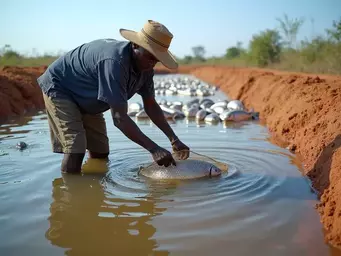
Implement regular size grading every 4-6 weeks to separate fast-growing fish from slower individuals, reducing competition and allowing targeted feeding strategies that improve overall feed efficiency. Use simple grading nets with 2.5cm, 3.5cm, and 5cm mesh sizes to sort fish into uniform size groups. This practice increases average harvest weight by 15-20% and reduces the production cycle by 2-3 weeks compared to mixed-size populations.
Practise selective harvesting by removing market-size fish (300-500g) continuously rather than waiting for complete pond harvest, maintaining optimal stocking density while generating steady income throughout the production cycle. This approach requires accurate record-keeping but allows you to restock with fingerlings immediately, maximising pond productivity. Farmers in Nakuru report 25% higher annual production using continuous harvest methods compared to traditional batch harvesting.
Seasonal Considerations and Environmental Factors
Adjust feeding schedules and stocking densities based on seasonal temperature patterns—reduce feeding by 30-40% during cool months when tilapia metabolism slows, and increase aeration during hot seasons when oxygen solubility decreases. Plan fingerling stocking to avoid peak hot seasons when stress and mortality rates increase significantly. Farmers in northern Nigeria time their stocking for October-November to avoid the intense heat of March-May.
Prepare for seasonal rainfall by constructing drainage channels and settling ponds that prevent contaminated runoff from entering your tilapia ponds during heavy rains. Install simple overflow systems that maintain consistent water levels while allowing excess water to drain safely. These preparations prevent the devastating fish kills that occur when agricultural chemicals and soil particles wash into ponds during storm events.
Monitor local weather patterns and adjust management practices accordingly—increase feeding before cold fronts when tilapia appetites peak, and reduce stocking densities during predicted drought periods when water quality management becomes more challenging.
Successful farmers in Tanzania maintain detailed records of seasonal patterns that help them predict optimal timing for stocking, harvesting, and pond maintenance activities. Both Nile and Blue tilapia show improved survival rates when management practices align with natural seasonal cycles rather than fighting against environmental conditions.
When you master these sustainable practices, you'll see direct improvements in your feed conversion efficiency and overall profitability as healthy tilapia grow faster with lower mortality rates.
| Parameter | Optimal Range | Frequency | Action if Outside Range |
|---|---|---|---|
| Dissolved Oxygen (DO) | > 5 mg/L | Daily (6-7 AM) | Aerate immediately if < 4 mg/L |
| pH | 6.5 - 8.5 | Weekly | Adjust with lime if < 6.0 |
| Ammonia (NH3) | < 0.02 mg/L | Weekly | Use detoxifiers if > 0.02 mg/L |
| Feeding Rate | 2-3% of body weight | Daily | Stop feeding if fish lose interest |
| Aeration | When > 28°C | As needed | Install backup systems |
Conclusion
Maintaining optimal water quality is the foundation of profitable tilapia farming, whether you're raising Nile or Blue tilapia. By testing dissolved oxygen, pH, and ammonia levels regularly, you prevent the devastating fish kills that destroy months of investment. Remember that prevention costs far less than emergency treatments—15 minutes of daily monitoring protects your entire stock.
You now have practical knowledge to implement effective water quality management using locally available materials and testing kits. Start with simple daily observations and twice-weekly parameter testing. Your skills will develop as you learn to read your pond conditions and respond quickly to changes.
As you master water quality fundamentals, focus next on integrating sustainable feeding practices and natural filtration systems. These elements work together—good water quality ensures efficient feed conversion, while proper feeding prevents water contamination. Your tilapia operation will become more resilient and profitable as you apply these integrated management approaches consistently.
Frequently Asked Questions
What if I don't have a water testing kit during an emergency?
If you lack a test kit, observe your tilapia closely. Gasping at the surface, especially in the morning, strongly indicates low dissolved oxygen; immediately increase aeration. Sudden changes in water colour or a strong ammonia smell also signal critical issues that require immediate action like partial water changes or adding common salt for stress relief.
How often should I change my pond water to maintain good quality?
Regular partial water changes (10-20% weekly) can help dilute accumulated wastes and refresh oxygen levels, especially if you don't have robust aeration or biofiltration. However, with good feeding practices, consistent aeration, and perhaps a biofilter, you might only need to top up water lost to evaporation, rather than frequent large changes.
Can I use household bleach to control algae in my tilapia pond?
No, you should never use household bleach to control algae in a tilapia pond. Bleach contains chlorine, which is highly toxic to fish and beneficial bacteria, even in small amounts. Stick to recommended aquaculture-grade treatments like copper sulphate, potassium permanganate, or hydrogen peroxide, applied carefully according to dosage instructions.
Why is it important to reduce feeding during hot weather or when fish are stressed?
During hot weather, water holds less dissolved oxygen, and stressed tilapia have reduced appetites and digestion. Overfeeding at these times means more uneaten food decomposes, consuming precious oxygen and releasing toxic ammonia, which can quickly lead to fish kills. Reducing feed helps prevent this deterioration of water quality.
What's the difference between using lime and salt for emergency water quality issues?
Lime (calcium carbonate) primarily raises low pH levels, making acidic water more alkaline. Common salt (sodium chloride), on the other hand, helps reduce stress in tilapia suffering from ammonia poisoning or pH shock by balancing their internal osmotic pressure. Both are useful but address different underlying problems, so use them based on your specific water test results or observed fish behaviour.


Yomi Adisa Lead Researcher
Yomi Adisa is the lead researcher at Fish Farming Business, where he studies what makes aquaculture ventures profitable across Africa. His research focuses on market patterns, buyer preferences, and the business decisions that determine success or failure in fish farming.