Blue Tilapia: Comprehensive Guide to Farming and Characteristics
Posted on: 2025-11-17
By: Yomi Adisa
Blue tilapia stands as one of Africa's most resilient aquaculture species, thriving where other tilapias struggle and offering farmers a reliable path to sustainable fish production. Unlike its more famous cousin the Nile tilapia, blue tilapia excels in cooler waters and variable conditions, making it particularly valuable for farmers in highland regions or areas with seasonal temperature fluctuations.
This comprehensive profile will equip you with the biological knowledge and practical insights needed to successfully farm this adaptable species, from understanding its unique characteristics to optimising your production systems.
In This Guide
- → Introduction: The Importance of Blue Tilapia for African Fish Farming
- → Species Identification: Recognising Blue Tilapia
- → Biology & Natural Behaviour: Understanding Blue Tilapia's Habitat and Feeding
- → Reproduction & Life Cycle: Breeding Blue Tilapia
- → Why Farmers Choose Blue Tilapia: Production Benefits and Market Insights
- → Farming Considerations: Best Practices for Raising Blue Tilapia
- → How Blue Tilapia Compares to Related Species
- → Conclusion: Key Takeaways for Fish Farmers
Overview of Aquaculture in Africa
Aquaculture has emerged as Africa's fastest-growing food production sector, contributing over 2.1 million tonnes annually to the continent's protein supply.
Countries like Nigeria, Egypt, and Uganda have seen aquaculture production increase by 15-20% annually over the past decade, driven by rising populations and declining wild fish stocks.
The sector directly employs over 2.5 million people across Africa, from fingerling producers in Ghana's Ashanti region to commercial farmers in Kenya's Central Province.
For smallholder farmers particularly, fish farming offers a pathway to food security and income generation that requires relatively modest initial investment compared to livestock farming.
However, many African farmers face challenges with species selection. Temperature fluctuations, water quality variations, and limited access to specialised feeds can make conventional tilapia farming unpredictable. This is where blue tilapia's exceptional adaptability becomes invaluable.
Role of Blue Tilapia in Sustainable Fish Farming
Blue tilapia offers African farmers what many describe as "insurance against uncertainty." Its ability to survive temperatures as low as 8°C means your stock won't perish during unexpected cold snaps that devastate Nile tilapia operations. This temperature tolerance extends your farming season and reduces total production risk.
The species' primarily herbivorous diet significantly reduces feed costs. Where Nile tilapia requires expensive protein-rich feeds, mature blue tilapia thrives on 25-30% protein feeds supplemented with agricultural by-products and pond-grown algae. This translates to 20-30% lower feeding costs over a full production cycle.
Market demand for blue tilapia continues growing, particularly in aquaponics systems where its plant-friendly waste production creates ideal growing conditions for vegetables. Commercial aquaponics operations in South Africa and Kenya report 15-25% higher vegetable yields when using blue tilapia compared to other species.
Species Identification: Recognising Blue Tilapia
![]()
Scientific Classification
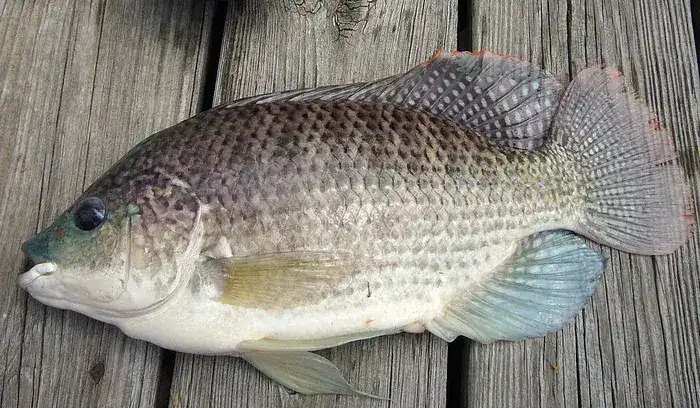
Blue tilapia's scientific name Oreochromis aureus places it firmly within the cichlid family alongside its commercially important relatives. The genus name Oreochromis translates to "mountain colour," reflecting the species' natural highland distribution and distinctive colouration.
Common names vary across Africa. In South Africa, you'll hear "blue kurper," while East African farmers often use "blue tilapia" or simply "blue fish." Some Nigerian farmers call it "cold-water tilapia" due to its temperature tolerance. Regardless of local names, the distinctive blue-grey colouration makes identification straightforward.
Within the Cichlidae family, blue tilapia shares the characteristic mouth-brooding behaviour and robust body structure that makes tilapias excellent aquaculture candidates. However, its specific adaptations for cooler water and herbivorous feeding distinguish it from its relatives.
<Distinguishing Physical Features
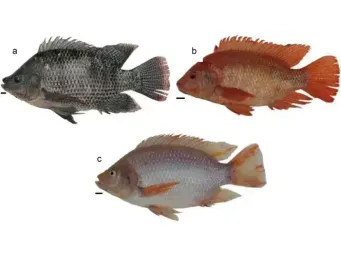
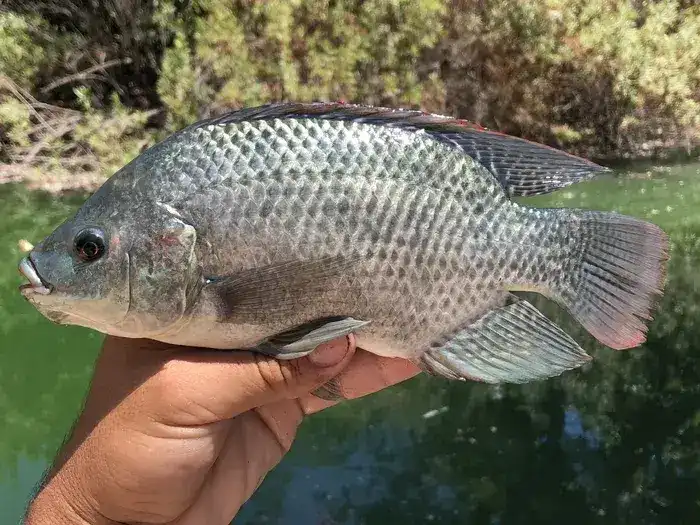
Adult blue tilapia display a distinctive blue-grey body colour with subtle metallic highlights that intensify during breeding season. This colouration differs markedly from Nile tilapia's olive-brown tones or Mozambique tilapia's darker patterns. The blue tint is most pronounced on the fins and gill covers.
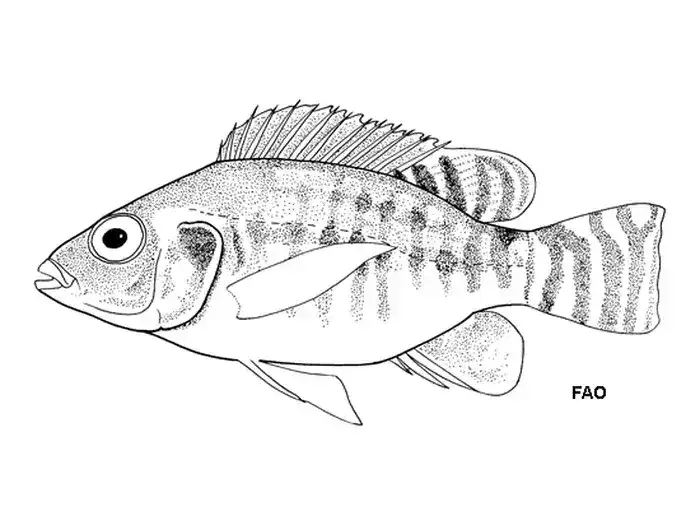
Body shape follows the typical tilapia profile: laterally compressed and deep-bodied, measuring 30-40 cm in length at maturity. Adult fish typically weigh 1.4-2.0 kg under farming conditions, though exceptional specimens may exceed 2.5 kg in optimal environments.
Fingerlings measure 5-7 cm at stocking size and display the characteristic blue tinting even at this early stage. Young fish show more pronounced vertical barring that fades as they mature. The dorsal fin contains 16-17 spines, slightly more than Nile tilapia's typical count.
Identifying Blue Tilapia in the Field
When examining fish in your ponds, look for the metallic blue sheen on the body and fins—this is blue tilapia's most reliable identifying feature. The colouration becomes more intense during breeding season, particularly in males who develop deeper blue tones and more pronounced head humps.
Check the mouth structure for blue tilapia's specialised pharyngeal teeth designed for scraping algae. These appear more developed than in omnivorous tilapia species and indicate the fish's herbivorous feeding adaptation. The teeth feel rougher when you run your finger along the throat area.
Behavioural identification helps confirm species. Blue tilapia spend more time grazing near pond surfaces and edges compared to Nile tilapia's mid-water feeding patterns. During cooler weather, blue tilapia remain active while other tilapia species become sluggish, providing a clear behavioural distinction.
Biology & Natural Behaviour: Understanding Blue Tilapia's Habitat and Feeding
Natural Habitat and Distribution
Blue tilapia originates from the Nile River system and natural lakes across Northern Africa and the Middle East. Its native range includes the Jordan River valley, Lake Tiberias, and various tributaries of the Nile through Sudan and Egypt. This distribution explains the species' adaptation to variable water conditions and seasonal temperature changes.
The species naturally inhabits shallow to moderately deep waters ranging from 1-3 metres depth. Unlike purely tropical tilapias, blue tilapia evolved in regions experiencing significant seasonal variation, developing the physiological mechanisms that make it invaluable for farming in marginal climates.
Natural populations thrive in both freshwater and brackish environments, tolerating salinity levels up to 15 parts per thousand. This adaptability proves valuable for farmers near coastal areas or those using slightly saline groundwater for pond filling.
Environmental Tolerances
Temperature tolerance represents blue tilapia's greatest farming advantage. The species survives temperatures from 8°C to 32°C, with optimal growth occurring between 25-30°C. This means your fish continue feeding and growing during cool seasons that halt Nile tilapia production entirely.
Water quality requirements remain flexible compared to more sensitive species. Blue tilapia tolerates pH levels from 6.0 to 9.0, allowing successful farming in naturally acidic or alkaline waters. However, maintaining pH between 7.0-8.5 optimises growth rates and feed conversion efficiency.
Dissolved oxygen requirements stay moderate at 3 mg/L minimum for survival, though levels above 5 mg/L support optimal growth. The species' tolerance for lower oxygen levels helps during equipment failures or high-density stocking situations that might kill less hardy fish.
Feeding Habits and Dietary Preferences
Adult blue tilapia exhibit primarily herbivorous feeding behaviour, grazing on phytoplankton, algae, and aquatic vegetation. This dietary preference reduces your feed costs significantly compared to carnivorous or omnivorous species requiring expensive protein sources.
Juvenile blue tilapia display more carnivorous tendencies, consuming zooplankton, insect larvae, and small crustaceans. This dietary shift means young fish require 30-40% protein feeds for optimal growth, while adults thrive on 25-30% protein formulations supplemented with plant matter.
The species' specialised pharyngeal teeth efficiently process fibrous plant material, allowing successful feeding on agricultural by-products like rice bran, wheat middlings, and vegetable waste. This adaptation makes blue tilapia particularly suitable for integrated farming systems where crop residues provide supplemental nutrition.
Reproduction & Life Cycle: Breeding Blue Tilapia
![]()
Breeding Behaviour and Spawning Conditions
Blue tilapia reaches sexual maturity at 6-8 months under optimal farming conditions, slightly later than Nile tilapia but still commercially viable. Males mature earlier than females and develop the characteristic head hump and intensified blue colouration during breeding season.
Spawning occurs when water temperatures reach 28-30°C, making timing predictable for farmers managing breeding programmes. Males establish territories and construct circular spawning nests in sandy or gravelly substrate, typically 20-30 cm in diameter and 5-10 cm deep.
The species exhibits strong seasonal breeding patterns aligned with warm weather periods. In tropical regions, spawning may occur year-round, while temperate areas see concentrated breeding during summer months. This predictability helps farmers plan fingerling production schedules.
Growth Stages and Life Cycle
Females deposit 300-1,500 eggs per spawning event, with larger fish producing higher egg numbers. Eggs measure approximately 2-3 mm in diameter and show the characteristic amber colour typical of tilapia species. Incubation lasts 3-5 days depending on water temperature.
Newly hatched fry measure 4-6 mm and remain in the female's mouth for an additional 7-10 days while absorbing yolk sacs. Free-swimming fry begin feeding on microorganisms and gradually transition to larger food items as they grow.
Growth rates follow predictable patterns under farming conditions. Fingerlings reach 10-15 g within 8-10 weeks, 50-100 g by 4-6 months, and market size of 300-500 g within 12-18 months depending on feeding intensity and environmental conditions.
Parental Care and Survival Rates
Blue tilapia exhibits maternal mouthbrooding behaviour where females incubate eggs and protect fry in their mouths. This parental care significantly improves survival rates compared to species that abandon their offspring after spawning.
Fry survival rates under maternal care typically exceed 70-80% in natural conditions, though commercial hatcheries often remove eggs for artificial incubation to maximise production. Artificial incubation yields 60-70% hatch rates with proper management.
Brooding females stop feeding during the 14-21 day care period, leading to weight loss and reduced condition. This biological cost means breeding females require recovery periods between spawning cycles to maintain productive capacity.
Why Farmers Choose Blue Tilapia: Production Benefits and Market Insights
Advantages of Farming Blue Tilapia
Blue tilapia's exceptional hardiness represents its primary farming advantage. The species tolerates environmental stresses that devastate other tilapia populations, including temperature fluctuations, oxygen depletion, and water quality variations. This resilience translates to lower mortality rates and more predictable production outcomes.
Growth rates, while slower than Nile tilapia, remain commercially viable. Fish typically reach 1.4-1.8 kg within 2-3 years under extensive farming conditions. Intensive systems with optimal feeding can achieve 500-800 g fish within 12-18 months, suitable for most market requirements.
Disease resistance exceeds that of most cultured tilapia species. Blue tilapia shows natural resistance to common bacterial infections and parasites that plague intensive aquaculture operations. This resistance reduces medication costs and simplifies management protocols for farmers.
Market Demand and Economic Viability
Market acceptance varies by region but continues growing as consumers recognise blue tilapia's superior flavour profile. The species' herbivorous diet produces flesh with less muddy taste compared to omnivorous tilapias, commanding 10-15% price premiums in discriminating markets.
Aquaponics operations increasingly prefer blue tilapia due to its plant-friendly waste production and temperature tolerance. Commercial aquaponics farms report 20-30% higher vegetable yields when using blue tilapia compared to Nile tilapia, creating additional revenue streams.
Export markets show growing interest in blue tilapia, particularly in temperate countries where the species' cold tolerance allows local production. This trend creates opportunities for African farmers to develop value-added processing and international marketing programmes.
Cost-Effectiveness of Blue Tilapia Farming
Feed conversion ratios range from 1.5:1 to 2.0:1 depending on management intensity and feed quality. While not as efficient as Nile tilapia's best performance, blue tilapia's ability to utilise lower-cost plant-based feeds often results in lower total feeding costs per kilogramme produced.
Infrastructure requirements remain modest compared to more sensitive species. Blue tilapia's environmental tolerance means farmers can use simpler pond systems without expensive aeration or heating equipment. This reduces initial investment and ongoing operational costs.
Risk factors stay lower than with temperature-sensitive species. Blue tilapia's hardiness provides insurance against weather variations, equipment failures, and management errors that might cause total stock losses with less resilient fish.
Farming Considerations: Best Practices for Raising Blue Tilapia
Optimal Farming Conditions
Stocking densities of 1-3 fingerlings per square metre work well in extensive pond systems, while intensive operations may stock up to 5-8 fish per square metre with adequate aeration and water exchange. Higher densities require careful monitoring of water quality parameters and feeding rates.
Water depth should range from 1.0-2.5 metres for optimal production. Shallower ponds warm quickly but may experience oxygen depletion, while deeper ponds maintain stable temperatures but require more careful management during cool periods.
Pond preparation involves standard liming and fertilisation practices. Apply 2-3 tonnes of lime per hectare to acidic soils and incorporate organic matter to establish productive plankton communities that supplement fish nutrition.
Nutrition and Feeding Strategies
Juvenile feeding requires 30-40% protein commercial feeds for optimal growth during the first 3-4 months. Feed 3-5% of body weight daily divided into 3-4 meals to maximise feed utilisation and growth rates.
Adult feeding transitions to 25-30% protein feeds supplemented with agricultural by-products. Suitable supplements include rice bran, wheat middlings, cassava peels, and vegetable waste. These supplements can comprise 30-50% of total feed volume.
Feeding schedules should align with fish behaviour patterns. Blue tilapia feed most actively during morning and late afternoon hours when temperatures are moderate. Avoid feeding during the hottest part of the day or when water temperatures drop below 20°C.
Disease Management and Environmental Stressors
Common diseases affecting blue tilapia include bacterial infections, external parasites, and fungal conditions. However, the species' natural resistance means disease outbreaks occur less frequently than with other cultured tilapias.
Preventive measures focus on maintaining optimal water quality and avoiding overcrowding. Monitor ammonia levels below 0.5 mg/L and nitrite concentrations under 0.1 mg/L to prevent stress-related disease susceptibility.
Environmental stressors include rapid temperature changes, low oxygen levels, and poor water quality. Blue tilapia's tolerance helps manage these challenges, but maintaining stable conditions optimises growth and reduces mortality risks.
How Blue Tilapia Compares to Related Species
Key Differences with Nile and Mozambique Tilapia
Temperature tolerance represents the most significant difference between these species. Blue tilapia survives temperatures as low as 8°C, while Nile tilapia becomes stressed below 15°C and Mozambique tilapia shows similar cold sensitivity. This difference determines species suitability for different climatic zones.
Growth rates vary considerably between species. Nile tilapia reaches 1-2 pounds in 7 months under optimal conditions, while blue tilapia requires 2-3 years to achieve 3-4 pounds. Mozambique tilapia falls between these extremes but grows slower than Nile tilapia.
Feeding habits distinguish these species significantly. Blue tilapia exhibits primarily herbivorous behaviour as adults, while Nile and Mozambique tilapias remain omnivorous throughout their lives. This difference affects feed costs and pond management strategies.
Regional Suitability and Farming Preferences
Highland regions above 1,500 metres elevation favour blue tilapia due to cooler temperatures that limit other tilapia species. Countries like Kenya's central highlands, Rwanda's mountainous areas, and South Africa's interior plateaus provide ideal blue tilapia farming conditions.
Seasonal farming in temperate zones benefits from blue tilapia's extended growing season. While Nile tilapia production stops during cool months, blue tilapia continues growing, extending the productive period by 2-4 months annually.
Water resource limitations make blue tilapia valuable in areas with variable water quality. Its tolerance for pH fluctuations and moderate salinity levels allows farming in locations unsuitable for more sensitive species.
Advantages of Choosing Blue Tilapia Over Alternatives
Risk reduction represents blue tilapia's primary advantage over faster-growing alternatives. The species' hardiness provides insurance against environmental variability that can devastate less tolerant fish populations.
Feed cost savings result from blue tilapia's herbivorous diet and ability to utilise agricultural by-products. Total feed costs may be 20-30% lower than for omnivorous species requiring expensive protein sources.
Market differentiation opportunities arise from blue tilapia's superior flavour profile and growing demand in aquaponics systems. These factors can command price premiums that offset slower growth rates.
Conclusion: Key Takeaways for Fish Farmers
Summary of Blue Tilapia's Benefits
Blue tilapia offers African farmers a resilient, adaptable species particularly suited to challenging environments where other tilapias struggle. Its ability to thrive in temperatures from 8°C to 32°C extends farming opportunities into highland regions and seasonal climates previously unsuitable for tilapia culture.
The species' herbivorous feeding habits significantly reduce production costs while providing opportunities for integrated farming systems. Feed conversion ratios of 1.5-2.0:1 combined with utilisation of agricultural by-products create economically viable production systems even with slower growth rates.
Market opportunities continue expanding, particularly in aquaponics and premium food markets where blue tilapia's superior flavour commands price premiums. The species' adaptability positions it well for climate change adaptation and sustainable aquaculture development.
Final Thoughts on Farming Blue Tilapia
Consider blue tilapia when your farming conditions include temperature variability, limited feed resources, or challenging water quality. The species excels where others fail, providing reliable production in marginal environments.
Success with blue tilapia requires patience with slower growth rates but rewards farmers with lower risk and reduced input costs. The species suits farmers prioritising stability over maximum growth rates.
As African aquaculture continues expanding into diverse environments and production systems, blue tilapia's unique adaptations make it an increasingly valuable species for sustainable fish farming. Its combination of hardiness, feed efficiency, and market acceptance provides a solid foundation for profitable aquaculture operations across the continent.


Yomi Adisa Lead Researcher
Yomi Adisa is the lead researcher at Fish Farming Business, where he studies what makes aquaculture ventures profitable across Africa. His research focuses on market patterns, buyer preferences, and the business decisions that determine success or failure in fish farming.