Exploring Tilapia Species: Which Is Best for Your Farm?
Posted on: 2025-11-20
By: Yomi Adisa
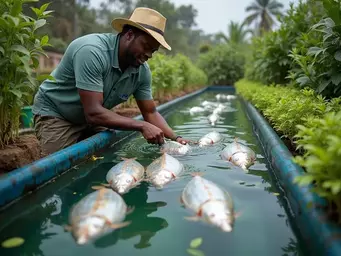
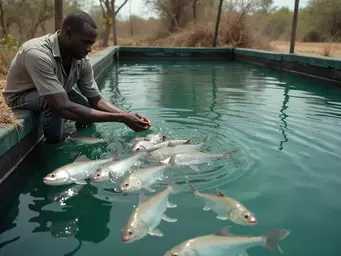
When it comes to tilapia farming, your choice of species can significantly impact your success. Have you considered how the wrong species might lead not just to poor growth rates but also to market failures? Farmers across Africa have encountered these challenges, often realising too late that their species selection does not align with local preferences or environmental conditions.
This blog post will delve into the various tilapia species suited for farming, guiding you through the hidden characteristics and growth metrics that matter. Understanding these factors could be the key to transforming your farming operations into a more profitable venture.
What You Will Learn
- How species selection directly influences growth rates and profitability.
- The importance of aligning your choice with local market preferences.
- Key characteristics of various tilapia species and their implications for farming.
- Strategies for managing environmental factors affecting tilapia health.
- Insights on disease resistance among different species to enhance survival rates.
Comparing Tilapia Species for Farming
Why Your Species Selection Matters More Than You Think
You walk into any fish market from Lagos to Nairobi, and you'll see tilapia everywhere. But here's what most farmers don't realise: not all tilapia are created equal. The species you choose determines whether you'll harvest 300-gram fish in six months or struggle to reach 200 grams in eight months.
Your species decision affects everything—growth rates, feed conversion, disease resistance, and ultimately your profit margins. A farmer in Kisumu learned this the hard way when his Blue tilapia took 30% longer to reach market size than his neighbour's Nile tilapia, despite identical feeding and management practices.
The difference between choosing the right species and the wrong one can mean the difference between earning ₦500,000 profit per cycle or barely breaking even. You need to understand what each species offers before you stock a single fingerling, and proper species selection strategies can make all the difference.
The Unexpected Consequences of Choosing the Wrong Species
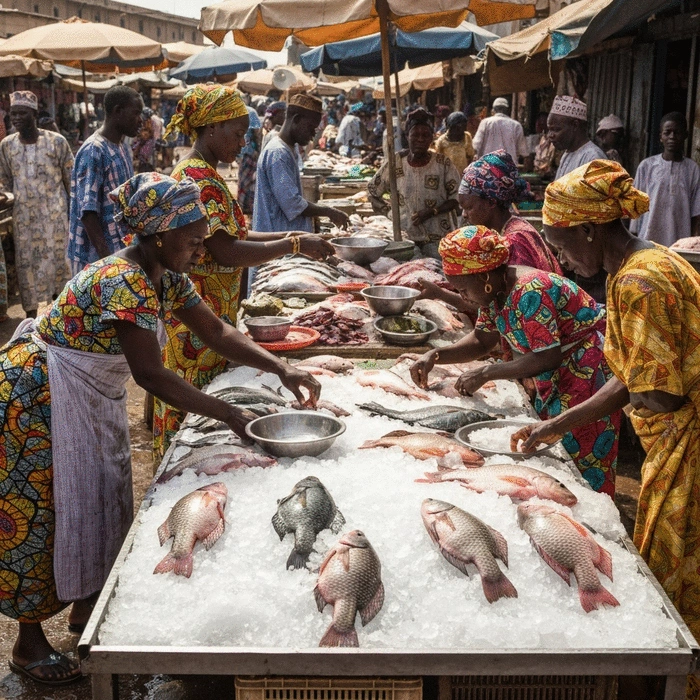
You might think tilapia is tilapia, but your customers certainly don't. Market preferences vary dramatically across Africa, and choosing the wrong species can leave you with unsellable fish.
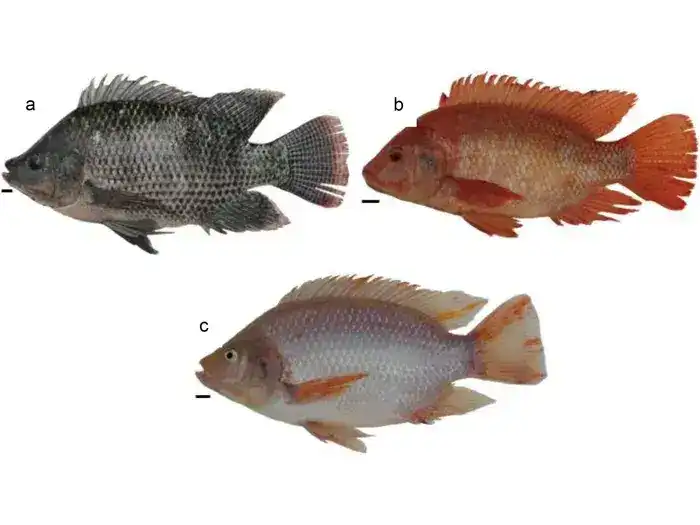
In Nigerian markets, consumers prefer the reddish colour and firm texture of Nile tilapia over the darker Mozambique variety. A farmer in Ibadan discovered this when traders offered him ₦800 per kilogram for his Mozambique tilapia while paying ₦1,200 for Nile tilapia from the next pond. That ₦300 difference per kilogram meant losing ₦180,000 on a 600-kilogram harvest.
Your species choice also determines your production timeline. Some varieties mature faster, allowing you to turn over your investment quicker and reduce risks from disease outbreaks or market fluctuations.
Critical Species Selection Factors
Before you choose your tilapia species, you need to evaluate:
- Local market preferences and pricing differences
- Growth rates under your specific conditions
- Feed conversion efficiency for your budget
- Disease resistance in your region
- Availability of quality fingerlings
The wrong species can also create unexpected management challenges. Some varieties are more aggressive, requiring different stocking densities. Others are more sensitive to water quality changes, demanding more intensive monitoring.
What You Never Knew About Local Preferences
You need to understand that tilapia preferences aren't just about taste—they're about culture, cooking methods, and even religious considerations. In predominantly Muslim areas of Northern Nigeria, certain hybrid varieties are preferred because they scale more easily, making preparation simpler for traditional cooking methods.
Ghanaian markets show strong preference for larger-sized fish, with premium prices paid for tilapia over 400 grams. This means fast-growing varieties like GIFT strain can command significantly higher prices than slower-growing local species. Traders in Tema market pay up to 40% more for consistently large fish.
Your local restaurants and hotels also have specific requirements. Many prefer fish with whiter flesh and milder taste, which affects which species will give you the best returns. Some species develop a muddy taste in certain water conditions, making them unsuitable for premium markets, which is why understanding water quality management becomes crucial.
| Market Preference | Preferred Species | Price Premium |
|---|---|---|
| Nigerian Urban Markets | Nile Tilapia, GIFT Strain | ₦200-400/kg premium |
| Ghanaian Premium Markets | Large GIFT, FAST Strain | 40% price premium |
| Kenyan Lake Regions | Nile Tilapia | Standard pricing |
| Export Markets | GIFT, Certified Strains | 50-100% premium |
Regional processing preferences also matter. In areas where fish is commonly smoked or dried, certain species hold their shape better and command higher prices. You need to research your local value chain to understand which characteristics matter most to your potential buyers.
The seasonal demand patterns vary by species too. Some varieties are preferred during certain festivals or seasons, creating opportunities for premium pricing if you time your harvests correctly.
| Key Points | Details |
|---|---|
| Importance of Species Selection | Species impacts growth rates, disease resistance, and overall profitability. |
| Market Preferences | Consumer preferences vary by region; Nile tilapia is often preferred in Nigerian markets. |
| Critical Factors for Selection | Consider local market preferences, growth rates, feed efficiency, disease resistance, and fingerling availability. |
| Unique Species Characteristics | Different tilapia species have varied growth rates, health requirements, and market acceptance. |
| Hybrid Varieties | Hybrids often combine desirable traits, offering faster growth and better disease resistance. |
| Environmental Considerations | Species selection should factor in local temperature, salinity, and environmental impacts. |
| Financial Aspects | Understand costs, market dynamics, and the importance of careful investment in fingerlings and feed. |
| Disease Management | Regular monitoring and disease resistance are critical for maintaining fish health and productivity. |
The Growth Race: What You Need to Know Before You Decide
You want to ensure that you're tracking the right growth metrics to evaluate your tilapia farming success. It's not just about how fast your fish grow; it's about understanding what influences those growth rates. This knowledge can help you make adjustments that lead to better profits.
Unpacking Growth Metrics: What You Should Be Tracking
Start by monitoring these key metrics: weight gain by measuring the average weight of your fish weekly to assess growth. Track your feed conversion ratio (FCR) to see how much feed it takes to grow your fish to a certain size—a lower FCR is more efficient.
Calculate your survival rate to determine how many fish survive from stocking to harvest. A farmer in Kisumu tracked these metrics diligently and realised his feed conversion ratio was higher than expected, indicating he needed to adjust his feeding strategy. This led to a 15% increase in overall profits.
Surprising Insights from Comparative Growth Analyses
You might think that all tilapia species grow similarly, but that's not always the case. Farmers often discover that local conditions play a significant role in growth rates.
For instance, a farmer in Nairobi found that his hybrid tilapia outperformed traditional species by 20% in growth rate due to better feed efficiency and disease resistance. Observing how different strains respond to your environment can provide valuable insights, especially when combined with proper feeding schedules that maximise growth potential.
How Selective Breeding is Reshaping Expectations
Selective breeding has made a noticeable impact in tilapia farming. You want to explore strains that have been improved for growth, disease resistance, and feed conversion.
A farmer shared how switching to GIFT strain tilapia increased his harvest size in less time. By focusing on these selectively bred varieties, he managed to increase his profit margins significantly. Understanding the breeding background of your fingerlings is essential for future planning.
The Environmental Puzzle: Why Your Choice Affects Everything
Your choice of tilapia species can have profound implications for your farm's environmental management. Understanding how different species react to their surroundings is critical to your success.
The Temperature Test: Can Your Species Handle It?
Temperature fluctuations can affect fish health and growth rates. You need to know which species will thrive in your particular climate.
For example, a farmer in the Western Highlands found that blue tilapia performed better than Nile tilapia in cooler conditions. You should consider your local temperatures when selecting a species to ensure optimal growth.
Salinity and Species: What You Didn't Consider
If your water source has varying salinity levels, certain species may fare better than others. Mozambique tilapia, for instance, can thrive in brackish water, giving you an advantage if you're near coastal areas.
A farmer in Mombasa leveraged this salinity tolerance when traditional species struggled during a rainy season. The ability to adapt can set your farm apart from competitors.
Environmental Impact: Navigating Risks and Regulations
Be aware of regulations regarding invasive species and environmental impact. Choosing the wrong tilapia species can lead to ecological imbalances.
A farmer in Lagos faced fines due to stocking invasive species that disrupted local ecosystems. Understanding your region's regulations and the ecological impact of your farming decisions is crucial for long-term success.
Your Farming Setup: Are You Ready for Tilapia?
Before you jump into tilapia farming, you need to assess your farming setup. Different systems have distinct advantages and challenges that can affect your operational success.
The Farming Systems Dilemma: What Works Best for You?
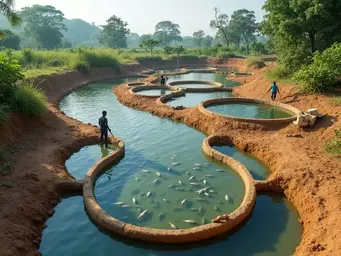
You have options like earthen ponds, cages, or recirculating aquaculture systems (RAS). Each has its benefits and limitations.

A farmer in Uganda switched from earthen ponds to RAS and saw improvements in fish health and growth rates due to better water quality management. Evaluate your resources and choose a system that suits your goals and capabilities.
The Density Debate: How Crowding Can Make or Break Your Success
Stocking density is another critical factor. Too many fish in a small space can lead to stress, disease, and stunted growth.
A farmer in Kenya learned the hard way that overcrowding his ponds reduced survival rates and increased disease. You need to calculate your optimal stocking density based on the species you choose and your farming conditions.
Feeding Your Fish: A Recipe for Success or Disaster?
You want to ensure you're using the right feed for your tilapia species. Different species have varying dietary needs that influence growth and health.
A farmer shared how switching to a high-quality, species-specific feed improved his growth rates by 25%. Investigate feed types that suit your selected species to maximise growth and reduce costs.
Understanding the Financial Landscape of Tilapia Farming
You need to grasp the financial aspects of tilapia farming to ensure sustainability and profitability. Understanding costs and market demand is integral to your planning.
The Cost-Benefit Conundrum: Are You Making the Right Investment?
Evaluate your investment in fingerlings, feed, and infrastructure carefully. A farmer in Lagos realised he could save costs by purchasing fingerlings in bulk, reducing his overall expenditure.
Analysing your expenses against expected profits is crucial for ensuring a viable business model.
The Market Demand Rollercoaster: What You Need to Know
You should keep an eye on market trends and consumer preferences. Changes in demand can affect your ability to sell fish at profitable prices.
A farmer in Ghana experienced fluctuating prices based on seasonal demand, which taught him to time his harvests strategically. Stay informed about market dynamics to maximise your profits.
Battling Disease: Your Fish's Greatest Threat
Disease management is vital to the health of your tilapia. Being proactive can save your investment and keep operations running smoothly.
The Reality of Disease in Tilapia Farming
You can face various diseases that affect tilapia. Regular monitoring and quick action are essential.
A farmer in Uganda dealt with a disease outbreak but managed to contain it by implementing better biosecurity measures. Understanding common diseases can help you act quickly and effectively.
The Resilience Factor: Which Species Stands Strong?
Some tilapia species have better disease resistance than others. For example, GIFT strain tilapia often show improved survivability compared to traditional strains.
By choosing more resilient species, you can reduce your losses and increase overall farm productivity. Research the disease resistance of each species before stocking.
Lessons from the Field: Farmers Share Their Success Stories
You can learn a lot from the experiences of other farmers. Their stories can provide valuable insights into making informed decisions.
Transformative Experiences: How One Decision Changed Everything
A farmer in Kenya switched from Mozambique tilapia to Nile tilapia based on market demand. This decision significantly improved his sales and profitability, showcasing the power of informed species selection.
Wisdom from Seasoned Farmers: What They Wish They Knew
Many experienced farmers highlight the importance of understanding local market preferences and environmental conditions. They advise new farmers to conduct thorough research before making decisions.
The Decision Point: Where Do You Go From Here?
With all this information, reflect on your options. You must weigh your local conditions, market demands, and the species that fit best with your goals.
Weighing Your Options: Reflecting on the Information You've Gathered
Consider what you've learned about different tilapia species and their characteristics. You should also think about your farming setup and financial implications.
Your Next Steps: Crafting a Plan Based on Your Unique Situation
Now is the time to take action. Start crafting a plan that aligns with your insights and local conditions. You have the knowledge to make informed decisions that can lead to success in tilapia farming.
The Hidden Characteristics of Common Tilapia Species
You need to understand what makes each tilapia species unique before you invest a single naira in fingerlings. Most farmers choose based on what's available locally, but the wrong species can cost you months of feeding and labour with poor returns. Each variety has distinct traits that affect your profitability, growth rates, and market acceptance.
The characteristics that matter most aren't always obvious from looking at fingerlings in a hatchery. Growth rate, disease resistance, temperature tolerance, and market size preferences vary dramatically between species. You want to match your choice to your specific farming conditions and local market demands.
Your success depends on understanding these differences before you stock your ponds. A species that thrives in your neighbour's setup might struggle in yours due to water quality, feeding practices, or environmental conditions.
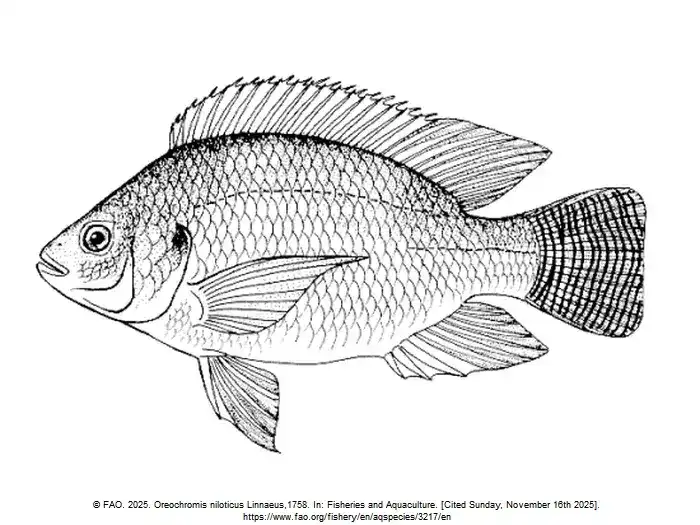
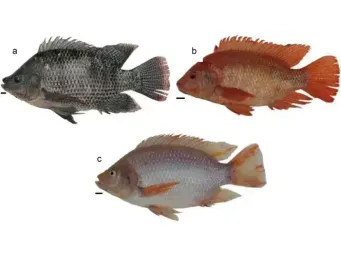
Discovering the Nile Tilapia: The Workhorse of Aquaculture
You'll find Nile tilapia (Oreochromis niloticus) dominating fish farms across Africa for good reason. This species combines rapid growth with excellent feed conversion, making it the most profitable choice for many commercial operations. Your fish can reach 300-500 grams in 6-8 months under proper management.
Nile tilapia adapts well to various farming systems, from earthen ponds to concrete tanks. You can stock them at higher densities than most other species—up to 10-15 fish per square metre in earthen ponds or 50-100 per square metre in intensive systems. They tolerate crowding better than their cousins, which means higher production per pond.
The feeding behaviour of Nile tilapia works in your favour. They accept both natural and artificial feeds readily, converting feed to flesh at ratios of 1.5:1 to 2:1 under good management. You'll notice they're active feeders throughout the day, unlike some species that feed only at specific times.
Nile Tilapia Key Characteristics
- Growth rate: 300-500g in 6-8 months
- Temperature range: 20-35°C (optimal 28-32°C)
- Feed conversion: 1.5:1 to 2:1
- Market acceptance: High across most African markets
- Disease resistance: Moderate to good
Your market research matters here because Nile tilapia enjoys widespread consumer acceptance. In Lagos markets, they command prices of ₦800-1,200 per kilogram for table-size fish. Ghanaian buyers prefer them at 400-600 grams, paying 15-25 cedis per kilogram.
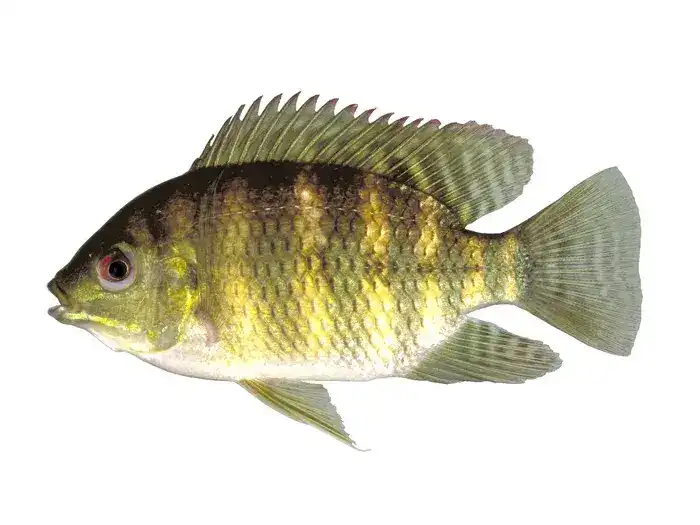
Mozambique Tilapia: The Underdog That Surprises
You might overlook Mozambique tilapia (Oreochromis mossambicus), but this species offers unique advantages in challenging environments. They tolerate salinity levels that would kill Nile tilapia, making them valuable if you're farming near coastal areas or using brackish water sources.
Mozambique tilapia grows slower than Nile tilapia but compensates with exceptional hardiness. You can expect 250-400 grams in 8-10 months, depending on your feeding regime and water conditions. They survive temperature fluctuations and poor water quality that stress other species.
The reproductive behaviour of Mozambique tilapia requires careful management. They breed prolifically in ponds, which can lead to overcrowding and stunted growth if you don't control reproduction. You need to implement sex separation or regular harvesting to maintain optimal stocking densities.
A farmer in Mombasa discovered this species' potential when his Nile tilapia died during a saltwater intrusion, but his Mozambique tilapia thrived. You can leverage this salinity tolerance if you have access to brackish water or face seasonal salt intrusion.
| Characteristic | Nile Tilapia | Mozambique Tilapia |
|---|---|---|
| Growth Rate | 300-500g in 6-8 months | 250-400g in 8-10 months |
| Salinity Tolerance | Low (freshwater only) | High (up to 15ppt) |
| Temperature Range | 20-35°C | 15-40°C |
| Breeding Control | Moderate difficulty | High difficulty |
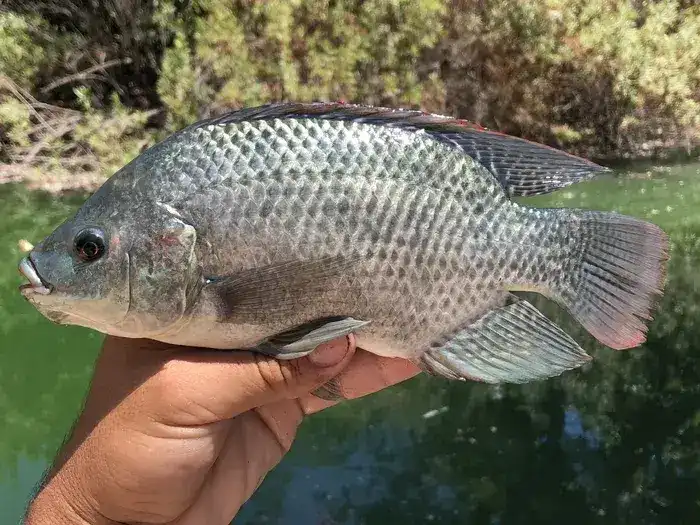
Blue Tilapia: The Adaptable Challenger
You'll find blue tilapia (Oreochromis aureus) offers the best cold tolerance among common tilapia species. They continue feeding and growing at temperatures that slow down Nile tilapia, making them valuable in highland areas or regions with cool seasons.
Blue tilapia reaches market size slightly slower than Nile tilapia but maintains steady growth in suboptimal conditions. You can expect 300-450 grams in 7-9 months, with better performance in cooler water than other species. They're particularly valuable if your farm experiences temperature drops below 20°C.
The feeding habits of blue tilapia differ from Nile tilapia in important ways. They consume more plant matter and algae, which can reduce your feed costs if you manage pond fertility properly. You'll notice they graze continuously on pond surfaces and vegetation.
Your market acceptance research becomes crucial with blue tilapia because consumer preferences vary by region. Some markets prefer their firmer flesh texture, while others favour the milder taste of Nile tilapia. In Nairobi markets, blue tilapia commands similar prices to Nile tilapia at 180-250 shillings per kilogram.
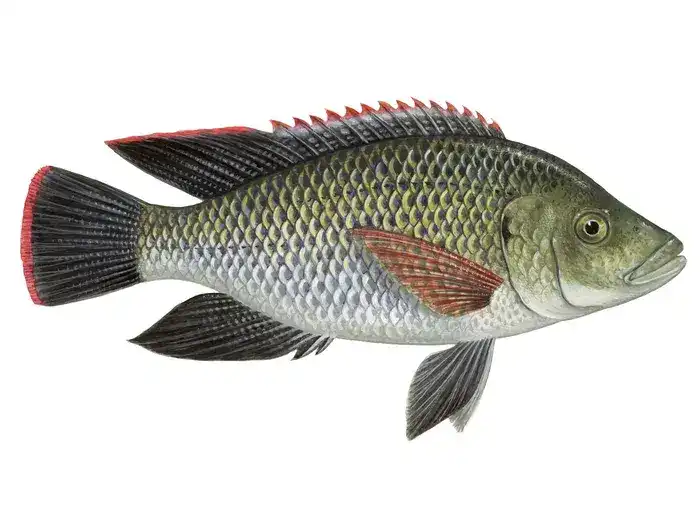
Hybrid Varieties: The Game Changers
You need to understand hybrid tilapia varieties because they often outperform pure species in commercial farming. These crosses combine desirable traits from different species, creating fish that grow faster, resist disease better, or adapt to specific farming conditions.
Hybrid vigour (heterosis) gives these crosses advantages over their parent species. You'll typically see improved growth rates, better feed conversion, and enhanced survival rates. The trade-off is that you cannot breed hybrids successfully—you need to purchase new fingerlings for each production cycle.
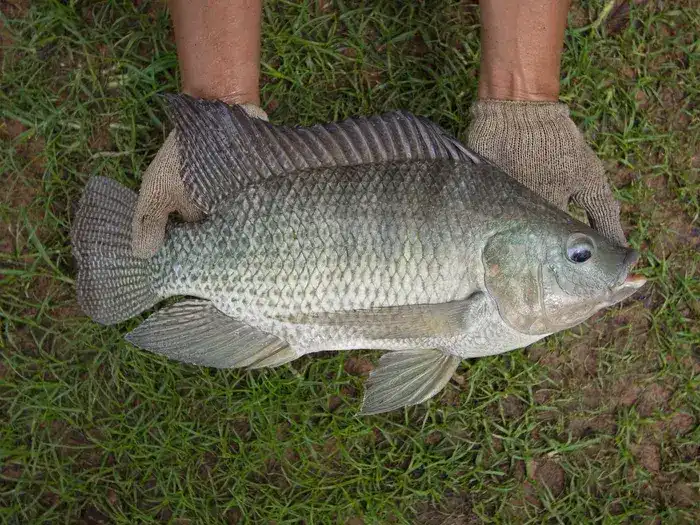
GIFT Strain: A Farmer's Best Bet
You want to consider GIFT (Genetically Improved Farmed Tilapia) if maximum growth rate is your priority. This selectively bred Nile tilapia strain grows 20-30% faster than regular Nile tilapia under the same conditions. Your fish can reach 400-600 grams in 6-7 months with proper feeding.
GIFT tilapia maintains the hardiness of Nile tilapia while delivering superior performance. You'll achieve better feed conversion ratios—often 1.3:1 to 1.8:1 compared to 1.5:1 to 2:1 for regular Nile tilapia. This improved efficiency translates directly to higher profits per pond.
The initial cost of GIFT fingerlings runs higher than regular tilapia—expect to pay 15-25 naira per fingerling compared to 8-12 naira for standard Nile tilapia. However, the faster growth and better feed conversion typically justify the extra investment within one production cycle.
FAST Strain: Why Speed Matters
You'll find FAST (Freshwater Aquaculture Strain of Tilapia) offers even more aggressive growth than GIFT in optimal conditions. These fish can reach 500-700 grams in 6 months under intensive management, making them attractive for commercial operations focused on rapid turnover.
FAST tilapia requires more precise management than other strains. You need consistent water quality, regular feeding schedules, and optimal stocking densities to achieve their genetic potential. Poor management negates their advantages and may result in performance worse than regular tilapia.
Your investment in FAST fingerlings—typically 20-30 naira each—pays off only with excellent management. They're best suited for experienced farmers with reliable feed supplies and good water management systems.
Wami/Mozambique Hybrids: The Local Heroes
You should investigate Wami/Mozambique hybrids if you're farming in challenging environments. These crosses combine the hardiness of Mozambique tilapia with improved growth characteristics, creating fish that perform well in variable conditions.
These hybrids tolerate poor water quality and temperature fluctuations better than pure Nile tilapia while growing faster than pure Mozambique tilapia. You'll get 350-450 grams in 7-8 months, even with less-than-perfect management.
The breeding behaviour of these hybrids is more manageable than pure Mozambique tilapia but still requires attention. You need to monitor for unwanted reproduction and implement control measures to prevent overcrowding and stunting.
In summary, selecting the right tilapia species is a multifaceted decision that significantly impacts your farming success. From understanding local market preferences to evaluating the unique characteristics of each species, every choice you make can influence your profitability and sustainability. Pay close attention to growth metrics, environmental conditions, and the specific needs of your selected species to maximise your output.
As you reflect on the insights shared in this post, consider how they apply to your own situation. Your farming context, available resources, and market demands are all critical factors to weigh as you move forward. Craft a plan that aligns with your unique circumstances and local market opportunities.
Take the time to research, engage with other farmers, and stay informed about best practices. By equipping yourself with knowledge and adapting to your local environment, you can build a tilapia farming operation that is both sustainable and profitable.
Frequently Asked Questions
What is the fastest-growing tilapia species for commercial farming?
GIFT strain tilapia is typically the fastest-growing variety, reaching 400-600 grams in 6-7 months. FAST strain can grow even quicker under optimal conditions, but requires more intensive management to achieve its genetic potential.
Which tilapia species is best for beginners with limited experience?
Nile tilapia is ideal for beginners because it's hardy, adapts well to various farming systems, and has good market acceptance. It tolerates management mistakes better than hybrid varieties and provides consistent results with basic care.
Can I mix different tilapia species in the same pond?
You should avoid mixing different tilapia species in the same pond as they can interbreed and produce inferior offspring. This leads to unpredictable growth rates and characteristics that may not meet market standards.
Why do GIFT and FAST fingerlings cost more than regular tilapia?
These improved strains cost more because they've undergone selective breeding programmes to enhance growth rates and feed conversion. The higher initial investment typically pays off through faster growth and better profitability per production cycle.
How do I know which species will perform best in my local conditions?
You should consider your water temperature range, quality, and local market preferences. Start with small test batches of different species to observe their performance in your specific conditions before making large investments.


Yomi Adisa Lead Researcher
Yomi Adisa is the lead researcher at Fish Farming Business, where he studies what makes aquaculture ventures profitable across Africa. His research focuses on market patterns, buyer preferences, and the business decisions that determine success or failure in fish farming.