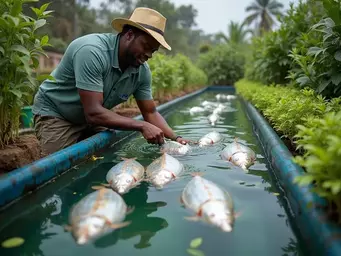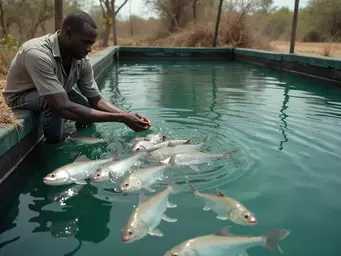
Exploring Tilapia Farming: The Benefits of Raising Tilapia
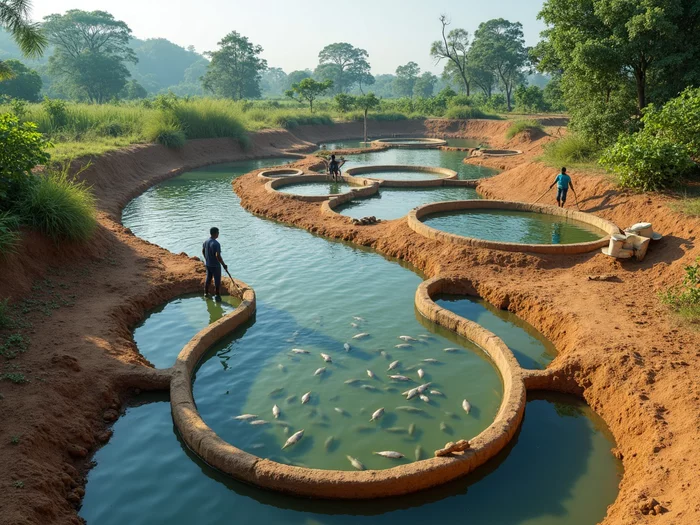
Posted on: 2025-11-18
By: Yomi Adisa
Have you considered tilapia farming as a viable option for your aquaculture venture? Despite its many advantages, this fish often flies under the radar for many farmers. Understanding why tilapia is an ideal choice could open doors to profitable opportunities.
In this blog post, we will explore the compelling reasons why tilapia stands out in the fish farming landscape. From its adaptability to local conditions, rapid growth rate, and untapped market potential, tilapia presents unique advantages that can benefit your business. We'll also discuss the importance of sustainable practices and the economic potential of this versatile species.
Join us as we delve into the world of tilapia farming and discover how you can turn your fish farming business into a successful venture. You'll learn practical strategies that can transform your approach to getting started with tilapia farming and maximise your returns.
What You Will Learn
- The unique adaptability of tilapia to various environmental conditions.
- Strategies to optimise growth rates for quicker harvests.
- Insights into market demand and the importance of timing your sales.
- Best practices for sustainable tilapia farming to protect ecosystems.
- The economic advantages and investment considerations for tilapia farming.
Tilapia Farming: Why Tilapia Stands Out as an Ideal Fish for Aquaculture
You've probably heard farmers debate which fish species offers the best return on investment. Some swear by catfish, others push for carp, but there's one species that consistently outperforms the rest across African markets. Tilapia isn't just another fish—it's the backbone of successful aquaculture operations from Lagos to Nairobi.
Most farmers stumble into tilapia farming without understanding what makes this species extraordinary. They see it as a simple choice, missing the strategic advantages that separate profitable operations from struggling ones. You need to understand why tilapia dominates global aquaculture and how you can leverage its unique characteristics for your farming success.
Why Most Farmers Overlook the Potential of Tilapia
You walk into any fish market in Accra or Kampala, and tilapia fills the stalls. Yet many farmers treat it as a commodity fish, missing the sophisticated opportunities this species presents. The problem isn't with tilapia—it's with how farmers approach it.
Most farmers see tilapia as "easy fish" and assume that means low profits. They stock their ponds without understanding growth optimisation, market timing, or the premium segments that pay double the standard rates. You're competing against farmers who treat tilapia farming like a hobby rather than a business.
The Surprising Truth About Tilapia's Adaptability
You can raise tilapia in conditions that would kill most other fish species. While catfish farmers worry about oxygen levels dropping below 3mg/L, your tilapia will survive at 2mg/L and still feed actively. This isn't just convenient—it's a massive competitive advantage that most farmers never exploit.
Tilapia thrives in water temperatures from 20°C to 35°C, covering the entire range you'll encounter across tropical Africa. Your ponds don't need expensive heating systems or cooling equipment. A farmer in Kano faces different temperature challenges than one in Cape Town, but tilapia adapts to both environments without compromising growth rates.
Tilapia's Environmental Tolerance
Your tilapia can handle conditions that stress other species:
- pH range: 6.0-9.0 (optimal 7.0-8.5)
- Temperature: 20-35°C (optimal 25-30°C)
- Dissolved oxygen: Survives at 2mg/L, thrives above 4mg/L
- Salinity: Tolerates brackish water up to 15ppt
- Ammonia: More tolerant than most species to temporary spikes
This adaptability means you can farm tilapia in marginal locations where other species fail. Slightly saline groundwater that ruins catfish ponds becomes usable for tilapia production. Poor-quality water sources that other farmers abandon become profitable with proper tilapia management.
What You Didn't Know About Tilapia's Growth Rate
You can harvest market-size tilapia in 6-8 months under proper management. That's faster than most farmers realise, and significantly quicker than many alternative species. The key lies in understanding how to optimise their growth phases rather than just feeding them regularly.
Tilapia fingerlings reach 50g in 8-10 weeks with proper feeding and water management. From there to 250g takes another 12-16 weeks. A farmer in Ibadan recently achieved 300g average weight in 6.5 months by maintaining optimal water temperature and feeding 4% of body weight daily during the growth phase.
| Growth Phase | Duration | Target Weight | Feed Rate |
|---|---|---|---|
| Fingerling | 0-10 weeks | 5-50g | 8-5% body weight |
| Juvenile | 10-20 weeks | 50-150g | 4-3% body weight |
| Market Size | 20-28 weeks | 150-300g | 3-2% body weight |
The growth rate advantage compounds when you consider multiple production cycles per year. While farmers raising slower-growing species manage one harvest annually, you can complete 1.5-2 tilapia cycles. This frequency multiplies your revenue opportunities and helps you respond quickly to market demands.
The Missed Opportunities in Local Markets
You're selling into markets where tilapia commands premium prices during specific seasons, but most farmers miss these windows entirely. Festival periods, religious celebrations, and holiday seasons create demand spikes that can double your normal selling price.
During Ramadan in northern Nigeria, tilapia prices jump from ₦800 per kilogram to ₦1,400 per kilogram in major markets. Christmas season across Ghana sees similar price increases. Yet farmers continue harvesting randomly instead of timing production to capture these premiums.
The restaurant and hotel trade represents another overlooked opportunity. Tilapia's mild flavour and firm texture make it ideal for grilling and frying—exactly what food service establishments want. You can build direct relationships with restaurants and hotels, bypassing middlemen who reduce your margins. A farmer in Kisumu now supplies three hotels directly, earning 40% more than market prices by delivering fresh, consistent-size fish twice weekly. Understanding proper water quality management ensures your fish maintain the quality standards these premium buyers demand.
| Key Points | Details |
|---|---|
| Adaptability | Tilapia can thrive in varied conditions, surviving low oxygen levels and a wide range of temperatures. |
| Growth Rate | Market-size tilapia can be harvested in 6-8 months, allowing for multiple production cycles per year. |
| Market Potential | There are premium prices during peak seasons and opportunities in direct sales to restaurants. |
| Environmental Considerations | Sustainable practices are essential to avoid ecological damage and comply with regulations. |
| Economic Factors | Initial investment and ongoing costs must be carefully calculated for profitability. |
What You Need to Know About Tilapia's Economic Potential
Understanding the economics of tilapia farming is crucial for your success. You want to have a clear picture of the initial investment and ongoing costs before diving in.
The Real Cost of Starting a Tilapia Farm
Before you start your tilapia farm, assess the costs involved. You need to consider several key areas that will determine your profitability from day one.
- Pond construction: Depending on size and materials, expect to spend between ₦200,000 and ₦1 million.
- Fingerlings: Costs typically range from ₦5 to ₦12 each, depending on the source.
- Feed: Quality feed can cost ₦80 to ₦150 per kg, which adds up quickly.
- Equipment: Aeration systems, water testing tools, and harvesting gear can collectively total ₦100,000 to ₦300,000.
Key Information
To estimate your startup costs effectively:
- Calculate your pond size and construction needs
- Research local fingerling suppliers for competitive prices
- Factor in feed costs based on the number of fish and their growth stages
- Don't forget to account for ongoing operational costs
Understanding Market Demand: What You Might Be Missing
Market demand for tilapia can vary significantly based on location. You must identify your target market and the specific needs of your buyers.
For instance, some regions favour larger fish, while others prefer smaller sizes or specific types of tilapia. Engage with local markets to learn what consumers prefer. You can also explore selling directly to restaurants and hotels, which often pay higher prices for quality fish.
How Local Festivals Can Boost Your Tilapia Sales
Local festivals can create spikes in demand. Plan your harvest to coincide with these events for maximum profitability.
- Christmas: Prices may increase as families prepare festive meals.
- Ramadan: Demand rises for fish during this holy month.
- Regional fairs: Farmers markets can provide opportunities to showcase your tilapia.
A farmer in Uganda reported that timing his harvest for a local festival allowed him to sell at double the regular price. You should consider similar strategies to boost your profitability.
The Nutritional Goldmine You Can't Afford to Ignore
Tilapia is not just profitable; it's also a nutritious option for consumers. Understanding its health benefits can help you market your product more effectively.
Why Consumers Are Choosing Tilapia Over Other Fish
Consumers often prefer tilapia for its mild flavour and versatility in cooking. You want to highlight these attributes when selling to maximise your market appeal.
- Easy to cook in various dishes, from grilling to frying.
- Affordable compared to other popular fish options.
- Readily available in local markets.
The Health Benefits That Set Tilapia Apart
Tilapia is low in calories and high in protein, making it an appealing option for health-conscious consumers. Highlight these benefits to attract premium buyers.
- Rich in omega-3 fatty acids, which promote heart health.
- Provides essential vitamins and minerals like B12 and selenium.
What Your Buyers Really Want to Know About Tilapia
When you engage with buyers, they may have specific questions about your farming practices. Prepare clear answers to build trust and encourage repeat business.
- Where was the fish farmed?
- Was it raised sustainably?
- What feeding practices were used?
You should prepare clear answers to these questions. Transparency about your farming practices can build trust and encourage repeat business.
What Most Farmers Forget About Best Practices in Tilapia Farming
Best practices in tilapia farming are essential for maintaining your operation's success. You should prioritise these aspects to avoid common pitfalls that destroy profitability.
Why Water Quality Isn't Just a Detail—It's a Necessity
Maintaining optimal water quality is critical for your tilapia's health and growth. You need to monitor parameters like pH, dissolved oxygen, and ammonia levels regularly to prevent costly losses.
- pH: Aim for a range of 6.5 to 8.5.
- Dissolved Oxygen: Keep levels above 5 mg/L.
- Ammonia: Should be below 0.5 ppm for healthy fish.
Neglecting these factors can lead to poor growth rates and high mortality. Regular testing and adjustments are vital to your tilapia's health.
The Shocking Truth About Feed Costs and Growth Rates
Feed accounts for the largest expense in your tilapia farming operation. You want to manage feed efficiently to maximise your profit margins.
- Feed tilapia 3-5% of their body weight daily, adjusting as they grow.
- Monitor feeding response to avoid overfeeding.
A farmer in Nigeria reduced his feed costs by 20% by tracking growth closely and adjusting feed amounts regularly. This attention to detail directly improved his bottom line.
What Happens When You Neglect Disease Management
Disease outbreaks can devastate your stock and destroy months of investment. You should implement disease management strategies to protect your operation.
- Regularly observe your fish for signs of illness.
- Maintain good water quality to prevent stress.
- Vaccination and biosecurity measures can reduce risks.
Ignoring these practices can lead to significant losses. Keep a close eye on your fish's health to ensure profitability.
How Innovation Is Transforming Tilapia Farming
Innovation in aquaculture can make your operations more efficient and profitable. It's essential to stay updated on the latest technologies that can give you a competitive edge.
Why You Should Embrace Technology or Get Left Behind
Technology can enhance production efficiency and reduce labour costs. You want to explore tools that can streamline your operations and improve your results.
- Automated feeding systems: Ensure consistent feeding schedules.
- Water quality monitoring sensors: Track changes in real-time.
Investing in these technologies can lead to better growth rates and lower labour costs. The initial investment pays for itself through improved efficiency.
What Aquaponics Can Teach You About Efficient Farming
Aquaponics combines fish farming with plant cultivation to maximise resource utilisation. You should consider integrating this model to increase your farm's productivity.
- Utilise fish waste to nourish plants, creating a symbiotic relationship.
- Maximise your farm's productivity and use of resources.
A farmer in Tanzania successfully implemented aquaponics, nearly doubling his production output. This integrated approach creates multiple revenue streams from the same infrastructure.
The Benefits of Joining the RAS Revolution
Recirculating Aquaculture Systems (RAS) can significantly reduce water usage while improving fish health. Consider these benefits for your long-term sustainability.
- Lower water costs by recirculating water.
- Improved biosecurity by controlling the environment.
Adopting RAS can enhance your sustainability efforts and appeal to environmentally conscious consumers. This technology positions you ahead of traditional farmers.
What You Need to Prepare for the Challenges Ahead
Tilapia farming comes with its set of challenges that can impact your profitability. You want to be prepared for various factors that can affect your business success.
The Risks You Can't Ignore in Tilapia Farming
Every farming operation faces risks that can threaten your investment. You should understand these potential challenges and plan accordingly.
- Market fluctuations: Prices for tilapia can vary, affecting profits.
- Environmental regulations: Non-compliance can lead to penalties.
- Disease outbreaks: Protecting your stock requires vigilance.
How to Develop Resilience Against Market Fluctuations
Building a resilient business model is essential for long-term success. Consider these strategies to protect your income from market volatility.
- Diversify your product offerings to reach different markets.
- Establish direct relationships with buyers to secure long-term contracts.
A farmer in Kenya found success by diversifying into value-added products like smoked tilapia, which helped stabilise his income. This approach reduces dependence on fresh fish prices alone.
The Community Support You Didn't Know You Needed
Engaging with your local community can provide support and resources that enhance your success. You want to connect with fellow farmers and local organisations for mutual benefit.
- Join local aquaculture associations for networking opportunities.
- Participate in training programmes to enhance your skills.
By collaborating with others, you can share knowledge and resources that benefit everyone involved. Community support often proves invaluable during challenging times.
Why Regulatory Compliance Could Make or Break Your Business
Staying compliant with aquaculture regulations is crucial for your business survival. Understanding these rules can help you avoid costly penalties that destroy profitability.
The Consequences of Ignoring Aquaculture Regulations
Non-compliance can lead to severe consequences that threaten your entire operation. You should be aware of these potential issues before they become expensive problems.
- Fines and penalties can significantly impact your finances.
- Closure of your farm until compliance is achieved.
Farmers who face regulatory challenges often find themselves struggling to recover from setbacks. Prevention is always cheaper than dealing with violations.
What Certifications Can Do for Your Credibility
Obtaining certifications can enhance your marketability and open doors to premium buyers. You want to consider certifications that demonstrate your commitment to quality and sustainability.
- Certifications that demonstrate sustainable practices can attract buyers.
- Compliance with local regulations can improve community relations.
How to Stay Ahead of Changing Regulations in Africa
Regulatory environments can shift, affecting your operations unexpectedly. You must stay informed about changes in policies to maintain compliance.
- Subscribe to updates from local aquaculture authorities.
- Participate in workshops or forums focused on regulatory changes.
Being proactive can help you adapt quickly and mitigate risks associated with compliance. Knowledge of upcoming changes gives you a competitive advantage.
Where Do You Go From Here?
As you consider the future of your tilapia farming operation, think about the steps you need to take to scale effectively. Planning your growth strategically will determine your long-term success.
The Choices You Face in Scaling Your Tilapia Operation
You want to plan your growth strategically to avoid overextending your resources. Consider these factors when planning expansion.
- Assess your current production capacity and market demand.
- Evaluate potential sites for expansion within your local region.
Crafting a clear roadmap can help you navigate your growth journey successfully. Rushed expansion often leads to operational problems and financial strain.
What It Means to Be a Sustainable Farmer
Sustainability is more than just a buzzword; it's a crucial part of modern agriculture. You want to integrate sustainable practices into your daily operations for long-term viability.
- Focus on reducing waste and making efficient use of resources.
- Engage in practices that protect local ecosystems.
The Vision for the Future: Your Role in Tilapia Farming
Your commitment to responsible tilapia farming can pave the way for a more sustainable future. You should aim to be a part of the solution rather than contributing to problems.
- Educate others about best practices and sustainable methods.
- Advocate for regulations that support environmentally friendly aquaculture.
By taking these steps, you contribute not only to your success but also to the health of your community and environment. Leadership in sustainable practices positions you as an industry pioneer.
What Happens When You Ignore Environmental Responsibility in Tilapia Farming
You might think environmental concerns are secondary to profits, but ignoring them will cost you more than you realise. Your tilapia farm doesn't exist in isolation—it's part of a larger ecosystem that can either support your success or destroy it. When farmers in Lake Victoria introduced non-native tilapia species without proper containment, they triggered ecological changes that are still affecting local fishing communities decades later.
The environmental impact of your farming decisions extends far beyond your pond boundaries. Every choice you make about water management, feed selection, and waste disposal creates ripple effects that can come back to affect your bottom line. You need to understand these connections before they become expensive problems.
Why Your Farm Could Harm Local Ecosystems
Your tilapia farm generates waste that has to go somewhere, and that somewhere is usually the local water system. You're producing fish excrement, uneaten feed, and chemical residues that can overwhelm natural water bodies if not managed properly. A poorly managed 1,000m² tilapia farm can produce the equivalent waste of a small village—about 50kg of nitrogen and 10kg of phosphorus monthly.
When this nutrient-rich water enters rivers or lakes, it triggers algae blooms that consume oxygen and kill native fish species. You'll notice the water turning green and developing a foul smell, but by then the damage is spreading downstream. Local fishing communities lose their traditional catch, and eventually, authorities trace the problem back to farms like yours.
Critical Environmental Risks You Must Monitor
- Nutrient pollution: Excess nitrogen and phosphorus from feed and waste
- Oxygen depletion: Decomposing organic matter consuming dissolved oxygen
- Chemical contamination: Antibiotics and treatments entering water systems
- Genetic pollution: Farmed fish escaping and breeding with wild populations
- Disease transmission: Pathogens spreading from farms to wild fish
The genetic impact is particularly serious with tilapia because they breed so readily. If your farmed tilapia escape—and they will if your containment isn't perfect—they can outcompete native species for food and breeding sites. In Kenya's Lake Naivasha, escaped tilapia have altered the entire fish community structure, reducing biodiversity that took thousands of years to develop.
The Hidden Costs of Unsustainable Practices
You'll pay for environmental damage whether you plan for it or not. The question is whether you pay upfront through proper management or later through fines, cleanup costs, and lost business. A tilapia farmer in Ghana faced ₵45,000 in penalties when his farm's discharge killed fish in a downstream river used by local communities.
Water treatment becomes mandatory once authorities identify your farm as a pollution source. You'll need to install settling ponds, biofilters, or constructed wetlands that can cost ₦500,000 to ₦2 million depending on your farm size. These systems require ongoing maintenance, electricity for pumps, and regular monitoring that adds ₦50,000 to ₦100,000 annually to your operating costs.
The reputation damage often costs more than the direct penalties. Local communities remember which farms caused problems, and they influence buying decisions at markets. You'll find buyers questioning your fish quality and demanding lower prices because they associate your farm with environmental problems. Word spreads quickly in tight-knit fishing communities.
| Environmental Problem | Typical Cost to Fix | Prevention Cost |
|---|---|---|
| Water pollution cleanup | ₦800,000 - ₦3 million | ₦200,000 - ₦500,000 |
| Fish escape containment | ₦300,000 - ₦1 million | ₦100,000 - ₦250,000 |
| Disease outbreak spread | ₦500,000 - ₦2 million | ₦150,000 - ₦400,000 |
Insurance companies are starting to exclude environmental damage from standard aquaculture policies. You'll need specialised environmental liability coverage that costs 15-25% more than basic farm insurance. Some insurers won't cover farms without documented environmental management plans and regular third-party audits.
Success Stories of Environmental Stewards in Aquaculture
You can turn environmental responsibility into a competitive advantage rather than just a cost centre. Farms that invest early in sustainable practices often find they operate more efficiently and command premium prices for their fish. Your environmental stewardship becomes a marketing tool that differentiates your product in increasingly conscious markets.
Consider how you can integrate waste management into your farm design from the beginning. Settling ponds that remove solid waste can be designed as constructed wetlands that also produce vegetables or ornamental plants. You're creating additional revenue streams while solving environmental problems. Some farmers in Uganda grow water spinach and lettuce in their treatment systems, earning an extra ₦100,000 to ₦200,000 annually.
Water recirculation systems reduce your environmental footprint while cutting operating costs. You'll use 90% less water than traditional flow-through systems, which matters increasingly as water becomes scarce and expensive. The initial investment of ₦1.5 to ₦3 million pays back through reduced water costs and higher stocking densities within 3-4 years.
Environmental Practices That Boost Profitability
- Integrated aquaponics: Grow vegetables using fish waste nutrients
- Biogas production: Convert organic waste into cooking fuel
- Water recycling: Reduce water costs by 60-80%
- Native species integration: Create polyculture systems that mimic natural ecosystems
- Solar power systems: Reduce electricity costs for aeration and pumping
You'll find that buyers increasingly prefer fish from environmentally certified farms. Export markets in Europe and North America require environmental compliance documentation, and domestic buyers are becoming more conscious about sustainability. Restaurants and retailers use environmental credentials in their marketing, which means they'll pay 10-20% premiums for fish from certified sustainable farms.
The certification process itself helps you identify efficiency improvements you might have missed. Third-party auditors often spot waste streams that can be converted into revenue or cost savings. You'll discover that environmental responsibility and profitability reinforce each other when you approach them systematically rather than treating them as opposing forces.
In conclusion, tilapia farming presents a unique opportunity for those willing to explore its potential. With its adaptability, rapid growth rate, and increasing market demand, tilapia is well positioned as a valuable fish for aquaculture. However, it's essential to approach farming responsibly, ensuring sustainable practices that protect local ecosystems.
You should also consider the economic factors and the nutritional benefits that tilapia offers to consumers. By understanding best practices and embracing innovative technologies, you can enhance your farming operation's efficiency and profitability.
As you look ahead, reflect on the insights shared in this article, and think about how you can implement these strategies in your own tilapia farming journey. With the right preparation and commitment to sustainable practices, you can build a successful aquaculture business that benefits both you and your community.
Explore further resources at FishFarmingBusiness.com to deepen your knowledge and refine your approach. Your path to a thriving tilapia farm begins with informed decisions and a willingness to adapt.
Frequently Asked Questions
What makes tilapia more adaptable than other fish species for farming?
Tilapia can survive in water temperatures from 20°C to 35°C and tolerate low oxygen levels down to 2mg/L, whilst most other species require more controlled conditions. They also handle pH variations from 6.0 to 9.0 and can even tolerate slightly brackish water, making them suitable for marginal farming locations where other species would fail.
How quickly can you harvest market-size tilapia compared to other fish?
You can harvest market-size tilapia (250-300g) in just 6-8 months under proper management, allowing for 1.5-2 production cycles per year. This is significantly faster than many alternative species and means you can respond quickly to market demands whilst generating multiple revenue opportunities annually.
What are the main startup costs for beginning tilapia farming?
Your initial investment typically includes pond construction (₦200,000-₦1 million), fingerlings (₦5-₦12 each), quality feed (₦80-₦150 per kg), and essential equipment like aeration systems and water testing tools (₦100,000-₦300,000). The total varies significantly based on your farm size and chosen technology level.
Why do tilapia prices fluctuate so much during different seasons?
Tilapia prices can double during festival periods, religious celebrations like Ramadan, and holiday seasons due to increased consumer demand. Most farmers miss these premium opportunities by harvesting randomly instead of timing their production cycles to coincide with these predictable market peaks.
What environmental risks should you consider before starting a tilapia farm?
You must manage nutrient pollution from fish waste, prevent escapes that could affect wild populations, and ensure proper water treatment to avoid contaminating local water sources. Ignoring these responsibilities can result in fines of ₦500,000-₦3 million, plus the cost of mandatory cleanup systems and damaged community relationships.


Yomi Adisa Lead Researcher
Yomi Adisa is the lead researcher at Fish Farming Business, where he studies what makes aquaculture ventures profitable across Africa. His research focuses on market patterns, buyer preferences, and the business decisions that determine success or failure in fish farming.