Getting Started with Tilapia Farming: A Beginner's Guide
Posted on: 2025-11-16
By: Yomi Adisa
Table of Contents
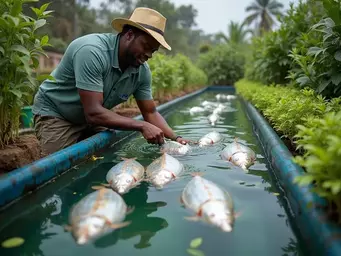
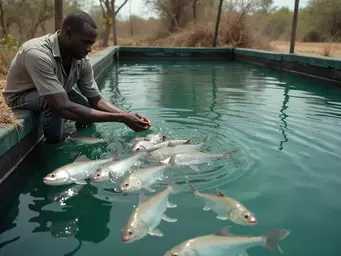
You've built your tilapia pond, stocked it with healthy fingerlings, and started feeding regularly—yet your fish seem stressed, gasping at the surface or showing poor appetite. Despite your best efforts, growth remains slow and some fish are dying unexpectedly. This frustrating scenario affects countless tilapia farmers who overlook one critical factor: water temperature management.
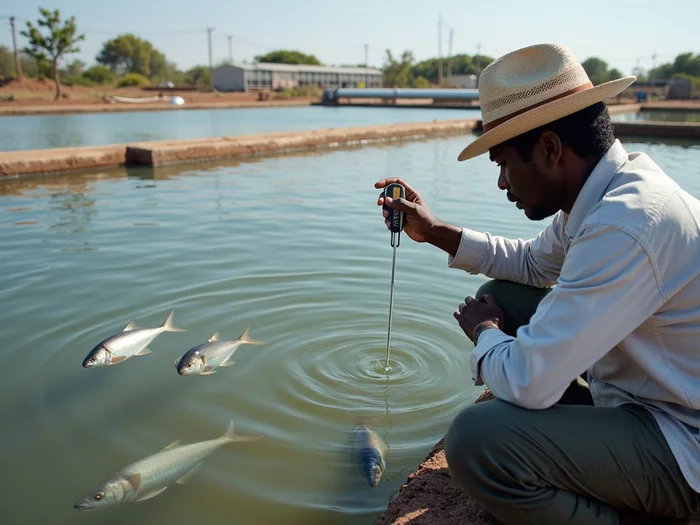
Temperature directly controls your tilapia's metabolism, feeding behaviour, and growth rates. Nile tilapia and Blue tilapia are tropical species that require specific temperature ranges to thrive—too cold and they stop eating, too hot and oxygen levels plummet. Understanding how temperature affects your fish is essential for profitable farming.
This comprehensive guide will teach you everything about managing water temperature in your tilapia operation. You'll discover optimal temperature ranges for different growth stages, learn practical methods to control pond temperature, and understand how seasonal changes impact your production cycles. By mastering temperature management, you'll maximise growth rates and protect your investment year-round.
🎯 What You'll Learn
- How to effectively manage water temperature for optimal tilapia growth.
- Best practices for stocking and feeding tilapia to maximise profitability.
- Common challenges in tilapia farming and practical solutions to overcome them.
Research and Planning for Tilapia Farming
You cannot build a successful tilapia farm without proper research and planning—yet many farmers skip this crucial step and pay dearly for it later. Before you dig your first pond or purchase fingerlings, you need to understand your local market, legal requirements, and which tilapia species will thrive in your specific conditions. This groundwork determines whether your farm generates profit or becomes an expensive lesson.
Most failed tilapia operations in Africa stem from poor planning rather than technical problems. Farmers often discover too late that their chosen location lacks proper water access, or that local markets are already oversupplied with tilapia. Others face costly delays when government officials shut down unlicensed operations.
Thorough research takes 2-3 months but saves years of struggle and thousands in losses. Here's how to plan your tilapia farming venture properly from the start.
Understanding Market Demand and Legal Regulations
You need to research local tilapia demand before investing in any infrastructure or stock. Visit fish markets in your area and speak directly with vendors about their weekly tilapia sales, preferred sizes (typically 300-500g), and current pricing. In Lagos markets, whole tilapia sells for ₦800-1,200 per kilogram, whilst in Nairobi's Gikomba market, prices range from KES 250-400 per kilogram depending on size and freshness.
Understanding legal requirements prevents costly shutdowns and fines that can destroy your business. In Nigeria, you must register with the Federal Department of Fisheries and obtain an aquaculture licence from your state government—contact your State Ministry of Agriculture for specific requirements and fees. Kenya requires registration with the State Department for Fisheries, whilst Uganda mandates permits from the National Fisheries Resources Research Institute (NaFIRRI).
You should also identify distribution challenges early, such as transport costs to markets and cold storage requirements. Many farmers in rural Tanzania struggle with poor road access during rainy seasons, forcing them to sell locally at lower prices. Plan your marketing strategy around these constraints rather than discovering them after harvest.
Choosing the Right Tilapia Species
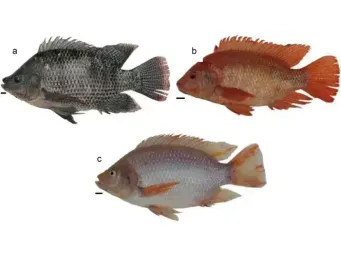
You have two main species options for African aquaculture: Nile tilapia (Oreochromis niloticus) and Blue tilapia (Oreochromis aureus). Nile tilapia grows faster, reaching 500g in 6-8 months under optimal conditions, whilst Blue tilapia typically requires 8-10 months to reach the same weight. This growth difference directly impacts your production cycles and profitability.
Nile tilapia adapts better to varying water conditions and tolerates pH fluctuations between 6.5-9.0, making it ideal for most African farming conditions. Blue tilapia requires more stable water parameters but shows better cold tolerance, which matters if you're farming in higher altitude areas like Kenya's Central Province or Ethiopia's highlands.
Market preference strongly favours Nile tilapia across most African countries due to its mild taste and firm texture. In Kenya's aquaculture sector, over 90% of farmed tilapia are Nile tilapia because consumers recognise and prefer this species. You should choose Nile tilapia unless specific local conditions or market demands favour Blue tilapia.
Selecting the Optimal Site for Your Farm
You need clay-rich soil with good water retention for earthen pond construction—sandy soils leak water and increase your operational costs significantly. Test soil pH levels, which should range between 6.5-8.5 for optimal tilapia health and growth. Many successful farms in Uganda's Wakiso District benefit from the region's natural clay soils that hold water well without expensive pond liners.
Your water source must provide consistent, clean water year-round, with access to at least 2,000 litres per square metre of pond surface monthly for evaporation and seepage replacement. Evaluate both quantity and quality—test for pH, dissolved oxygen, and potential pollutants from upstream agricultural or industrial activities. Boreholes provide the most reliable water source, though rivers and streams work if you can ensure consistent flow.
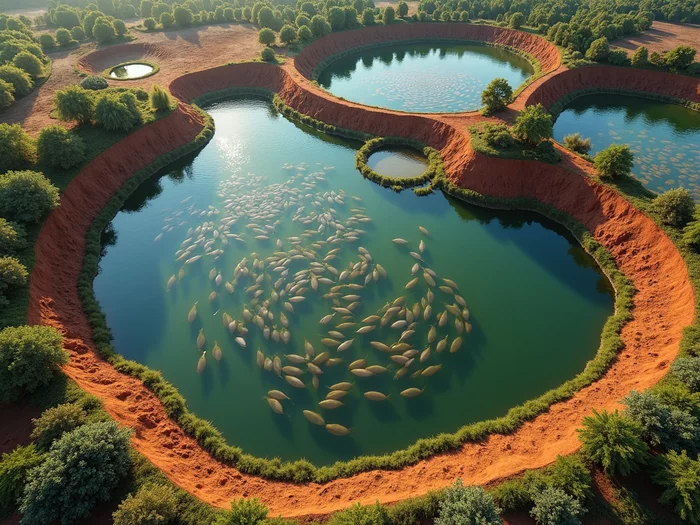
You want road access within 5 kilometres of major markets to keep transport costs manageable and ensure fresh fish delivery. Consider proximity to feed suppliers, veterinary services, and other tilapia farmers who can provide technical support and shared resources. Farms located more than 20 kilometres from main roads often struggle with high transport costs that reduce profit margins significantly.
Setting Up Your Tilapia Farm
You've completed your research and selected the perfect site—now comes the critical phase of building your tilapia farm infrastructure. Poor construction decisions at this stage will haunt your operation for years, causing constant water quality problems, fish stress, and reduced profits. Many farmers rush through setup only to discover their ponds leak, their filtration fails, or their fish die from temperature fluctuations.
Your pond design and water management systems directly determine your farm's success or failure. Nile tilapia require specific water conditions to achieve optimal growth rates of 500g in 6-8 months, whilst inadequate setup can extend this to 12 months or more. Every aspect—from pond depth to aeration systems—must support healthy fish development and efficient farm operations.
This section provides detailed specifications for constructing ponds, managing water quality, and installing essential systems. You'll learn proven techniques used by successful tilapia farmers across Africa, with specific measurements and materials that ensure your infrastructure supports profitable production from day one.
Preparing Ponds or Tanks for Tilapia
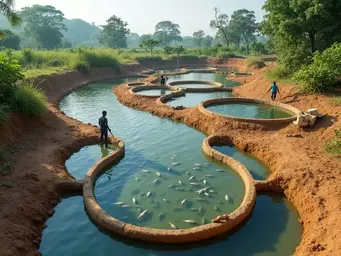
You need ponds with a minimum surface area of 500 square metres to maintain stable water conditions and support commercial tilapia production. Smaller ponds experience rapid temperature fluctuations and oxygen depletion that stress fish and reduce growth rates significantly. Your pond depth should range between 1-2 metres, with the deeper sections providing refuge during hot weather whilst shallow areas warm quickly for feeding activity.
Design your drainage system before excavation begins—install a monk board or standpipe system that allows complete pond draining for harvesting and maintenance. Position water inlets at opposite ends from outlets to ensure proper circulation throughout the pond. Many successful farms in Zambia use earthen ponds with clay-lined bottoms that cost 60% less than concrete whilst providing excellent water retention when properly constructed.
Your pond walls should slope at 45-degree angles to prevent erosion and provide stable edges for netting during harvest. Install overflow pipes 10cm below maximum water level to prevent flooding during heavy rains. Nile tilapia thrive in well-structured environments with adequate swimming space—overcrowded conditions lead to stunted growth and increased disease susceptibility that can destroy your entire stock.
💡 Pro Tip: Test Your Pond Before Stocking
Fill your new pond and let it settle for 2-3 weeks before adding fingerlings. This allows beneficial bacteria to establish and helps identify any leakage problems whilst they're still easy to fix.
Managing Water Quality and Aeration
You must monitor pH levels between 6.5-8.5 for optimal tilapia health, testing weekly with reliable pH test kits available from agricultural suppliers in major cities like Lagos or Nairobi. Dissolved oxygen levels must stay above 5 mg/L throughout the day—levels below 3 mg/L cause fish to gasp at the surface and stop feeding. Ammonia concentrations should remain below 0.5 mg/L, as higher levels damage fish gills and reduce growth rates dramatically.
Install paddle wheel aerators or fountain systems sized at 1 horsepower per 2,000 square metres of pond surface for adequate oxygen supply. Egyptian tilapia farmers successfully use solar-powered aerators that operate during peak afternoon hours when oxygen levels typically drop. You can also create natural aeration by designing ponds with shallow areas where wind action increases oxygen exchange with the atmosphere.
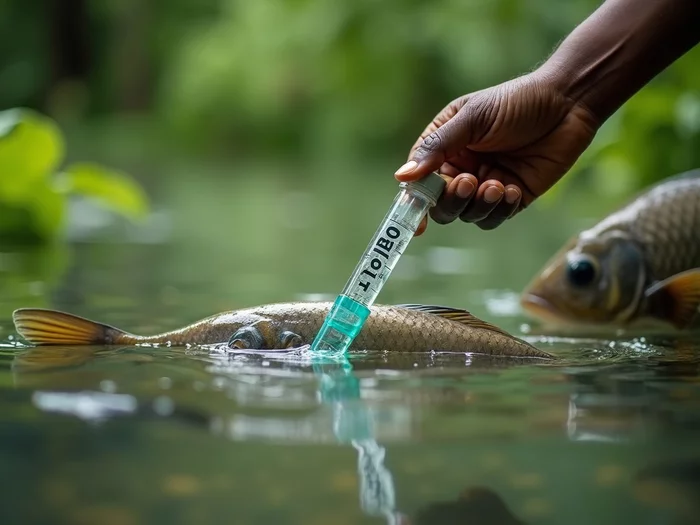
Nile tilapia tolerate lower oxygen levels better than Blue tilapia, making them more suitable for intensive farming systems. However, both species show reduced feeding and growth when dissolved oxygen falls below optimal levels. Test water parameters every morning before feeding—fish consume less oxygen on empty stomachs, giving you accurate baseline readings for daily management decisions.
Filtration Systems and Temperature Control
You can construct effective biological filtration using locally available materials like gravel, sand, and plastic containers arranged in series to remove waste and maintain water clarity. Create a simple three-stage system: coarse gravel removes large particles, fine sand filters smaller debris, and a final biological chamber with plastic media supports beneficial bacteria that break down harmful ammonia and nitrites.
Maintain water temperatures between 22-30°C for optimal tilapia growth—temperatures below 18°C cause fish to stop feeding entirely whilst temperatures above 32°C reduce oxygen levels dangerously. Ghanaian farmers use shade structures over portions of their ponds to prevent overheating during hot seasons, whilst deeper pond sections provide cooler refuges during peak afternoon temperatures.
Both Nile and Blue tilapia prefer warmer waters, but Nile tilapia adapts better to temperature fluctuations common in African climates. You can moderate temperature swings by maintaining adequate pond depth and using windbreaks around pond perimeters. Simple filtration systems require minimal maintenance but dramatically improve water quality and fish health when properly designed and operated consistently.
Stocking and Feeding Tilapia
You've prepared your ponds and established proper water quality—now comes the moment that determines your farm's profitability: stocking healthy fingerlings and implementing a feeding programme that maximises growth. Poor fingerling selection or inadequate feeding practices can extend your production cycle from 6 months to over a year, destroying your profit margins and cash flow projections.
Feeding represents 60-70% of your total production costs in tilapia farming, making it the single most important factor in determining profitability. Nile tilapia require specific protein levels and feeding frequencies to achieve optimal growth rates of 500g in 6-8 months. Overfeeding wastes money and pollutes water, whilst underfeeding stunts growth and extends production cycles significantly.
This section provides detailed guidance on selecting quality fingerlings, calculating stocking densities, and developing feeding strategies that maximise growth whilst controlling costs. You'll learn proven techniques used by successful commercial tilapia operations across Africa to achieve consistent harvests and maintain healthy fish populations.
Selecting Healthy Fingerlings and Stocking Density
You must source fingerlings from certified hatcheries that provide disease-free stock with documented health records and growth performance data. Quality fingerlings should measure 3-5cm in length, display bright silver colouration, and swim actively when disturbed. Avoid fingerlings with damaged fins, cloudy eyes, or lethargic behaviour—these indicate stress or disease that will spread throughout your pond and reduce survival rates dramatically.
Stock your ponds at 1-2 fingerlings per square metre for optimal growth and water quality management—higher densities lead to stunted growth and increased disease susceptibility. A 1,000 square metre pond should contain 1,000-2,000 fingerlings maximum, depending on your aeration capacity and feeding programme intensity. Tanzanian commercial farms achieve excellent results with 1.5 fingerlings per square metre combined with intensive feeding and water management.
Nile tilapia fingerlings adapt better to new environments than Blue tilapia and show higher survival rates during the critical first month after stocking. Quarantine new fingerlings in separate holding tanks for 7-10 days before introducing them to your main ponds—this allows you to monitor for diseases and reduces stress-related mortality that can reach 20-30% in poorly managed operations.
Types of Feed and Feeding Schedules
You need commercial feeds containing 28-32% protein for optimal tilapia growth, though you can supplement with locally available ingredients like maize bran, rice bran, and fishmeal to reduce costs. Floating pellets work best for monitoring feed consumption and preventing waste, whilst sinking pellets suit bottom-feeding behaviour but make it harder to assess intake. Ugandan farmers successfully use locally produced feeds combining 40% fishmeal, 30% maize meal, and 20% rice bran with vitamin supplements.
Feed your tilapia 2-3 times daily at consistent intervals—morning (8:00 AM), midday (1:00 PM), and evening (5:00 PM) feeding schedules work well for most operations. Young fingerlings require 8-10% of their body weight in feed daily, whilst mature fish need only 3-5% of body weight. Adjust feeding rates based on water temperature, as tilapia consume less feed when temperatures drop below 22°C.
Nile tilapia efficiently utilise plant-based feeds and agricultural by-products, making them more economical to raise than Blue tilapia which require higher protein levels for optimal growth. Monitor feeding response carefully—healthy tilapia should consume all feed within 15-20 minutes. Uneaten feed indicates overfeeding, poor water quality, or health problems that require immediate attention to prevent water pollution and fish stress.
💡 Pro Tip: Create Your Own Feed Mix
Combine 50% commercial feed with 30% maize meal and 20% local protein sources like termites or earthworms to reduce feed costs by 40% whilst maintaining good growth rates.
Monitoring Fish Health and Growth Conditions
You should inspect your tilapia daily during feeding times, looking for active swimming behaviour, clear eyes, and intact fins as indicators of good health. Healthy Nile tilapia display bright silver colouration with distinct black stripes, whilst stressed or diseased fish appear darker and may isolate themselves from the school. Record any abnormal behaviour, reduced feeding response, or visible lesions immediately for early disease intervention.
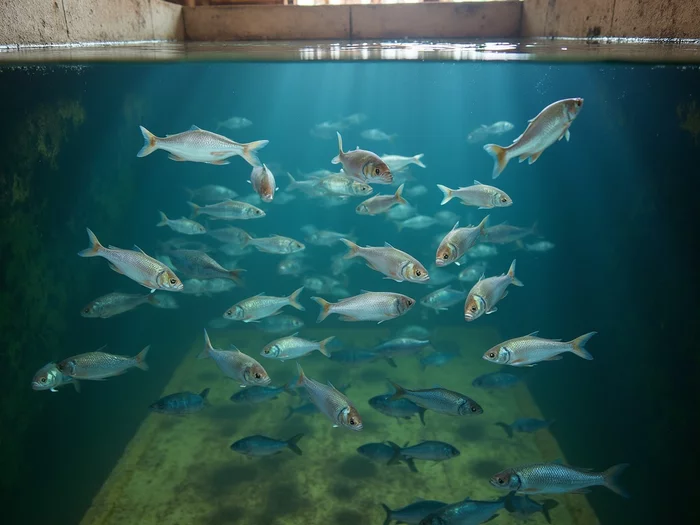
Weigh and measure a sample of 10-15 fish monthly to track growth rates and adjust feeding programmes accordingly. Nile tilapia should gain 15-20g per week under optimal conditions, reaching 300g in 4-5 months and 500g in 6-8 months. Kenyan commercial operations maintain detailed growth records that help identify the most productive ponds and feeding strategies for future production cycles.
Keep comprehensive records of water temperature, feeding amounts, mortality rates, and growth measurements in a simple logbook or mobile app. This data helps you identify patterns and optimise your management practices over time. Both Nile and Blue tilapia show consistent growth patterns when properly managed, but Nile tilapia typically demonstrate more predictable growth rates that simplify production planning and market timing decisions.
Maintenance and Monitoring Practices
You cannot achieve consistent tilapia production without establishing rigorous maintenance and monitoring routines that prevent problems before they become disasters. Many farmers focus intensively on setup and stocking but neglect ongoing maintenance, leading to gradual water quality deterioration, predator infiltration, and disease outbreaks that can destroy entire harvests within days.
Successful tilapia farming requires daily attention to water parameters, weekly equipment checks, and monthly comprehensive system evaluations. Small problems like minor pH fluctuations or equipment wear become major crises if ignored—a failed aerator during hot weather can kill your entire stock in 6-8 hours. Preventive maintenance costs far less than emergency repairs and stock replacement.
This section outlines essential monitoring protocols and maintenance schedules that protect your investment and ensure consistent production. You'll learn to identify early warning signs of problems and implement corrective measures before they impact fish health or growth rates significantly.
Regular Water Parameter Checks
You must test pH, dissolved oxygen, ammonia, and temperature at least twice weekly using reliable test kits available from agricultural suppliers in major African cities. Test water early morning (6:00 AM) and late afternoon (4:00 PM) to capture daily fluctuations—morning readings show minimum oxygen levels whilst afternoon readings reveal maximum temperatures and pH swings. Record all measurements in a logbook to identify trends and seasonal patterns.
Maintain pH between 6.5-8.5 for optimal tilapia health, with levels outside this range causing stress and reduced feeding behaviour. Dissolved oxygen should never drop below 4 mg/L, though levels above 6 mg/L support maximum growth rates. South African commercial farms use automated monitoring systems that alert farmers via SMS when parameters exceed safe ranges, preventing costly fish losses.
Nile tilapia tolerate wider parameter fluctuations than Blue tilapia, making them more suitable for extensive farming systems with limited monitoring equipment. However, both species show reduced growth and increased disease susceptibility when water quality deteriorates gradually over time. Weekly parameter testing allows you to identify problems early and implement corrective measures before fish health suffers significantly.
Predator Control Techniques
You face constant threats from birds (herons, kingfishers, cormorants), mammals (otters, mongooses), reptiles (snakes, monitor lizards), and aquatic predators that can devastate your tilapia stock within hours. Install 2.5cm mesh netting over pond surfaces to exclude birds whilst allowing adequate light penetration for natural food production. Malawian farmers successfully use locally woven bamboo screens that cost 70% less than imported netting whilst providing effective bird protection.
Construct 1.5-metre high perimeter fencing using chicken wire or woven wire mesh buried 30cm deep to prevent mammalian predators from accessing your ponds. Install motion-activated lights or noise makers around pond perimeters to deter nocturnal predators—solar-powered units work well in remote locations without electrical access. Regular fence inspections identify damage before predators establish access routes to your fish.
Blue tilapia may be more vulnerable to predation due to their tendency to school near pond surfaces, whilst Nile tilapia often seek deeper water when threatened. Remove vegetation around pond edges that provides cover for predators, and maintain clear sight lines for early predator detection. Zambian farmers report significant predation reduction after installing simple scarecrow systems that move with wind action to deter bird predators effectively.
Disease Prevention and Biosecurity Measures
You must implement strict biosecurity protocols to prevent disease introduction and spread throughout your operation. Disinfect all equipment, nets, and containers with 10% salt solution or potassium permanganate before moving between ponds. Quarantine new fish arrivals for 14 days in separate facilities, monitoring for signs of disease before introducing them to your main production ponds.
Learn to identify common tilapia diseases including bacterial infections (red spots, fin rot), parasitic infestations (white spots, excessive mucus), and viral diseases (abnormal swimming, mass mortality). Nigerian aquaculture extension services provide disease identification guides and treatment protocols specific to local conditions and available medications. Early detection and immediate treatment prevent disease spread that can destroy entire production cycles.
Nile tilapia generally show better disease resistance than Blue tilapia, particularly against bacterial infections common in intensive farming systems. Maintain optimal water quality and avoid overcrowding to reduce disease pressure naturally—stressed fish become more susceptible to infections that healthy fish resist easily. Establish relationships with local veterinarians or aquaculture specialists who can provide rapid diagnosis and treatment recommendations during disease outbreaks.
Harvesting and Marketing Your Tilapia
You've successfully raised your tilapia to market size—now comes the critical phase that determines whether your months of careful management translate into profitable returns. Poor harvesting techniques can cause significant fish mortality and quality deterioration, whilst inadequate marketing strategies leave you selling at below-market prices to the first available buyer.
Timing your harvest correctly maximises both fish size and market prices, as seasonal demand fluctuations can affect your selling price by 30-50%. Nile tilapia reach optimal market weight of 300-500g in 6-8 months under proper management, but harvesting too early reduces your profit per fish whilst waiting too long increases feed costs without proportional weight gains.
This section provides comprehensive guidance on harvest timing, handling techniques, and marketing strategies that maximise your returns. You'll learn proven methods used by successful tilapia farmers across Africa to maintain fish quality, access premium markets, and build sustainable customer relationships for long-term profitability.
Timing and Techniques for Harvesting
You should harvest tilapia when they reach 300-500g weight, which represents optimal market size and feed conversion efficiency for most African markets. Fish smaller than 300g receive lower prices per kilogram, whilst fish larger than 600g often have reduced meat quality and higher production costs per unit. Sample weigh 15-20 fish monthly during the final growth phase to determine harvest readiness accurately.
Use seine nets with 2.5cm mesh to harvest efficiently whilst minimising fish stress and injury that reduces market value. Begin harvesting early morning when temperatures are cooler and fish are less active—this reduces stress-related mortality and maintains better flesh quality. Kenyan commercial operations achieve 95% survival rates during harvest by using proper netting techniques and immediate transfer to holding tanks with adequate aeration.
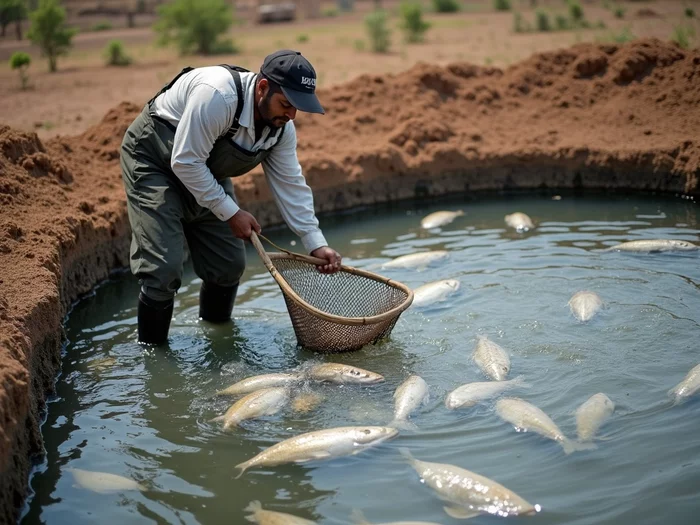
Nile tilapia can be harvested at younger ages than Blue tilapia due to faster growth rates, allowing more production cycles per year and improved cash flow. Coordinate harvest timing with market demand—many African markets show peak tilapia demand during religious holidays and festive seasons when prices increase 20-40% above normal levels. Plan your stocking schedule to align harvest periods with these high-demand periods for maximum profitability.
Strategies for Selling Your Tilapia Produce
You have multiple sales channels available, each with different profit margins and requirements: direct sales to consumers (highest margins), restaurants and hotels (premium prices for consistent supply), local markets (immediate cash but lower prices), and wholesalers (bulk sales but reduced margins). Ghanaian farmers successfully sell directly to restaurants, achieving 40% higher prices than wholesale markets whilst building long-term customer relationships.
Develop relationships with multiple buyers to avoid dependence on single customers who may reduce orders or delay payments during difficult periods. Offer consistent quality, reliable delivery schedules, and competitive pricing to build customer loyalty that ensures repeat sales. Many successful farmers in Uganda maintain customer databases with contact information, preferred sizes, and delivery schedules to streamline their marketing operations.
Nile tilapia commands higher market prices than Blue tilapia in most African markets due to consumer preference and recognition. Brand your farm with consistent packaging, quality standards, and customer service to differentiate your product from competitors. Consider value-added processing like filleting or smoking to increase profit margins, though this requires additional equipment and food safety certifications in most countries.
Understanding Pricing and Market Access
You need to understand local pricing factors including seasonal demand fluctuations, competing protein sources, and transportation costs that affect your final selling price. Tilapia prices typically peak during dry seasons when wild fish catches decline and during religious festivals when protein consumption increases. Tanzanian farmers track market prices weekly to identify optimal selling times and adjust production schedules accordingly.
Utilise mobile technology and farmer networks to access real-time market information and connect with buyers across wider geographic areas. Mobile apps like iCow in Kenya and Esoko in Ghana provide market price updates, weather information, and buyer contacts that help farmers make informed marketing decisions. Transportation costs can consume 15-25% of your selling price, so consider local markets versus distant urban centres carefully.
Quality assurance becomes increasingly important as markets develop and consumers become more discriminating about fish freshness and handling. Maintain cold chain management from harvest through delivery to preserve fish quality and command premium prices. The price differential between Nile and Blue tilapia varies by region, but Nile tilapia generally receives 10-20% higher prices due to market preference and perceived quality advantages among consumers.
⚠️ Warning: Avoid Market Gluts
Never harvest your entire production at once unless you have confirmed buyers. Sudden oversupply can crash local prices by 50% or more, destroying your profit margins completely.
Common Challenges and Solutions in Tilapia Farming
You will face numerous challenges during your tilapia farming journey—environmental stresses, economic pressures, and technical problems that can threaten your operation's viability. Understanding these challenges before they occur allows you to prepare solutions and contingency plans that protect your investment and maintain production continuity.
Most tilapia farming failures result from inadequate preparation for predictable challenges rather than unforeseeable disasters. Water scarcity affects operations across Africa during dry seasons, whilst market price fluctuations can destroy profit margins overnight. Equipment failures, disease outbreaks, and predator attacks occur regularly in commercial operations, but prepared farmers minimise their impact through proper planning and rapid response protocols.
This section identifies the most common challenges facing tilapia farmers across Africa and provides practical solutions developed by experienced operators. You'll learn to anticipate problems, implement preventive measures, and respond effectively when challenges arise to maintain profitable operations long-term.
Environmental Challenges
You face water scarcity during extended dry seasons that can reduce pond levels by 50% or more, concentrating fish populations and deteriorating water quality rapidly. Install rainwater harvesting systems during wet seasons to supplement pond water during dry periods—simple roof catchment systems can collect thousands of litres during single rainfall events. Egyptian farmers successfully use groundwater and surface water combinations to maintain consistent pond levels throughout seasonal variations.
Implement water conservation techniques including pond covers to reduce evaporation, efficient drainage systems to prevent water loss, and recycling systems that treat and reuse pond water. Construct deeper ponds (2-3 metres) in areas prone to drought, as deeper water maintains more stable temperatures and provides refuge during extreme weather conditions. Many Zambian farmers report 40% water savings using simple pond covers during peak evaporation periods.
Nile tilapia tolerate lower water levels and higher concentrations better than Blue tilapia, making them more suitable for areas with seasonal water constraints. Adapt your stocking schedules to align with seasonal water availability—stock ponds during wet seasons when water levels are highest and plan harvests before dry season water stress becomes critical. Climate variability requires flexible management approaches that can adjust quickly to changing environmental conditions.
Economic Challenges
You must manage operational costs carefully as feed prices, fuel costs, and labour expenses can fluctuate dramatically due to economic conditions and currency devaluations. Develop detailed budgets that account for 20-30% cost increases in major expense categories, and maintain cash reserves equivalent to 3-6 months operating expenses for unexpected cost spikes. Zambian government programmes provide financial literacy training and microfinance access specifically designed for smallholder aquaculture operations.
Explore cost-saving measures including local feed ingredient sourcing, cooperative purchasing arrangements with other farmers, and equipment sharing agreements that reduce individual investment requirements. Use locally available materials for pond construction and maintenance—bamboo, clay, and stone cost significantly less than imported materials whilst providing adequate functionality for most applications.

Economic viability differs between Nile and Blue tilapia based on local market demand, growth rates, and feed conversion efficiency. Nile tilapia generally provide better economic returns due to faster growth and higher market acceptance, though Blue tilapia may command premium prices in specific niche markets. Diversify your income sources through integrated farming systems that combine tilapia production with vegetable cultivation or other agricultural activities to reduce economic risk.
Technical Challenges
You will experience equipment failures including aerator breakdowns, pump malfunctions, and filtration system problems that can threaten fish survival within hours. Maintain backup systems for critical equipment—manual aerators, portable pumps, and emergency oxygen supplies can prevent catastrophic losses during equipment failures. South African commercial farms maintain equipment maintenance schedules and spare parts inventories that minimise downtime and prevent emergency situations.
Stay informed about new aquaculture technologies and management practices through farmer associations, extension services, and online resources that provide updated information relevant to African conditions. Attend workshops and training programmes offered by government agencies, NGOs, and private companies to improve your technical knowledge and management skills continuously.
Technical management requirements differ between Nile and Blue tilapia, particularly regarding feed formulations, health management, and environmental tolerances. Nile tilapia adapt better to varying technical management approaches, whilst Blue tilapia require more precise management for optimal performance. Develop relationships with experienced farmers, aquaculture specialists, and equipment suppliers who can provide technical support and advice when problems arise in your operation.
| Parameter | Optimal Range | Frequency | Action if Outside Range |
|---|---|---|---|
| Water Temperature | 22-30°C | Daily | Implement shade structures or aeration |
| pH Level | 6.5-8.5 | Weekly | Adjust with lime or acid |
| Dissolved Oxygen | Above 5 mg/L | Daily | Increase aeration or reduce stocking density |
| Ammonia Concentration | Below 0.5 mg/L | Weekly | Increase filtration or water exchange |
| Stocking Density | 1-2 fingerlings/m² | At stocking | Reduce numbers if overcrowding occurs |
| Feeding Frequency | 2-3 times daily | Daily | Adjust based on temperature and fish behaviour |
Managing these technical challenges effectively requires systematic record-keeping that tracks your farm's performance over time. Detailed records help you identify patterns, predict problems, and make informed decisions about equipment upgrades or management changes. Successful farmers who implement comprehensive record-keeping systems consistently outperform those who rely on memory and intuition alone.
Conclusion
You now possess comprehensive knowledge to establish and manage a profitable tilapia farming operation from initial planning through harvest and marketing. The key to success lies in thorough research, proper pond construction, consistent water quality monitoring, and strategic feeding programmes that maximise growth whilst controlling costs.
Remember that Nile tilapia offers the best combination of fast growth, market acceptance, and environmental adaptability for most African farming conditions. Focus on maintaining water temperatures between 22-30°C, pH levels of 6.5-8.5, and dissolved oxygen above 5 mg/L for optimal fish health and growth rates.
Your success depends on implementing these practices consistently rather than perfectly from day one. Start with proper site selection and pond preparation, then build your management skills through daily observation and record-keeping. Each production cycle will improve your understanding of your local conditions and market demands.
As you gain experience with basic tilapia production, consider exploring integrated farming systems that combine fish production with vegetable cultivation or other agricultural activities. This diversification can increase your income whilst reducing operational risks and creating more sustainable farming systems.
Frequently Asked Questions
What if my pond water temperature drops below 18°C unexpectedly?
If your water temperature drops below 18°C, your tilapia will stop feeding and become stressed. Consider using temporary pond covers, increasing pond depth in a section, or reducing feeding until temperatures recover. For Blue tilapia, this is less critical than for Nile tilapia, but both will suffer from prolonged cold.
How often should I clean my pond's filtration system?
You should inspect your filtration system components (gravel, sand, biological media) weekly for blockages or excessive sludge buildup. A thorough cleaning, which might involve backwashing or replacing media, should be done monthly or whenever you notice a significant drop in water clarity or flow. This prevents ammonia and nitrite spikes that harm your fish.
Can I stock both Nile tilapia and Blue tilapia in the same pond?
It is generally not recommended to stock both Nile and Blue tilapia in the same pond for commercial purposes. While they can coexist, Nile tilapia typically outcompete Blue tilapia for food and space due to their faster growth rates, leading to uneven growth and reduced profitability for the slower-growing species. Focus on one species for better management and consistent harvests.
Why is it important to quarantine new fingerlings, even from a reputable hatchery?
Quarantining new fingerlings for 7-10 days allows you to observe them for signs of stress or disease before introducing them to your main pond. Even certified hatcheries can have fish carrying dormant pathogens that may become active under transport stress. This simple step prevents potential disease outbreaks that could wipe out your existing healthy stock.
What's the best way to prevent my tilapia from jumping out of the pond?
Tilapia may jump due to poor water quality (low oxygen, high ammonia), overcrowding, or stress from predators. Ensure your dissolved oxygen stays above 5 mg/L and ammonia below 0.5 mg/L. You can also install a low-cost netting cover over your pond, especially if you observe frequent jumping, to physically prevent escape and deter bird predators.


Yomi Adisa Lead Researcher
Yomi Adisa is the lead researcher at Fish Farming Business, where he studies what makes aquaculture ventures profitable across Africa. His research focuses on market patterns, buyer preferences, and the business decisions that determine success or failure in fish farming.