Choosing the Right Tilapia Species for Your Farm
Posted on: 2025-11-18
By: Yomi Adisa
Picture this: you're standing beside your tilapia pond in Kampala, watching your fish grow slower than expected whilst your neighbour's farm thrives with the same feeding regime and water conditions. The difference? Species selection.
You chose Blue tilapia for their disease resistance, but your neighbour selected Nile tilapia hybrids optimised for your local temperature range. This scenario plays out across Africa daily, where the wrong species choice can mean the difference between profit and loss in your tilapia enterprise.
📑 Table of Contents
Species selection forms the foundation of successful tilapia farming, yet many farmers make this critical decision based on fingerling availability rather than performance characteristics. The wrong choice can reduce your growth rates by 30-40%, increase feed conversion ratios significantly, and limit your ability to achieve consistent harvests. Whether you're planning a new farm or considering species changes, understanding the precise differences between Nile, Blue, and hybrid tilapia determines your long-term profitability.
This comprehensive guide provides you with complete technical knowledge about each tilapia variety's growth performance, environmental tolerance, and management requirements. You'll learn specific feed conversion ratios, growth rates, temperature ranges, and genetic considerations that directly impact your bottom line.
We'll cover sex control methods, optimal farming systems for each species, and the real-world performance data you need to make informed decisions. By the end, you'll understand exactly which tilapia variety suits your climate, farming system, and market requirements—enabling you to select the species that maximises your farm's productivity and profitability from day one.
🎯 What You'll Learn
- Understand the distinct growth performance metrics and environmental tolerances of Nile, Blue, and hybrid tilapia for optimal species selection
- Master effective feed conversion ratio calculations to enhance profitability and reduce operational costs in tilapia farming
- Discover practical sex control methods to achieve predominantly male tilapia populations, ensuring faster growth and uniform harvests
This comprehensive guide provides you with complete technical knowledge about Nile tilapia (Oreochromis niloticus), Blue tilapia (Oreochromis aureus), and their hybrid varieties. You'll learn precise growth performance data, genetic characteristics, optimal management techniques, and economic considerations that determine farming success. We'll cover feed conversion ratios, specific growth rates, temperature tolerances, sex reversal methods, and polyculture applications with exact specifications you need for implementation.
Understanding species selection matters because it directly impacts your farm's profitability and sustainability. The right species choice can improve your feed conversion ratio by 15-25%, increase growth rates by 20-40%, and reduce mortality by 10-30%. Whether you're managing earthen ponds in Lagos, concrete tanks in Nairobi, or cage systems on Lake Victoria, selecting the appropriate tilapia species forms the foundation of successful aquaculture production.
Overview of Tilapia Species
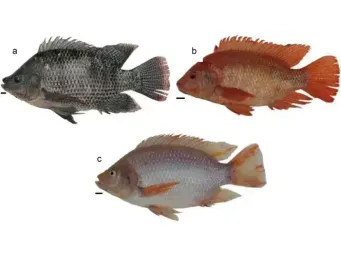
The three primary tilapia options available to African farmers each offer distinct advantages and challenges. Understanding their fundamental characteristics helps you match species selection to your specific farming conditions, market requirements, and production goals. Let's examine the key performance traits, environmental adaptability, and commercial applications of each option.
Nile Tilapia (Oreochromis niloticus)
Nile tilapia represents the gold standard for commercial aquaculture across Africa, delivering superior growth rates and feed efficiency under optimal conditions. These fish achieve specific growth rates of 4-6% daily during juvenile stages, reaching market size of 300-400g within 6-8 months under intensive management. Their feed conversion ratio ranges from 1.4:1 to 1.8:1 with quality commercial feeds, making them highly efficient protein converters.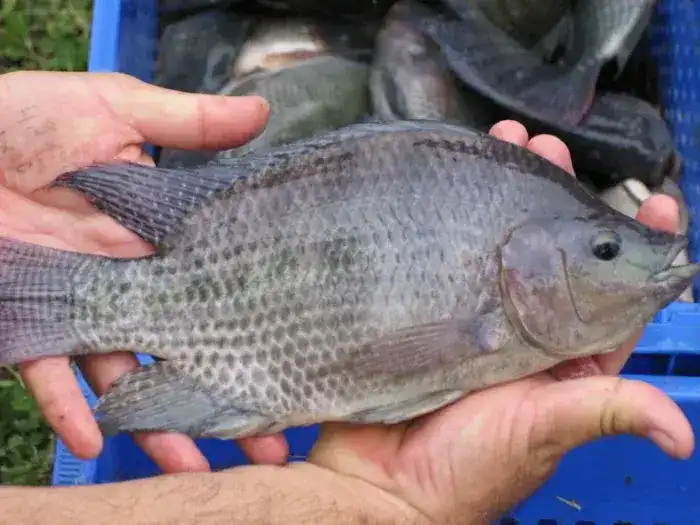
Temperature tolerance spans 22-35°C, with optimal growth occurring between 26-30°C. Below 20°C, growth slows dramatically, and prolonged exposure to temperatures below 15°C proves fatal. Dissolved oxygen requirements remain above 5mg/L for healthy growth, though they tolerate brief periods down to 3mg/L. pH tolerance ranges from 6.5-8.5, with optimal performance between 7.0-8.0.
Market demand for Nile tilapia remains consistently strong across Africa due to their mild flavour, firm white flesh, and excellent filleting characteristics. In Nigeria, whole Nile tilapia fetch 800-1,200 naira per kilogram in urban markets, whilst Kenyan farmers receive 280-350 shillings per kilogram. Their rapid growth and predictable market acceptance make them the preferred choice for commercial operations targeting consistent cash flow.
Blue Tilapia (Oreochromis aureus)
Blue tilapia excel in challenging environmental conditions where Nile tilapia struggle, offering superior cold tolerance and disease resistance. Their growth rates typically lag behind Nile tilapia by 15-25%, achieving 250-350g market size in 7-9 months, but their resilience compensates for slower development in marginal farming conditions. Feed conversion ratios range from 1.6:1 to 2.2:1, requiring more feed per kilogram of growth than Nile varieties.
Environmental adaptability represents Blue tilapia's greatest strength, tolerating temperatures from 10-38°C with continued feeding down to 15°C. This cold tolerance proves invaluable for highland farming or seasonal temperature variations. They handle lower dissolved oxygen levels better than Nile tilapia, surviving brief periods at 2mg/L, and tolerate wider pH ranges from 6.0-9.0.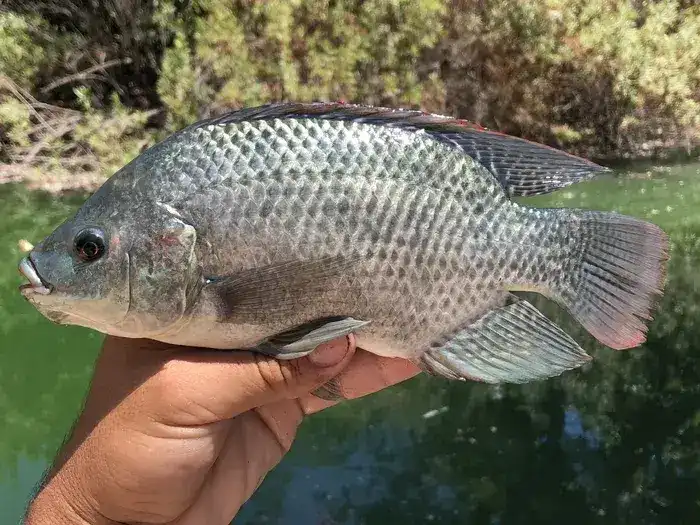
Nutritionally, Blue tilapia contain slightly higher protein content (18-20%) compared to Nile tilapia (16-18%), with comparable fat levels. However, market acceptance varies by region, with stronger demand in areas where Blue tilapia represent traditional fishing catches. In South African markets, Blue tilapia command similar prices to Nile varieties, whilst some West African markets show price premiums of 10-15% for their firmer texture.
Hybrid Tilapia
Hybridisation combines the best traits of parent species whilst often producing predominantly male offspring, eliminating breeding complications in grow-out systems. Common hybrids include Nile × Blue crosses, Mozambique × Nile combinations, and specialised commercial strains developed for specific production systems. These hybrids typically exhibit heterosis (hybrid vigour), showing 10-30% improved growth rates compared to parent species averages.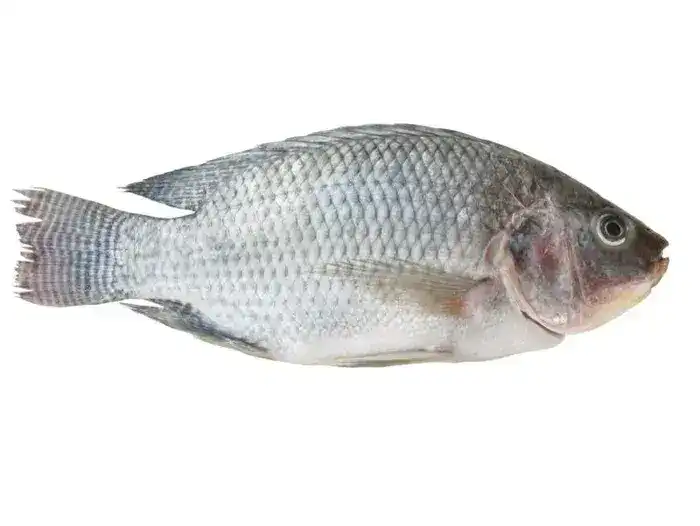
Hybrid performance varies significantly based on parent selection and environmental conditions. Well-designed Nile × Blue hybrids achieve feed conversion ratios of 1.3:1 to 1.6:1 under optimal management, combining Nile tilapia's growth efficiency with Blue tilapia's environmental tolerance. Temperature ranges typically span the broader parent range (15-35°C), with optimal growth between 26-30°C.
The primary advantage of hybridisation lies in producing 85-95% male offspring naturally, eliminating the need for hormonal sex reversal in many cases. This genetic approach to male production reduces fry costs and management complexity whilst maintaining growth advantages. However, hybrid vigour typically diminishes in subsequent generations, requiring farmers to source F1 hybrid fingerlings rather than breeding their own stock.
| Species | Specific Growth Rate (SGR) | Feed Conversion Ratio (FCR) | Temperature Tolerance (°C) | Dissolved Oxygen Requirements (mg/L) | Market Demand |
|---|---|---|---|---|---|
| Nile Tilapia | 4-6% | 1.4:1 to 1.8:1 | 22-35°C | Above 5 mg/L | Strong market demand |
| Blue Tilapia | 3-5% | 1.6:1 to 2.2:1 | 10-38°C | Above 2 mg/L | Variable market demand |
| Hybrid Tilapia | 5-7% | 1.3:1 to 1.6:1 | 15-35°C | Similar to Nile | Consistent market demand |
Growth Performance Comparison
Comparing growth performance across tilapia species requires understanding key metrics that directly impact your farm's productivity and profitability. These performance indicators help you predict harvest weights, calculate feed requirements, and optimise stocking densities for maximum return on investment. Let's examine the critical measurements that determine commercial success.
Feed Conversion Ratio (FCR)
Feed conversion ratio measures the kilograms of feed required to produce one kilogram of fish weight gain, directly impacting your production costs and profitability. Lower FCR values indicate more efficient feed utilisation, reducing your largest operational expense. Understanding species-specific FCR performance helps you budget accurately and select appropriate feeding strategies.
Nile tilapia consistently deliver the best FCR performance under optimal conditions, achieving ratios of 1.4:1 to 1.8:1 with quality commercial feeds containing 28-32% protein. A farmer in Kisumu reported FCR of 1.5:1 using locally-manufactured pellets, feeding 3% of body weight daily split between morning and evening feeds. Water temperature maintained at 28°C and dissolved oxygen above 6mg/L supported these exceptional conversion rates.
Blue tilapia typically require 1.6:1 to 2.2:1 feed conversion, reflecting their slower metabolic rate and different digestive efficiency. However, this apparent disadvantage diminishes when considering their ability to utilise lower-quality feeds and natural pond productivity. A commercial farm in Johannesburg achieved 1.8:1 FCR with Blue tilapia using 25% protein feeds supplemented with agricultural by-products, maintaining profitability despite higher feed requirements.
Hybrid tilapia often surpass both parent species, achieving FCR of 1.3:1 to 1.6:1 through hybrid vigour effects. The improved efficiency stems from enhanced digestive capacity and faster growth rates during critical juvenile phases. Commercial hybrid strains in Egyptian farms consistently deliver FCR below 1.5:1 under intensive management, justifying their higher fingerling costs through improved feed efficiency.
Specific Growth Rate (SGR)
Specific growth rate measures daily percentage weight increase, calculated as: SGR = [(ln(final weight) - ln(initial weight)) / days] × 100. This metric helps you predict harvest timing, plan cash flow, and optimise production cycles. Higher SGR values indicate faster growth and shorter production periods, improving capital turnover and reducing risk exposure.
Nile tilapia achieve SGR of 4-6% daily during optimal juvenile phases (10-100g), gradually declining to 2-3% as they approach market size. A farmer in Ibadan recorded 5.2% daily growth rate for 45-day-old fingerlings weighing 15g, reaching 180g within 90 days under intensive feeding. Temperature maintenance at 29°C, feeding at 4% body weight, and twice-daily water exchange supported these exceptional growth rates.
Blue tilapia typically show SGR of 3-5% during juvenile phases, reaching 1.5-2.5% at market size. Their slower growth compensates through extended growing seasons and better survival rates under stress conditions. Highland farmers in Kenya report consistent 3.8% SGR with Blue tilapia at elevations where Nile varieties struggle, demonstrating the value of species matching to environmental conditions.
Hybrid varieties often exceed parent species SGR by 15-25%, particularly during early growth phases. Commercial hybrids achieve 5-7% SGR during fingerling stages, maintaining 3-4% rates longer than pure strains. This extended high-growth period reduces time to market by 20-30 days, significantly improving production efficiency and cash flow timing.
Temperature and Oxygen Tolerance
Environmental tolerance determines species suitability for your specific location and farming system, affecting growth performance, survival rates, and management requirements. Understanding tolerance ranges helps you select species that thrive in your conditions rather than merely survive, maximising production potential whilst minimising stress-related losses.
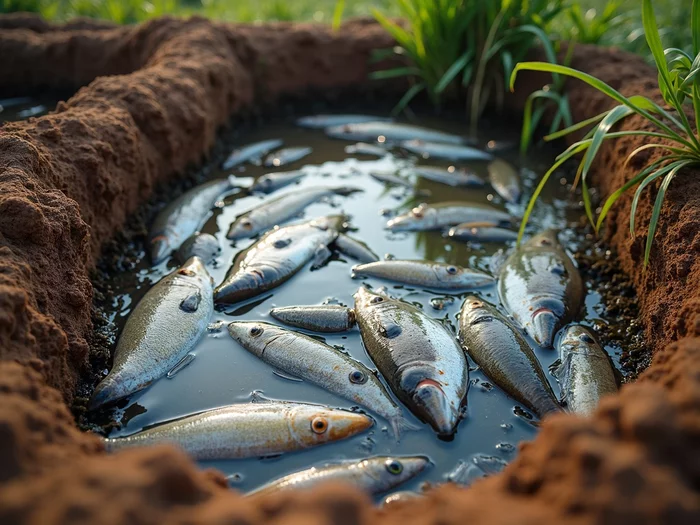
Nile tilapia require temperatures between 26-30°C for optimal growth, with feeding cessation below 18°C and mortality risks below 12°C. Dissolved oxygen needs remain above 5mg/L, with growth rates declining rapidly below 4mg/L. These requirements suit lowland tropical farming but limit highland applications. Farmers using solar heating or greenhouse systems extend Nile tilapia production into marginal temperature zones, maintaining 27°C through passive solar gain.
Blue tilapia tolerate temperature ranges from 15-35°C, continuing feeding down to 12°C and surviving brief exposure to 8°C. This cold tolerance enables year-round production in highland areas and seasonal farming in temperate zones. Oxygen requirements prove more flexible, maintaining growth at 3-4mg/L and surviving brief periods at 2mg/L. These characteristics suit extensive pond systems and areas with seasonal oxygen depletion.
Hybrid tolerance typically spans the broader parent range whilst maintaining good growth performance across conditions. Well-designed hybrids combine Nile growth rates with Blue environmental tolerance, achieving 80-90% of optimal growth across wider temperature ranges. This flexibility reduces environmental management costs whilst maintaining commercial growth performance, particularly valuable for farmers with limited climate control capabilities.
| Species | Temperature Tolerance Range (°C) | Oxygen Requirements (mg/L) | Recommended Management Practices |
|---|---|---|---|
| Nile Tilapia | 26-30°C optimal | Above 5 mg/L | Intensive feeding, water management |
| Blue Tilapia | 15-35°C | Can survive brief periods at 2 mg/L | Suitable for extensive systems, lower-quality feed utilisation |
| Hybrid Tilapia | 15-35°C | Similar to Nile | Intensive management required for optimal growth |
Genetic and Biological Considerations
Understanding the genetic factors that influence tilapia performance helps you make informed breeding decisions and optimise your production system's biological foundation. These considerations affect not only immediate growth and survival but also long-term productivity, disease resistance, and reproductive management. Let's explore the key genetic principles that impact commercial tilapia farming success.
Predominantly Male Offspring Production
Male tilapia grow 30-40% faster than females and don't divert energy into egg production, making all-male populations highly desirable for commercial farming. Achieving male-dominated stocks prevents unwanted breeding in grow-out systems, maintains consistent growth rates, and eliminates size variation that complicates harvesting and marketing. Several approaches enable farmers to produce predominantly male populations.
Hormonal sex reversal using 17α-methyltestosterone during early fry development achieves 95-98% male populations when properly implemented. Treatment begins when fry reach 9-12mm length, typically 7-14 days post-hatching, feeding hormone-treated feed at 60mg per kilogram for 21-28 days. A hatchery in Lagos produces sex-reversed Nile tilapia fry, feeding hormone-treated starter feed at 15% body weight six times daily, achieving 97% male rates verified through gonad examination.
Hybridisation offers a natural alternative, producing 85-95% male offspring through chromosomal manipulation without chemical treatment. Specific crosses between Nile tilapia females and Blue tilapia males yield predominantly male F1 offspring, though exact ratios depend on parent strain genetics. Commercial hybrid producers in Egypt consistently achieve 90% male rates through careful parent selection and controlled breeding programmes.
Manual sexing provides a labour-intensive but chemical-free option for smaller operations, examining juvenile fish at 30-50g size when sexual characteristics become visible. Experienced technicians achieve 85-90% accuracy, though the process requires significant labour and handling stress. Combined approaches using hybrid production followed by manual culling can achieve 98% male populations for premium markets demanding hormone-free production.
Genetic Traits and Performance
Genetic diversity within tilapia species significantly impacts growth performance, disease resistance, and environmental adaptation, making strain selection as important as species choice. Understanding genetic principles helps you source superior breeding stock and maintain productive populations over multiple generations. Different genetic lines within the same species can show 20-40% performance variations under identical conditions.
Growth-related genes affect feed conversion efficiency, protein synthesis rates, and metabolic capacity, directly influencing your farm's productivity and profitability. Genetically Improved Farmed Tilapia (GIFT) strains show 10-15% superior growth compared to unselected Nile tilapia populations, achieving market size 20-30 days earlier under identical management. These improved strains result from selective breeding programmes targeting fast growth, efficient feed conversion, and disease resistance over multiple generations.
Disease resistance genes determine survival rates under pathogen pressure, affecting both direct mortality and growth performance during recovery periods. Some Nile tilapia strains show natural resistance to Streptococcus infections, maintaining 90-95% survival rates where susceptible populations suffer 30-50% losses. Blue tilapia generally exhibit broader disease resistance, particularly against bacterial infections common in intensive systems.
Environmental adaptation genes influence temperature tolerance, oxygen requirements, and pH sensitivity, determining species suitability for specific farming conditions. Highland-adapted Nile tilapia strains maintain good growth at temperatures 2-3°C below standard varieties, extending production zones into marginal areas. These genetic adaptations develop through natural selection in specific environments and can be maintained through careful breeding management.
Implications of Hybridisation
Hybridisation creates opportunities to combine desirable traits from different species whilst potentially introducing complications in subsequent generations. Understanding hybrid biology helps you maximise benefits whilst avoiding common pitfalls that can reduce farm productivity. Successful hybrid programmes require careful parent selection, controlled breeding, and appropriate production management.
Hybrid vigour (heterosis) typically produces offspring that outperform both parent species averages, showing improved growth rates, feed efficiency, and survival under stress conditions. F1 hybrids between Nile and Blue tilapia often achieve 15-25% faster growth than either parent species, with improved disease resistance and environmental tolerance. This performance advantage stems from increased genetic diversity and complementary gene interactions.
However, hybrid vigour diminishes rapidly in subsequent generations, with F2 offspring showing highly variable performance and often inferior growth compared to F1 hybrids. This genetic segregation means farmers must source F1 fingerlings rather than breeding their own replacement stock, increasing dependency on specialised hatcheries but ensuring consistent performance. Attempting to breed F2 generations typically results in 20-40% performance reduction and increased size variation.
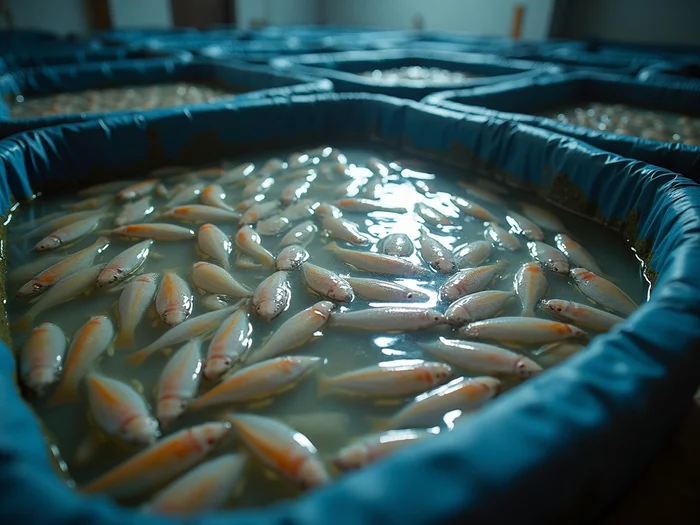
Commercial hybrid programmes require sophisticated breeding management to maintain parent lines and produce consistent F1 offspring. Successful programmes maintain pure breeding populations of both parent species, carefully controlling crosses to produce hybrid fingerlings with predictable characteristics. This complexity limits hybrid production to specialised facilities but provides farmers with superior fingerlings that justify higher costs through improved performance.
Farming Techniques and Management Practices
Effective tilapia farming requires species-specific management approaches that optimise growth performance whilst maintaining healthy production environments. Different species respond differently to various management techniques, making it essential to match your practices to your chosen variety. These techniques encompass sex control, culture systems, and feeding strategies that determine your farm's success.
Sex Control Methods
Controlling fish sex in your production system prevents unwanted reproduction, maintains uniform growth rates, and maximises harvest efficiency. Different approaches suit various farm sizes, market requirements, and management capabilities. Understanding the advantages and limitations of each method helps you select the most appropriate technique for your operation.
Hormonal sex reversal remains the most reliable method for producing all-male populations, achieving 95-98% success rates when properly implemented. Begin treatment when fry measure 9-12mm (typically 7-14 days post-hatching), feeding hormone-treated starter containing 60mg 17α-methyltestosterone per kilogram of feed. Feed at 15-20% of body weight six times daily for 21-28 days, maintaining water temperature at 26-28°C throughout treatment. A commercial hatchery in Kampala processes 100,000 fry monthly using this protocol, achieving 97% male rates with 95% survival.
Hand-sexing provides a hormone-free alternative for operations targeting premium markets or organic certification, though it requires significant labour and expertise. Begin sexing when fish reach 30-50g size (typically 8-12 weeks), examining the urogenital papilla shape and size under magnification. Males show pointed, elongated papillae whilst females display broader, rounded openings. Experienced technicians achieve 85-90% accuracy, though handling stress can reduce growth rates by 5-10% for several weeks post-sorting.
Hybrid production offers a genetic approach to male dominance, crossing specific parent combinations to produce 85-95% male offspring naturally. Nile tilapia females bred with Blue tilapia males consistently yield predominantly male F1 offspring through chromosomal mechanisms. This approach eliminates chemical treatments whilst providing superior growth performance through hybrid vigour, though it requires access to pure parent breeding stock and controlled mating systems.
| Method | Description | Success Rate | Advantages | Disadvantages |
|---|---|---|---|---|
| Hormonal sex reversal | Use of 17α-methyltestosterone | 95-98% success | High efficiency | Requires expertise |
| Hand-sexing | Manual identification of males | 85-90% accuracy | Chemical-free | Labour-intensive |
| Hybrid production | Genetic method producing 85-95% males | Natural process | Requires access to pure breeding stock | Potential for reduced hybrid vigour in later generations |
Polyculture Practices
Polyculture systems combine tilapia with complementary species to improve pond productivity, utilise different feeding niches, and diversify income sources. Successful polyculture requires understanding species interactions, feeding habits, and environmental requirements to avoid competition and predation. Proper species selection and stocking ratios can increase total pond productivity by 25-40% compared to tilapia monoculture.
Tilapia-catfish polyculture represents the most common combination across Africa, utilising different water zones and feeding preferences. Stock Nile tilapia at 2-3 fish per square metre with African catfish (Clarias gariepinus) at 0.5-1 fish per square metre. Tilapia feed primarily on supplemental feeds and algae in upper water layers, whilst catfish consume bottom organic matter and waste. A farmer in Ibadan achieves combined harvests of 4-5 tonnes per hectare using this system, with tilapia providing steady income and catfish commanding premium prices.
Integrated aquaculture-agriculture systems combine tilapia farming with crop or livestock production, creating synergistic nutrient cycles that reduce input costs. Pond water rich in fish waste provides excellent irrigation for vegetables, whilst crop residues supplement fish feeds. Duck-fish integration allows ducks to feed on pond insects and weeds whilst their droppings fertilise water for natural fish food production. Farmers in Uganda report 30-40% reduction in feed costs through integrated systems whilst maintaining comparable growth rates.
Cage polyculture within larger water bodies enables species combinations impossible in pond systems, utilising different water depths and feeding zones. Stock tilapia in surface cages at 50-80 fish per cubic metre whilst maintaining bottom-feeding species like mud crabs or freshwater prawns below. This vertical utilisation maximises water body productivity whilst reducing disease transmission risks between species. Lake Victoria cage farmers achieve combined yields exceeding single-species production by 35-50% through careful species selection and feeding management.
Cage and Pond Farming Techniques
Choosing between cage and pond farming systems depends on available resources, water bodies, and production goals. Each system offers distinct advantages and challenges that affect species selection, management intensity, and economic returns. Understanding system-specific requirements helps you optimise your chosen approach for maximum productivity.
Pond farming provides complete environmental control, enabling intensive management and higher stocking densities. Earthen ponds measuring 20-50 metres length, 15-30 metres width, and 1.2-1.5 metres depth suit most tilapia species. Stock Nile tilapia at 2-5 fish per square metre depending on management intensity, maintaining dissolved oxygen above 5mg/L through paddlewheel aeration or air stones. A commercial farm in Lagos operates 12 earthen ponds totalling 2 hectares, stocking at 4 fish per square metre and achieving 8-10 tonnes per hectare annually through intensive feeding and water management.
Cage farming enables production in natural water bodies without land ownership, though it requires careful site selection and environmental monitoring. Use cages measuring 4×4×3 metres for small-scale operations or 10×10×4 metres for commercial production, constructed from galvanised steel frames with polyethylene netting. Stock at 50-100 fish per cubic metre depending on species and water quality, feeding 2-4 times daily with sinking pellets to minimise waste. Nile tilapia perform excellently in cages with good water exchange, whilst Blue tilapia suit areas with seasonal temperature variations.
Water quality management differs significantly between systems, with ponds requiring active management and cages depending on natural water body conditions. Pond systems need regular water exchange (10-20% weekly), pH monitoring, and algae control through fertilisation or biological management. Cage systems require site selection with adequate water depth (minimum 5 metres), current flow (0.1-0.3 metres per second), and distance from pollution sources. Both systems benefit from regular fish health monitoring and prompt response to disease outbreaks.
Feed Management
Effective feeding strategies directly impact growth performance, feed conversion efficiency, and production costs across all tilapia species. Understanding species-specific nutritional requirements and feeding behaviours helps you optimise feed utilisation whilst minimising waste and environmental impact. Proper feed management can improve FCR by 15-25% and reduce production costs significantly.
Feed quality requirements vary between species, with Nile tilapia performing best on high-protein commercial feeds containing 28-32% protein for juveniles and 25-28% for grow-out phases. Blue tilapia tolerate lower protein levels (22-28%) and utilise agricultural by-products more effectively, making them suitable for low-cost feeding programmes. Hybrid varieties typically require feeding programmes similar to Nile tilapia to express their full growth potential, though they often show improved feed conversion efficiency.
Feeding frequency and timing significantly affect growth performance and feed waste, with optimal schedules varying by species and life stage. Feed juvenile tilapia (under 50g) 4-6 times daily at 8-12% body weight, reducing to 2-3 times daily at 3-5% body weight for market-size fish. Morning and evening feeding periods coincide with natural feeding behaviour, improving feed acceptance and reducing waste. A farm in Kisumu improved FCR from 1.8:1 to 1.5:1 by switching from once-daily to twice-daily feeding schedules.
Feed storage and handling practices prevent nutrient degradation and contamination that can reduce growth performance and cause health problems. Store feeds in cool, dry conditions below 25°C and 65% humidity, using sealed containers to prevent pest infestation. Rotate stock using first-in-first-out principles, avoiding feeds older than 3 months for optimal nutritional value. Check feeds regularly for mould, rancidity, or pest damage, discarding compromised batches to prevent disease outbreaks and poor performance.
| Species | Optimal Feed Type | Protein Requirements | Feeding Frequency | Special Considerations |
|---|---|---|---|---|
| Nile Tilapia | High-quality commercial pellets | 28-32% (juveniles), 25-28% (adults) | 4-6 times daily (juveniles), 2-3 times (adults) | Requires consistent feeding schedule |
| Blue Tilapia | Commercial feeds or agricultural by-products | 22-28% | 2-4 times daily | More tolerant of feed quality variations |
| Hybrid Tilapia | High-quality commercial pellets | Similar to Nile tilapia | Similar to Nile tilapia | Often shows improved feed conversion efficiency |
Selecting the right tilapia species for your farm isn't just about choosing what's available—it's about matching species characteristics to your specific conditions, market demands, and management capabilities. Nile tilapia deliver exceptional growth and feed efficiency under optimal conditions, Blue tilapia excel in challenging environments with superior cold tolerance, and hybrids combine the best traits whilst producing predominantly male populations. Focus on your local temperature ranges, available feeds, and target markets when making your decision.
You now have the technical knowledge to evaluate each species objectively, from feed conversion ratios and growth rates to environmental tolerances and genetic considerations. Don't feel overwhelmed by the complexity—successful farmers start with one species, master its requirements, and gradually expand their knowledge through hands-on experience. Your first choice doesn't have to be perfect; it needs to be appropriate for your current situation and capabilities.
Consider visiting nearby farms growing different species to observe their performance firsthand, and connect with local suppliers to understand fingerling availability and costs. Many successful farmers experiment with small test groups before committing to large-scale production. As you gain confidence with your chosen species, explore how proper pond preparation, water quality management, and feeding strategies can maximise their potential. Remember, the right species selection sets the foundation, but consistent daily management determines your ultimate success in tilapia farming.
Frequently Asked Questions
How can I choose between Nile, Blue, or Hybrid tilapia if my farm experiences seasonal temperature drops?
If your farm experiences seasonal temperature drops, Blue tilapia are a strong choice due to their superior cold tolerance, continuing to feed down to 15°C. Hybrid tilapia are also a good option as they often combine Nile tilapia's growth rates with Blue tilapia's environmental tolerance, performing well across wider temperature ranges. Consider your specific temperature fluctuations to match the species' optimal growing conditions.
Why is producing predominantly male tilapia so important for my farm's profitability?
Producing predominantly male tilapia is crucial because males grow 30-40% faster than females and don't divert energy into egg production. This prevents unwanted breeding in your grow-out systems, maintains consistent growth rates, and eliminates size variation, which simplifies harvesting and marketing. Ultimately, it leads to faster time to market and better feed conversion.
What specific benefits can I expect from using a genetically improved farmed tilapia (GIFT) strain?
You can expect significant improvements in growth performance, with GIFT strains showing 10-15% superior growth compared to unselected Nile tilapia. This means your fish could reach market size 20-30 days earlier under the same management practices. GIFT strains are also selectively bred for efficient feed conversion and disease resistance, further boosting your farm's productivity.
How do I manage feeding for hybrid tilapia to maximise their FCR?
To maximise the FCR for hybrid tilapia, which can achieve ratios of 1.3:1 to 1.6:1, you should use quality commercial feeds, likely with 28-32% protein, similar to Nile tilapia. Monitor water temperature and dissolved oxygen closely, as optimal conditions (26-30°C and above 5mg/L DO) are critical for them to express their full hybrid vigour and feed efficiency.
Can I use polyculture to improve my tilapia farm's overall productivity and income?
Yes, you can significantly improve productivity and diversify income through polyculture, potentially increasing total pond productivity by 25-40%. A common and effective combination in Africa is tilapia with African catfish, where tilapia feed on supplemental feeds and algae, while catfish consume bottom organic matter. This strategy maximises the utilisation of different feeding niches within your pond.


Yomi Adisa Lead Researcher
Yomi Adisa is the lead researcher at Fish Farming Business, where he studies what makes aquaculture ventures profitable across Africa. His research focuses on market patterns, buyer preferences, and the business decisions that determine success or failure in fish farming.