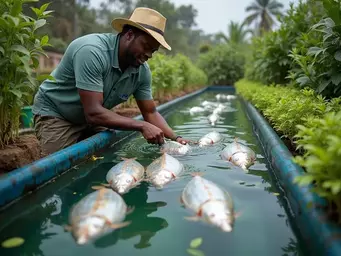
Location & Site Selection
- ✓ Proximity to water sources
- ✓ Protection from winds/flooding
- ✓ Access to nearby markets
Posted on: 2025-10-18
By: Yomi Adisa
Have you ever wondered what it takes to create a successful tilapia pond in the tropics? The right design can make all the difference in fish health and productivity. Dive into these essential insights to unlock your tilapia farming potential!
Successful tilapia farming hinges on well-planned pond designs, especially in tropical climates. Key elements revolve around location, structure, and water quality. For a deeper dive into construction, read about building affordable tilapia ponds in Africa.
When embarking on your journey in tilapia farming, understanding optimal pond designs is crucial for success. The right design not only enhances fish health but also increases productivity. In this section, we will explore key considerations when designing tilapia ponds specifically tailored to tropical climates.
Designing a tilapia pond in a tropical setting involves various factors that can significantly impact growth and survival rates. From location to water management, each aspect requires careful planning. Let’s dive into these essential considerations!
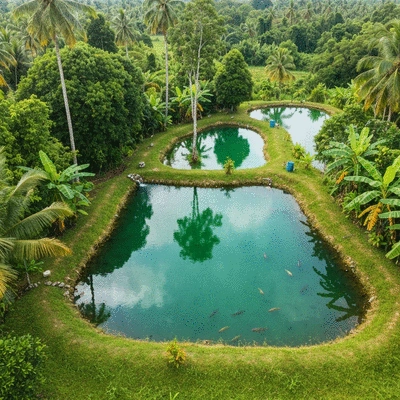
Choosing the right location for your tilapia pond is foundational. Ideally, look for areas with adequate sunlight and stability in water levels. Here are some critical points to keep in mind:
By carefully selecting your site, you can create a more favorable environment for your fish and streamline your farming operations. You can find more information on site selection at blog.tilapiafarmingsolutions.com/site-selection-for-aquaculture-ponds.
Next, let’s discuss pond shapes and sizes. While rectangular ponds are popular due to their ease of management, consider your specific land and water needs. Here are some guidelines:
Choosing the right shape and size will enable you to manage your pond more efficiently and support the rapid growth of your tilapia.
Water quality is the lifeblood of any successful tilapia farming operation. Maintaining optimal conditions ensures your fish thrive. Here are key aspects of water management for your tilapia pond. For more details on this topic, refer to our guide on managing tilapia pond water quality.
Water depth plays a vital role in fish health. It helps regulate temperatures and provides a stable environment. I recommend:
Consistent water depth will contribute to a more robust tilapia population.
Effective water retention and drainage are essential to managing your pond’s health. Here are some strategies that I have found helpful:
By implementing these strategies, you can create a more stable aquatic environment for your tilapia!
Lastly, managing pH levels and nutrient balance is critical for tilapia health. Regular testing helps maintain a pH between 6.5 and 8.5. Here are a few steps to ensure your water remains balanced:
Consistent monitoring will help you maintain a healthy and productive pond.
The materials you choose for constructing your pond can make a significant impact on its longevity and effectiveness. Here are some considerations to take into account.
Clay soil is an excellent option for tilapia pond construction due to its impermeability. Here’s why:
Choosing clay soil can be a game-changer for your farm’s water management!
When building your pond, consider construction techniques suited for tropical conditions. Some ideas include:
Adapting your techniques will ensure that your pond withstands tropical weather conditions.
Using pond liners can significantly boost the durability of your tilapia farm. They help prevent seepage and maintain water levels. Here are some options:
Choosing the right liner can protect your investment and enhance pond longevity. For more information on pond construction, check out our article on building a tilapia pond locally.
As climate conditions shift, it's essential to adapt your farming practices. Here are some strategies to help you maintain a thriving tilapia farm.
Tilapia thrive in warmer waters, but extreme temperatures can be harmful. To maintain optimal conditions:
By managing water temperatures effectively, you’ll foster a healthier fish population.
Preparing for extreme weather is crucial for the sustainability of your tilapia farm. Stay proactive by:
Being prepared will give you peace of mind and protect your investment.
Finally, adding shade structures is vital for protecting fish from the harsh sun. Not only do they provide relief from heat, but they also promote better growth. Consider:
By incorporating these structures, you enhance the overall health and productivity of your tilapia!
To enhance the health and growth of your tilapia, consider integrating a rotational feeding schedule. By varying the types of feed and adjusting feeding times, you can improve nutrient absorption and overall fish well-being. This practice not only promotes faster growth rates but also helps reduce waste and maintain better water quality in your pond.
A minimum size of 500 square meters and a depth of 1.2 to 1.5 meters are recommended for effective management and stable conditions for tilapia in tropical climates.
Choosing the right location, with adequate sunlight, proximity to water sources, and protection from winds and flooding, is foundational for fish health and efficient farming operations.
Regular weekly monitoring of pH levels and nutrient balance is crucial. Maintaining a pH between 6.5 and 8.5 is essential for tilapia health and productivity.
Clay soil is an excellent choice due to its impermeability. Additionally, integrating pond liners like HDPE or natural clay can significantly enhance durability and prevent seepage.
Design for climate resilience by building robust levees against flooding, having contingency plans for water shortages, and incorporating shade structures to regulate temperature and protect fish from harsh sun.
As we wrap up our discussion on optimal pond designs for tilapia farming, it's vital to highlight a few key takeaways. Successful tilapia farming begins with comprehensive planning and a firm understanding of your environment. This process not only ensures that you create a sustainable system but also that you can adapt to the unique challenges of tropical climates.
Here are some essential points to remember:
By keeping these factors in mind, you'll set the stage for a thriving tilapia farm. Remember, every detail counts toward achieving sustainable aquaculture practices that benefit both your fish and your local community.
Planning is the backbone of any successful tilapia farming venture. Spending time to carefully assess your pond's design can prevent future challenges and improve productivity. When I started my journey in aquaculture, I quickly learned that a well-thought-out plan would save me time and resources in the long run.
Here are some practical steps to consider during your planning phase:
With a solid plan in place, you’ll not only foster a healthy environment for your tilapia but also enhance the economic viability of your venture. Discover more about planning your farm at resources.tilapiafarmingsolutions.com/planning-your-first-aquaculture-project.
At Tilapia Farming Solutions, we believe in promoting sustainable aquaculture practices that benefit local communities. This means implementing methods that preserve our natural resources while ensuring a profitable outcome for farmers. Sustainable practices are not just a trend; they are essential for the longevity of the tilapia farming industry in Africa.
Consider these sustainable practices to help ensure long-term success:
By embracing sustainability, you can secure a future where tilapia farming not only feeds families but also strengthens local economies.
Now that you have a foundational understanding of pond designs and management strategies, it’s time to dive deeper into your tilapia farming journey! There are numerous resources available to help you expand your knowledge. Consider joining local aquaculture groups or online forums to connect with fellow farmers.
Here are some great resources to explore:
Engaging with these resources will empower you to make informed decisions as you develop your tilapia farm.
Are you ready to take the plunge into tilapia farming? Begin by sketching out your pond design based on the insights shared in this article. Remember, the right pond design can significantly enhance your farming success! Don’t hesitate to reach out if you have questions—at Tilapia Farming Solutions, we're here to support you every step of the way.
Let’s make your tilapia farming dreams a reality! Start today, and together we can cultivate a thriving aquaculture community.
Here is a quick recap of the important points discussed in the article:
Yomi Adisa Lead Researcher
Yomi Adisa is the lead researcher at Fish Farming Business, where he studies what makes aquaculture ventures profitable across Africa. His research focuses on market patterns, buyer preferences, and the business decisions that determine success or failure in fish farming.
New to Tilapia Farming? Confused where to start with our articles?
FREE guides, tools & resources to help you run a more profitable fish farming business.