Using Natural Substrates for Better Tilapia Breeding
Posted on: 2025-11-13
By: Yomi Adisa
Table of Contents
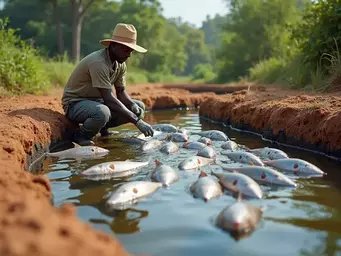
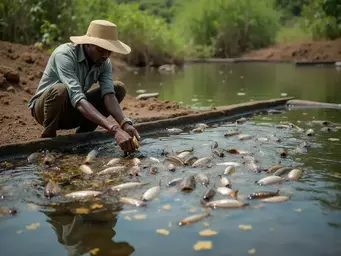
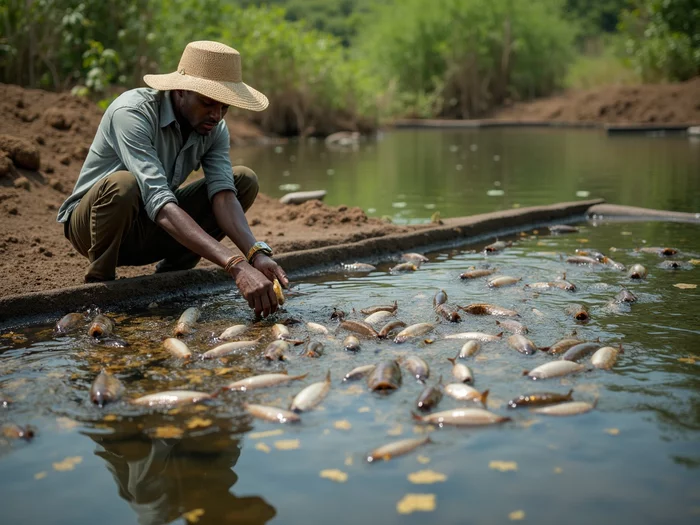
You've built your tilapia pond, stocked it with healthy fingerlings, and started feeding regularly—yet your fish keep dying unexpectedly. The water looks clear, the fish seemed fine yesterday, but this morning you're pulling dead tilapia from the surface. This heartbreaking scenario plays out on farms across Africa when farmers miss the early warning signs of disease.
Disease prevention is far more effective than treatment in tilapia farming, whether you're raising Nile tilapia or Blue tilapia. A single outbreak can wipe out months of investment and hard work. The key lies in recognising subtle changes in fish behaviour, water conditions, and pond environment before problems escalate into disasters.
This guide will teach you how to spot the early warning signs that indicate disease risk in your tilapia pond. You'll learn what healthy fish behaviour looks like, which environmental changes signal trouble, and how to take preventive action that protects your entire stock before it's too late.
🎯 What You'll Learn
- How to select the right tilapia species based on local conditions and market demands.
- Effective techniques for creating optimal spawning environments using natural substrates.
- Practical solutions to common challenges faced in tilapia breeding.
Understanding Tilapia Breeding
You cannot succeed in tilapia breeding without understanding the fundamental biology of your fish species. Many farmers in Africa stock their ponds with fingerlings but never learn how these fish naturally reproduce, leading to overcrowding, stunted growth, and poor harvests. Whether you're raising Nile tilapia or Blue tilapia, each species has distinct breeding behaviours that directly impact your production success.
The difference between profitable tilapia farming and constant losses often comes down to species selection and breeding management. A farmer in Kisumu discovered this when his Blue tilapia took 8 months to reach market size whilst his neighbour's Nile tilapia achieved the same weight in 6 months. Understanding reproductive cycles, growth rates, and breeding behaviours helps you choose the right species for your local conditions and market demands.
Successful breeding starts with knowing your fish inside and out. Here's what you need to understand about tilapia biology, reproductive behaviours, and species selection to build a profitable breeding programme on your farm.
The Biology of Tilapia Species
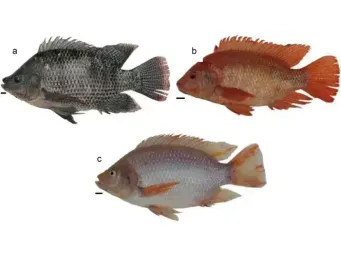
You need to understand that Nile tilapia (Oreochromis niloticus) and Blue tilapia (Oreochromis aureus) have different growth rates and reproductive patterns that affect your farming success. Nile tilapia can reach 300g in 6 months under optimal conditions with water temperatures between 25-30°C, whilst Blue tilapia typically takes 7-8 months to achieve similar weights. This growth difference translates directly into feed costs and time to market.
Your breeding programme depends on understanding reproductive cycles, which vary between species and seasons. Nile tilapia begin breeding at 3-4 months old when they reach 50-100g, producing 200-2,000 fry per spawn depending on female size. In Uganda, farmers prefer Nile tilapia because it thrives in warmer waters and breeds more frequently during the dry season when water temperatures remain consistently high.
You want to monitor breeding behaviours because they indicate fish health and environmental suitability. Healthy tilapia establish territories, build nests, and display vibrant colours during spawning season. Blue tilapia can tolerate harsher conditions including higher salinity levels, making them suitable for areas with brackish water, but their slower growth means longer production cycles and higher feed costs.
Reproductive Behaviours: Mouthbrooders vs. Substrate Spawners
You must understand that Nile tilapia are mouthbrooders, meaning females carry fertilised eggs and fry in their mouths for 10-14 days after spawning. This behaviour provides excellent protection for developing fry but means the female cannot feed during this period, losing body weight and condition. Blue tilapia are substrate spawners that lay eggs in prepared nests on the pond bottom, requiring different management approaches.
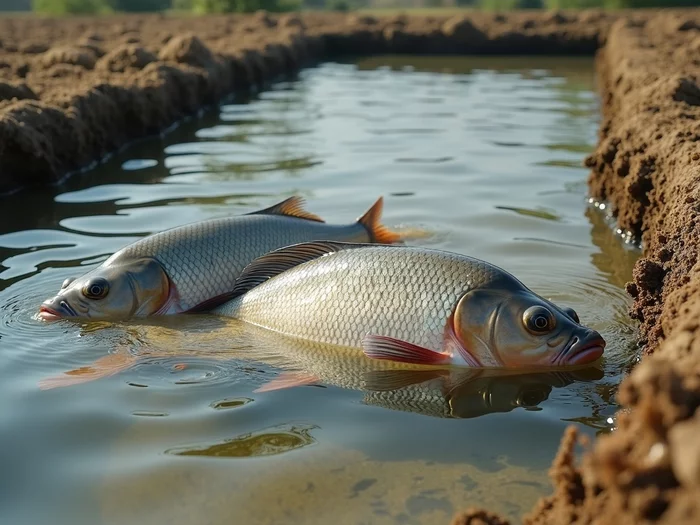
Your substrate choice becomes critical because it affects breeding success and fry survival rates. Mouthbrooding Nile tilapia prefer areas with rocks, logs, or artificial substrates where they can establish territories and feel secure during the vulnerable brooding period. Farmers in Ghana often prefer Nile tilapia because the mouthbrooding behaviour results in higher fry survival rates—up to 80% compared to 40-60% for substrate spawners.
You need to provide appropriate breeding environments for each species type. Substrate spawners require clean, stable surfaces for nest building and benefit from shallow areas (30-50cm deep) with gentle water movement. The parental care differences mean mouthbrooders produce fewer but more viable fry, whilst substrate spawners may produce larger numbers with higher mortality rates.
Selecting the Right Tilapia Species for Your Farm
You should base your species selection on local water conditions, climate, and market demands rather than just availability. Nile tilapia thrives in freshwater with temperatures between 25-30°C and pH levels of 6.5-8.5, making it ideal for most African farming conditions. If your water source has higher salinity or fluctuating temperatures, Blue tilapia may be more suitable despite slower growth rates.
Your local market preferences and pricing determine profitability more than growth rates alone. In Zambia, Nile tilapia commands premium prices because consumers prefer its taste and texture, making the faster growth rate even more valuable. You need to research local fish prices, consumer preferences, and seasonal demand patterns before choosing your breeding stock.
You want to consider your farm's infrastructure and management capacity when selecting species. Nile tilapia requires more consistent water quality and feeding schedules but rewards good management with faster growth and higher reproduction rates. Blue tilapia tolerates neglect better but produces lower returns, making it suitable for extensive farming systems with minimal inputs but less profitable for intensive operations.
Natural Substrates for Tilapia Breeding
You can dramatically improve your tilapia breeding success by providing the right substrates for spawning and fry protection. Many farmers across Africa struggle with poor fry survival rates because they overlook this critical aspect of breeding management. The substrate you choose directly affects how comfortable your breeding fish feel, where they establish territories, and ultimately how many viable fry you harvest from each spawning cycle.
Your substrate selection becomes even more important when you understand that different tilapia species have distinct preferences for breeding environments. Nile tilapia, being mouthbrooders, need secure areas where females can safely carry eggs and fry without constant stress from predators or aggressive males. The right substrate creates these safe zones whilst also providing surfaces for algae growth that feeds developing fry naturally.
Smart substrate choices can transform your breeding programme from disappointing to profitable using materials readily available in your local area. Here's how to select, prepare, and implement natural substrates that maximise breeding success whilst keeping costs low and maintenance simple.
Types of Natural Substrates: Materials and Their Benefits
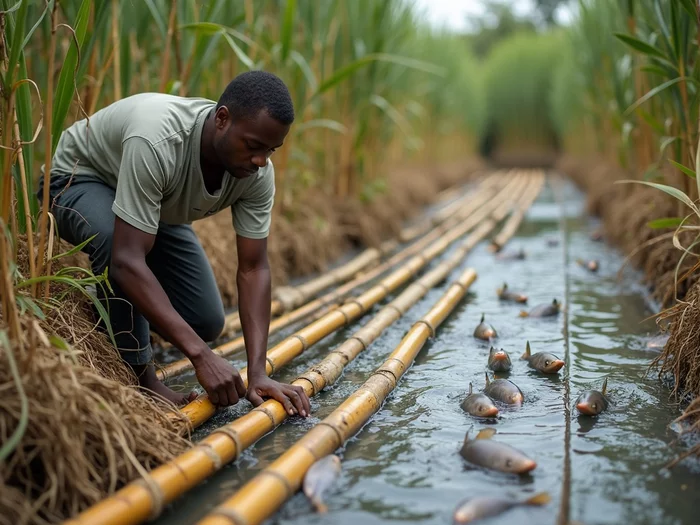
You have several excellent natural substrate options that work well for tilapia breeding, each offering distinct advantages for different farming situations. Bamboo poles cut into 1-2 metre lengths provide excellent vertical structure that Nile tilapia prefer for territory establishment and spawning. The hollow interior of bamboo creates perfect hiding spots for brooding females, whilst the rough exterior surface encourages beneficial algae growth that feeds developing fry naturally.
You should consider coconut husks as another cost-effective substrate option, especially in coastal areas where they're readily available as agricultural waste. Clean, dried coconut husks create complex three-dimensional structures that provide multiple breeding territories in a small space. In Kenya, farmers report that bamboo substrates increase fry survival rates by 30-40% compared to bare pond bottoms because they provide essential cover and feeding areas.
You can also use locally sourced rocks, logs, or even clay pots as breeding substrates, depending on what's available in your area. The key is providing surfaces at different depths and angles that allow fish to establish distinct territories. Nile tilapia particularly benefit from substrates that create enclosed spaces where mouthbrooding females can retreat during the vulnerable 10-14 day brooding period.
DIY Natural Substrate Options: Bamboo, Coconut Husks, and More
You can prepare bamboo substrates by cutting mature bamboo poles into 1-2 metre sections, then soaking them in clean water for 48 hours to remove any harmful substances and allow them to become waterlogged. After soaking, position the bamboo vertically or at slight angles in your breeding tanks, ensuring they're stable and won't float or shift during spawning activities. In Ghana, farmers source bamboo from local suppliers at approximately 10 GHS per piece, making it an affordable long-term investment.
You need to properly prepare coconut husks by removing all coconut meat and fibres, then soaking them in fresh water for 24-48 hours to leach out tannins that could affect water quality. Once cleaned and dried, bundle 3-4 husks together with biodegradable rope and anchor them at various depths throughout your breeding area. The fibrous structure of coconut husks provides excellent surface area for beneficial bacteria colonisation, which helps maintain water quality.
💡 Pro Tip: Free Substrate Materials
You can often obtain coconut husks for free from local coconut processing facilities or palm oil mills. Many processors consider these husks waste and will gladly give them away, saving you money whilst solving their disposal problem.
You might also create effective substrates from locally available materials like palm fronds, water hyacinth (properly dried), or even bundles of maize stalks. The key is ensuring any organic material is properly cleaned and won't decompose too quickly in your breeding system. These materials should last 6-12 months before needing replacement, making them cost-effective for small-scale operations.
Implementing Natural Substrates in Your Breeding System
You should position substrates at various depths between 20-50cm to create diverse breeding environments that accommodate different fish sizes and preferences. Place larger substrates like bamboo poles in deeper areas where mature breeding pairs can establish primary territories, whilst smaller substrates like coconut husks work well in shallower zones for younger fish or secondary spawning sites. In Tanzania, farmers often cluster bamboo substrates in pond corners to maximise breeding space whilst leaving open areas for feeding and general fish movement.
You need to ensure substrate stability by anchoring each piece securely to prevent movement during spawning activities or strong currents. Use concrete blocks, large stones, or purpose-built anchors to keep substrates in position, as shifting substrates can damage eggs or stress brooding females. The arrangement should allow easy access for mouthbrooding Nile tilapia whilst providing multiple escape routes if territorial disputes become aggressive.
You must maintain your substrates through regular cleaning and inspection to prevent excessive algae buildup or organic matter accumulation that could affect water quality. Remove substrates monthly for cleaning, scrubbing away excess growth whilst preserving beneficial biofilm that supports fry nutrition. Replace substrates when they begin to deteriorate significantly, typically every 8-12 months depending on material type and water conditions.
Practical Techniques for Effective Tilapia Breeding
You can have the best substrates and healthiest breeding stock, but without proper environmental management, your tilapia breeding programme will still fail. Many farmers across Africa invest heavily in fingerlings and feeding but overlook the critical environmental factors that trigger successful spawning. Temperature fluctuations, poor water quality, and inadequate lighting can prevent even the most fertile Nile tilapia from breeding consistently.
Your breeding success depends on creating and maintaining optimal conditions that mimic natural spawning environments whilst providing the nutrition young fry need to survive their first critical weeks. A farmer in Kisumu learned this lesson when his breeding tanks produced excellent spawning activity but suffered 70% fry mortality due to poor feeding practices. The difference between successful and failed breeding often comes down to attention to detail in environmental management.
These practical techniques will help you create ideal spawning conditions, maintain water quality, and feed fry properly to maximise survival rates. You'll learn how to monitor key parameters, adjust conditions seasonally, and provide the nutrition that transforms tiny fry into healthy fingerlings ready for grow-out ponds.
Creating Ideal Spawning Environments
You need to maintain water depths between 50-100cm in your breeding areas to provide optimal spawning conditions for Nile tilapia. Shallow areas encourage territorial behaviour and nest building, whilst deeper zones offer refuge for brooding females during the vulnerable mouthbrooding period. The depth variation creates natural breeding territories that reduce aggression and improve spawning success rates significantly.
You must ensure your breeding fish receive at least 12 hours of light exposure daily to trigger consistent spawning cycles. Natural sunlight works best, but you can supplement with artificial lighting during cloudy periods or shorter days. In Egypt, farmers report that breeding activity peaks during warmer months when daylight hours naturally extend and water temperatures remain consistently between 28-30°C.
You should arrange substrates to create distinct territorial boundaries that allow multiple breeding pairs to spawn simultaneously without excessive competition. Position larger substrates like bamboo poles 2-3 metres apart to establish clear territorial zones, with smaller substrates filling intermediate spaces. This arrangement mimics natural lake environments where Nile tilapia establish breeding colonies with defined social hierarchies.
Managing Water Quality and Temperature
You must maintain pH levels between 6.5-8.5 for optimal tilapia breeding success, with ammonia concentrations below 0.02 mg/L and nitrate levels under 50 mg/L. These parameters directly affect egg fertilisation rates and fry survival, making regular testing essential for breeding programme success. Poor water quality can reduce spawning frequency by 50% or more, even when fish appear healthy and active.
You can monitor water quality using simple test kits available at agricultural shops across Africa, typically costing around 1,500 NGN in Nigeria or equivalent local currency. Test water weekly during breeding season and immediately after any environmental changes like heavy rains or temperature fluctuations. Nile tilapia tolerate varying conditions better than Blue tilapia, but consistent quality remains crucial for reliable breeding results.
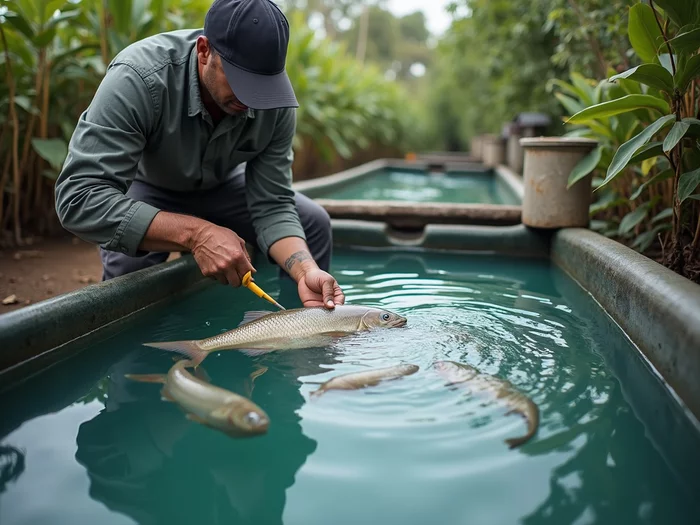
You need to perform partial water changes of 10-20% weekly to maintain optimal breeding conditions, replacing old water with fresh, dechlorinated water at similar temperature. Sudden temperature changes can shock breeding fish and interrupt spawning cycles, so always match replacement water temperature within 2°C of existing pond water. During hot seasons, consider adding water during cooler morning hours to prevent thermal stress.
Optimising Feeding for Fry Survival
You must provide fry with high-protein feed containing at least 30% protein content to support rapid growth during their first 4-6 weeks of life. Newly released fry from mouthbrooding Nile tilapia require frequent feeding—3-4 times daily—with small particle sizes they can easily consume. Commercial fry feeds work well, but you can also use finely ground local ingredients like fish meal, soybean, and maize to create nutritious alternatives.
You should begin feeding fry within 24-48 hours of release from brooding mothers, starting with very fine particles (0.2-0.5mm) and gradually increasing size as fry grow. In Uganda, farmers successfully mix locally sourced feeds with protein supplements like ground termites or fish meal to enhance nutritional value whilst reducing costs. Feed small amounts frequently rather than large portions once or twice daily to prevent waste and maintain water quality.
You need to adjust feeding quantities based on fry numbers and growth rates, typically feeding 8-12% of estimated fry biomass daily during the first month. Monitor feeding response carefully—uneaten feed should be minimal after 30 minutes, indicating proper portion sizes. Nile tilapia fry require higher protein levels than Blue tilapia for optimal growth, making species-specific feeding programmes essential for maximum production efficiency.
Common Challenges and Solutions in Tilapia Breeding
You will encounter breeding challenges regardless of how carefully you plan your tilapia farming operation. Disease outbreaks, poor fry production, and management mistakes are common problems that affect even experienced farmers across Africa. The key to long-term success lies not in avoiding these challenges entirely, but in recognising them early and implementing effective solutions before they devastate your breeding programme.
Your breeding system's complexity increases the potential for problems, especially when using natural substrates that can harbour pathogens or create water quality issues if not properly maintained. A farmer in Mombasa lost 60% of his breeding stock to bacterial infections that spread rapidly through poorly maintained bamboo substrates. Understanding common problems and their solutions helps you prevent similar disasters on your own farm.
These practical solutions address the most frequent breeding challenges African tilapia farmers face. You'll learn how to prevent disease in substrate-based systems, troubleshoot poor fry production, and avoid costly management mistakes that can set back your breeding programme for months.
Preventing Disease in Substrate-Based Systems
You must implement strict biosecurity measures to prevent disease introduction and spread in your breeding systems, especially when using natural substrates that can harbour pathogens. Clean and disinfect all equipment, nets, and containers before moving between different breeding tanks or ponds. New substrates should be properly treated and quarantined before introduction to prevent bringing diseases into your established breeding population.
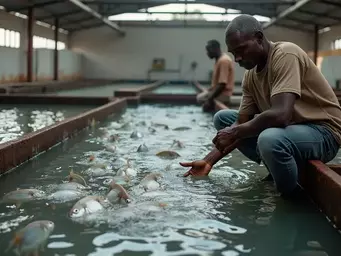
You should monitor your breeding fish daily for early disease symptoms including lethargy, abnormal swimming patterns, loss of appetite, or visible lesions on skin and fins. Nile tilapia under breeding stress become more susceptible to bacterial and fungal infections, particularly during the intensive spawning season. In Kenya, farmers report high incidences of gill disease during warm seasons when water temperatures exceed 32°C and dissolved oxygen levels drop.
⚠️ Warning: Substrate Disease Risk
You must replace organic substrates immediately if they develop slimy coatings, foul odours, or excessive algae growth. These conditions create perfect breeding grounds for harmful bacteria that can quickly spread throughout your breeding population.
You need to maintain optimal water quality and reduce stress factors that make fish vulnerable to disease outbreaks. Regular substrate cleaning, proper feeding practices, and avoiding overcrowding help maintain fish immunity and prevent disease establishment. If disease symptoms appear, isolate affected fish immediately and treat the entire system with appropriate medications whilst addressing underlying environmental causes.
Troubleshooting Poor Fry Production Rates
You should conduct weekly assessments of spawning activity and fry numbers to identify production problems early before they become severe. Low fry production often results from overcrowding, poor nutrition, inadequate substrate arrangement, or environmental stress factors that interrupt normal breeding behaviour. Document spawning frequency, fry numbers per spawn, and survival rates to identify patterns and problem areas.
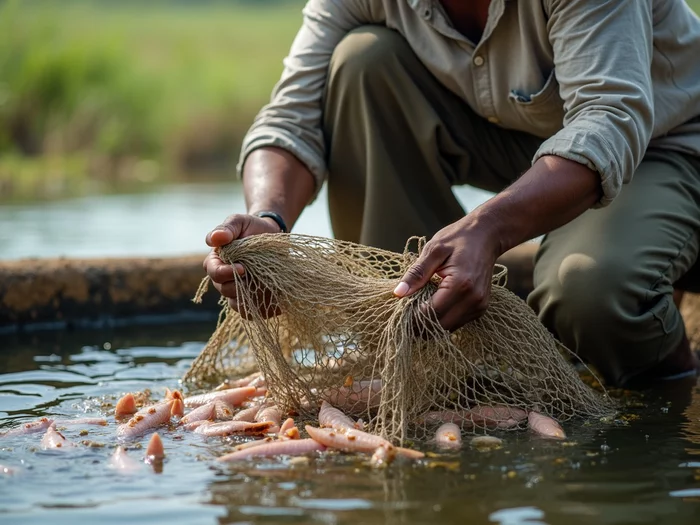
You must address overcrowding immediately if fry production drops below expected levels, as territorial competition prevents successful spawning and increases stress-related mortality. In Malawi, farmers discovered that maintaining breeding densities above 2 fish per square metre resulted in 40% lower fry production compared to properly stocked systems. Reduce breeding stock numbers or expand breeding space to restore normal spawning activity.
You need to evaluate substrate condition and arrangement if spawning occurs but fry survival remains poor. Inadequate hiding places, unstable substrates, or poor substrate placement can result in high fry mortality even when initial spawning appears successful. Nile tilapia require secure, stable substrates that provide protection during the critical mouthbrooding period and safe release areas for newly independent fry.
Avoiding Common Mistakes in Breeding Management
You must avoid using untreated natural materials that can leach harmful substances into your breeding water, causing stress, disease, or reproductive problems. Fresh bamboo, uncomposted organic matter, or materials treated with chemicals can release toxins that affect fish health and breeding success. Always properly prepare and test substrates before introducing them to breeding systems.
You should maintain detailed records of water parameters, feeding schedules, spawning activity, and fry production to identify successful practices and avoid repeating mistakes. Many farmers in Zambia experienced significant losses because they failed to monitor water quality consistently, missing early warning signs of problems. Regular testing and record-keeping help you spot trends and adjust management practices before problems become severe.
You need to resist the temptation to overfeed breeding fish or fry, as excess feed quickly degrades water quality and creates conditions favourable for disease development. Feed only what fish can consume within 30 minutes, removing any uneaten food to prevent decomposition. Consistent monitoring and disciplined feeding practices prevent most water quality problems that lead to breeding failures and fish losses.
Scaling Up: Enhancing Production for Smallholder Farmers
You've mastered basic tilapia breeding techniques, but now you want to increase production whilst keeping costs manageable for your smallholder operation. Many successful farmers across Africa started with simple breeding setups and gradually expanded using locally available resources and community cooperation. The key to sustainable scaling lies in maximising natural processes, integrating complementary practices, and sharing resources with other farmers in your area.
Your expansion strategy should focus on efficiency improvements and resource optimisation rather than simply building more breeding tanks. A farmer in Kumasi doubled his fry production by implementing natural fertilisation techniques and integrating his tilapia breeding with vegetable farming, creating multiple income streams from the same land and water resources. Smart scaling uses what you already have more effectively before investing in expensive infrastructure.

These advanced techniques will help you enhance production capacity using cost-effective methods that work well for smallholder operations. You'll learn how to use natural fertilisation, integrate tilapia breeding with other aquaculture practices, and collaborate with community members to share resources and knowledge for mutual benefit.
Cost-Effective Strategies for Natural Fertilisation
You can significantly improve your breeding pond productivity by using locally available organic materials to create natural fertilisers that enhance water quality and food production. Apply well-composted organic waste including vegetable scraps, animal manure, and crop residues at rates of 1-2 tonnes per hectare to stimulate beneficial algae and zooplankton growth. This natural food web provides supplementary nutrition for breeding fish and developing fry whilst reducing commercial feed costs.
You should create compost piles using kitchen scraps, crop residues, and animal waste, allowing 3-4 months for proper decomposition before application to breeding ponds. In Ghana, farmers source organic materials at little to no cost from local markets, households, and agricultural operations, making this approach highly sustainable for smallholder operations. Properly composted organic matter releases nutrients slowly, maintaining stable water quality whilst supporting natural food production.
You need to monitor water quality carefully when implementing natural fertilisation programmes, as excessive organic loading can deplete oxygen levels and harm fish health. Start with small applications and gradually increase based on fish response and water quality measurements. Nile tilapia benefit significantly from improved water quality resulting from natural fertilisation, showing enhanced growth rates and more consistent breeding behaviour when natural food sources are abundant.
Integrating Tilapia Breeding with Other Aquaculture Practices
You can maximise your farm's productivity by developing polyculture systems that combine tilapia breeding with compatible species like catfish or freshwater prawns. These integrated systems utilise different feeding niches and water column levels, increasing overall yield per unit area whilst reducing disease risks through species diversity. Ensure compatible water quality requirements and feeding regimes when selecting companion species for your integrated system.
You should consider integrating aquaponics systems where tilapia breeding tanks provide nutrient-rich water for vegetable production, creating multiple income streams from the same infrastructure. The fish waste fertilises vegetables naturally whilst plants filter and clean water for fish, reducing water exchange requirements and operational costs. In Tanzania, polyculture systems combining tilapia with catfish have shown 25-30% higher overall yields compared to monoculture operations.
You must carefully manage feeding and stocking densities in integrated systems to prevent competition and maintain optimal conditions for all species. Nile tilapia adapt well to polyculture systems provided water quality remains stable and adequate food sources are available for all species. Monitor each species separately to ensure balanced growth and identify any management adjustments needed to optimise the integrated system's performance.
Community Collaboration for Resource Sharing
You can significantly reduce costs and improve breeding success by forming local cooperatives that share breeding stock, equipment, and technical knowledge among member farmers. Pool resources to purchase high-quality breeding stock, expensive equipment like water testing kits, or bulk feed supplies at reduced per-unit costs. Develop joint marketing strategies that allow cooperative members to negotiate better prices for fingerlings and market-size fish.
You should establish knowledge-sharing networks where experienced farmers mentor newcomers whilst learning new techniques from other members' successes and failures. Regular meetings allow farmers to discuss challenges, share solutions, and coordinate breeding schedules to ensure consistent fingerling availability for local markets. In Uganda, community groups have successfully increased tilapia production by 40-50% through shared resources and coordinated breeding programmes.
You need to develop clear agreements regarding resource sharing, cost distribution, and benefit allocation to prevent conflicts and ensure long-term cooperation success. Collaborative efforts can enhance genetic diversity of Nile tilapia populations by sharing breeding stock between farms, improving overall disease resistance and growth performance. Document successful practices and share them with other community groups to expand the benefits of cooperative tilapia farming throughout your region.
Your breeding programme's success ultimately depends on understanding market demands and maintaining consistent quality standards that meet customer expectations. As you scale up production, consider practical strategies for expanding your fish farming operation whilst maintaining the quality and reliability that build customer loyalty and ensure long-term profitability.
| Parameter | Optimal Range | Frequency | Action if Outside Range |
|---|---|---|---|
| Water Temperature | 25-30°C | Weekly | Adjust water source; insulate ponds. |
| pH Level | 6.5-8.5 | Weekly | Add lime or acid as needed. |
| Ammonia Concentration | <0.02 mg/L | Weekly | Perform partial water changes. |
| Fry Feeding Frequency | 3-4 times daily | Daily | Adjust portion sizes based on response. |
| Substrate Depth | 20-50 cm | Upon setup | Ensure stability and accessibility. |
| Fry Protein Content | ≥30% | Daily | Monitor growth and adjust feed type. |
| Substrate Cleaning Frequency | Monthly | Monthly | Replace if deteriorating significantly. |
Conclusion
You now understand the essential elements of successful tilapia breeding using natural substrates and practical management techniques. By selecting the right species for your conditions, providing appropriate spawning environments with bamboo or coconut husk substrates, and maintaining proper water quality, you create the foundation for consistent fry production. Remember that Nile tilapia's mouthbrooding behaviour and faster growth rates make it the preferred choice for most African farming conditions.
You have the knowledge to implement these breeding techniques on your farm, starting with simple substrate arrangements and gradually expanding as you gain experience. Disease prevention through proper biosecurity, regular monitoring, and maintaining optimal water parameters will protect your investment. Your breeding programme will improve with practice as you learn to read your fish behaviour and environmental conditions.
As you establish reliable fry production, consider integrating your breeding operation with grow-out systems or exploring community cooperation opportunities. The techniques you've learned here form the foundation for scaling up your tilapia production and developing multiple income streams from your aquaculture operation.
Frequently Asked Questions
What if my Nile tilapia aren't spawning, even with natural substrates in place?
If your Nile tilapia aren't spawning, first check your water temperature and pH; ensure the temperature is consistently between 28-30°C and pH is 6.5-8.5. Also, verify your breeding stock isn't overcrowded, aiming for a density of no more than 2 fish per square metre. Sometimes, a partial water change (10-20%) with fresh, clean water can stimulate spawning activity.
How often should I clean or replace my natural substrates like bamboo and coconut husks?
You should remove and inspect your natural substrates monthly for cleaning to scrub away excessive algae or organic build-up. For replacement, organic materials like bamboo and coconut husks typically last 8-12 months before they start to deteriorate significantly and need to be fully replaced. Always ensure new substrates are properly cleaned and soaked before introduction.
Can I use other locally available materials, besides bamboo or coconut husks, as natural substrates for tilapia breeding?
Yes, you can use other locally available materials such as palm fronds, dried water hyacinth, or bundles of maize stalks. The crucial factor is that these materials must be thoroughly cleaned and properly dried to prevent rapid decomposition and leaching of harmful substances into your pond water. They should also be stable enough to provide secure hiding and spawning spots for your tilapia.
Why is it important to provide different depths for substrates in my breeding pond?
Providing substrates at various depths (e.g., 20-50cm) creates diverse breeding environments that cater to different fish sizes and preferences. Larger, mature breeding pairs of Nile tilapia might prefer deeper, more secure areas for primary territories, while smaller fish or secondary spawners might use shallower zones. This diversity reduces aggression and improves overall spawning success by offering multiple suitable sites.
What's the best way to introduce newly hatched Nile tilapia fry to solid feed after they leave the mother's mouth?
You should start feeding newly released Nile tilapia fry within 24-48 hours with very fine particles (0.2-0.5mm) of high-protein feed (at least 30% protein). Feed them frequently, 3-4 times daily, in small amounts that they can consume within 30 minutes to prevent waste and maintain water quality. Gradually increase the particle size as the fry grow over the first 4-6 weeks.


Yomi Adisa Lead Researcher
Yomi Adisa is the lead researcher at Fish Farming Business, where he studies what makes aquaculture ventures profitable across Africa. His research focuses on market patterns, buyer preferences, and the business decisions that determine success or failure in fish farming.