Tilapia Farming Guide: Practical Techniques for Raising Healthy Fish
Posted on: 2025-11-19
By: Yomi Adisa
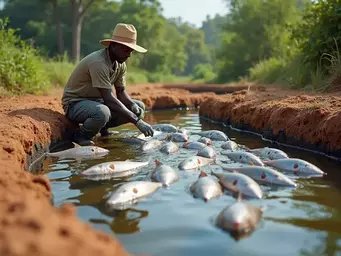
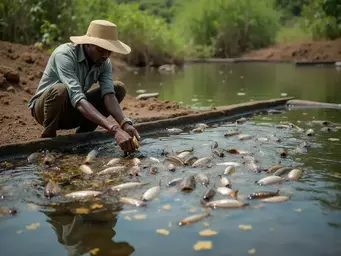
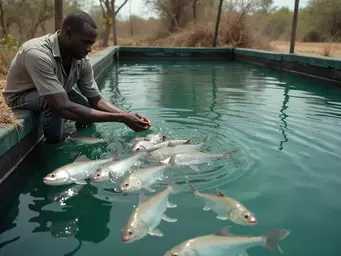
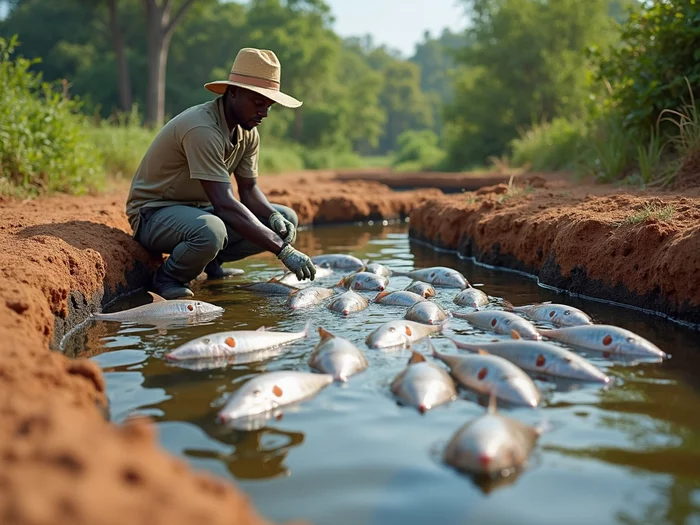
You've built your tilapia ponds, stocked them with healthy fingerlings, and started feeding regularly—yet your fish keep dying unexpectedly. The water looks clear, the fish seemed fine yesterday, but this morning you're pulling dead tilapia from the surface. This heartbreaking scenario repeats across fish farms throughout Africa, often catching even experienced farmers off guard.
Table of Contents
Disease outbreaks can devastate your entire tilapia stock within days, turning months of investment into total loss. Nile tilapia and Blue tilapia are generally robust species, but they're still vulnerable to bacterial infections, parasites, and viral diseases that spread rapidly in pond environments. The key difference between successful and struggling farmers often lies in disease prevention rather than treatment.
This comprehensive guide will teach you how to recognise early warning signs of common tilapia diseases and implement proven prevention strategies. You'll learn to spot symptoms before they become fatal, understand when to treat versus when to cull, and establish management practices that keep your fish healthy year-round.
🎯 What You'll Learn
- How to select the right site and construct effective tilapia ponds.
- Techniques for optimal feeding and nutrition to enhance growth rates.
- Strategies for maintaining water quality and preventing disease outbreaks.
Tilapia Farm Setup and Site Selection
You cannot build a successful tilapia farm on unsuitable land, yet many farmers rush into construction without proper site evaluation. The location you choose determines everything from water availability to construction costs, and mistakes made during site selection can plague your operation for years. Poor drainage, unsuitable soil, or inadequate water sources will cost you far more than the time invested in thorough site assessment.
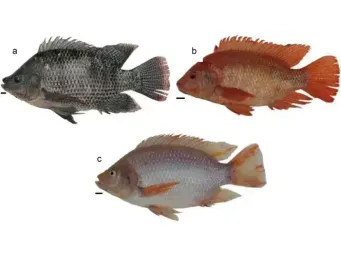
Your farm's foundation—literally and figuratively—depends on getting the basics right from day one. Nile tilapia (Oreochromis niloticus) are adaptable fish, but they still need consistent water quality and proper pond construction to thrive. Blue tilapia (Oreochromis aureus) are even more particular about their environment, requiring stable conditions that only well-planned sites can provide.
This section will guide you through every aspect of establishing your tilapia farm, from initial site evaluation to final equipment installation. You'll learn to assess soil quality, design effective pond systems, and select equipment that matches your budget and production goals.
Choosing the Right Location for Your Farm
You need reliable water access within 500 metres of your proposed pond site, whether from boreholes, rivers, or municipal supply. Transport costs for water become prohibitive beyond this distance, and emergency refilling during dry seasons becomes nearly impossible. In Nigeria, farmers near the Niger River benefit from abundant water supply, but you must still test water quality before committing to any location.
Your soil composition determines whether ponds will hold water without expensive lining materials. You want clay content above 20% for natural sealing—dig test holes 1.5 metres deep and examine soil layers carefully. Sandy soils require pond liners costing KES 200-400 per square metre, while good clay soil seals naturally and saves thousands in construction costs.
Climate considerations affect both construction timing and ongoing operations throughout the year. You need to evaluate rainfall patterns, temperature extremes, and seasonal flooding risks before breaking ground. Areas with consistent temperatures between 25-30°C year-round give Nile tilapia optimal growing conditions, while Blue tilapia prefer slightly more stable temperature ranges.
Pond Construction Techniques
Clay soil with 15-25% clay content provides the best foundation for earthen ponds that retain water naturally. You can test soil composition by mixing samples with water in a jar—clay particles settle slowly and create distinct layers after 24 hours. Loamy soils work adequately but may require additional clay imported from other areas, while sandy soils need complete pond lining to prevent water loss.
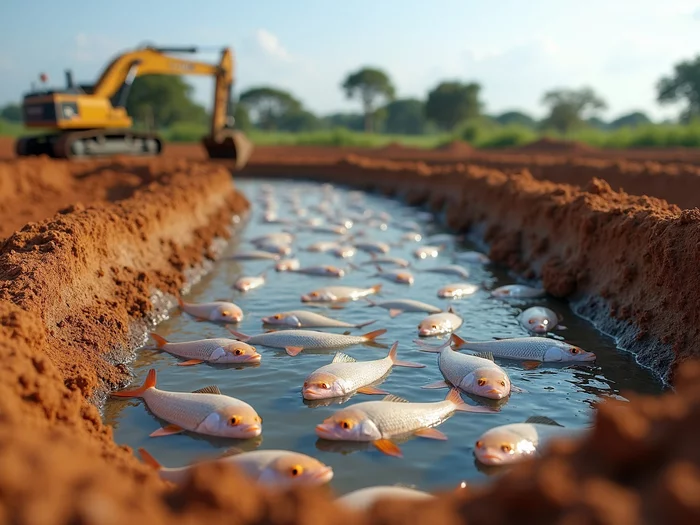
Your pond depth should measure 1.5-2 metres for optimal fish health and management efficiency. Shallow ponds overheat quickly in tropical conditions, while deeper ponds become difficult to harvest and monitor effectively. Plan rectangular ponds with 3:1 length-to-width ratios for better water circulation and easier netting during harvest.
Proper drainage systems prevent catastrophic overflow during heavy rains and allow controlled water changes when needed. You need overflow channels positioned 20cm below maximum water level, with drainage pipes at the deepest point for complete pond emptying. In Uganda, farmers often adapt existing seasonal water bodies by adding proper drainage controls rather than excavating entirely new ponds.
Essential Equipment for Tilapia Farming
Paddle wheel aerators work best for ponds larger than 500 square metres, providing surface agitation that maintains dissolved oxygen above 5 mg/L throughout the day. Diffuser systems cost less initially but require more maintenance and electricity to operate effectively. You need 1 horsepower of aeration per 2,000 square metres of pond surface to maintain adequate oxygen levels during hot weather.
Solar-powered water pumps offer reliable, cost-effective operation in areas with inconsistent electricity supply. In Tanzania, these systems have become increasingly popular because they eliminate monthly electricity costs while providing consistent water circulation. You want pumps capable of moving your entire pond volume every 4-6 hours for optimal water quality maintenance.
Automatic feeders reduce labour costs and improve feeding consistency, but hand-feeding allows better observation of fish behaviour and appetite. You can build effective feeding troughs from locally available materials—bamboo works excellently in Zambia and costs a fraction of imported plastic alternatives. Store feed in sealed containers away from moisture and rodents, maintaining temperatures below 25°C to prevent spoilage and nutrient loss.
Integrating Aquaponics Systems
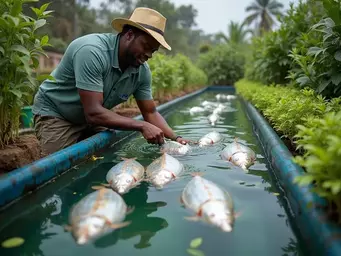
Aquaponics systems maximise land use efficiency by combining fish production with vegetable cultivation in the same water system. You can produce both protein and vegetables from a single water source, reducing overall production costs while creating multiple income streams. In Egypt, aquaponics addresses water scarcity concerns while maintaining year-round production in controlled environments.
Your aquaponics setup requires fish tanks, grow beds, and water circulation pumps arranged to create continuous nutrient cycling. Fish waste provides nitrogen for plant growth, while plants filter water that returns clean to fish tanks. You need 1 square metre of growing space per 20-30 adult tilapia, with water circulation rates of 2-4 times per hour for optimal nutrient distribution.
Nile tilapia adapt better to aquaponics systems because they tolerate higher stocking densities and produce more waste for plant nutrition. Blue tilapia work in aquaponics but require lower stocking rates and more careful water quality monitoring. In Kenya, urban farmers increasingly choose aquaponics because it produces maximum food per square metre of available space.
Stocking and Breeding Tilapia
You can build perfect ponds and maintain excellent water quality, but poor fingerling selection will doom your tilapia farm from the start. Weak, diseased, or genetically inferior fingerlings never recover from their initial disadvantages, regardless of how well you feed and care for them later. The quality of your starting stock determines everything from growth rates to disease resistance throughout the entire production cycle.
Successful tilapia farming begins with understanding the fundamental differences between Nile tilapia (Oreochromis niloticus) and Blue tilapia breeding requirements and stocking strategies. Nile tilapia reproduce rapidly and tolerate higher stocking densities, while Blue tilapia require more careful management but often command premium market prices. Your species choice affects every subsequent decision from pond design to feeding schedules.
This section will teach you to identify healthy fingerlings, calculate optimal stocking densities, and establish breeding programmes that ensure consistent fingerling supply. You'll learn to avoid common stocking mistakes that lead to stunted growth, implement breeding techniques suited to African conditions, and manage growth rates that maximise your return on investment.
Selecting Healthy Fingerlings
You want fingerlings measuring 5-8 centimetres in length with uniform size throughout the batch, as size variation indicates poor breeding management or nutritional deficiencies. Healthy Nile tilapia fingerlings display bright silver-grey colouration with clear, undamaged fins and active swimming behaviour when disturbed. Avoid fingerlings with white patches, torn fins, or lethargic movement—these symptoms indicate bacterial infections or parasitic infestations that spread rapidly in pond environments.
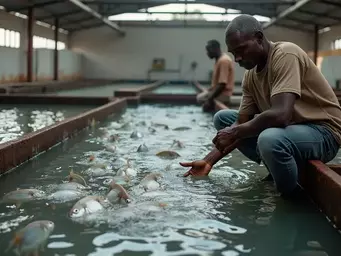
Your fingerlings should respond immediately to feeding with aggressive competition for food particles, demonstrating strong appetite and normal feeding reflexes. Test batches by dropping small amounts of feed into holding tanks—healthy fish rush to the surface within seconds, while sick fingerlings remain at the bottom or show little interest in food. In Nigeria, reputable hatcheries allow farmers to conduct feeding tests before purchase, ensuring you select only vigorous stock.
Local hatcheries often provide better-adapted fingerlings than imported stock, as locally bred fish have already adjusted to regional water conditions and temperature patterns. Government-certified hatcheries in Kenya maintain strict breeding records and health protocols, reducing disease risks compared to informal suppliers. You should always request health certificates and breeding records when purchasing fingerlings, particularly for Blue tilapia which are more sensitive to environmental changes than Nile tilapia.
Optimal Stocking Density
You need 10-15 Nile tilapia fingerlings per square metre for intensive pond systems with adequate aeration and feeding, while Blue tilapia require lower densities of 8-12 fish per square metre due to their slower growth rates. Calculate your total stocking numbers by multiplying pond surface area by target density—a 100 square metre pond can support 1,000-1,500 Nile tilapia fingerlings initially. Higher densities increase production per pond but require more intensive management and higher feeding costs.
Your stocking density must decrease as fish grow to prevent overcrowding and stunted growth throughout the production cycle. Start with maximum densities for fingerlings, then reduce to 5-8 adult fish per square metre by harvest time through selective harvesting or pond expansion. In Uganda, farmers often use multiple ponds to transfer fish as they grow, maintaining optimal densities while maximising total production.
💡 Pro Tip: Stocking Density Calculator
Multiply your pond area (square metres) by 12 for Nile tilapia or 10 for Blue tilapia to get initial fingerling numbers. Reduce by 30% every 8 weeks through selective harvesting to maintain optimal growing conditions.
Breeding Techniques for Tilapia
Natural breeding requires separate spawning ponds with sandy bottoms and shallow areas where female tilapia can dig nests for egg laying. You need water temperatures between 26-30°C and pH levels of 7.0-8.5 for optimal spawning conditions, with adequate hiding places created using clay pots or concrete blocks. Nile tilapia spawn every 4-6 weeks under good conditions, producing 200-500 fry per female depending on size and nutrition.
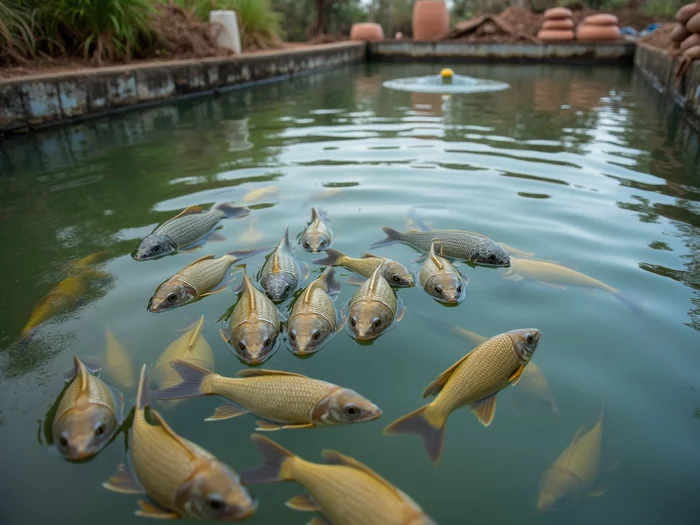
Artificial breeding gives you better control over genetics and timing but requires more equipment and technical knowledge to implement successfully. You collect eggs from brooding females and incubate them in controlled environments using jar systems or hatching troughs with gentle water circulation. In Ghana, artificial breeding programmes have improved growth rates by 20-30% through selective breeding for fast-growing strains adapted to local conditions.
Your breeding stock should consist of 3-4 females per male to ensure adequate fertilisation without excessive male aggression during spawning periods. Select breeding fish based on growth performance, disease resistance, and body conformation rather than just size alone. Blue tilapia require more careful breeding management than Nile tilapia, with lower stocking densities in breeding ponds and more stable environmental conditions throughout the spawning cycle.
Managing Growth Rates
You must weigh and measure fish samples every 2-3 weeks to track growth performance and adjust feeding rates accordingly. Record average weights, lengths, and any health observations in a logbook to identify trends and problems before they become serious. In Tanzania, farmers use cooperative weighing systems where groups share scales and record-keeping responsibilities, reducing individual costs while maintaining accurate growth monitoring.
Water temperature directly affects tilapia growth rates, with optimal ranges of 28-32°C producing maximum growth in both Nile and Blue tilapia species. You can maintain higher temperatures using greenhouse covers or solar heating systems during cooler months, potentially increasing growth rates by 15-25% compared to unheated ponds. Feed conversion efficiency also improves at optimal temperatures, reducing overall production costs while shortening time to harvest size.
Feeding and Nutrition Strategies
You can provide perfect water conditions and optimal stocking densities, but poor feeding practices will still result in slow growth, high mortality, and unprofitable harvests. Feed represents 60-70% of your total production costs in intensive tilapia farming, making feeding efficiency the difference between profit and loss. Many farmers focus on pond construction and water quality while neglecting the nutritional foundation that drives fish growth and health.
Nile tilapia and Blue tilapia have different nutritional requirements and feeding behaviours that affect your feeding strategy and feed formulation choices. Nile tilapia are more aggressive feeders and can utilise plant-based proteins more efficiently, while Blue tilapia require higher-quality protein sources and more consistent feeding schedules. Understanding these differences allows you to optimise feed conversion ratios and reduce waste.
This section will teach you to formulate cost-effective feeds using locally available ingredients, establish feeding schedules that maximise growth while minimising waste, and avoid common feeding mistakes that plague African tilapia farmers. You'll learn to calculate precise feeding amounts, source quality ingredients affordably, and adjust feeding strategies based on water temperature and fish size.
Formulating Cost-Effective Fish Feed
Your tilapia feed must contain 28-32% crude protein for optimal growth, with fishmeal, soybean meal, and groundnut cake serving as primary protein sources in African feed formulations. Maize meal provides energy at 40-50% of total feed composition, while wheat bran adds fibre and reduces feed costs without compromising nutrition. In Zambia, farmers successfully use locally produced groundnut cake to replace expensive imported fishmeal, reducing feed costs by 25-30% while maintaining growth rates.
You can source quality ingredients from local agricultural cooperatives, grain mills, and fish processing facilities that often sell waste products suitable for feed production. Soybean meal costs KES 45-60 per kilogram in Kenya, while locally produced groundnut cake costs only KES 25-35 per kilogram with similar protein content. Always test ingredient quality before large purchases—mouldy or rancid ingredients cause digestive problems and poor feed conversion in both Nile and Blue tilapia.
Simple feed recipes using local ingredients can achieve feed conversion ratios of 1.5-2.0:1 when properly formulated and stored correctly. Mix 30% groundnut cake, 40% maize meal, 15% wheat bran, 10% fishmeal, and 5% vitamin-mineral premix for a balanced grow-out feed suitable for both tilapia species. In Nigeria, farmers often add palm kernel cake at 10-15% of total feed to reduce costs further while providing additional energy for fish growth.
Establishing Feeding Schedules
You should feed adult tilapia 2-3% of their estimated body weight daily, divided into 2-3 feeding sessions to improve digestion and reduce waste. Feed fingerlings 5-8% of body weight daily in 4-5 small portions, as their higher metabolic rates require more frequent nutrition. Calculate total daily feed requirements by weighing sample fish every two weeks and multiplying average weight by stocking numbers and feeding percentage.
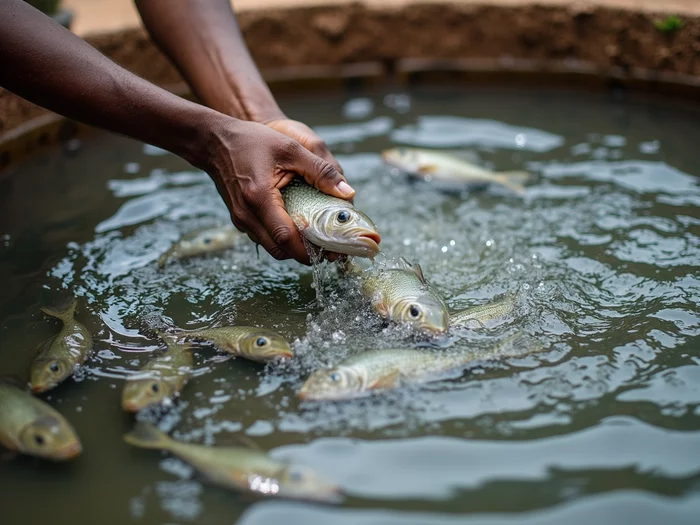
Your feeding schedule must adjust to water temperature changes throughout the day and season, as tilapia metabolism slows significantly below 25°C and accelerates above 30°C. Feed early morning and late afternoon when temperatures are moderate, avoiding midday feeding during hot weather when fish are stressed and less likely to feed actively. In Uganda, farmers report 15-20% better feed conversion when feeding during cooler periods rather than maintaining rigid time schedules.
Blue tilapia require more consistent feeding schedules than Nile tilapia, as they are less aggressive competitors and may not get adequate nutrition in mixed populations. Separate Blue tilapia during feeding or use multiple feeding stations to ensure all fish receive proper nutrition. In Tanzania, farmers use floating feeding rings to concentrate feed in specific areas, allowing better observation of feeding behaviour and reducing feed waste in windy conditions.
Nutritional Needs of Tilapia
Nile tilapia require 25-30% crude protein in their diet for optimal growth, while Blue tilapia perform better with 30-35% protein content due to their different digestive efficiency and growth patterns. Both species need essential amino acids including lysine (5.1% of protein), methionine (3.2% of protein), and threonine (3.8% of protein) for proper muscle development and immune function. Lipid content should remain between 6-10% of total feed to provide energy without causing liver problems or poor water quality.
Your tilapia feed must include vitamin C (100-200 mg/kg), vitamin E (30-50 mg/kg), and B-complex vitamins to prevent nutritional deficiencies that reduce growth and disease resistance. Calcium and phosphorus ratios of 1.5-2:1 support proper bone development and metabolic functions, while trace minerals like iron, zinc, and manganese enhance immune system performance. In Ghana, farmers often supplement commercial feeds with locally available moringa leaves, which provide natural vitamins and minerals at minimal cost.
Digestible energy requirements vary between species, with Nile tilapia needing 3,000-3,200 kcal/kg of feed and Blue tilapia requiring slightly higher energy levels of 3,200-3,400 kcal/kg for optimal performance. Carbohydrate content can reach 40-45% of total feed in tilapia diets, as both species efficiently utilise plant-based energy sources. In Egypt, farmers successfully use rice bran and wheat middlings to provide cost-effective carbohydrate energy while maintaining proper protein-to-energy ratios.
Common Feeding Mistakes to Avoid
Overfeeding wastes money and deteriorates water quality through excess nutrients that promote algae growth and reduce dissolved oxygen levels. You can identify overfeeding when uneaten feed remains visible 30 minutes after feeding, or when water develops green colouration and fishy odours. Reduce feeding amounts by 25-50% immediately when overfeeding signs appear, and increase aeration to prevent fish kills from oxygen depletion.
Many farmers misunderstand tilapia feeding behaviour and assume fish are hungry when they gather at feeding areas, leading to excessive feeding that reduces profitability. Healthy tilapia naturally exhibit feeding responses even when adequately fed, so base feeding decisions on calculated amounts rather than fish behaviour alone. In Malawi, farmers who switched from behaviour-based feeding to calculated feeding schedules improved feed conversion ratios by 20-30% while reducing feed costs significantly.
⚠️ Warning: Feed Storage Problems
Store feed in sealed containers away from moisture and rodents, maintaining temperatures below 25°C to prevent nutrient degradation and mould growth. Spoiled feed causes digestive problems and poor growth, wasting your investment in both feed and fish.
Water Quality Management
You can stock healthy fingerlings and provide excellent nutrition, but poor water quality will kill your tilapia faster than any disease or predator. Water serves as both the living environment and waste disposal system for your fish, making water quality management the most critical daily task on your farm. Even small changes in pH, dissolved oxygen, or ammonia levels can stress fish enough to stop feeding, slow growth, or trigger disease outbreaks that devastate entire ponds.
Nile tilapia tolerate a wider range of water conditions than Blue tilapia, but both species require consistent water quality parameters to achieve optimal growth and survival rates. Temperature fluctuations, oxygen depletion, and toxic waste accumulation affect Blue tilapia more severely, requiring more intensive monitoring and management. Understanding these differences helps you prioritise monitoring efforts and intervention strategies.
This section will teach you to test and monitor critical water parameters using affordable equipment, implement aeration and filtration systems suited to African conditions, and recognise water quality problems before they become fatal. You'll learn to maintain optimal conditions year-round, troubleshoot common problems, and know when professional assistance is necessary to save your fish stock.
Testing and Monitoring Water Parameters
You must test pH levels weekly using digital metres or test strips, maintaining levels between 6.5-8.5 for optimal tilapia health and growth. pH below 6.0 causes acid stress that reduces feeding and growth, while pH above 9.0 increases ammonia toxicity and can cause gill damage. In Nigeria, farmers often struggle with acidic water during rainy seasons, requiring lime addition at 100-200 kg per hectare to maintain proper pH levels.
Dissolved oxygen levels require daily monitoring, especially during hot weather and at dawn when oxygen levels reach their lowest points. You need minimum dissolved oxygen levels of 5 mg/L for healthy tilapia, with levels below 3 mg/L causing stress and potential fish kills within hours. Test oxygen levels at 6 am and 6 pm to identify daily fluctuation patterns—consistent readings below 4 mg/L indicate inadequate aeration or overstocking problems requiring immediate attention.
Ammonia testing becomes critical in intensive systems where fish waste accumulates rapidly and can reach toxic levels within days. Total ammonia nitrogen should remain below 0.5 mg/L, with un-ionised ammonia below 0.02 mg/L to prevent gill damage and reduced growth rates. In Kenya, farmers use simple test kits costing KES 2,000-3,000 that provide accurate readings for pH, ammonia, and dissolved oxygen—essential tools for preventing water quality disasters.
Aeration and Filtration Systems
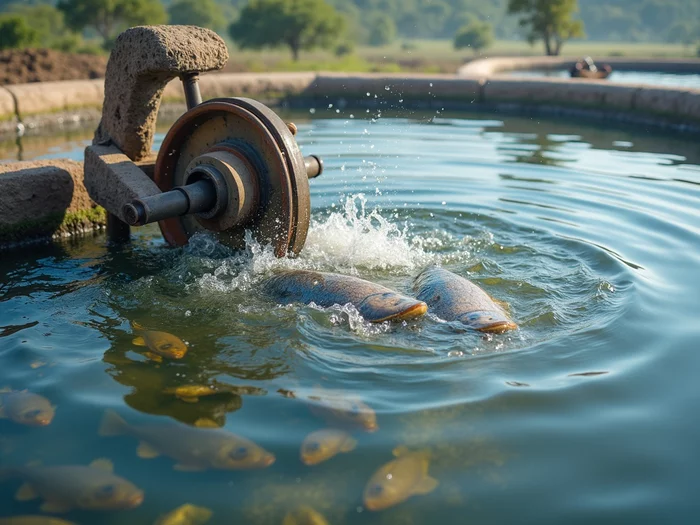
Paddle wheel aerators provide the most cost-effective oxygenation for ponds larger than 500 square metres, moving water efficiently while adding oxygen through surface agitation. You need 1 horsepower of aeration per 2,000 square metres of pond surface to maintain adequate oxygen levels during peak summer temperatures. Diffuser systems work better in smaller ponds but require more electricity and maintenance to achieve similar oxygen transfer rates.
Solar-powered aeration systems eliminate monthly electricity costs while providing reliable operation during daylight hours when oxygen demand peaks. In Tanzania, solar aerators have become increasingly popular because they operate automatically during sunny periods when photosynthesis and fish metabolism create maximum oxygen demand. Battery backup systems extend operation into evening hours but increase initial investment costs significantly.
Biological filtration using gravel beds or constructed wetlands removes dissolved waste products naturally while providing additional growing space for beneficial bacteria. You can build effective biofilters using local materials—gravel, sand, and aquatic plants—that process fish waste into harmless compounds. In Uganda, farmers create simple biofilters by directing pond water through gravel-filled channels planted with water hyacinth, achieving significant improvements in water quality at minimal cost.
Maintaining Optimal Temperature and Oxygen Levels
Nile tilapia achieve optimal growth at water temperatures between 28-32°C, while Blue tilapia prefer slightly more stable temperatures in the 26-30°C range throughout the day. You can monitor temperature fluctuations using maximum-minimum thermometers that record daily temperature ranges, helping identify thermal stress periods that affect feeding and growth. Temperatures above 35°C or below 20°C significantly reduce feeding activity and growth rates in both species.
Shade structures reduce excessive heating during hot seasons while maintaining adequate light for natural food production in pond ecosystems. You can use locally available materials like palm fronds, bamboo, or shade cloth to cover 30-40% of pond surface area during peak summer months. In Ghana, farmers report 3-5°C temperature reductions using simple bamboo shade structures that cost less than KES 5,000 per 100 square metres of coverage.
Oxygen levels fluctuate dramatically between day and night, with lowest levels occurring just before dawn when plant respiration has consumed oxygen throughout the night. You must provide emergency aeration during these critical periods, especially in heavily stocked ponds or during cloudy weather when photosynthesis is reduced. In Malawi, farmers use simple paddle systems operated manually during early morning hours to prevent oxygen-related fish kills in intensive production systems.
Addressing Water Quality Issues
Algae blooms indicate excessive nutrients in pond water and can cause dangerous oxygen fluctuations that stress or kill tilapia within 24-48 hours. You can identify problem blooms by green water colour, surface scums, and strong fishy odours that develop during hot weather. Reduce feeding by 50% immediately when blooms appear, increase aeration, and consider partial water changes of 20-30% to dilute nutrient concentrations.
High ammonia levels require immediate intervention through reduced feeding, increased water exchange, and addition of beneficial bacteria products that convert toxic ammonia to less harmful compounds. You can temporarily reduce ammonia toxicity by raising pH levels slightly, but long-term solutions require addressing the underlying causes of waste accumulation. In Zambia, farmers successfully use locally produced bacterial supplements that cost KES 500-800 per treatment and significantly improve water quality within 3-5 days.
Persistent water quality problems that don't respond to standard treatments may indicate underlying issues requiring professional diagnosis and intervention. Contact local aquaculture extension officers or veterinarians when fish continue dying despite proper feeding and aeration, or when water test results remain outside acceptable ranges for more than one week. In Egypt, government aquaculture services provide water quality testing and consultation services that help farmers identify and solve complex water management problems.
Disease Prevention and Management
You can maintain perfect water quality and provide optimal nutrition, but disease outbreaks can still destroy your entire tilapia stock within days if you're unprepared. Disease prevention costs far less than treatment and produces much better outcomes for both fish health and farm profitability. Most tilapia diseases result from stress caused by poor environmental conditions, overcrowding, or nutritional deficiencies rather than random pathogen exposure.
Nile tilapia generally show greater disease resistance than Blue tilapia, but both species are susceptible to bacterial infections, parasitic infestations, and viral diseases that spread rapidly in pond environments. Early detection and immediate response often mean the difference between losing a few fish and losing entire ponds. Understanding common disease symptoms and having treatment protocols ready prevents small problems from becoming catastrophic losses.
This section will teach you to recognise early warning signs of common tilapia diseases, implement biosecurity measures that prevent disease introduction, and establish treatment protocols that save fish lives and protect your investment. You'll learn when to treat diseases yourself and when to seek professional veterinary assistance to avoid making problems worse through improper treatment.
Recognising Common Tilapia Diseases
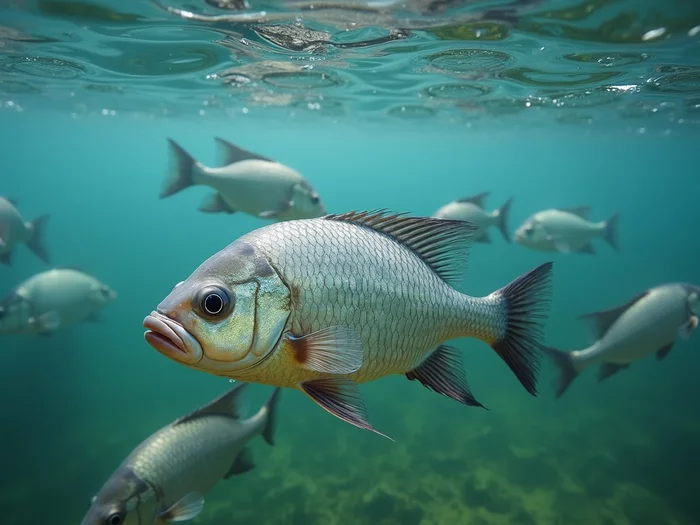
Columnaris disease appears as white or grey patches on fins, gills, and body surfaces, often starting around the mouth area and spreading rapidly in warm water conditions. Affected fish show reduced appetite, lethargy, and may gasp at the water surface due to gill damage from bacterial infection. In Egypt, columnaris outbreaks typically occur during summer months when water temperatures exceed 30°C and dissolved oxygen levels drop below optimal ranges.
Ich (white spot disease) manifests as small white spots covering the fish's body and fins, resembling salt grains scattered across the skin surface. Infected tilapia rub against pond sides or bottom surfaces trying to remove parasites, and may show rapid gill movement indicating respiratory distress. Blue tilapia appear more susceptible to ich infections than Nile tilapia, particularly during temperature fluctuations or when water quality deteriorates rapidly.
Fin rot causes progressive deterioration of fin edges, starting with frayed appearances and advancing to complete fin loss if untreated promptly. This bacterial infection typically follows physical injuries, poor water quality, or stress from overcrowding and handling. In Nigeria, farmers report increased fin rot incidence during harmattan season when temperature fluctuations stress fish and reduce their natural disease resistance capabilities.
Preventive Measures for Disease Control
Quarantine all new fish for 2-3 weeks in separate tanks before introducing them to main production ponds, allowing time to observe for disease symptoms and treat problems before they spread. You should maintain quarantine facilities with independent water supplies and equipment to prevent cross-contamination between healthy and potentially infected fish. In Kenya, commercial farms report 60-70% reduction in disease outbreaks after implementing strict quarantine protocols for all incoming fish stock.
Disinfect all equipment, nets, and containers with 10% salt solution or potassium permanganate between ponds to prevent mechanical disease transmission. Clean and dry equipment thoroughly after each use, storing in designated areas away from pond environments where pathogens might survive. Vehicle tyres, boots, and clothing can also carry diseases between farms, requiring disinfection protocols for all visitors and workers entering production areas.
Maintain optimal stocking densities and water quality parameters to reduce stress that makes fish susceptible to disease infections. Overcrowded fish compete for oxygen and food, creating stress conditions that suppress immune system function and increase disease susceptibility. In Uganda, farmers who reduced stocking densities by 20% reported 40-50% fewer disease problems while maintaining similar total production through improved growth rates and survival.
Treatment Protocols for Affected Fish
Salt treatment at 3-5 grams per litre provides effective treatment for many external parasites and bacterial infections affecting tilapia. Dissolve salt completely before adding to treatment tanks, and maintain fish in salt baths for 10-15 minutes for acute treatments or 24-48 hours for chronic conditions. Common table salt works effectively and costs much less than specialised aquaculture salts, making this treatment accessible to small-scale farmers throughout Africa.
Potassium permanganate treatments at 2-4 mg/L effectively control external parasites and fungal infections when applied correctly under proper supervision. This chemical requires precise dosing and careful monitoring, as overdoses can kill fish within hours of application. In Tanzania, farmers often work with local veterinarians to ensure proper potassium permanganate dosing and application techniques for treating disease outbreaks safely.
Antibiotic treatments should only be used under veterinary guidance and with proper withdrawal periods before fish harvest to ensure food safety. Oxytetracycline and florfenicol are commonly prescribed antibiotics for bacterial infections in tilapia, but improper use creates antibiotic resistance and residue problems. In Ghana, government regulations require veterinary prescriptions for antibiotic use in aquaculture, helping ensure proper treatment protocols and food safety compliance.
💡 Pro Tip: Early Detection System
Check fish behaviour during morning feeding—healthy tilapia rush to feed aggressively, while sick fish remain at the bottom or show sluggish movement. This daily observation catches problems before they become serious outbreaks.
| Parameter | Optimal Range | Frequency | Action if Outside Range |
|---|---|---|---|
| pH Level | 6.5 - 8.5 | Weekly | Add lime (100-200 kg/ha) if below 6.0 |
| Dissolved Oxygen | > 5 mg/L | Daily | Increase aeration if below 3 mg/L |
| Ammonia Level | < 0.5 mg/L | Weekly | Reduce feeding and increase water exchange |
| Stocking Density (Nile Tilapia) | 10-15 fingerlings/m² | Initial | Reduce to 5-8 adults/m² by harvest |
| Feeding Rate (Adults) | 2-3% body weight/day | Daily | Avoid overfeeding; adjust based on growth |
| Temperature | 28-32°C (Nile), 26-30°C (Blue) | Daily | Provide shade if above 35°C |
| Crude Protein in Feed | 28-32% (Nile), 30-35% (Blue) | Every feed formulation | Test ingredients for quality before use |
Conclusion
You now have the essential knowledge to prevent and manage diseases in your tilapia operation. Early detection through daily observation, proper biosecurity measures, and maintaining optimal water quality form the foundation of disease prevention. Remember that preventing diseases costs far less than treating outbreaks and produces much better outcomes for your fish.
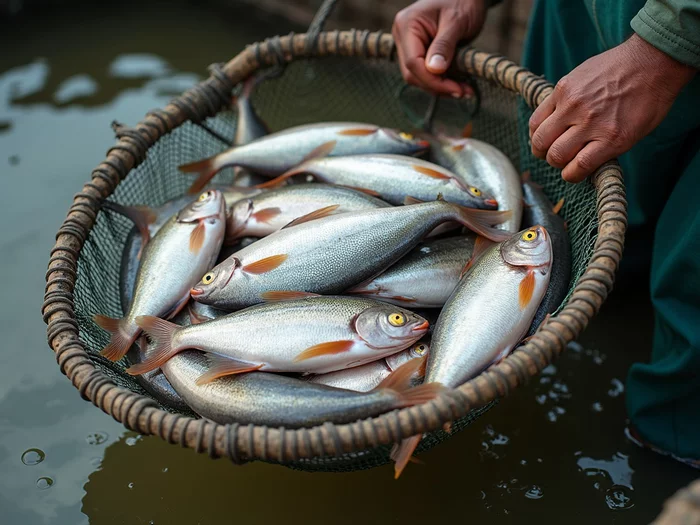
Start implementing these disease management practices gradually, beginning with daily health checks during feeding time and establishing quarantine procedures for new fish. Your ability to spot problems early will improve with experience, and you'll develop confidence in making treatment decisions when necessary.
With disease prevention mastered alongside your water quality management and feeding programmes, you're building a comprehensive approach to tilapia farming success. Consider expanding your knowledge next into breeding techniques or exploring value-added processing to increase your farm's profitability and sustainability.
Frequently Asked Questions
What if I can't find specific ingredients like fishmeal for my feed formulation?
If fishmeal is unavailable or too expensive, you can increase the proportion of other high-protein plant-based ingredients like soybean meal or groundnut cake. Aim to maintain the crude protein content at 28-32% for optimal growth in both Nile and Blue tilapia. You might also explore insect meal as an alternative protein source if available locally.
How often should I adjust my tilapia's feeding rates?
You should weigh and measure a sample of your fish every 2-3 weeks to monitor their growth and adjust the total daily feed amount accordingly. Also, be prepared to adjust feeding schedules and quantities daily based on water temperature, as tilapia metabolism slows below 25°C and speeds up above 30°C.
Can I mix Nile tilapia and Blue tilapia in the same pond?
While possible, it's generally not recommended for optimal production. Nile tilapia are more aggressive feeders and grow faster, which can lead to Blue tilapia being outcompeted for food and experiencing stunted growth. If you do mix them, ensure multiple feeding stations and careful observation to ensure all fish get adequate nutrition.
Why is it so important to quarantine new fingerlings, even if they look healthy?
Quarantining new fish for 2-3 weeks is crucial because many diseases have incubation periods where symptoms aren't immediately visible. This practice allows you to observe for signs of illness and treat any problems in isolation, preventing the introduction and rapid spread of pathogens to your existing, healthy stock. It protects your entire investment.
What's the best way to quickly lower high ammonia levels in my pond?
For immediate relief from high ammonia, reduce feeding by 50-75% and perform a partial water change of 20-30% to dilute the concentration. Increasing aeration will also help by improving oxygen levels, which supports beneficial bacteria that convert ammonia. Consider adding beneficial bacteria products to accelerate the conversion process.


Yomi Adisa Lead Researcher
Yomi Adisa is the lead researcher at Fish Farming Business, where he studies what makes aquaculture ventures profitable across Africa. His research focuses on market patterns, buyer preferences, and the business decisions that determine success or failure in fish farming.