Goals of Effective Management
Maximizing Reproductive Performance
Ensuring that your broodstock spawn regularly and successfully.
Posted on: 2025-10-08
By: Yomi Adisa
As the aquaculture industry continues to grow, understanding the selection and management of tilapia broodstock is becoming more critical than ever. This guide will help you navigate the complexities of broodstock management to enhance your farming practice.
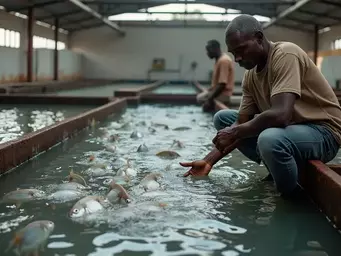
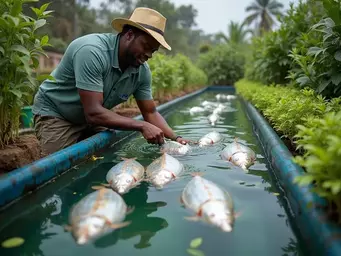
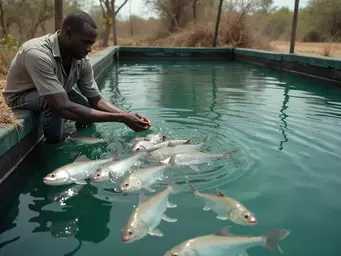
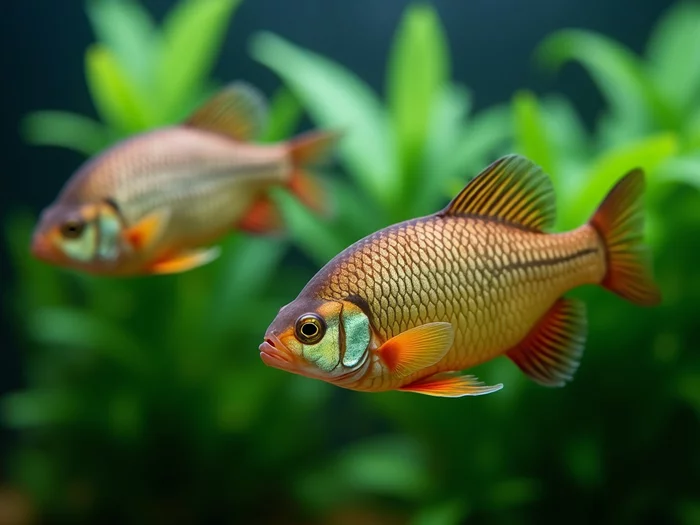
Effective management of tilapia broodstock involves clear goals and specific steps to ensure successful aquaculture operations. The visual below outlines these key elements.
Ensuring that your broodstock spawn regularly and successfully.
Selecting for traits that enhance the growth and health of the young fish.
Choose broodstock with desirable traits to improve offspring quality.
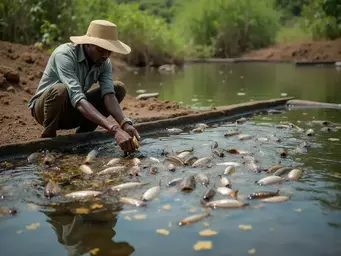
Monitor your fish for signs of disease and deformities to maintain a healthy stock.
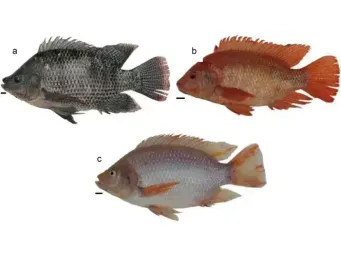
When we talk about tilapia broodstock, we're referring to the parent fish that are specifically bred to produce the next generation of fish. This selection is crucial because the quality of your broodstock directly influences the health and growth of the fish you produce. At Tilapia Farming Solutions, I can't stress enough how important it is to understand the nuances of broodstock management. Proper selection and management not only enhance fish quality but also contribute to the sustainability of your farming practices.
Broodstock management isn't just about choosing fish; it's about establishing a foundation for a successful aquaculture business. Effective management ensures that your fish spawn reliably, produce high-quality offspring, and maintain genetic diversity within your population. This diversity is key to resilience against diseases and environmental changes—topics we’ll delve into as we explore the best practices for managing your broodstock.
Tilapia broodstock is essentially the backbone of your aquaculture operation. These fish are selected for their desirable traits, such as rapid growth rates, disease resistance, and excellent meat quality. The importance of broodstock can’t be overstated; without a proper selection process, you risk poor growth rates and high mortality, which can devastate your farm's productivity.
By prioritizing the health and genetics of your broodstock, you're setting yourself up for long-term success. It’s an investment in your farm's future that pays off in higher yields and increased profitability.
When it comes to effectively managing your tilapia broodstock, it's essential to have clear goals in mind. I'm passionate about empowering farmers with the right knowledge, and that starts with defining what effective management looks like. The primary goals include:
These goals help guide your decisions and strategies in broodstock management. By focusing on these aspects, you'll foster a thriving tilapia farming operation that meets the needs of your community.
Genetics plays a vital role in the success of your tilapia farming practices. The traits you select for can determine not just the immediate success of your fish but also their long-term health and productivity. At Tilapia Farming Solutions, we advocate for a science-based approach to genetic selection.
By understanding and utilizing genetics effectively, you can enhance the performance of your broodstock and, ultimately, your entire aquaculture operation. Remember, investing time in genetic research and selection will yield fruitful results in the long run!
Did you know? Regularly rotating your broodstock can significantly enhance the genetic diversity and overall health of your tilapia population. By introducing new genetics every few generations, you can reduce the risk of inbreeding and improve traits such as disease resistance and growth rates.
As we wrap up this guide on tilapia broodstock management, it's crucial to highlight the essential steps that will empower you to select and manage healthy broodstock effectively. By focusing on the right practices, you can enhance your breeding outcomes and contribute to a thriving aquaculture business.
To successfully manage your broodstock, consider the following steps:
By adhering to these key practices, you’ll not only enhance the success of your tilapia farming venture but also promote sustainability within your local community.
Focusing on the selection and management of tilapia broodstock is vital for any successful aquaculture operation. Here are some essential steps to guide you:
By following these steps, you’ll establish a strong foundation for your broodstock program, which is essential for achieving your aquaculture goals.
Looking forward, the future of tilapia farming lies in embracing technology and sustainable practices. Incorporating innovations such as AI and IoT can enhance your breeding efficiency and broodstock management. Here are a few trends to watch:
These advancements not only improve efficiency but also contribute to the long-term viability of your tilapia farming endeavors. For more information on sustainable practices, consider visiting our blog on sustainable aquaculture.
Now that we’ve covered the essentials of broodstock management, it’s time to take action! Implementing these strategies can significantly enhance your tilapia farming operations. Let’s explore how you can begin:
Starting with your tilapia broodstock program may seem overwhelming, but with a structured approach, you can integrate these best practices smoothly. Here’s how:
Taking these steps will ensure your broodstock program is set for success! You can find more detailed guidance on developing a successful plan in our guide on aquaculture business planning.
For those looking to deepen their understanding and enhance their aquaculture practices, here are some valuable resources:
These resources will provide you with the necessary knowledge and tools to excel in tilapia farming! For additional technical insights, explore the Tilapia Broodstock Technical Guide.
Here is a quick recap of the important points discussed in the article:
Yomi Adisa Lead Researcher
Yomi Adisa is the lead researcher at Fish Farming Business, where he studies what makes aquaculture ventures profitable across Africa. His research focuses on market patterns, buyer preferences, and the business decisions that determine success or failure in fish farming.
New to Tilapia Farming? Confused where to start with our articles?
FREE guides, tools & resources to help you run a more profitable fish farming business.