Quarantine Protocols for New Tilapia Stock: Step-by-Step Guide for Farm Biosecurity
Posted on: 2025-11-08
By: Yomi Adisa
Quarantine Protocols for New Tilapia Stock: Step-by-Step Guide for Farm Biosecurity
Picture this: You've just invested 45,000 naira in premium Nile tilapia fingerlings from a reputable hatchery in Ibadan. Within two weeks of stocking your main pond, you notice fish swimming erratically near the surface, some with cloudy eyes and torn fins. By the third week, you're pulling out dozens of dead fish daily.
📑 Table of Contents
What started as an exciting expansion has turned into a devastating loss that could have been prevented with proper quarantine protocols. Disease outbreaks can wipe out 60-80% of your stock within weeks, representing losses of hundreds of thousands of shillings or naira. Yet many tilapia farmers skip quarantine procedures, viewing them as unnecessary delays rather than essential insurance policies.
The reality is stark: introducing new stock without proper quarantine is the fastest way to destroy months of investment in biosecurity and planning. Every new batch of fish carries potential pathogens that can devastate established populations, and transport stress makes newly arrived fish particularly vulnerable to disease outbreaks. This comprehensive guide provides you with the complete technical knowledge needed to establish and operate effective quarantine systems for your tilapia farm.
🎯 What You'll Learn
- Learn how to design and implement effective quarantine facilities that prevent disease outbreaks in your tilapia farm.
- Master daily health monitoring techniques to identify and address potential issues in your new tilapia stock during quarantine.
- Discover essential water quality management practices that ensure optimal conditions for tilapia health and reduce stress during quarantine.
Importance of Quarantine in Tilapia Farming
Quarantine represents your first and most critical line of defence against catastrophic disease outbreaks that can destroy months of investment and planning. Understanding the specific disease risks facing tilapia farmers across Africa, combined with the stark economic realities of prevention versus treatment, makes quarantine protocols essential rather than optional for any serious tilapia operation. The knowledge in this guide transforms quarantine from an optional expense into your most valuable protection against catastrophic losses.
Understanding Disease Risks
Tilapia Lake Virus (TiLV) stands as the most feared pathogen in modern tilapia farming, capable of causing 90% mortality rates within 7-10 days of outbreak. This virus spreads rapidly through water systems and affects all tilapia species, with infected fish showing symptoms including skin lesions, eye damage, and erratic swimming behaviour before death. TiLV has been documented across multiple African countries, making it a continent-wide threat to your operation.
Bacterial infections, particularly those caused by Mycobacterium species, present another significant risk when introducing new stock. These pathogens cause chronic wasting disease, where fish gradually lose weight and condition over several months. Infected fish may appear normal initially but carry the bacteria internally, spreading infection throughout your ponds before symptoms become visible.

New stock represents the highest risk vector for disease introduction because fish experience transport stress that suppresses their immune systems. During this vulnerable period, latent infections become active, and fish that appeared healthy at the source can quickly develop clinical disease. Without quarantine, these pathogens enter your main production system immediately, where higher stocking densities and established fish populations create ideal conditions for rapid disease spread.
| Disease | Symptoms | Treatment Options |
|---|---|---|
| Tilapia Lake Virus (TiLV) | 90% mortality | No specific treatment; supportive care |
| Bacterial Infections (Mycobacterium) | Chronic wasting | Antibiotics |
| Streptococcus Infections | Acute mortality | Antibiotics |
Economic Implications of Disease Outbreaks
A disease outbreak in a 100-square-metre tilapia pond stocked with 10,000 fingerlings represents a potential loss of 800,000 to 1.2 million naira in Lagos, or 120,000 to 180,000 shillings in Nairobi, when you factor in fingerling costs, feed expenses, and lost production time. These figures don't include the secondary costs of pond disinfection, restocking delays, and lost customer relationships when you cannot meet harvest commitments. Mortality rates during disease outbreaks typically range from 30-70% for bacterial infections and can exceed 90% for viral diseases like TiLV.
Even fish that survive often show reduced growth rates and poor feed conversion, extending production cycles by 2-4 months and increasing your total production costs by 40-60%. The economic impact compounds when you consider that disease outbreaks often affect multiple ponds simultaneously, potentially devastating your entire operation. Quarantine systems cost approximately 50,000 to 150,000 naira to establish properly, depending on your farm size and chosen materials.
| Investment | Cost (Naira) | Potential Loss Prevented |
|---|---|---|
| Basic Quarantine System | 50,000 - 150,000 | 800,000 - 1,200,000 |
| Disease Outbreak | 800,000 - 1,200,000 | Total loss |
Setting Up a Quarantine Area
Creating an effective quarantine facility requires careful planning of physical infrastructure, strategic placement relative to your main production areas, and implementation of systems that allow complete isolation while maintaining optimal fish health. The design principles and equipment specifications outlined here provide the foundation for a quarantine system that protects your investment while remaining practical for daily operations. Proper facility design ensures that your quarantine system functions as intended whilst minimising operational complexity.
Designing the Quarantine Facility
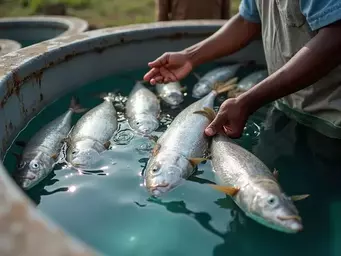
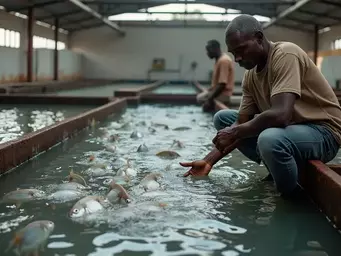
Your quarantine facility must be positioned at least 50 metres from your main production ponds, with separate water supply and drainage systems to prevent any possibility of cross-contamination. The ideal quarantine area consists of 3-4 tanks or ponds, each measuring 3 metres by 4 metres with a depth of 1.2 metres, providing 14.4 cubic metres of water volume per unit. This sizing allows you to quarantine 1,000-1,500 fingerlings per tank at proper densities while maintaining excellent water quality.
Construct quarantine tanks using concrete, fibreglass, or high-quality plastic materials that allow thorough disinfection between batches. Concrete tanks offer the best long-term durability and can be built by local artisans for 180,000 to 250,000 naira per tank in Nigeria, or 25,000 to 35,000 shillings in Kenya. Each tank requires independent water inlets and outlets positioned to create proper circulation patterns, with inlet pipes placed at one end and outlets at the opposite end to prevent dead zones where waste accumulates.

Install a reliable aeration system capable of maintaining dissolved oxygen levels above 6mg/L throughout the quarantine period. Each tank needs at least two air stones connected to a central blower system, with backup aeration available through battery-powered units during power outages. The quarantine area requires covered storage for equipment, feed, and treatment supplies, plus a dedicated area for sample collection and fish handling.
| Material Type | Cost (Naira) | Durability | Ease of Disinfection |
|---|---|---|---|
| Concrete | 180,000 - 250,000 | High | Moderate |
| Fibreglass | 150,000 - 200,000 | Moderate | High |
| Plastic | 100,000 - 150,000 | Low | High |
All-In-All-Out Stocking Method
The all-in-all-out stocking method forms the cornerstone of effective quarantine management, ensuring that each batch of new fish receives complete isolation and monitoring without cross-contamination between groups. This approach requires disciplined timing and systematic procedures but provides the highest level of biosecurity protection for your operation. Begin by completely emptying and disinfecting your quarantine tanks before each new batch arrives.
Use a 200ppm chlorine solution (20ml of household bleach per litre of water) to scrub all surfaces, pipes, and equipment, followed by thorough rinsing and neutralisation with sodium thiosulfate. Allow tanks to dry completely for 24-48 hours before refilling with fresh water, giving chlorine residues time to dissipate completely. Stock all fish from a single source into quarantine tanks simultaneously, never mixing different suppliers or delivery dates within the same quarantine cycle.
Complete the entire quarantine cycle for all tanks before introducing any new stock, even if some tanks appear ready for transfer earlier than others. This discipline prevents the accidental introduction of pathogens that might be developing in apparently healthy fish. The all-in-all-out method requires patience but provides the security of knowing that your main production system receives only verified healthy stock.
Essential Equipment and Supplies
Proper quarantine operations require specific equipment and supplies that enable effective monitoring, treatment, and biosecurity maintenance throughout the quarantine period. Your equipment list should prioritise reliability and ease of disinfection while providing the capabilities needed for professional health management. Water quality testing equipment forms the foundation of your quarantine monitoring system.

You need reliable test kits for pH, dissolved oxygen, ammonia, nitrite, and temperature, with digital metres preferred for accuracy and speed. A quality dissolved oxygen metre costs 15,000 to 25,000 naira in Lagos or 2,200 to 3,500 shillings in Nairobi and provides readings essential for maintaining fish health during the stress of quarantine. Aeration equipment includes a primary blower system capable of supplying all quarantine tanks simultaneously, plus backup battery-powered aerators for each tank.
Biosecurity supplies include dedicated footbaths containing disinfectant solutions, disposable gloves, separate nets for each tank, and cleaning equipment that never leaves the quarantine area. Treatment supplies should include broad-spectrum antibiotics approved for aquaculture use, antifungal medications, and supportive treatments like vitamin supplements and stress reducers. Emergency equipment includes battery-powered aeration, backup water pumps, and emergency contact information for veterinary support.
Health Monitoring in Quarantine
Effective health monitoring during quarantine requires systematic observation, precise record-keeping, and the ability to detect subtle changes that might indicate developing health problems. Your monitoring protocols must balance thoroughness with practicality, ensuring you catch potential issues early while maintaining the daily routines necessary for successful quarantine operations. Professional health assessment provides definitive information about pathogen presence and fish health status that visual observations alone cannot reveal.
Observation and Tracking
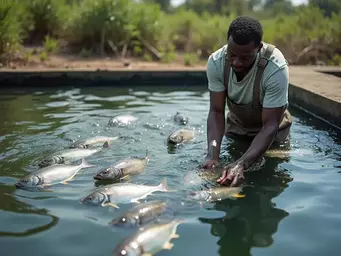
Daily health observations form the backbone of quarantine monitoring, requiring consistent timing and systematic approaches that detect changes in fish behaviour, appearance, and feeding patterns. Conduct your primary observations at the same time each morning before feeding, when fish behaviour patterns are most predictable and abnormalities are easiest to spot. Watch for changes in swimming behaviour including fish that separate from the group, swim near the surface or bottom exclusively, or show erratic movement patterns like spinning or loss of balance.
Physical appearance monitoring focuses on external signs of disease or stress including changes in colouration, fin damage, eye clarity, and body condition. Tilapia experiencing stress often develop darker colouration, particularly around the head and dorsal area, while diseased fish may show pale patches, ulcers, or fungal growth appearing as white cotton-like material. Document any physical abnormalities with detailed descriptions, noting location, size, and progression over time.
Feeding behaviour provides critical insights into fish health and stress levels during quarantine. Healthy fish should begin feeding within 2-3 days of arrival, showing competitive behaviour and consuming their ration within 15-20 minutes. Maintain detailed quarantine logs recording daily observations, water quality measurements, feeding rates, and any treatments administered.
Sampling and Testing Protocols
Professional health assessment during quarantine requires systematic sampling and testing protocols that provide definitive information about pathogen presence and fish health status. While basic visual observations catch obvious problems, laboratory testing reveals hidden infections that could devastate your main production system if left undetected. Collect samples for PCR testing on days 3, 10, and 21 of quarantine, taking tissue samples from both apparently healthy fish and any showing signs of illness.
Proper sampling requires euthanising selected fish using an overdose of clove oil (10ml per litre of water), then collecting gill, kidney, and spleen tissues using sterile techniques. Place samples in sterile containers with appropriate preservatives and transport to testing laboratories within 24 hours of collection. Water sampling provides additional information about pathogen presence and environmental conditions that might stress fish and increase disease susceptibility.
Blood sampling from larger fish (above 100g) provides information about immune system function and internal health status that external observations cannot reveal. Mortality examination protocols require systematic necropsy procedures that identify cause of death and potential disease spread patterns. Conduct examinations immediately after discovering dead fish, noting external lesions, gill condition, and internal organ appearance.
| Observation Type | Frequency | Notes |
|---|---|---|
| Behavioural Observations | Daily | Look for erratic swimming, hiding, or isolation. |
| Physical Appearance | Daily | Check for lesions, discoloration, or fin damage. |
| Feeding Behaviour | Daily | Monitor feed intake and competition among fish. |
Implementing Biosecurity Measures
Strict biosecurity measures during quarantine prevent pathogen spread between tanks and protect your main production system from contamination. These protocols require discipline and consistency from all farm personnel but provide essential protection that makes quarantine effective rather than merely ceremonial. Equipment disinfection protocols ensure that nets, buckets, and other tools used in quarantine areas never carry pathogens to other parts of your farm.

Maintain separate equipment sets for each quarantine tank, storing them in clearly marked containers with tank identification. Between uses, disinfect all equipment using 200ppm chlorine solutions, allowing 5-10 minutes contact time before rinsing with clean water. Footbath systems at quarantine area entrances and exits prevent pathogen transfer on boots and shoes.
Dead fish disposal requires immediate removal and proper treatment to prevent pathogen spread through scavengers or environmental contamination. Remove dead fish within hours of discovery, placing them in sealed containers for transport to disposal areas. Staff access restrictions limit quarantine area entry to essential personnel who have received proper training in biosecurity procedures.
Disease Prevention Strategies
Comprehensive disease prevention during quarantine extends beyond basic isolation to include active management of environmental conditions, prophylactic treatments, and systematic preparation for potential health emergencies. These strategies work together to maintain fish health while identifying and addressing problems before they become critical. Effective prevention requires understanding the interconnected nature of water quality, fish immunity, and pathogen control.
Water Quality Management
Water quality management in quarantine systems requires more intensive monitoring and control than production ponds because stressed fish are more susceptible to water quality problems and have reduced tolerance for parameter fluctuations. Maintaining optimal conditions supports fish immune systems while creating an environment that inhibits pathogen growth and transmission. Monitor pH levels daily, maintaining ranges between 6.8 and 8.2 for optimal tilapia health during the stress of quarantine.
pH fluctuations outside this range increase fish stress and reduce their ability to fight off infections. Use agricultural lime to raise pH when levels drop below 6.8, adding 50-100g per cubic metre of water and monitoring changes over 24-48 hours. Dissolved oxygen levels must remain above 6mg/L throughout the quarantine period, with levels above 7mg/L preferred during the first week when fish are most stressed.
Ammonia and nitrite levels require careful monitoring because quarantine systems often lack the established biological filtration found in mature production ponds. Maintain ammonia levels below 0.25ppm and nitrite below 0.1ppm through proper feeding management and adequate biological filtration. Temperature stability supports fish health and reduces stress during quarantine, with optimal ranges between 26-30°C for most tilapia species.
| Parameter | Optimal Range | Monitoring Frequency |
|---|---|---|
| pH | 6.8 - 8.2 | Daily |
| Dissolved Oxygen | >6 mg/L | Twice Daily |
| Ammonia | <0.25 ppm | Daily |
| Nitrite | <0.1 ppm | Daily |
| Temperature | 26-30°C | Daily |
Vaccination and Treatment Options
Vaccination and prophylactic treatment programs provide active protection against common tilapia diseases while supporting fish immune systems during the stress of quarantine and adaptation. These interventions require careful timing and proper administration techniques to achieve maximum effectiveness without causing additional stress. Streptococcus vaccines offer protection against one of the most common bacterial diseases affecting tilapia, particularly valuable for fingerlings and juveniles that show highest susceptibility.
Administer vaccines through injection for fish above 50g, using 0.1ml per fish injected intraperitoneally with proper restraint techniques. For smaller fish, immersion vaccination provides effective protection, mixing vaccine according to manufacturer's instructions and exposing fish for 30-60 seconds before returning to quarantine tanks. Antibiotic treatments should be reserved for situations where bacterial infections are confirmed through testing or clinical signs clearly indicate bacterial disease.
Vitamin supplementation supports immune system function during quarantine stress, with vitamin C particularly important for tilapia health. Add vitamin C to feed at 200-500mg per kg of feed, or use water-soluble formulations added directly to quarantine tanks at 50-100mg per cubic metre of water. Probiotics help establish beneficial bacterial populations in fish digestive systems and quarantine tank environments, competing with pathogenic bacteria for resources and attachment sites.
Contingency Planning for Disease Outbreaks
Despite preventive measures, disease outbreaks can occur during quarantine, requiring rapid response protocols that minimise losses while protecting your main production system from contamination. Effective contingency planning includes predetermined treatment protocols, emergency supply management, and clear decision-making criteria for different outbreak scenarios. Establish treatment protocols for common disease scenarios including bacterial infections, viral diseases, and parasitic infestations.
Bacterial outbreak protocols should include immediate antibiotic treatment, increased water exchange rates, and enhanced aeration to support fish during treatment. Viral outbreak protocols focus on supportive care including optimal water quality maintenance, stress reduction, and isolation of affected tanks from healthy stock. Emergency supply management ensures that critical treatments and equipment are available when needed, without delays that could worsen outbreak severity.
Decision-making criteria help determine when to treat, when to cull, and when to seek professional veterinary assistance. Establish mortality rate thresholds that trigger specific responses, such as beginning antibiotic treatment when daily mortality exceeds 2% or seeking veterinary consultation when mortality reaches 5% daily. Veterinary support networks provide professional expertise when outbreak situations exceed your farm's treatment capabilities.
Implementing proper quarantine protocols is your most powerful tool for preventing devastating disease outbreaks that can destroy months of investment overnight. The key to success lies in three critical areas: establishing completely isolated quarantine facilities with independent water systems, maintaining strict biosecurity measures that prevent pathogen transfer between tanks and to your main production system, and conducting systematic health monitoring that catches problems before they spread. Remember that quarantine isn't just about isolation—it's about creating optimal conditions where healthy fish thrive whilst diseased fish reveal themselves before reaching your valuable breeding stock.
Building effective quarantine systems requires patience and attention to detail, but you now have the complete technical knowledge needed to protect your tilapia farming investment. Start with basic infrastructure that you can afford and improve over time—even simple concrete tanks with proper aeration can provide excellent protection when operated correctly. Your first few quarantine cycles will teach you more than any textbook, so don't hesitate to begin implementing these protocols with your next stock purchase.
Mastering quarantine protocols positions you to confidently expand your operation by sourcing quality breeding stock from multiple suppliers without fear of introducing diseases. This knowledge also prepares you for the next critical aspect of successful tilapia farming: developing comprehensive pond management systems that maintain the health and productivity you've protected through proper quarantine procedures. Your investment in biosecurity today secures the foundation for sustainable, profitable tilapia production tomorrow.
Frequently Asked Questions
Why is quarantine considered my most valuable insurance policy for tilapia farming?
Quarantine is your most valuable insurance because it actively prevents devastating disease outbreaks like Tilapia Lake Virus, which can wipe out 60-90% of your stock. While establishing a system costs 50,000 to 150,000 naira, this investment can save millions in potential losses from a single outbreak, securing your livelihood and consistent harvests.
How far should my quarantine facility be from my main production ponds?
Your quarantine facility should be positioned at least 50 metres from your main production ponds. This distance, combined with separate water supply and drainage systems, is crucial to prevent any possibility of cross-contamination between new stock and your established fish.
What specific disinfectant should I use for cleaning my quarantine tanks between batches?
You should use a 200ppm chlorine solution (20ml of household bleach per litre of water) to thoroughly scrub all surfaces, pipes, and equipment. After scrubbing, ensure you rinse thoroughly and neutralise any chlorine residues with sodium thiosulfate before allowing the tanks to dry completely.
What are the key daily observations I should make to monitor fish health during quarantine?
You should conduct daily observations each morning before feeding, looking for changes in swimming behaviour (e.g., erratic movement, hiding), physical appearance (e.g., dark colouration, lesions), and feeding response. Documenting these observations in a detailed log helps identify potential health issues early.
What should I do if my dissolved oxygen levels drop below 6mg/L in the quarantine tanks?
If dissolved oxygen levels drop below 6mg/L, you must immediately increase aeration in the affected tanks. You should also investigate the cause, such as overstocking, overfeeding, or equipment malfunctions, and consider conducting partial water changes if necessary to stabilise conditions.


Yomi Adisa Lead Researcher
Yomi Adisa is the lead researcher at Fish Farming Business, where he studies what makes aquaculture ventures profitable across Africa. His research focuses on market patterns, buyer preferences, and the business decisions that determine success or failure in fish farming.