Vaccination and Medication Guide for Tilapia Disease Prevention
Posted on: 2025-11-13
By: Yomi Adisa
Table of Contents
You've built your tilapia pond, stocked it with healthy fingerlings, and started feeding regularly—yet your fish keep dying unexpectedly. The water looks clear, the fish seemed fine yesterday, but this morning you're pulling out dead tilapia with no obvious explanation. This heartbreaking scenario plays out on farms across Africa, often destroying months of investment and hard work.
Disease outbreaks are one of the biggest threats to profitable tilapia farming, whether you're raising Nile tilapia or Blue tilapia. Even experienced farmers can lose entire stocks when bacterial, viral, or parasitic infections strike their ponds. The difference between success and failure often comes down to recognising early warning signs and taking swift action.
This comprehensive guide will teach you how to identify the most common tilapia diseases before they devastate your farm. You'll learn to spot the subtle symptoms that appear days before fish start dying, understand what causes these diseases, and master proven treatment methods that can save your stock and protect your profits.
🎯 What You'll Learn
- How to identify early warning signs of tilapia diseases to prevent outbreaks.
- Effective vaccination techniques and schedules tailored for tilapia farming.
- Best practices for medication use and biosecurity measures to enhance fish health.
Understanding Tilapia Diseases
You need to understand that tilapia diseases don't appear overnight—they develop gradually as stress weakens your fish's immune systems. Most disease outbreaks in African tilapia farms result from poor water quality, overcrowding, or introducing infected stock without proper quarantine. When you recognise the early warning signs and understand what causes these diseases, you can take action before losing your entire harvest.
Disease prevention costs far less than treatment, and early intervention can save 80-90% of your stock compared to waiting until fish start dying. Nile tilapia (Oreochromis niloticus) and Blue tilapia (Oreochromis aureus) face similar disease threats, but they respond differently to stress and treatment. Understanding these differences helps you choose the right management approach for your specific operation.
The most devastating tilapia diseases in Africa include bacterial infections like Streptococcosis, viral diseases, and parasitic infestations that can wipe out thousands of fish within days. Here's what you need to know about identifying, preventing, and managing these threats to protect your investment.
Common Diseases Affecting Tilapia
You'll encounter three main categories of diseases in your tilapia operation: bacterial infections, viral diseases, and parasitic infestations. Streptococcal infections caused by Streptococcus agalactiae are the most devastating, causing sudden death in apparently healthy fish across farms in Lake Victoria region of Uganda, Kenya, and Tanzania. This bacteria thrives in warm water temperatures (28-32°C) and can kill 50-80% of your stock within a week if left untreated.
Columnaris disease, caused by Flavobacterium columnare, appears as white or grey patches on fins and gills, spreading rapidly in overcrowded ponds. Aeromonas hydrophila causes haemorrhagic septicaemia, leading to red streaks on the body and internal bleeding that you'll notice during post-mortem examination. Parasitic diseases like Ichthyophthirius multifiliis (white spot disease) create small white cysts on skin and gills, making fish scratch against pond walls and gasp at the surface.
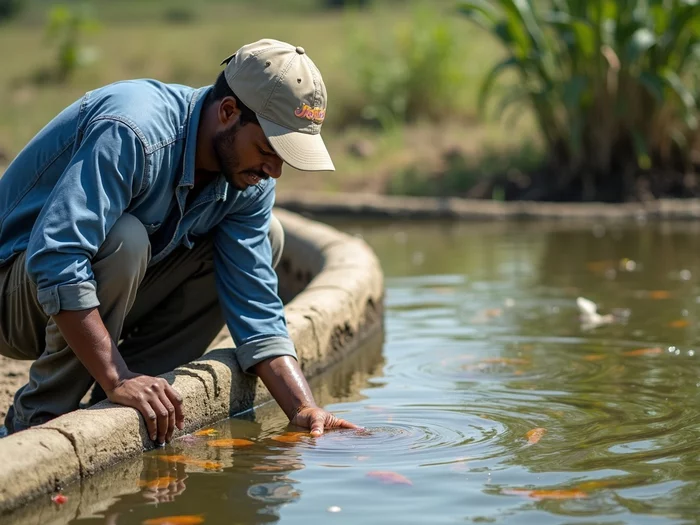
Nile tilapia generally tolerate temperature fluctuations better than Blue tilapia, but they're more susceptible to Streptococcal infections when stocked at high densities above 5 fish per square metre. Blue tilapia show stress symptoms more quickly, making early disease detection easier, but they're more sensitive to medication treatments and require careful dosage calculations.
Symptoms to Watch For
You must check your fish daily for behavioural changes that signal disease before physical symptoms appear. Healthy tilapia feed aggressively and swim actively throughout the pond, but diseased fish often gather near the surface, refuse food, or swim erratically with jerky movements. When you notice fish staying in corners, swimming upside down, or showing reduced response to feeding, disease has likely already begun affecting their systems.
Physical symptoms develop 2-3 days after behavioural changes, starting with fin rot, body lesions, or unusual discolouration. You'll see red streaks along the body, cloudy or protruding eyes, swollen abdomens, or white patches on skin and fins. Gill damage appears as pale or dark gill filaments, and you may notice increased mucus production that makes fish appear slimy.
Blue tilapia display stress symptoms more visibly than Nile tilapia—their colours fade quickly, and they show laboured breathing at the surface when oxygen levels drop or disease strikes. Create a daily checklist: feeding response, swimming behaviour, physical appearance, water colour, and any dead fish. Early detection within 24-48 hours of symptom onset gives you the best chance of successful treatment.
Impact of Diseases on Production
You can lose 60-90% of your investment when disease outbreaks strike tilapia farms, with mortality rates reaching 80% in severe Streptococcal infections. A farmer in Zambia lost 2,000 tilapia worth $3,000 USD when bacterial infection spread through overcrowded ponds during the hot season. Even fish that survive disease outbreaks grow 30-50% slower and require 20-30% more feed to reach market size, destroying your profit margins.
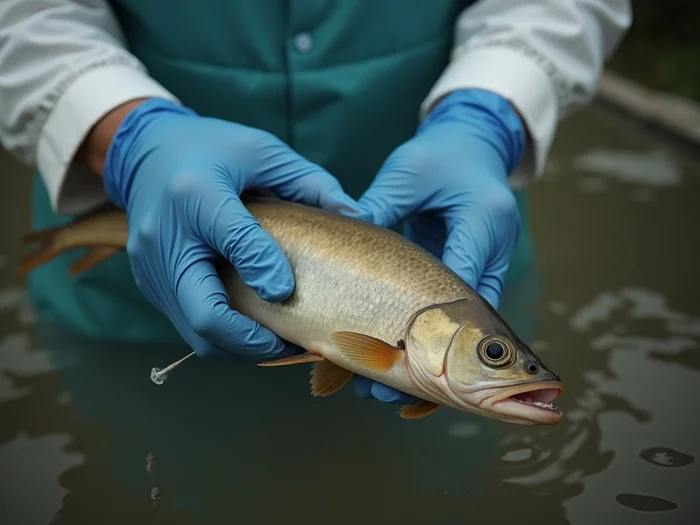
Disease outbreaks reduce feed conversion ratios from the optimal 1.5:1 to 2.5:1 or higher, meaning you'll spend significantly more on feed for the same weight gain. Growth rates drop from 2-3g per day to less than 1g per day during recovery periods, extending your production cycle by 2-3 months. This delay increases your operational costs and reduces the number of production cycles you can complete annually.
Market access becomes problematic when buyers suspect disease issues, even after successful treatment. Nile tilapia's faster growth rate (reaching 500g in 6-8 months) means disease-related delays have greater economic impact than with Blue tilapia, which naturally grow slower. You must factor disease prevention costs—quality fingerlings, proper stocking densities, regular water testing—into your budget because treatment costs 5-10 times more than prevention.
Vaccination Techniques for Tilapia
You can prevent 70-90% of bacterial disease outbreaks in your tilapia farm through proper vaccination programmes, dramatically reducing mortality rates and protecting your investment. Vaccination works by stimulating your fish's immune system to recognise and fight specific pathogens before they cause disease, similar to how human vaccines prevent illness. The key to successful tilapia vaccination lies in choosing the right vaccine type, using proper administration methods, and timing vaccinations correctly for maximum protection.
Modern tilapia vaccines have revolutionised disease management across African aquaculture operations, with farms in Kenya and Uganda reporting 60-80% reductions in Streptococcal infections after implementing vaccination programmes. However, vaccines only work when administered correctly and stored properly—improper handling can render expensive vaccines completely ineffective. You must understand that vaccination requires initial investment but saves significantly more money than treating disease outbreaks or replacing dead stock.
The most effective vaccination strategies combine multiple approaches: injectable vaccines for breeding stock, immersion vaccines for fingerlings, and oral vaccines mixed into feed for ongoing protection. Your choice of vaccination method depends on fish size, available labour, pond setup, and target diseases in your specific region.
Types of Vaccines Available
You have two main vaccine categories available for tilapia farming: inactivated (killed) vaccines and live attenuated vaccines, each offering different protection levels and administration requirements. Inactivated vaccines contain dead pathogens that stimulate immunity without causing disease, making them safer but requiring booster shots every 6-12 months. Live vaccines use weakened pathogens that provide stronger, longer-lasting immunity but carry slight infection risks if fish are already stressed or immunocompromised.
Commercial vaccines targeting Streptococcus agalactiae are now available through suppliers in Kenya (Kenchic Limited) and Nigeria (Chi Farms), with efficacy rates reaching 85-95% when properly administered. The most widely used vaccine is AquaVac Strep Sa, which protects against the primary cause of tilapia mortality in East African farms. These vaccines require cold storage at 2-8°C and cost approximately $0.10-0.15 per fish dose, making them economically viable for operations with more than 1,000 fish.
Nile tilapia respond better to inactivated vaccines due to their robust immune systems, while Blue tilapia may require live vaccines for adequate protection but need careful monitoring post-vaccination. Research from Makerere University in Uganda shows Nile tilapia maintain vaccine immunity for 8-10 months compared to 6-8 months for Blue tilapia, affecting your vaccination scheduling decisions.
Administration Methods: Injection, Immersion, and Oral
You can administer tilapia vaccines through three proven methods: intramuscular injection for maximum protection, immersion baths for large groups, and oral delivery through medicated feed for ongoing immunity. Injection provides the strongest immune response but requires individual fish handling—use 1ml syringes with 25-gauge needles, injecting 0.1ml vaccine into the muscle behind the dorsal fin. This method works best for broodstock and fish over 50g, achieving 90-95% protection rates when done correctly.
Immersion vaccination involves placing fish in vaccine solutions for 30-60 seconds, making it practical for treating 500-1,000 fingerlings simultaneously. Prepare immersion baths using 1:10 vaccine-to-water ratios in clean containers, ensuring water temperature matches pond conditions within 2°C. Farmers in Uganda report 75-85% protection rates using immersion methods for 10-30g fingerlings, with significantly reduced labour costs compared to individual injections.
Oral vaccination through feed offers the most convenient long-term protection, mixing vaccines into pellets at 1-2% of daily feed ration for 5-7 consecutive days. Blue tilapia accept medicated feed more readily than Nile tilapia, but both species achieve 60-70% protection rates with proper oral vaccination programmes. This method works best during cooler morning hours when fish feed most actively, ensuring maximum vaccine consumption across your entire stock.
💡 Pro Tip: Timing Your Vaccinations
Vaccinate your tilapia during cooler morning hours (6-8 AM) when fish are less stressed and more likely to feed actively. This timing improves vaccine uptake by 20-30% and reduces handling stress that can compromise immune responses.
Creating a Vaccination Schedule
You need to develop vaccination schedules based on tilapia life stages, seasonal disease patterns, and local pathogen pressure in your specific region. Start vaccinating fingerlings at 5-10g body weight (6-8 weeks old), when their immune systems can respond effectively but before major growth phases begin. Primary vaccination should occur 4-6 weeks before the rainy season when bacterial infections peak across East African farms, followed by booster shots every 6-8 months depending on vaccine type and species.
Seasonal considerations are crucial for African tilapia farming—disease outbreaks typically increase during rainy seasons (March-May and October-December in Tanzania) when water temperatures fluctuate and organic matter increases bacterial loads. Schedule your primary vaccinations 6-8 weeks before these high-risk periods, allowing sufficient time for immunity development. Nile tilapia require boosters every 8-10 months, while Blue tilapia need more frequent boosters every 6-8 months due to their faster immune system turnover.
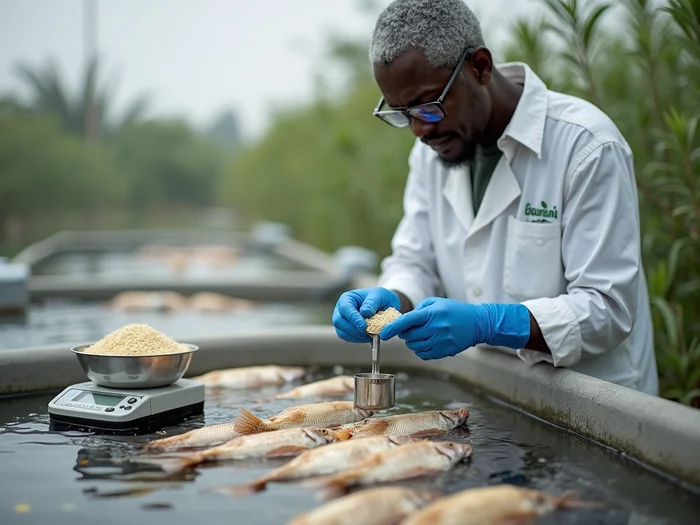
A typical vaccination schedule for 1,000 Nile tilapia fingerlings includes: initial vaccination at 8 weeks (5-10g), booster at 6 months (150-200g), and annual boosters for broodstock. Adjust timing based on your local climate—farms near Lake Victoria should vaccinate in January and July to avoid peak disease seasons, while operations in drier regions like northern Kenya can extend intervals by 1-2 months. Always maintain vaccination records showing dates, vaccine types, fish numbers, and mortality rates to track programme effectiveness.
Medication Guidelines for Tilapia Farming
You must understand that medications are your last line of defence against tilapia diseases, not your first choice for health management. Proper medication use requires precise dosage calculations, correct timing, and strict adherence to withdrawal periods before harvest. Many African farmers lose money by using medications incorrectly—either underdosing (which fails to cure disease and promotes resistance) or overdosing (which kills fish and wastes expensive treatments).
Antibiotic resistance has become a serious problem across African aquaculture operations, with farms in Nigeria and Ghana reporting reduced effectiveness of commonly used treatments like oxytetracycline. When you use antibiotics incorrectly or too frequently, bacteria develop resistance that makes future treatments ineffective. This creates a cycle where farmers use stronger, more expensive medications with diminishing results.
Successful medication programmes combine accurate diagnosis, proper drug selection, precise dosing, and careful monitoring of treatment outcomes. You'll save money and achieve better results by understanding when medications are necessary, how to calculate correct doses, and which regulatory requirements apply to your operation.
Understanding Antibiotics and Their Use
You have several antibiotic options for treating bacterial infections in tilapia, with oxytetracycline and florfenicol being the most widely available across African markets. Oxytetracycline works against gram-positive bacteria like Streptococcus agalactiae at doses of 50-75mg per kg of fish body weight daily for 7-10 days, administered through medicated feed. Florfenicol targets both gram-positive and gram-negative bacteria at 10-15mg per kg body weight for 5-7 days, making it effective against Aeromonas infections that cause haemorrhagic septicaemia.
Antibiotic resistance develops when you use subtherapeutic doses, stop treatment too early, or use antibiotics preventively without disease presence. Farms in Lake Victoria region show 40-60% resistance rates to commonly used antibiotics due to overuse and improper dosing. Nile tilapia develop resistance faster than Blue tilapia when stocked at high densities above 5 fish per square metre, as bacteria spread more rapidly between closely confined fish.
Use antibiotics only when bacterial infection is confirmed through proper diagnosis—not for viral diseases or poor water quality issues. The withdrawal period for oxytetracycline is 21 days before harvest, while florfenicol requires 15 days. During treatment, maintain water temperature at 26-28°C and ensure adequate dissolved oxygen above 5mg/L to maximise antibiotic effectiveness and reduce fish stress.
Best Practices for Medication Administration
You must calculate medication doses based on total fish biomass, not pond volume, to achieve therapeutic levels in fish tissues. Weigh a representative sample of 20-30 fish to estimate average weight, then multiply by total fish numbers to determine biomass. For a pond containing 1,000 Nile tilapia averaging 200g each (200kg total biomass), you'd need 10-15g of florfenicol daily mixed into 2kg of feed (1% of body weight feeding rate).
Mix medications thoroughly into feed using binding agents like vegetable oil or molasses to prevent leaching into water. Prepare medicated feed fresh daily, as most antibiotics lose potency within 24 hours of mixing. Feed medicated rations in multiple small portions throughout the day rather than single large feedings—this ensures all fish consume adequate doses and reduces waste that promotes bacterial resistance.
Monitor fish behaviour and appetite during treatment, adjusting feeding rates if fish refuse medicated feed. Blue tilapia often show reduced appetite during antibiotic treatment more than Nile tilapia, requiring extended feeding periods or appetite stimulants. Record daily mortality, feeding response, and symptom changes to evaluate treatment effectiveness. If mortality doesn't decrease within 48-72 hours, consult a veterinarian about changing antibiotics or adjusting doses.
⚠️ Warning: Withdrawal Period Violations
Never harvest tilapia before completing the full withdrawal period after antibiotic treatment. Antibiotic residues in fish meat can cause serious health problems for consumers and result in export bans that destroy market access for your entire region.
Regulatory Considerations for Medication Use
You must comply with national aquaculture regulations regarding medication use, which vary significantly across African countries. South Africa requires veterinary prescriptions for all antibiotics and maintains strict residue testing programmes, while Nigeria has less stringent enforcement but growing regulatory oversight. Kenya's Fisheries Department requires registration of all medicated feeds and mandates record-keeping for antibiotic use, with penalties including farm closure for violations.
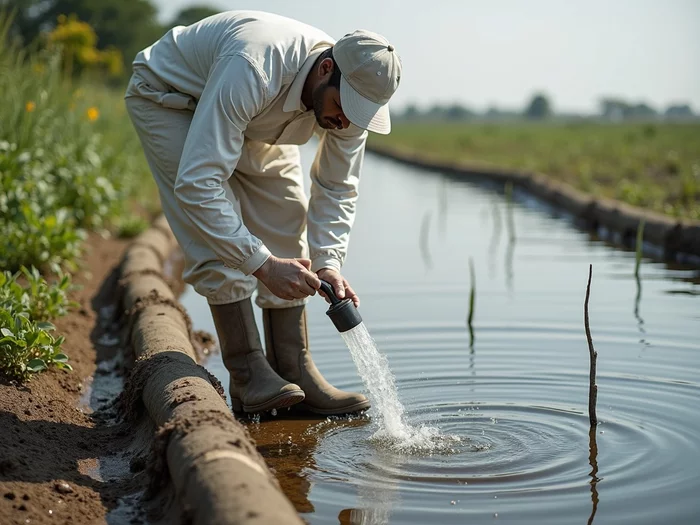
Withdrawal periods are legally mandated minimum times between last medication dose and harvest, designed to ensure antibiotic residues drop below safe consumption levels. These periods vary by medication and species—oxytetracycline requires 21 days for tilapia, while some newer antibiotics need only 10-14 days. Always use the longest withdrawal period specified by your country's regulations, as export markets often have stricter requirements than domestic sales.
Small-scale farmers in Ghana face particular challenges accessing veterinary services for proper prescriptions and guidance, often relying on agricultural supply stores with limited expertise. Establish relationships with qualified fish veterinarians or aquaculture extension officers who can provide proper diagnosis and treatment recommendations. Maintain detailed medication records showing dates, doses, fish numbers treated, and withdrawal period completion—these records are essential for regulatory compliance and market access.
Enhancing Biosecurity in Tilapia Farms
You can prevent 80-90% of disease outbreaks through proper biosecurity measures that cost far less than treating sick fish or replacing dead stock. Biosecurity means creating barriers that prevent disease-causing organisms from entering your farm, spreading between ponds, or persisting in your environment. Most disease outbreaks in African tilapia farms result from poor biosecurity—introducing infected fingerlings, contaminated equipment, or allowing wild fish access to production ponds.
Effective biosecurity requires systematic approaches that address every potential disease entry point: water sources, fish stock, equipment, personnel, and wildlife. A single contaminated net can spread Streptococcal infections throughout your entire operation within days, destroying months of investment. Farms with comprehensive biosecurity programmes report 70-85% fewer disease outbreaks and significantly higher profitability than operations relying solely on treatment after problems occur.
The most successful tilapia farms in Kenya and and Uganda implement layered biosecurity systems that combine physical barriers, sanitation protocols, and monitoring procedures. These systems protect both Nile tilapia and Blue tilapia operations, though specific measures may vary based on species sensitivity and local disease pressure.
Essential Biosecurity Measures
You must select farm sites away from pollution sources, wild fish populations, and other aquaculture operations to minimise disease exposure. Locate ponds at least 500 metres from rivers or lakes containing wild tilapia that may carry pathogens, and avoid areas downstream from existing fish farms. Water sources should be tested for pH (6.5-8.5), dissolved oxygen (above 5mg/L), ammonia (below 0.5mg/L), and bacterial contamination before pond construction begins.
Maintain optimal stocking densities to reduce stress and disease transmission—maximum 3-4 Nile tilapia per square metre in earthen ponds, or 2-3 Blue tilapia per square metre due to their higher stress sensitivity. Overcrowding above these levels increases ammonia production, reduces oxygen availability, and creates conditions where diseases spread rapidly between fish. Install proper aeration systems that maintain dissolved oxygen above 5mg/L throughout the day, especially during hot weather when oxygen levels naturally drop.
Construct footbaths containing disinfectant solutions at pond entrances, requiring all personnel to disinfect boots before entering production areas. Use 2% formalin or potassium permanganate solutions, changing disinfectant weekly or when visibly contaminated. Nile tilapia farms in Tanzania using comprehensive site biosecurity report 60-70% fewer bacterial infections compared to operations without these measures, demonstrating clear economic benefits of prevention-focused approaches.
Monitoring and Maintaining Farm Hygiene
You need daily cleaning protocols that remove organic matter where bacteria and parasites multiply, focusing on feeding areas, pond edges, and equipment storage zones. Remove uneaten feed within 2 hours of feeding to prevent bacterial growth and water quality deterioration. Clean and disinfect nets, buckets, and other equipment after each use, rotating between different disinfectant solutions to prevent pathogen adaptation.
Implement weekly deep cleaning schedules that include pond bank maintenance, equipment inspection, and water quality testing. Scrub pond walls to remove biofilm buildup where pathogens persist, and repair any cracks or damage that could harbour disease organisms. Use approved disinfectants like benzalkonium chloride (1:1000 dilution) or iodine-based solutions (25-50ppm) for equipment sanitisation, ensuring proper contact time of 10-15 minutes for effective pathogen kill.
Maintain detailed health monitoring records that track daily mortality, feeding response, growth rates, and water quality parameters. Farmers in Uganda using systematic record-keeping identify disease outbreaks 2-3 days earlier than those relying on casual observation, allowing for more effective intervention. Blue tilapia require more frequent monitoring than Nile tilapia due to their sensitivity to environmental changes, with daily health checks recommended during high-risk periods like seasonal transitions.
Implementing Quarantine Procedures
You must quarantine all new fish stock for minimum 14-21 days in separate facilities before introducing them to production ponds, regardless of supplier reputation or health certificates. Quarantine facilities should be completely isolated from main production areas with separate water supplies, equipment, and personnel access routes. During quarantine, monitor fish for behavioural changes, physical symptoms, and mortality patterns that indicate disease presence.

Quarantine conditions should closely match your production environment—similar water temperature, pH, and feeding schedules—to reduce stress that can trigger disease outbreaks. Stock quarantine tanks at lower densities (1-2 fish per square metre) to minimise stress and allow for easier observation of individual fish behaviour. Nile tilapia adapt to quarantine conditions more readily than Blue tilapia, which may show stress symptoms like reduced feeding or colour changes during the first 3-5 days.
Veterinary services in Zambia recommend health examinations at the beginning, middle, and end of quarantine periods, including microscopic examination of skin and gill samples for parasites. Any fish showing disease symptoms during quarantine should be treated separately or destroyed to prevent contamination of healthy stock. Only introduce quarantined fish to production ponds after completing the full isolation period with zero mortality and no disease symptoms observed for the final 7 days.
Integrated Disease Management Strategies
You achieve the best disease prevention results by combining multiple approaches rather than relying on single methods like vaccination or medication alone. Integrated disease management uses vaccination, probiotics, herbal immunostimulants, and environmental management together to create robust fish health programmes. This approach reduces your dependence on expensive medications while building stronger natural immunity in your tilapia stock.
Research from Makerere University in Uganda shows farms using integrated approaches achieve 85-95% survival rates compared to 60-75% for operations using single intervention methods. The key lies in understanding how different treatments work together—probiotics enhance vaccine effectiveness, herbal immunostimulants reduce stress during vaccination, and proper environmental management supports all biological interventions. These synergistic effects create healthier fish that resist disease naturally.
Combining Vaccination and Probiotics
You can increase vaccine effectiveness by 20-30% when combining vaccination programmes with probiotic supplementation that strengthens fish immune systems. Probiotics are beneficial bacteria that improve gut health, enhance nutrient absorption, and stimulate immune responses in tilapia. Start probiotic feeding 7-10 days before vaccination to optimise immune system function, then continue for 2-3 weeks post-vaccination to support antibody production.
The most effective probiotic strains for tilapia include Lactobacillus plantarum, Bacillus subtilis, and Saccharomyces cerevisiae, available through suppliers like Kemin Industries in Kenya at costs of $2-3 per kg of feed supplement. Mix probiotics into feed at 1-2g per kg of feed (0.1-0.2% inclusion rate), ensuring even distribution through oil-based binding agents. Nile tilapia show better probiotic response than Blue tilapia, with improved feed conversion ratios and faster growth rates during supplementation periods.
Farms in Kenya combining Streptococcal vaccination with probiotic feeding report 90-95% protection rates compared to 75-85% for vaccination alone. The probiotic bacteria compete with pathogenic organisms for attachment sites in fish intestines, produce antimicrobial compounds, and enhance vaccine antigen presentation to immune cells. Continue probiotic supplementation during high-stress periods like temperature changes, handling, or seasonal transitions when disease pressure increases.
Role of Herbal Immunostimulants
You can boost tilapia immunity using locally available herbs like garlic (Allium sativum), neem (Azadirachta indica), and moringa (Moringa oleifera) that contain natural compounds with antimicrobial and immune-enhancing properties. Garlic extract at 1-2% of feed weight improves white blood cell activity and increases resistance to bacterial infections, while neem leaf powder (0.5-1% of feed) provides antiviral and antiparasitic effects. These herbs cost significantly less than commercial immunostimulants and are readily available across African markets.
Prepare herbal supplements by grinding dried plant materials into fine powder and mixing with feed using binding agents like cassava starch or vegetable oil. Fresh garlic should be crushed and mixed at 10-20g per kg of feed, while dried neem leaves can be ground and included at 5-10g per kg. Farmers in Ghana report 40-50% reduction in disease outbreaks when using garlic supplementation during rainy seasons when bacterial infections peak.
Blue tilapia respond more readily to herbal treatments than Nile tilapia, showing improved appetite and growth rates within 7-10 days of supplementation. Moringa leaf powder provides additional nutritional benefits with high protein content (25-30%) and essential amino acids that support growth during treatment periods. Rotate different herbal supplements every 2-3 weeks to prevent adaptation and maintain effectiveness, combining with vaccination programmes for maximum immune system support.
Monitoring Vaccine Efficacy and Health Outcomes
You must track specific performance indicators to evaluate whether your integrated disease management programme is working effectively and providing return on investment. Key indicators include mortality rates (should be below 5% monthly after vaccination), growth rates (2-3g daily for Nile tilapia, 1.5-2g for Blue tilapia), and feed conversion ratios (1.5-1.8:1 for healthy fish). Compare these metrics before and after implementing integrated programmes to measure improvement.
Establish baseline measurements during your first production cycle, recording daily mortality, weekly weight samples, and monthly health assessments. Successful vaccination programmes show mortality reductions of 60-80% compared to unvaccinated controls, while probiotic supplementation improves feed conversion by 10-15%. Farms in Uganda tracking these metrics report average profit increases of 25-35% after implementing comprehensive integrated management systems.
Create simple data collection sheets recording date, fish numbers, average weights, mortality counts, feeding response scores (1-5 scale), and any disease symptoms observed. Monthly health assessments should include body condition scoring, gill colour evaluation, and behavioural observations during feeding times. Nile tilapia typically show more consistent growth patterns than Blue tilapia, making performance tracking easier and more reliable for evaluating programme effectiveness. Use this data to adjust vaccination schedules, probiotic dosages, and herbal supplement timing for optimal results in your specific environment.
Practical Challenges and Solutions in Tilapia Health Management
You face numerous obstacles in maintaining healthy tilapia stocks, from seasonal disease outbreaks that coincide with rainy seasons to limited access to veterinary services in rural areas. These challenges are particularly acute for small-scale farmers who lack the resources for expensive treatments or sophisticated monitoring equipment. Understanding these common problems and proven solutions helps you develop realistic health management strategies that fit your budget and operational constraints.
Many African tilapia farmers struggle with the same recurring issues: sudden mortality during weather changes, difficulty accessing quality medications, and lack of technical support when disease outbreaks occur. However, successful farmers across Kenya, Uganda, Nigeria, and Ghana have developed practical solutions that don't require large investments or advanced technology. These field-tested approaches focus on prevention, early intervention, and community-based support systems.

The key to overcoming health management challenges lies in adapting proven solutions to your specific situation while building networks with other farmers, extension officers, and suppliers. Both Nile tilapia and Blue tilapia operations face similar challenges, though solutions may need modification based on species-specific requirements and local environmental conditions.
Common Challenges Faced by Farmers
You'll encounter predictable seasonal disease patterns that correlate with environmental stressors, particularly during rainy seasons when water temperatures fluctuate and organic matter increases bacterial loads in ponds. In Tanzania, 70-80% of Streptococcal outbreaks occur during March-May and October-December rainy periods when temperature swings of 5-8°C stress fish immune systems. These seasonal outbreaks can destroy 60-90% of your stock within 7-10 days if you're unprepared with prevention strategies.
Access to veterinary services remains limited across rural Africa, with many farmers located 50-100km from qualified fish health specialists. When disease strikes, delays in diagnosis and and treatment often mean the difference between saving your stock and total loss. Medication availability is inconsistent, with essential antibiotics like florfenicol frequently out of stock at agricultural supply stores, forcing farmers to use inappropriate treatments or watch their fish die.
Financial constraints prevent many small-scale farmers from implementing comprehensive health programmes—quality vaccines cost $0.10-0.15 per fish, probiotics add $2-3 per kg to feed costs, and emergency medications can consume 20-30% of expected profits. A farmer in Malawi with 2,000 tilapia faces $200-300 USD in vaccination costs alone, representing 2-3 months of typical household income. Blue tilapia operations face additional challenges as this species shows stress symptoms more readily, requiring more frequent monitoring and intervention than Nile tilapia.
Effective Solutions and Innovations
You can overcome seasonal disease challenges by implementing early warning systems based on weather patterns and water temperature monitoring. Farmers in Uganda successfully use simple thermometers to track daily temperature changes, initiating preventive measures when fluctuations exceed 3°C within 24 hours. These measures include reducing feeding rates by 50%, increasing aeration, and starting probiotic supplementation 7-10 days before predicted weather changes.
Community-based disease monitoring networks have proven highly effective across Kenya, where groups of 10-15 farmers share costs for veterinary visits and bulk medication purchases. These cooperatives reduce individual costs by 40-60% while providing faster access to expert advice during emergencies. Mobile phone networks enable rapid communication about disease outbreaks, allowing neighbouring farms to implement preventive measures before infections spread regionally.
Low-cost innovations like solar-powered aerators (available for $50-100 USD) and locally-made water testing kits help farmers maintain optimal pond conditions without expensive equipment. Farmers in Ghana have developed effective herbal treatment protocols using readily available plants like pawpaw leaves and bitter kola, reducing medication costs by 70-80% while achieving comparable results to commercial treatments. Nile tilapia operations benefit from simplified management protocols that focus on the most critical interventions—vaccination, proper stocking densities, and seasonal feeding adjustments—rather than complex programmes requiring constant monitoring and adjustment.
Understanding these practical solutions becomes even more valuable when you consider how disease prevention directly impacts your overall fish farming profitability and business sustainability. Successful farmers who implement comprehensive health management systems report 25-35% higher profits compared to those who rely solely on reactive treatments, demonstrating that prevention-focused approaches create stronger, more resilient farming operations.
| Parameter | Optimal Range | Action if Outside Range | Frequency |
|---|---|---|---|
| Water pH | 6.5 - 8.5 | Adjust with buffers | Weekly |
| Dissolved Oxygen | Above 5 mg/L | Increase aeration | Daily |
| Stocking Density (Nile) | 3-4 fish/m² | Reduce numbers | At stocking |
| Vaccination Frequency (Nile) | Every 8-10 months | Monitor immunity | Bi-annually |
| Withdrawal Period (Oxytetracycline) | 21 days | Do not harvest | Post-treatment |
| Probiotic Supplementation | 1-2 g/kg feed | Monitor growth | Weekly |
| Herbal Immunostimulants (Garlic) | 10-20 g/kg feed | Rotate herbs | Every 2-3 weeks |
Conclusion
Disease prevention through vaccination, biosecurity, and integrated management approaches will protect your tilapia investment far better than treating outbreaks after they occur. Focus on the fundamentals: proper stocking densities, regular health monitoring, and timely vaccination programmes tailored to your local disease patterns. Remember that Nile tilapia and Blue tilapia respond differently to treatments, so adjust your approach accordingly.
You now have practical knowledge to implement comprehensive health management systems that work in African farming conditions. Start with basic biosecurity measures and daily health monitoring, then gradually add vaccination and probiotic programmes as your operation grows. These proven strategies have helped farmers across Kenya, Uganda, and Nigeria achieve 85-95% survival rates.
As you master disease prevention, turn your attention to optimising feeding strategies and pond management systems. Healthy fish with strong immune systems respond better to quality nutrition programmes, creating a cycle of improved growth rates and higher profits from your tilapia operation.
Frequently Asked Questions
What if my tilapia refuse medicated feed during treatment?
If your tilapia, especially Blue tilapia, refuse medicated feed, try reducing the daily feed ration by 20-30% to stimulate appetite. You can also mix the medication with a highly palatable binder like fish oil or molasses. Ensure water quality is optimal (dissolved oxygen above 5mg/L) as poor conditions can reduce appetite and stress fish further.
How often should I rotate my disinfectant solutions for equipment and footbaths?
You should rotate your disinfectant solutions weekly for footbaths and equipment to prevent pathogens from developing resistance. Using different chemical bases, such as an iodine-based solution one week and a benzalkonium chloride solution the next, ensures broader spectrum killing. Always change footbath solutions daily or when visibly contaminated, regardless of the rotation schedule.
Can I use a single vaccine type for all common tilapia diseases?
No, a single vaccine typically targets specific diseases, most commonly bacterial infections like Streptococcosis (e.g., AquaVac Strep Sa for Streptococcus agalactiae). There isn't one vaccine that covers all bacterial, viral, and parasitic diseases. You may need to combine vaccination with good biosecurity and other health management strategies to protect against a broader range of threats.
Why is early detection of disease symptoms so critical for my farm's profitability?
Early detection is crucial because it allows you to intervene before diseases spread widely and cause mass mortality, potentially saving 80-90% of your stock. Waiting until fish are dying means higher treatment costs and significant losses in growth rate, feed conversion, and market value for survivors. Recognising behavioural changes within 24-48 hours gives you the best chance to protect your investment.
What's the best way to estimate my fish biomass for accurate medication dosing?
To estimate biomass accurately, randomly sample 20-30 fish from different parts of your pond, weigh them, and calculate their average weight. Multiply this average weight by the total number of fish in the pond to get your total biomass. This method ensures you administer the correct medication dose, preventing underdosing (ineffective) or overdosing (harmful and wasteful).


Yomi Adisa Lead Researcher
Yomi Adisa is the lead researcher at Fish Farming Business, where he studies what makes aquaculture ventures profitable across Africa. His research focuses on market patterns, buyer preferences, and the business decisions that determine success or failure in fish farming.