Treating Parasitic Infections in Tilapia: Practical Step-by-Step Solutions for African Farmers
Posted on: 2025-11-04
By: Yomi Adisa
Treating Parasitic Infections in Tilapia: Practical Step-by-Step Solutions for African Farmers
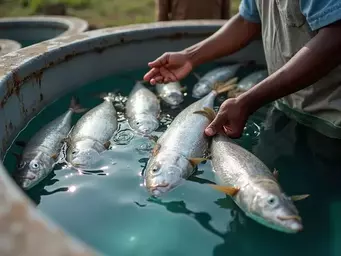
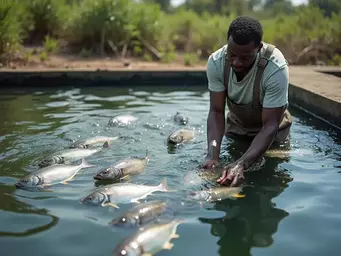
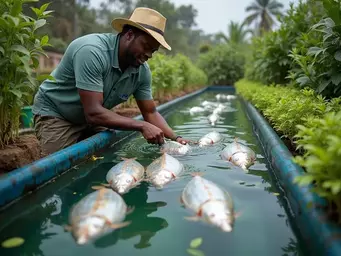
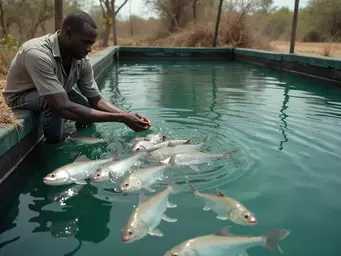
You're checking your tilapia ponds one morning when you notice something alarming: several fish swimming erratically near the surface, others showing white spots on their fins, and a few displaying the telltale signs of lethargy that experienced farmers dread. Your neighbour Samuel faced the same challenge last season—parasitic infections that spread through his 200-square-metre concrete tanks, reducing his harvest by 40% and costing him nearly 800,000 shillings in lost revenue. What started as a few affected fish quickly became a pond-wide problem that could have been prevented with proper knowledge and swift action.
📑 Table of Contents
Parasitic infections represent one of the most devastating yet preventable threats to tilapia farming across Africa. These microscopic enemies don't just kill fish directly—they weaken immune systems, create entry points for deadly bacterial infections, and can extend your production cycle by months whilst dramatically increasing feed costs. A recent study from Lagos showed that untreated parasitic infections reduce survival rates to as low as 50%, whilst proper management maintains survival rates above 90%.
The economic impact extends far beyond immediate losses: stressed fish convert feed poorly, grow slowly, and fetch lower market prices even when they survive. This comprehensive guide provides you with complete technical knowledge for identifying, treating, and preventing parasitic infections in your tilapia operation. You'll learn to recognise the most common parasites affecting tilapia across Africa, understand their life cycles, and master proven treatment protocols that work reliably in tropical conditions.
More importantly, you'll discover how to implement preventive strategies that protect your investment before problems arise, ensuring consistent harvests that build your reputation with buyers whilst maximising your profitability. Managing parasitic infections effectively determines the difference between profitable harvests and devastating losses. A farmer in Lagos recently shared how proper parasite management increased his survival rates from 65% to 92%, whilst reducing his feed conversion ratio from 2.1:1 to 1.6:1.
🎯 What You'll Learn
- Learn to identify common parasitic infections in tilapia and their symptoms to enable early detection and effective management
- Master proven treatment protocols, including chemical and biological methods, to effectively combat parasitic infections in your tilapia ponds
- Discover preventive management strategies that maintain optimal water quality and biosecurity measures to reduce the risk of parasitic outbreaks
Understanding Common Parasitic Infections in Tilapia
Parasitic infections represent one of the most significant health challenges in tilapia farming across Africa, affecting farms from small-scale operations in rural Kenya to commercial facilities in South Africa. These microscopic and visible parasites exploit the warm tropical waters that favour tilapia growth, creating an ongoing management challenge that requires your constant attention. Understanding which parasites threaten your fish, how to identify their presence, and recognising their broader impact on farm productivity forms the foundation of effective parasite management.
Types of Parasites Affecting Tilapia
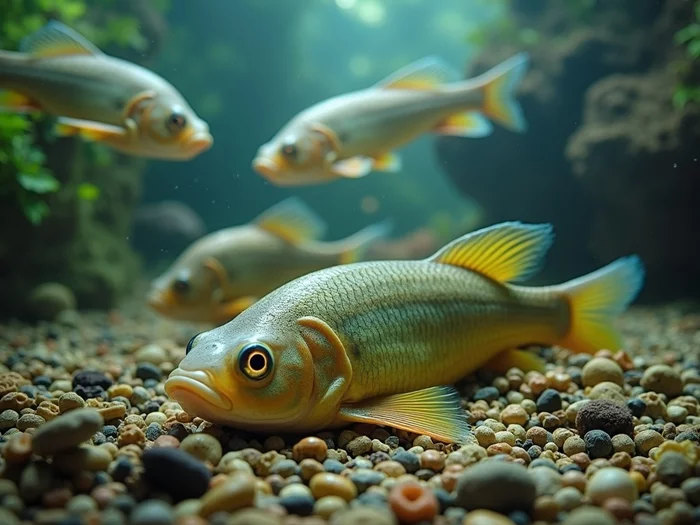
Three major parasite groups consistently challenge tilapia farmers across African operations: protozoan parasites, trematode flukes, and external parasites that attach to skin and gills. Trichodina species represent the most common protozoan threat, appearing as disc-shaped organisms that attach to fish skin and gills, multiplying rapidly in water temperatures above 24°C. These parasites complete their entire life cycle on your fish, reproducing every 2-4 hours under optimal conditions, which explains why infections spread so quickly through your ponds.
Ichthyophthirius multifiliis, commonly called "white spot disease," creates the distinctive white cysts you'll notice on fins, gills, and body surfaces. This parasite burrows into fish skin, feeds on tissue fluids, then drops off to reproduce in your pond sediment before releasing hundreds of free-swimming parasites that seek new hosts. The complete cycle takes 4-7 days in tropical temperatures, meaning untreated infections multiply exponentially within two weeks.
Centrocestus species and other trematode flukes require intermediate hosts—typically snails—to complete their complex life cycles. Adult flukes attach to fish gills, causing tissue damage and breathing difficulties, whilst their larvae develop in freshwater snails commonly found around pond edges. A farmer in Kisumu discovered that controlling snail populations around his 150-square-metre earthen ponds reduced fluke infections by 80%, demonstrating how understanding parasite life cycles guides effective control strategies.
Symptoms of Parasitic Infections
Early detection saves both fish and treatment costs, making daily observation your most valuable management tool. Watch for behavioural changes first: infected fish often swim near the surface, gasp at the water surface, or rub against pond walls and equipment. These behaviours indicate gill irritation from parasites interfering with oxygen uptake, forcing fish to seek higher oxygen levels near the surface.
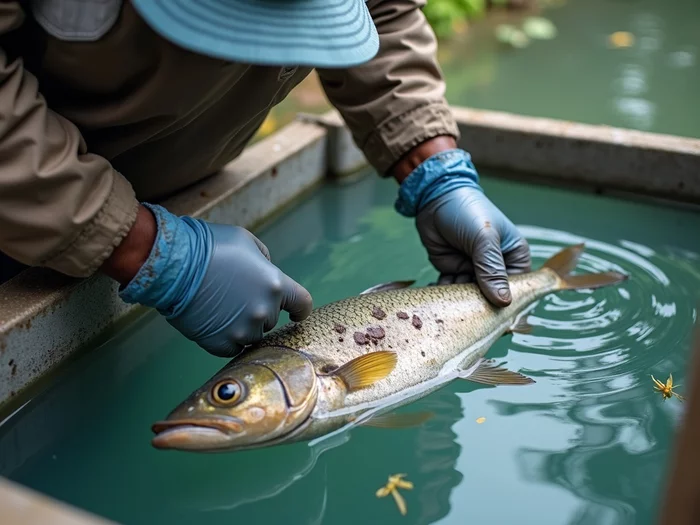
Physical symptoms develop as infections progress, starting with excess mucus production that creates a slimy appearance on skin and fins. White or grey patches indicate tissue damage, whilst red or inflamed areas show where parasites have attached and fed. Fin damage appears as frayed edges or holes, particularly noticeable on the tail and dorsal fins where parasites often concentrate.
Monitor feeding behaviour carefully, as infected fish typically reduce food intake or stop feeding entirely. A commercial operation in Accra tracks daily feed consumption per pond, noting that parasitic infections cause 20-40% reductions in feeding activity before physical symptoms become obvious. Weight loss follows reduced feeding, with infected fish showing hollow bellies and prominent backbone visibility that healthy fish never display.
Impact on Fish Health and Secondary Infections
Parasitic infections rarely kill fish directly but create conditions for secondary bacterial infections that prove far more deadly. Parasite attachment sites become entry points for opportunistic bacteria like Flavobacterium columnare, which causes columnaris disease with characteristic white patches around the mouth and fins. These bacterial infections spread rapidly through weakened fish populations, often killing more fish than the original parasites.
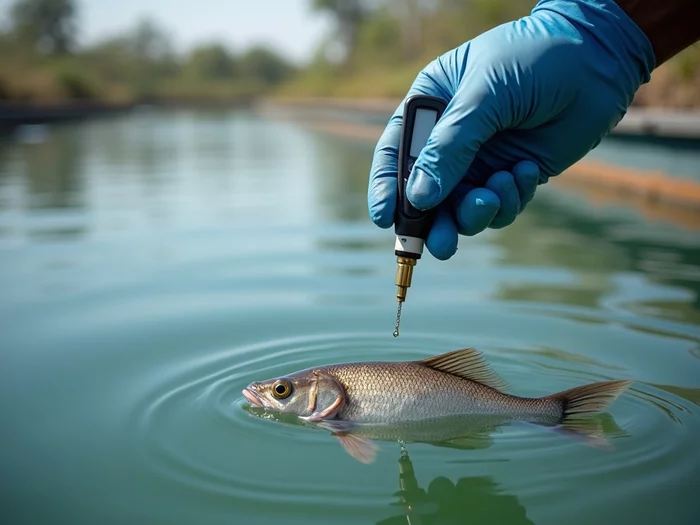
Immune system suppression represents the most serious long-term consequence of parasitic infections. Infected fish divert energy from growth and reproduction toward fighting parasites, resulting in slower growth rates, delayed sexual maturity, and reduced reproductive success. A study from Egyptian tilapia farms showed that chronic parasitic infections reduced growth rates by 25-35%, extending production cycles from 6 months to 8-9 months and significantly increasing feed costs.
Stress from parasitic infections affects entire pond ecosystems, as weakened fish release stress hormones that influence the behaviour and health of uninfected fish. This stress response reduces overall pond productivity, increases susceptibility to environmental changes, and makes your entire stock more vulnerable to disease outbreaks during handling, transport, or market preparation.
| Parasite Type | Symptoms | Life Cycle Duration | Treatment Options |
|---|---|---|---|
| Trichodina | Skin irritation, excess mucus | 2-4 hours | Formalin, salt baths |
| Ichthyophthirius | White spots on fins and body | 4-7 days | Praziquantel, formalin |
| Centrocestus | Gill damage, breathing difficulties | Variable (snail host) | Praziquantel, snail control |
Practical Treatment Methods for Parasitic Infections
Effective parasite treatment requires understanding multiple approaches and selecting methods appropriate for your specific situation, parasite type, and farm resources. Treatment success depends on accurate parasite identification, proper dosage calculations, and consistent application under suitable environmental conditions. The following treatment methods have proven effective across diverse African farming operations, from small-scale concrete tanks to large commercial earthen ponds.
Chemical Treatments
Praziquantel stands as the most effective treatment for trematode parasites, with dosage rates of 5-10 milligrams per litre for bath treatments or 50-100 milligrams per kilogram of fish for oral administration through medicated feed. For bath treatments, calculate your pond volume accurately: a 10m × 6m × 1.5m pond contains 90 cubic metres or 90,000 litres, requiring 450-900 grams of praziquantel for effective treatment. Dissolve the medication in pond water before adding to avoid shocking fish with concentrated solutions.
Formalin provides broad-spectrum effectiveness against external parasites at concentrations of 15-25 parts per million for prolonged bath treatments or 100-200 ppm for short-term treatments lasting 30-60 minutes. Always use 37-40% formaldehyde solution, calculating dosages based on active ingredient concentration. For a 50,000-litre pond requiring 25 ppm treatment, you'll need 3.4 litres of 37% formalin solution mixed thoroughly throughout the water volume.
Potassium permanganate offers an affordable alternative for treating external parasites and improving water quality simultaneously. Apply at 2-4 grams per cubic metre of water, observing the distinctive purple colouration that indicates proper concentration. Treatment effectiveness shows when the purple colour fades to brown within 8-12 hours, indicating complete oxidation. Never combine potassium permanganate with other medications, as dangerous chemical reactions can occur.
Salt treatments using non-iodised salt provide gentle, cost-effective relief for many external parasites. Short-term salt baths at 10-30 grams per litre for 5-10 minutes effectively remove many parasites, whilst prolonged treatments at 1-3 grams per litre can continue for several days. Monitor fish behaviour closely during salt treatments, removing fish immediately if distress signs appear.
Biological Control Measures
Introducing beneficial organisms offers sustainable, long-term parasite management without chemical residues or resistance development. Black carp (Mylopharyngodon piceus) effectively control snail populations that serve as intermediate hosts for trematode parasites, though their introduction requires careful consideration of local regulations and ecosystem impacts. Stock at 50-100 grams per square metre of pond surface, ensuring adequate alternative food sources prevent them from competing with tilapia.
Cleaner fish species native to your region provide continuous parasite removal services when integrated thoughtfully into your production system. Research local species that consume parasites without competing for the same food sources as tilapia, maintaining populations that provide cleaning services without affecting your primary production goals. Beneficial bacteria products containing Bacillus species help maintain water quality conditions that discourage parasite proliferation whilst supporting fish immune systems.
Herbal and Natural Remedies
Garlic (Allium sativum) demonstrates proven anti-parasitic properties when incorporated into fish feed at 1-5% of total feed weight. Prepare garlic extract by crushing fresh garlic and mixing with a small amount of water, then combining with feed ingredients before pelleting or feeding. The active compound allicin provides broad-spectrum activity against many parasites whilst supporting immune function.
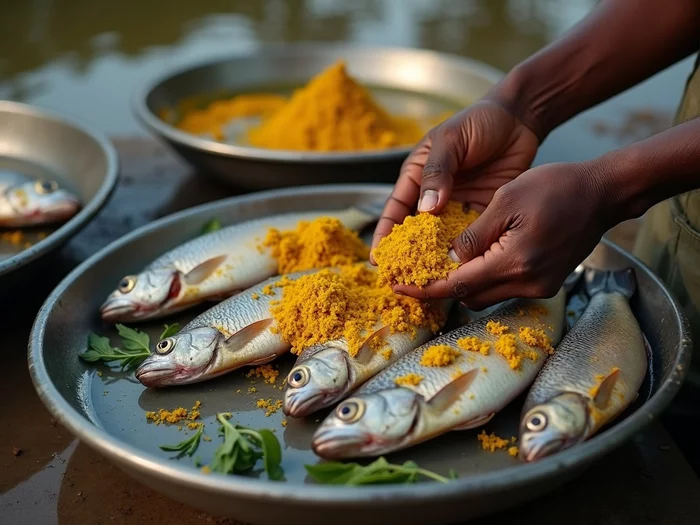
Turmeric (Curcuma longa) offers anti-inflammatory and anti-parasitic benefits when added to feed at 0.5-2% of total feed weight. The active ingredient curcumin helps fish recover from parasite damage whilst providing some direct anti-parasitic activity. Combine turmeric powder thoroughly with feed ingredients, ensuring even distribution throughout your feeding programme.
Neem (Azadirachta indica) leaves or oil provide natural anti-parasitic compounds that work both through direct contact and immune system support. Prepare neem leaf extract by boiling 100 grams of fresh leaves in 1 litre of water for 30 minutes, then straining and adding the cooled extract to 1000 litres of pond water. Alternatively, add neem oil to feed at 0.1-0.5% of feed weight.
Moringa (Moringa oleifera) leaves contain compounds that support fish immune systems and provide mild anti-parasitic activity. Dry and grind moringa leaves into powder, incorporating into feed at 1-3% of total feed weight. The high protein and vitamin content supports recovery from parasitic infections whilst providing ongoing health benefits.
Step-by-Step Treatment Protocols
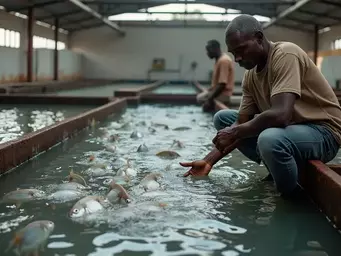
Begin treatment by isolating severely affected fish in separate treatment tanks when possible, preventing further parasite spread whilst allowing intensive treatment of the most critical cases. Calculate exact water volumes for all treatment areas, as dosage accuracy determines treatment success and fish safety. Measure pond dimensions carefully: length × width × average depth × 1000 = litres of water volume.
Prepare treatment solutions in separate containers before adding to ponds, ensuring complete dissolution and even mixing. For chemical treatments, dissolve medications in 10-20 litres of pond water, then distribute this solution evenly throughout the treatment area. Add treatments during cooler parts of the day to reduce fish stress and improve treatment effectiveness.
Monitor dissolved oxygen levels closely during treatment, as many medications reduce oxygen availability whilst stressed fish require higher oxygen levels. Increase aeration during treatment periods, or apply treatments in the evening when oxygen levels naturally rise overnight. Stop feeding 24 hours before chemical treatments to reduce oxygen demand and improve treatment absorption.
Observe fish behaviour continuously during the first 2-4 hours of treatment, watching for signs of distress including rapid gill movement, surface swimming, or loss of balance. Have clean, well-aerated water available for emergency dilution if fish show severe stress reactions. Remove dead fish immediately to prevent water quality deterioration.
| Treatment Method | Target Parasite | Dosage | Application Method |
|---|---|---|---|
| Praziquantel | Trematodes | 5-10 mg/L (bath) | Dissolve in water |
| Formalin | External parasites | 15-25 ppm | Prolonged bath treatment |
| Potassium permanganate | External parasites | 2-4 g/m³ | Dissolve in water |
| Salt | External parasites | 10-30 g/L (bath) | Short-term immersion |
Preventive Management Strategies
Prevention consistently proves more cost-effective and less stressful than treatment, making preventive management the cornerstone of successful tilapia health programmes. Effective prevention addresses the environmental conditions that favour parasite development, eliminates parasite entry routes, and maintains fish health levels that resist parasitic infections naturally. These strategies require consistent implementation but provide long-term protection that reduces treatment costs and improves overall farm productivity.
Water Quality Control
Maintaining optimal water quality parameters creates conditions that favour fish health whilst discouraging parasite proliferation and reproduction. Monitor pH levels daily, keeping readings between 6.5-8.5 for optimal tilapia health, with parasites showing reduced reproduction rates at pH levels above 7.5. Test pH using reliable metres or test strips, adjusting with agricultural lime to raise pH or organic acids to lower readings as needed.
Temperature management proves critical in tropical climates where high temperatures accelerate parasite reproduction cycles. Maintain water temperatures between 26-30°C for optimal tilapia growth whilst avoiding temperature spikes above 32°C that stress fish and encourage parasite development. Provide shade over portions of your ponds using shade cloth or planted vegetation, reducing temperature fluctuations that weaken fish immune systems.
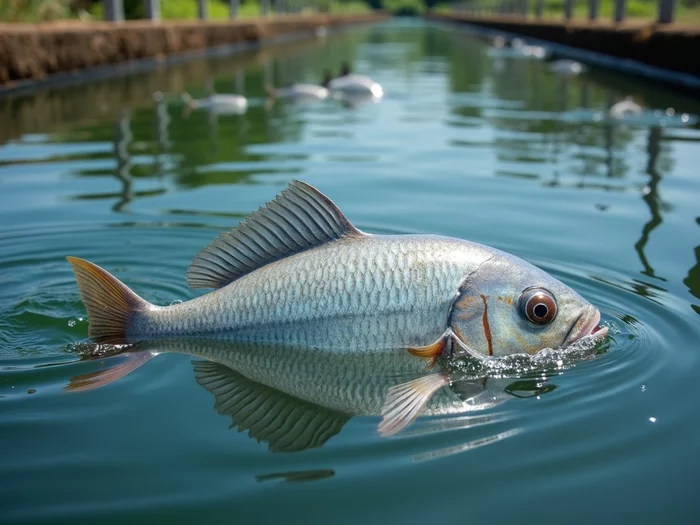
Dissolved oxygen levels must remain above 5 milligrams per litre consistently, with levels above 6 mg/L providing optimal conditions for fish health and parasite resistance. Install adequate aeration systems calculating 1-2 watts per cubic metre of pond volume, operating aerators continuously during hot weather or high stocking densities. Monitor oxygen levels using digital metres, testing in early morning when levels reach daily minimums.
Ammonia and nitrite levels require constant attention, maintaining ammonia below 0.5 parts per million and nitrite below 0.1 ppm to prevent immune system suppression that increases parasite susceptibility. Test these parameters weekly using reliable test kits, addressing elevated levels through water changes, reduced feeding, or biological filtration improvements. High ammonia levels damage fish gills, creating entry points for parasites and reducing oxygen uptake capacity.
| Parameter | Optimal Range | Impact of Poor Quality |
|---|---|---|
| pH | 6.5 - 8.5 | Increased parasite reproduction |
| Temperature | 26 - 30°C | Stress and disease susceptibility |
| Dissolved Oxygen | > 5 mg/L | Reduced growth and health |
| Ammonia | < 0.5 ppm | Gill damage, increased susceptibility |
Biosecurity Measures
Implement strict quarantine protocols for all incoming fish, equipment, and personnel that could introduce parasites to your operation. Establish separate quarantine facilities located away from production ponds, with independent water supplies and equipment that prevent cross-contamination. Quarantine new fish for minimum 14-21 days, monitoring for parasite symptoms and treating prophylactically before introducing to production systems.
Disinfect all equipment moving between ponds using appropriate disinfectants that eliminate parasites without harming fish or environment. Prepare disinfection stations with 200 ppm chlorine solutions or 2% salt solutions for cleaning nets, buckets, and tools between pond visits. Allow equipment to dry completely between uses, as many parasites cannot survive desiccation for extended periods.
Control access to your farm facilities, preventing unauthorised entry that could introduce parasites through contaminated clothing, equipment, or vehicles. Establish visitor protocols requiring footwear disinfection and equipment cleaning before entering production areas. Educate family members and workers about biosecurity measures importance, ensuring consistent implementation of protective measures.
Environmental Monitoring and Follow-Up Care
Establish regular monitoring schedules that detect parasite problems before they become serious health threats, conducting visual inspections of representative fish from each pond weekly. Examine fish for external parasites, unusual behaviour, or physical abnormalities that indicate developing health problems. Record observations systematically, noting dates, pond locations, and specific symptoms observed for pattern recognition.
Control intermediate host populations that support parasite life cycles, particularly snails around pond edges and birds that transport parasites between water bodies. Remove vegetation and debris from pond margins where snails congregate, maintaining clean pond edges that discourage snail establishment. Install bird deterrents such as reflective tape or netting over smaller ponds to prevent bird-mediated parasite transmission.
Monitor water quality parameters consistently, testing pH, dissolved oxygen, ammonia, and nitrite levels according to established schedules that match your production intensity. Record all measurements in logbooks that reveal trends and patterns affecting fish health over time. Respond immediately to parameter changes that could stress fish and increase parasite susceptibility.
Economic Impact of Parasitic Infections
Understanding the true economic impact of parasitic infections helps you make informed decisions about prevention and treatment investments, revealing how proper parasite management generates significant returns through improving fish health and productivity. The costs extend far beyond immediate treatment expenses, affecting growth rates, feed conversion efficiency, mortality rates, and market value of your final product. Calculating these impacts accurately guides resource allocation decisions that maximise your farm profitability.
Cost of Treatments vs. Economic Losses
Direct treatment costs typically represent only 10-20% of total economic losses from parasitic infections, making prevention and early intervention far more cost-effective than delayed treatment responses. Chemical treatments for a 1000-square-metre pond system cost 15,000-25,000 naira in Lagos, 8,000-12,000 shillings in Nairobi, or 45,000-60,000 shillings in Kampala, depending on parasite type and treatment duration. However, untreated infections can reduce harvest weights by 25-40%, representing losses of 150,000-300,000 naira for a typical 2-tonne production cycle.
Mortality losses from severe parasitic infections range from 15-50% depending on parasite species, fish age, and treatment timing. A farmer in Kumasi recently calculated that 30% mortality in his 5000-fingerling stock represented 78,000 cedis in lost revenue, compared to 12,000 cedis for preventive treatment programmes. These calculations don't include extended production cycles, increased feed costs, and reduced market prices for smaller fish that survive parasitic infections.
Secondary bacterial infections triggered by parasitic damage often prove more expensive than the original parasite problem, requiring antibiotic treatments costing 2-3 times more than anti-parasitic medications. A commercial operation near Harare documented how untreated parasitic infections led to columnaris outbreaks requiring 45,000 Zimbabwe dollars in antibiotic treatments, compared to 8,000 dollars for initial parasite prevention programmes.
Budgeting for Parasite Management
Allocate 3-5% of total production costs for parasite prevention and treatment programmes, adjusting based on your farm's infection history and risk factors. New operations with good biosecurity may operate at the lower end, whilst farms with recurring problems or high-risk locations require higher allocations. A 10-tonne annual production operation should budget 180,000-300,000 naira annually for comprehensive parasite management.

Seasonal budget planning accounts for increased parasite pressure during warm, wet seasons when reproduction rates accelerate and water quality challenges intensify. Plan 60-70% of annual parasite management budgets for high-risk periods, maintaining treatment supplies and prevention materials before problems develop. Emergency treatment funds should represent 25-30% of total parasite budgets for unexpected outbreaks requiring immediate intervention.
| Category | Cost of Treatment | Economic Losses | Total Impact |
|---|---|---|---|
| Direct Treatment Costs | 15,000 - 25,000 naira | 150,000 - 300,000 naira | 165,000 - 325,000 naira |
| Mortality Losses | 12,000 cedis (prevention) | 78,000 cedis (30% mortality) | 90,000 cedis |
| Secondary Infections | 8,000 ZWL (prevention) | 45,000 ZWL (antibiotics) | 53,000 ZWL |
Case Studies and Research Findings
Real-world examples from successful African tilapia operations demonstrate how proper parasite management translates theoretical knowledge into practical results that improve farm profitability and sustainability. These case studies reveal common patterns, successful strategies, and lessons learned that guide your own parasite management decisions. Research findings from African institutions provide scientific validation for traditional practices whilst identifying emerging challenges and solutions.
Successful Treatment Examples
A commercial tilapia farm in Mwanza, Tanzania, developed an integrated parasite management system that reduced treatment costs by 60% whilst improving survival rates from 72% to 94% over three production cycles. The operation combined weekly water quality monitoring, monthly fish health assessments, and immediate isolation protocols for affected fish. Their success stemmed from early detection systems that identified parasite problems before they became serious outbreaks, allowing targeted treatments that prevented pond-wide infections.
The farm's protocol included daily visual inspections by trained workers who recorded fish behaviour, feeding response, and physical appearance in standardised logbooks. When parasites were detected, affected fish were immediately moved to treatment tanks whilst the main pond received preventive treatments using salt baths and improved aeration. This approach reduced medication costs from 45,000 shillings per cycle to 18,000 shillings whilst dramatically improving fish health outcomes.
A smallholder farmer in Kisumu, Kenya, successfully eliminated recurring fluke infections by implementing snail control measures around his three 100-square-metre earthen ponds. After losing 35% of his stock to trematode infections for two consecutive seasons, he removed all vegetation within 5 metres of pond edges, installed gravel barriers to prevent snail migration, and introduced biological control agents. These environmental modifications reduced fluke infections by 85% and improved his annual profit margins by 120,000 shillings.
Conclusion
Effective parasite management forms the backbone of profitable tilapia farming, protecting your investment whilst ensuring consistent harvests that build your reputation with buyers. Focus on prevention first—maintain water quality parameters within optimal ranges, implement strict biosecurity measures, and monitor your fish daily for early warning signs. When treatment becomes necessary, act quickly with accurate parasite identification and proper dosage calculations to prevent minor problems from becoming major disasters.
Remember that successful parasite management combines multiple approaches rather than relying on single solutions. Water quality control, biological treatments, chemical interventions, and environmental management work together to create conditions where your fish thrive whilst parasites struggle to establish themselves. Start with the fundamentals—clean water, quarantine protocols, and regular observation—then build your expertise through consistent practice and careful record-keeping.
You now possess the knowledge to tackle parasitic infections confidently, from recognising early symptoms to implementing proven treatment protocols. Every experienced farmer has faced parasite challenges; what separates successful operations from struggling ones is systematic preparation and swift, informed responses when problems arise. As your parasite management skills develop, focus next on optimising your feeding strategies to complement healthy fish populations, creating a positive cycle where good nutrition supports parasite prevention, and parasite-free fish utilise feed more efficiently.
Frequently Asked Questions
What's the biggest mistake I could make when treating a parasitic infection in my tilapia pond?
The biggest mistake is inaccurate dosage calculation, either under-dosing which is ineffective, or over-dosing which can stress or kill your fish. Always calculate your pond volume precisely and prepare treatment solutions in separate containers before adding them evenly to the pond. Monitoring fish behaviour closely during the first few hours of treatment is also crucial.
How can I tell if the white spots on my tilapia are "white spot disease" (Ich) or something else?
White spot disease (Ichthyophthirius multifiliis) typically appears as distinctive white cysts on fins, gills, and body surfaces, and infected fish will often rub against pond walls. Other white patches might indicate tissue damage from other parasites or secondary bacterial infections like columnaris, which usually shows white patches around the mouth and fins. Observing behaviour like erratic swimming or gasping can help, but a microscopic examination is ideal for confirmation.
Why are parasitic infections often more deadly due to secondary bacterial infections?
Parasitic infections weaken your fish's immune systems and create open wounds or entry points on their skin and gills. These compromised areas then become easy targets for opportunistic bacteria, like Flavobacterium columnare, which can rapidly cause more severe and often fatal diseases. The article notes that these bacterial treatments can be 2-3 times more expensive than anti-parasitic medications.
Can I use natural remedies like garlic or turmeric as my primary treatment for a severe parasitic outbreak?
While garlic and turmeric offer anti-parasitic properties and immune support when incorporated into feed, they are generally more effective as preventive measures or for mild infections. For severe outbreaks, chemical treatments like praziquantel for flukes or formalin for external parasites, combined with improved water quality, often provide the necessary swift and decisive action to save your stock. Natural remedies can then support recovery and ongoing prevention.
How much of my annual production budget should I set aside for parasite management?
You should allocate 3-5% of your total production costs specifically for parasite prevention and treatment programmes. This budget should account for water quality testing supplies, disinfectants, quarantine maintenance, and treatment medications. The article highlights that this investment typically prevents 10-15 times its cost in future treatment and loss expenses.


Yomi Adisa Lead Researcher
Yomi Adisa is the lead researcher at Fish Farming Business, where he studies what makes aquaculture ventures profitable across Africa. His research focuses on market patterns, buyer preferences, and the business decisions that determine success or failure in fish farming.