Tilapia Health Tips for Farmers
Posted on: 2025-10-30
By: Yomi Adisa
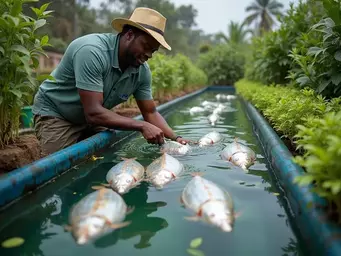
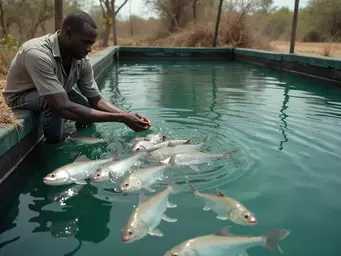
As small-scale farmers in Africa navigate the complexities of tilapia farming, the role of disease prevention emerges as a crucial pillar for success. With the well-being of their fish directly impacting both their livelihoods and local food security, understanding effective prevention strategies can pave the way for thriving aquaculture.
What You Will Learn
- The economic benefits of maintaining a healthy tilapia population, including better market prices and consistent income.
- Key common diseases that affect tilapia in Africa, such as Streptococcosis, viral infections, and fungal infections.
- Essential disease management practices, including regular health monitoring and maintaining optimal water quality.
- Best sustainable practices for tilapia farming, like using native fish species and minimizing chemical usage.
- The importance of networking with other farmers and engaging with the aquaculture community for shared knowledge and support.
Tilapia Disease Prevention & Management Overview
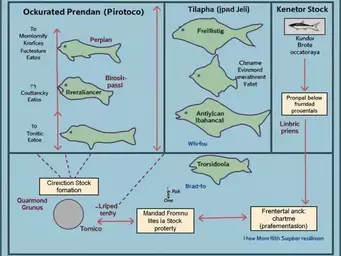
Effective disease prevention is vital for small-scale tilapia farmers in Africa. This visual summarizes key practices and common diseases, promoting healthy fish populations and sustainable farming.
Importance of Disease Prevention
- ✓ Economic Stability
- ✓ Food Security
- ✓ Sustainable Practices
Common Tilapia Diseases
- ⚠ Streptococcosis (Bacterial)
- ⚠ Viral Infections
- ⚠ Fungal Infections
Key Management Practices
- ▶ Regular Health Monitoring
- ▶ Optimal Water Quality
- ▶ Careful Stock Introduction
Sustainable Farming Best Practices
- ✓ Use Native Fish Species
- ✓ Minimize Chemical Usage
- ✓ Incorporate Integrated Farming
Understanding Tilapia Disease Prevention for Small-Scale Farmers in Africa
As small-scale farmers in Africa embark on their tilapia farming journey, disease prevention becomes a critical aspect of ensuring a healthy and productive fish population. Diseases can quickly devastate stocks, affecting not only the farmer's livelihood but also food security within the community. By prioritizing disease prevention, we can cultivate resilience in our farms and bolster the local aquaculture industry. For more detailed information, especially on local implementations, consider reading about building a tilapia pond locally.
In my experience with tilapia farming, I've seen how proactive measures can make a world of difference. The right practices allow farmers to mitigate risks associated with diseases, ultimately leading to better yields and greater profitability. Let's delve into the importance of disease prevention in tilapia farming.
The Importance of Disease Prevention in Tilapia Farming
Implementing effective disease prevention strategies is essential for maintaining the health of tilapia. It not only minimizes losses but also contributes to sustainable farming practices. Here are several reasons why disease prevention should be a top priority:
- Economic Stability: Healthy fish lead to better market prices and consistent income for farmers.
- Food Security: A robust tilapia population supports local nutrition needs and reduces dependency on imported fish.
- Sustainable Practices: Preventing disease aligns with environmentally friendly farming methods, fostering long-term ecological balance.
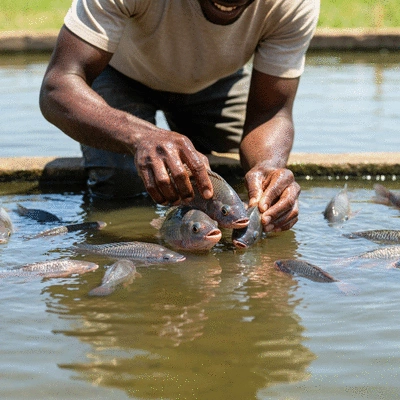
Moreover, by focusing on disease prevention, we can create a ripple effect that enhances the overall viability of aquaculture in Africa. This approach empowers farmers with knowledge and tools to face challenges head-on.
Identifying Common Diseases Affecting Tilapia in Africa
Recognizing the typical diseases that affect tilapia in our regions is a vital step in prevention. Here are some of the most common diseases that you should be aware of:
- Streptococcosis: A bacterial infection that can lead to high mortality rates if not addressed promptly.
- Viral Infections: Various viruses can threaten tilapia health, impacting their growth and survival.
- Fungal Infections: These often arise in stressed fish and can lead to significant losses if untreated.
Being able to identify these diseases early on can drastically improve your response time. Regular monitoring and good husbandry practices can help reduce their impact. You can learn more about preventing tilapia diseases in ponds through comprehensive guides.
Key Disease Management Practices for Small-Scale Farmers
To effectively manage and prevent disease outbreaks, consider implementing the following practices on your tilapia farm:
- Regular Health Monitoring: Conduct routine checks on your fish to identify any signs of illness early.
- Maintain Optimal Water Quality: Regularly test for pH, temperature, and other critical water parameters.
- Introduce New Stock Carefully: Always quarantine new fish before adding them to your main pond.
These measures not only protect your investment but also foster a healthier ecosystem. Remember, a proactive approach is always better than waiting until a problem arises!
Pro Tip
To further enhance your tilapia farming success, consider integrating technology into your practices. Utilizing apps for water quality monitoring can help you maintain optimal conditions, while online forums can provide immediate access to community support and solutions for any challenges you face. Stay connected and informed to boost your farm's productivity!
Summary of Key Disease Prevention Techniques for Tilapia
Preventing disease in tilapia is crucial for ensuring a healthy and productive farming operation. By implementing effective disease prevention techniques, small-scale farmers in Africa can significantly increase their chances of raising strong, resilient fish. Here are some of the key practices to consider:
- Regular health monitoring: Keep a close eye on your fish for any signs of illness.
- Biosecurity measures: Implement strict protocols to prevent disease entry.
- Water quality management: Maintain optimal conditions for tilapia health.
- Proper nutrition: Ensure your fish receive a balanced diet to boost their immunity.
By following these best practices, you'll be well on your way to creating a thriving tilapia farm that contributes to local food security and economic prosperity! For more insights into optimal conditions, review our article on managing tilapia pond water quality.
Best Practices for Sustainable Tilapia Farming in Africa
As I guide farmers through tilapia farming, I emphasize the importance of sustainable practices. This means focusing on methods that not only promote fish health but also protect the environment. Here are some best practices to keep in mind:
- Use native fish species: Native strains of tilapia adapt better to local conditions.
- Minimize chemical usage: Opt for natural remedies and practices whenever possible.
- Incorporate integrated farming: Combine tilapia farming with other agricultural practices to improve resource efficiency.
- Engage in community-based initiatives: Share knowledge and resources with fellow farmers to enhance overall farm productivity.
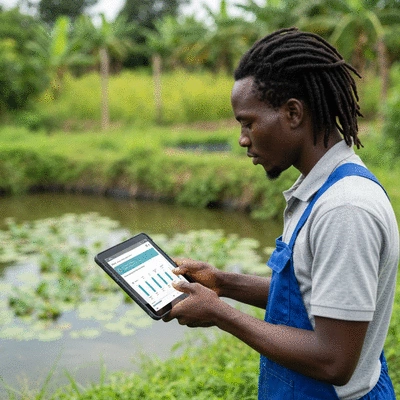
These practices not only foster sustainability but also help in building a resilient aquaculture community. Working together can lead to better outcomes for everyone involved in tilapia farming!
Next Steps for Small-Scale Farmers to Enhance Fish Health
Once you've implemented the key disease prevention techniques and sustainable practices, the next steps are essential for ongoing success. Here’s a roadmap for small-scale farmers:
- Educate yourself: Continuously seek information on disease management and aquaculture practices.
- Network with other farmers: Join local aquaculture groups to share insights and experiences.
- Attend workshops and training sessions: Take advantage of educational resources offered by organizations like Tilapia Farming Solutions.
- Experiment and adapt: Be open to trying new techniques and make adjustments based on your observations.
By taking these steps, you're not just enhancing the health of your fish; you're also paving the way for a more sustainable and successful farming operation! Remember, every small improvement can lead to significant benefits for your tilapia farming journey.
Engaging with the Aquaculture Community
Connecting with the wider aquaculture community is vital for personal and professional growth. Sharing experiences and learning from fellow farmers can enhance your understanding and improve your farming practices.
Sharing Experiences and Learning from Fellow Farmers
Engaging with fellow farmers can be incredibly rewarding. By sharing successes and challenges, we can learn from each other’s experiences. Consider the following ways to connect:
- Participate in local farming groups: Join community meetings to discuss fish farming challenges.
- Online forums and social media: Share your experiences and insights through online platforms. For instance, you can find valuable discussions on disease control strategies on our community forum.
- Farm visits: Arrange visits to other farms to observe different practices and gain new ideas.
These interactions not only help you learn but also foster a sense of community among farmers, creating opportunities for collaboration and mutual support.
Resources for Ongoing Education and Support
Staying informed is key to successfully managing your tilapia farm. There are numerous resources available to support your education:
- Online courses and webinars: Explore platforms that offer training in aquaculture.
- Local agricultural extension services: Leverage the expertise of local professionals in aquaculture.
- Books and publications: Read up on the latest research and practices in tilapia farming.
By utilizing these resources, you can continuously improve your farming knowledge and practices, ensuring your tilapia thrive!
The Importance of Research Institutions and Extension Services in Aquaculture
Research institutions and agricultural extension services play a crucial role in supporting small-scale farmers. They provide valuable information and resources that can help improve farming practices:
- Research findings: Stay informed about the latest advancements in tilapia farming techniques and disease management.
- Workshops and training programs: Attend sessions to learn from experts and enhance your skills.
- Access to funding and resources: Explore grant opportunities that support sustainable aquaculture initiatives. You can often find detailed guides and resources on sustainable farming techniques at our resource hub.
These organizations are essential allies in your tilapia farming journey, offering the knowledge and support needed to navigate the challenges you may face.
Frequently Asked Questions (FAQs)
- What are the most common diseases affecting tilapia in Africa?
- The most common diseases include Streptococcosis (bacterial), various viral infections, and fungal infections, often arising in stressed fish.
- Why is disease prevention crucial for small-scale tilapia farmers?
- Disease prevention is crucial for economic stability (better market prices, consistent income), food security (supporting local nutrition), and promoting sustainable farming practices.
- What key practices can help manage and prevent disease outbreaks?
- Key practices include regular health monitoring of fish, maintaining optimal water quality (pH, temperature), and carefully quarantining new stock before introduction to the main pond.
- What are some sustainable best practices for tilapia farming?
- Sustainable practices involve using native fish species, minimizing chemical usage, incorporating integrated farming methods, and engaging in community-based initiatives to share knowledge.
- How can farmers stay informed and get support for their tilapia farming?
- Farmers can stay informed by continuous self-education, networking with other farmers (local groups, online forums), attending workshops and training sessions, and utilizing resources from research institutions and agricultural extension services.
Recap of Key Points
Here is a quick recap of the important points discussed in the article:
- Prioritize Disease Prevention: Implementing effective strategies minimizes losses and supports sustainable farming practices.
- Identify Common Diseases: Awareness of diseases such as Streptococcosis, viral, and fungal infections is crucial for early intervention.
- Regular Health Monitoring: Conduct routine checks and maintain optimal water quality to ensure fish health.
- Implement Biosecurity Measures: Quarantine new stock and disinfect equipment to prevent disease entry.
- Engage with the Community: Share knowledge and resources with fellow farmers to enhance productivity and sustainability.
- Utilize Educational Resources: Stay informed through online courses, local services, and research institutions for continuous improvement.


Yomi Adisa Lead Researcher
Yomi Adisa is the lead researcher at Fish Farming Business, where he studies what makes aquaculture ventures profitable across Africa. His research focuses on market patterns, buyer preferences, and the business decisions that determine success or failure in fish farming.