Managing Stress in Tilapia Farming: Practical Handling Techniques to Minimise Disease Risk
Posted on: 2025-11-14
By: Yomi Adisa
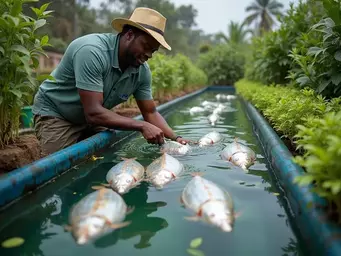
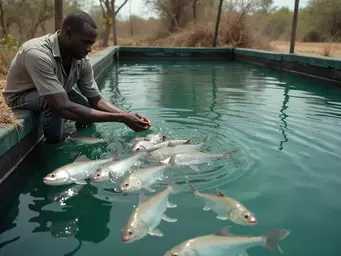
You've built your tilapia pond, stocked it with healthy fingerlings, and started feeding regularly—yet your fish keep dying unexpectedly. The water looks clear, the fish seemed fine yesterday, but this morning you're pulling dead tilapia from the surface. This heartbreaking scenario plays out on farms across Africa, often leaving farmers confused and financially devastated.
Table of Contents
Disease outbreaks can wipe out entire tilapia stocks within days, whether you're raising Nile tilapia or Blue tilapia. Many farmers assume disease is just bad luck, but the truth is that most fish diseases are preventable.
Understanding how diseases spread, recognising early warning signs, and taking proper preventive measures can save your entire harvest.
This comprehensive guide will teach you how to protect your tilapia from common diseases that plague African fish farms. You'll learn to identify symptoms before they become fatal, implement biosecurity measures that actually work, and respond quickly when problems arise—turning you from a reactive farmer into a proactive fish health manager.
Water Quality Management
You cannot prevent tilapia diseases without first mastering water quality—it's the foundation that determines whether your fish thrive or struggle with constant health problems. Poor water conditions stress your tilapia, weakening their immune systems and making them vulnerable to bacterial infections, parasites, and viral diseases that can wipe out your entire stock. When dissolved oxygen drops below 4mg/L or ammonia spikes above 0.5mg/L, even healthy Nile tilapia become sitting targets for pathogens.
Most disease outbreaks in African tilapia farms trace back to water quality problems that farmers didn't detect early enough. You might think your pond water looks clean, but invisible chemical imbalances can be slowly poisoning your fish for weeks before symptoms appear. By the time you notice tilapia gasping at the surface or showing signs of stress, the damage to their health may already be irreversible.
Effective water quality management requires consistent monitoring, understanding critical parameters, and taking immediate action when levels drift outside safe ranges. Here's how to create the optimal aquatic environment that keeps your tilapia healthy and disease-resistant.
Monitoring Water Parameters
You need to test your water regularly because tilapia health problems start with chemical imbalances you cannot see or smell. The four critical parameters—pH, ammonia, nitrite, and nitrate—can shift dramatically within 24-48 hours, especially in heavily stocked ponds or during hot weather. Waiting until fish show stress symptoms means you're already dealing with a health crisis rather than preventing one.
Your testing schedule should include pH and ammonia checks weekly, with nitrite and nitrate measurements every two weeks. pH levels must stay between 6.5-8.5 for optimal tilapia health, whilst ammonia should never exceed 0.02mg/L—levels above this cause gill damage and stress. Nitrite levels above 0.5mg/L interfere with oxygen transport in fish blood, and nitrate concentrations over 100mg/L indicate excessive organic waste buildup.
In Nigeria, many successful farmers use simple test kits available at agricultural input stores in Lagos and Kano for around ₦3,000-5,000. These basic kits provide accurate readings for pH, ammonia, and nitrite levels, giving you the essential information needed to maintain healthy water conditions. Nile tilapia are more sensitive to poor water quality than Blue tilapia, so you cannot afford to skip regular testing if you're raising the more popular Nile species.
Maintaining Optimal Dissolved Oxygen Levels
You must maintain dissolved oxygen levels between 5-7mg/L because oxygen deficiency kills tilapia faster than any disease. When oxygen drops below 4mg/L, your fish experience severe stress that suppresses their immune system and makes them vulnerable to bacterial infections like Streptococcosis. During hot afternoons or in heavily stocked ponds, oxygen levels can plummet within hours, especially if you have excessive algae growth consuming oxygen at night.
Aeration systems provide the most reliable solution for maintaining adequate oxygen levels throughout the day and night. You can install paddlewheel aerators, diffuser systems, or fountain aerators depending on your pond size and budget—a basic paddlewheel aerator costs around KES 45,000-60,000 in Nairobi but can service ponds up to 0.5 hectares. Solar-powered aeration systems work particularly well in rural areas without reliable electricity, with many Ugandan farmers successfully using these systems to maintain oxygen levels above 5mg/L even during power outages.
Blue tilapia can tolerate slightly lower oxygen levels (down to 3mg/L briefly) compared to Nile tilapia, but you should never rely on this tolerance. Both species grow fastest and resist disease best when dissolved oxygen stays consistently above 5mg/L, so invest in adequate aeration rather than pushing your fish to their survival limits.
Managing pH and Temperature
You need to maintain pH between 6.5-8.5 and temperature between 25-30°C because extreme fluctuations in either parameter stress tilapia and trigger disease outbreaks. pH levels below 6.0 or above 9.0 damage fish gills and skin, creating entry points for bacterial infections, whilst temperatures outside the optimal range slow growth and weaken immune responses. Sudden changes are more dangerous than gradual shifts—a pH swing of more than 0.5 units in 24 hours can shock your fish severely.
When pH drops too low, you can raise it gradually using agricultural lime at 50-100kg per hectare, but never add more than this amount at once to avoid shocking your fish. If pH climbs too high, you can lower it using organic acids or by increasing aeration to release excess carbon dioxide—never use strong acids that can cause rapid pH crashes. Temperature control requires different strategies: in Ghana, farmers use shade nets during hot season to prevent water temperatures exceeding 32°C, whilst deeper ponds naturally maintain more stable temperatures.
Nile tilapia thrive in warmer temperatures (28-30°C) and become sluggish below 20°C, making them ideal for tropical African conditions. Blue tilapia tolerate cooler waters better and can survive brief temperature drops to 15°C, but both species grow best when temperature stays consistently within the 25-30°C range throughout the year.
Stocking Density and Space Management
You cannot maintain healthy tilapia without proper stocking density—overcrowding kills more fish than most diseases combined. When you pack too many fish into limited space, you create a perfect storm of stress, aggression, and competition that weakens immune systems and triggers disease outbreaks. Even with perfect water quality and premium feed, overcrowded tilapia will suffer from stunted growth, increased mortality, and constant health problems that can destroy your entire investment.
Most African farmers unknowingly overstock their ponds because they want to maximise production from limited space, but this approach backfires spectacularly. You might think cramming 500 fingerlings into a small pond will give you more fish to sell, but overcrowding actually reduces your total harvest weight whilst increasing feed costs and mortality rates. The stress from overcrowding makes tilapia more susceptible to bacterial infections like Streptococcosis and parasitic diseases that spread rapidly in cramped conditions.
Proper space management requires calculating optimal stocking densities based on your pond size, understanding how fish behaviour changes with crowding, and implementing techniques to prevent overcrowding as your tilapia grow. Getting this right from the start sets the foundation for healthy, fast-growing fish that resist disease and reach market size efficiently.
Calculating Ideal Stocking Density
You must calculate stocking density based on water volume, not just pond surface area, because tilapia need adequate three-dimensional space to swim, feed, and establish territories. The recommended density is 1-2 fish per cubic metre for juveniles and 0.5-1 fish per cubic metre for adults—exceeding these limits creates chronic stress that suppresses growth and immunity. A 10m x 5m x 1.5m pond holds 75 cubic metres, which means you should stock maximum 150 juvenile tilapia or 75 adult fish for optimal health and growth rates.
Your stocking density must account for fish size, species behaviour, and management intensity because these factors dramatically affect space requirements. Nile tilapia become more territorial as they mature and need more space per fish than Blue tilapia, which tolerate higher densities due to their calmer temperament. In intensive systems with excellent water quality and frequent feeding, you can stock at the higher end of recommended ranges, but extensive pond systems require lower densities to maintain fish health.
In Zambia, small-scale farmers often overstock due to limited pond space, leading to stunted fish averaging only 150-200g at harvest instead of the target 300-400g. Blue tilapia can be stocked at slightly higher densities (up to 2.5 fish per cubic metre for juveniles) compared to Nile tilapia because they exhibit less aggressive behaviour and compete less intensively for territory and food resources.
Techniques to Avoid Overcrowding
You can prevent overcrowding by using mesh or plastic partitions to create smaller sections within your pond, allowing you to separate fish by size and manage different growth stages effectively. These partitions help reduce aggression, improve feeding efficiency, and make it easier to monitor fish health in smaller groups. Install removable partitions that you can adjust as fish grow, creating separate areas for fingerlings, juveniles, and adults within the same pond system.
Regular monitoring and selective culling are essential to prevent overcrowding as your tilapia grow and reproduce naturally in the pond. You should conduct monthly size assessments and remove the largest fish for market or transfer them to grow-out ponds, maintaining optimal density throughout the production cycle. This practice prevents the exponential overcrowding that occurs when fast-growing fish dominate space whilst smaller fish become stressed and vulnerable to disease.
⚠️ Warning: Overcrowding Kills Profits
Nile tilapia exhibit more aggressive behaviour when overcrowded compared to Blue tilapia, leading to fin damage, stress-related diseases, and poor feed conversion. Never exceed 1 fish per cubic metre for adult Nile tilapia, even if your pond looks like it has space—territorial fighting will devastate your stock.
In Kenya, farmers successfully use partitioned systems in small ponds to manage different growth stages, with mesh dividers allowing water circulation whilst preventing fish mixing. This approach lets you maintain optimal densities in each section whilst maximising your pond's productive capacity without compromising fish health or growth rates.
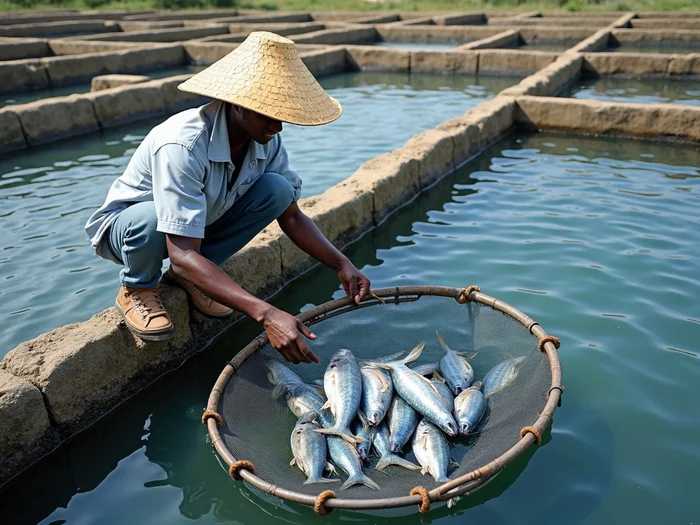
Nutrition and Feeding Practices
You cannot prevent tilapia diseases without providing proper nutrition—malnourished fish have weakened immune systems that make them sitting targets for bacterial infections, parasites, and viral diseases. Poor feeding practices cause more health problems than most farmers realise, from stunted growth and increased mortality to chronic stress that triggers disease outbreaks. When your tilapia don't receive balanced nutrition with adequate protein, vitamins, and minerals, their bodies cannot produce the antibodies and immune responses needed to fight off pathogens.
Many African farmers unknowingly sabotage their fish health by using cheap, low-quality feeds or feeding inappropriate amounts at wrong intervals. You might save money on feed costs initially, but malnourished tilapia grow slowly, get sick frequently, and often die before reaching market size—destroying your entire investment. Overfeeding creates equally serious problems by polluting water with excess nutrients that fuel harmful bacteria and algae growth.
Effective nutrition management requires understanding your tilapia's specific dietary needs, formulating or selecting appropriate feeds, and implementing feeding schedules that optimise growth whilst maintaining water quality. Getting nutrition right strengthens your fish's natural disease resistance and creates the foundation for a profitable, healthy tilapia operation.
Formulating Balanced Diets for Tilapia
You must provide 25-35% protein for juvenile Nile tilapia and 28-32% protein for Blue tilapia because inadequate protein levels severely compromise immune function and growth rates. Protein deficiency makes tilapia more susceptible to bacterial diseases like Streptococcosis and slows wound healing when fish suffer injuries from handling or aggression. Your feed must also contain essential amino acids, particularly lysine and methionine, which tilapia cannot produce themselves but need for proper immune system development.
Local ingredients can significantly reduce feed costs whilst providing excellent nutrition if you understand their nutritional profiles and combine them properly. Maize provides energy but lacks protein, so you must combine it with soybean meal (45-48% protein) or fish meal (60-65% protein) to create balanced feeds. In Malawi, farmers successfully use locally sourced groundnut cake, rice bran, and small fish to formulate feeds costing 30-40% less than commercial alternatives whilst maintaining protein levels above 30%.
Blue tilapia require slightly higher protein levels than Nile tilapia during juvenile stages because they grow faster initially and need more building blocks for muscle development. Both species need vitamin C supplementation (50-100mg per kg of feed) to maintain immune function and prevent diseases, plus vitamin E and selenium to protect against oxidative stress that weakens disease resistance.
Efficient Feeding Techniques
You should feed juvenile tilapia 3-4 times daily and adults 1-2 times daily because frequent small meals improve digestion, reduce waste, and maintain stable water quality. Overfeeding at single meals leads to uneaten feed decomposing in your pond, creating ammonia spikes and bacterial blooms that stress fish and trigger disease outbreaks. Feed only what your tilapia can consume within 15-20 minutes, adjusting quantities based on water temperature, fish size, and activity levels.
Feeding rings help control feed distribution and prevent waste by concentrating feed in specific areas where you can monitor consumption and remove any uneaten portions. These simple devices, costing around KES 500-1,000 in Nairobi markets, reduce feed waste by 20-30% whilst making it easier to observe fish feeding behaviour and detect early signs of illness. Install feeding rings in areas with good water circulation but away from pond edges where feed might accumulate and decompose.
In Tanzania, farmers have adopted timed feeding systems using simple alarm clocks or mobile phone reminders to maintain consistent feeding schedules that optimise growth and reduce stress. Nile tilapia exhibit more aggressive feeding behaviour than Blue tilapia, often dominating feeding areas and preventing smaller fish from getting adequate nutrition—use multiple feeding points to ensure all fish receive proper nutrition.
Storage and Handling of Feed
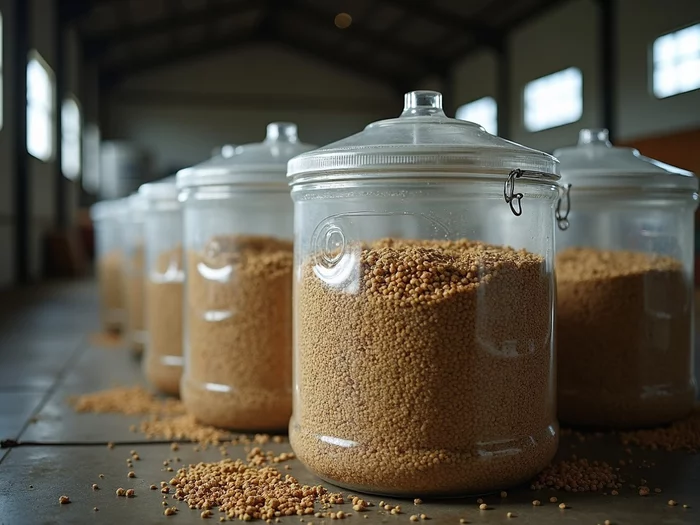
You must store feed in cool, dry places using airtight containers because moisture and heat destroy vitamins, promote mould growth, and create toxic compounds that can poison your tilapia. Feed stored in temperatures above 25°C loses vitamin potency rapidly, whilst moisture levels above 12% encourage fungal growth that produces aflatoxins—deadly compounds that cause liver damage and immune suppression. Metal or plastic containers with tight-fitting lids protect feed better than cloth or paper sacks that allow moisture penetration.
Regular inspection for spoilage signs prevents you from feeding contaminated feed that can kill your entire stock within days. Check for musty odours, colour changes, clumping, or visible mould growth before each feeding—any of these signs indicate feed contamination that must be discarded immediately. Purchase feed in quantities you can use within 3 months of manufacture date, as older feed loses nutritional value and becomes more susceptible to contamination.
💡 Pro Tip: Feed Storage in High Humidity
In Egypt's humid climate, farmers use silica gel packets or rice grains in feed containers to absorb excess moisture. This simple technique extends feed shelf life by 2-3 months and prevents the mould growth that commonly destroys stored feed during humid seasons.
Feed for Nile tilapia spoils faster than Blue tilapia feed due to higher protein content that bacteria and fungi prefer. Store high-protein feeds in smaller quantities and use them within 6-8 weeks of opening, whilst lower-protein maintenance feeds can last 10-12 weeks when stored properly in cool, dry conditions.
Handling Techniques to Minimise Stress
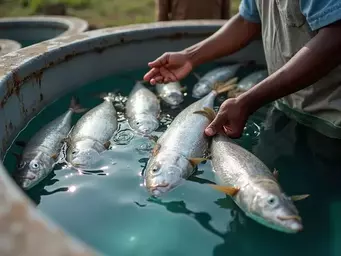
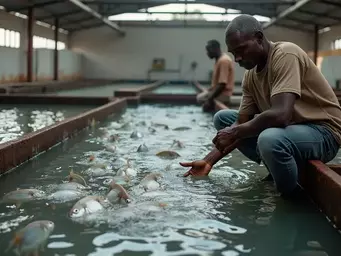
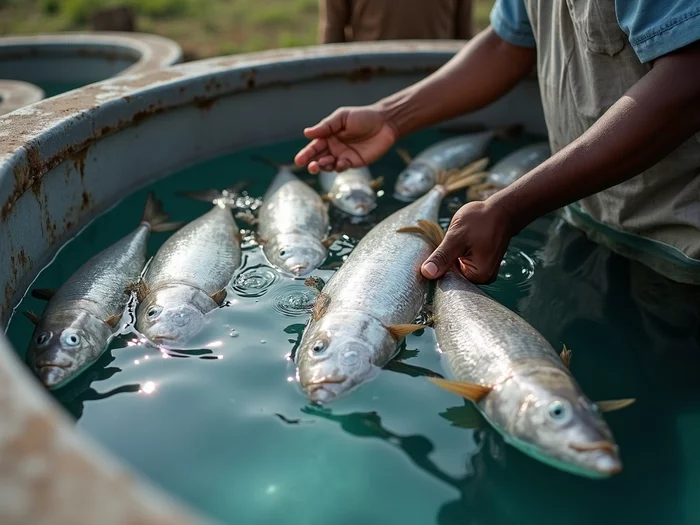
You cannot maintain healthy tilapia without mastering stress-free handling techniques—rough handling damages fish physically and psychologically, weakening their immune systems and making them vulnerable to diseases that healthy fish would easily resist. Every time you net, transport, or examine your tilapia, you're either strengthening their resilience or compromising their health. Stressed fish produce excess cortisol that suppresses immune function for days or weeks after handling, creating windows of vulnerability when bacterial infections, parasites, and viral diseases can establish themselves.
Most disease outbreaks in African tilapia farms occur within 7-14 days after handling events like grading, transport, or pond cleaning because stressed fish cannot mount effective immune responses. You might handle fish carefully by your standards, but tilapia are extremely sensitive to physical trauma, water quality changes, and environmental disruptions that seem minor to humans. A single rough netting session can trigger a Streptococcosis outbreak that kills 30-50% of your stock within a week.
Proper handling techniques require understanding fish physiology, using appropriate equipment, and developing gentle procedures that minimise physical damage and psychological stress. Learning these skills transforms you from someone who accidentally harms fish during routine operations into a professional who maintains fish health even during necessary handling procedures.
Gentle Netting and Transport Methods
You must use soft mesh nets with fine weave because coarse nets damage fish scales, fins, and protective mucus layers that defend against bacterial infections. Damaged mucus allows pathogens direct access to fish skin and gills, whilst torn fins become infected entry points for diseases like Columnaris and Fin Rot. Choose nets made from knotless nylon or soft cotton mesh, avoiding rough materials like hemp or coarse nylon that scrape fish surfaces even with gentle handling.
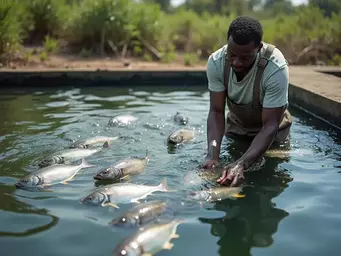
Your netting technique should involve slow, deliberate movements that guide fish into the net rather than chasing them frantically around the pond. Move the net underwater smoothly, allowing fish to swim into it naturally rather than scooping aggressively from above—this reduces panic and physical trauma significantly. Support the fish's body weight immediately after netting by keeping them submerged in water-filled containers, never allowing them to flop on dry surfaces where they can injure themselves.
Transport containers must maintain water quality and temperature whilst providing adequate space for fish movement during journeys. Use insulated containers with battery-powered aerators for trips longer than 30 minutes, maintaining water temperature within 2°C of the original pond temperature to prevent thermal shock. In Uganda, farmers successfully transport tilapia using motorcycle-mounted containers with solar-powered aeration systems, maintaining fish survival rates above 95% during 2-3 hour journeys to markets.
Acclimation Procedures for New Stock
You must acclimate new tilapia gradually because sudden changes in water temperature, pH, or chemistry can shock fish severely and trigger immediate disease outbreaks. Float transport bags in your pond for 15-20 minutes to equalise temperatures, then gradually mix small amounts of pond water into the bag over 30 minutes before release. This process prevents thermal shock and allows fish to adjust slowly to different water chemistry that might otherwise stress their systems.
Temperature differences greater than 3°C between transport water and pond water can cause immediate stress responses that suppress immunity for weeks. Monitor fish behaviour closely during acclimation—healthy fish should swim actively and show interest in their surroundings, whilst stressed fish remain motionless, gasp at the surface, or exhibit erratic swimming patterns. Never rush acclimation procedures even if fish appear distressed in transport containers, as proper gradual introduction prevents more serious problems later.
In Kenya, farmers use separate acclimation tanks to ease transitions for new fish before introducing them to main production ponds. This approach allows careful monitoring of new stock for 24-48 hours whilst they adjust to new conditions, identifying any health problems before they can spread to established fish populations. Nile tilapia show more aggression towards new arrivals than Blue tilapia, requiring careful monitoring for territorial fighting that can injure or stress both new and existing fish.
Best Practices for Reducing Handling Frequency
You can minimise handling stress by using automated feeding systems, remote monitoring equipment, and efficient pond design that reduces the need for frequent fish disturbance. Automated feeders eliminate daily feeding visits that stress fish, whilst underwater cameras allow health monitoring without netting fish for examination. Design your ponds with easy access points and good visibility so you can observe fish behaviour and health from outside the water without disturbing them.
Develop consistent routines that fish can anticipate rather than random handling events that create chronic stress and anxiety. Schedule all necessary handling activities—grading, health checks, pond maintenance—during cooler parts of the day when fish are less active and more tolerant of disturbance. Group multiple tasks into single handling sessions rather than disturbing fish repeatedly throughout the week for different activities.
Remote monitoring systems increasingly available in South Africa allow farmers to track water quality, feeding patterns, and fish behaviour without physical pond visits that stress fish. These systems use sensors and cameras to provide real-time data on pond conditions, alerting farmers to problems before they require emergency interventions that involve stressful fish handling. Blue tilapia tolerate handling better than Nile tilapia, recovering from stress more quickly and showing less aggressive responses to routine management activities.
Biosecurity Measures
You cannot protect your tilapia from diseases without implementing strict biosecurity measures—these protocols form your first and most important line of defence against pathogens that can devastate your entire operation within days. Biosecurity isn't just about keeping sick fish away from healthy ones; it's about creating multiple barriers that prevent bacteria, viruses, parasites, and fungi from entering your farm through contaminated equipment, water, feed, or people. One contaminated net or unwashed boot can introduce diseases that kill thousands of fish and destroy months of investment.
Most African tilapia farmers underestimate how easily diseases spread between farms, ponds, and even different sections of the same operation. You might think your farm is isolated, but pathogens travel on birds, equipment, vehicles, and people who move between different aquaculture operations. A single visitor who walked through an infected farm can carry deadly bacteria on their clothing and footwear, introducing diseases to your healthy fish population without anyone realising the danger.
Effective biosecurity requires establishing quarantine procedures, disinfection protocols, and staff training programmes that create systematic barriers against disease introduction and spread. These measures might seem excessive when your fish are healthy, but implementing them before problems arise is far easier and cheaper than trying to control disease outbreaks after they start killing your stock.
Quarantine Procedures for New Arrivals
You must quarantine all new tilapia for 2-4 weeks in completely separate facilities before introducing them to your main production ponds because apparently healthy fish can carry diseases without showing symptoms. During this incubation period, stress from transport and new environments often triggers disease outbreaks in infected fish, allowing you to identify and treat problems before they spread to your entire stock. Quarantine tanks should have independent water supplies, filtration systems, and equipment that never contact your main production areas.
Your quarantine facility needs adequate space, excellent water quality, and daily health monitoring to detect disease signs early whilst new fish adjust to your farm conditions. Maintain water temperature, pH, and dissolved oxygen at optimal levels because stressed fish in poor conditions are more likely to develop clinical disease from subclinical infections they're carrying. Monitor fish daily for abnormal behaviour, appetite changes, physical abnormalities, or mortality that might indicate disease problems requiring immediate attention.
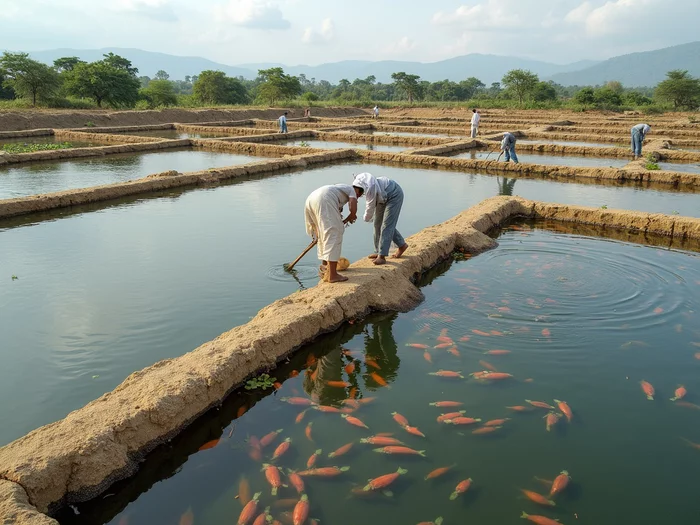
In Ghana, farmers construct simple quarantine ponds using plastic tanks or small earthen ponds located downhill from main production areas to prevent water contamination. This approach allows effective isolation whilst maintaining good water quality and observation access for daily health checks. Nile tilapia often show stress symptoms more readily than Blue tilapia during quarantine, making it easier to detect potential health problems before they become serious outbreaks.
Disinfection Practices for Equipment and Facilities
You must disinfect all equipment, tools, and facilities regularly using proven disinfectants that kill bacteria, viruses, and parasites without harming your fish when used properly. Sodium hypochlorite (household bleach) diluted to 10% concentration effectively kills most fish pathogens when equipment is soaked for 10-15 minutes, but you must rinse thoroughly with clean water afterwards to remove chlorine residues that can harm tilapia gills. Develop disinfection schedules that cover nets, buckets, boots, vehicles, and any equipment that contacts fish or pond water.
Your disinfection routine should include facility cleaning that removes organic matter where pathogens can hide and multiply between production cycles. Scrub pond walls, drain systems, and equipment storage areas with disinfectant solutions, paying special attention to corners, cracks, and areas where organic debris accumulates. Allow facilities to dry completely between uses because many pathogens cannot survive in dry conditions, providing additional protection against disease carryover.
In Zambia, farmers use locally available calcium hypochlorite powder mixed with water to create effective disinfectant solutions costing less than ZMW 50 per month for small operations. This approach provides reliable pathogen control whilst using materials available at most agricultural supply stores throughout the country. Both Nile and Blue tilapia are susceptible to similar bacterial and viral pathogens, making uniform disinfection protocols effective for both species.
Staff Training on Hygiene Protocols
You cannot maintain biosecurity without training all staff, family members, and visitors on proper hygiene protocols because people are the most common vectors for disease transmission between farms and ponds. Everyone entering your farm should wash hands thoroughly, disinfect footwear, and wear clean protective clothing that hasn't been contaminated at other aquaculture operations. Establish clear protocols for equipment use, pond access, and movement between different areas of your farm to prevent cross-contamination.
Your training programme should cover handwashing techniques, proper use of disinfectants, equipment cleaning procedures, and recognition of disease symptoms that require immediate reporting. Conduct training sessions quarterly to reinforce protocols and introduce new staff to biosecurity requirements, ensuring everyone understands their role in preventing disease outbreaks. Create simple checklists and visual reminders that help staff remember critical hygiene steps during daily operations.
In Egypt, successful tilapia farms invest in regular staff training programmes that include practical demonstrations of proper disinfection techniques and disease recognition skills. These farms maintain detailed hygiene protocols posted in local languages with pictures showing correct procedures for equipment cleaning, hand washing, and protective clothing use. Both Nile and Blue tilapia benefit from consistent hygiene standards, but Nile tilapia's higher sensitivity to pathogens makes strict protocol compliance even more critical for preventing disease outbreaks.
Monitoring and Early Detection of Stress
You cannot prevent tilapia diseases without mastering early stress detection—by the time fish show obvious disease symptoms, the damage to their health and your profits may already be irreversible. Stress is the gateway that allows diseases to establish themselves in your fish population, weakening immune systems and creating conditions where normally harmless bacteria become deadly pathogens. Learning to recognise subtle stress signals days or weeks before clinical disease appears gives you the power to intervene early and prevent catastrophic losses.
Most African farmers wait until fish are dying before taking action, but this reactive approach guarantees significant losses and often fails to save the remaining stock. Stressed tilapia exhibit behavioural and physical changes long before they develop visible disease symptoms—changes that trained eyes can detect and address before problems become crises. Early stress detection transforms you from someone who responds to disasters into a proactive manager who prevents them from occurring.
Behavioural Signs of Stress in Tilapia
You must learn to recognise erratic swimming patterns, rapid gill movement, and hiding behaviour because these are the earliest warning signs that your tilapia are experiencing stress that will soon compromise their immune systems. Healthy tilapia swim smoothly in schools, maintain normal colouration, and respond actively to feeding—any deviation from these patterns indicates developing problems that require immediate attention. Stressed fish often swim in tight circles, dart frantically around the pond, or remain motionless near the bottom or in corners where they feel protected.
Colour changes provide reliable stress indicators that appear before other symptoms become obvious to casual observers. Stressed Nile tilapia often develop darker colouration or lose their normal bright patterns, whilst Blue tilapia may become pale or develop irregular colour patches that indicate physiological distress. Rapid gill movement (more than 60 beats per minute at normal temperatures) suggests oxygen stress, poor water quality, or early disease development that needs immediate investigation.
In Uganda, experienced farmers maintain daily observation logs that track fish behaviour patterns, noting changes in feeding response, swimming activity, and social interactions that might indicate developing stress. This systematic approach helps identify problems during early stages when simple management changes can restore normal behaviour and prevent disease outbreaks. Nile tilapia typically show more pronounced stress responses than Blue tilapia, making them better early warning indicators for pond conditions that might affect both species.
Regular Health Assessments and Record Keeping
You should conduct systematic health assessments weekly, measuring key indicators like weight gain, body condition, and visible abnormalities that reveal developing problems before they become serious health crises. Create standardised assessment forms that track growth rates, feeding response, mortality patterns, and physical abnormalities—this data helps identify trends that might not be obvious during casual observations. Weigh sample fish monthly and calculate growth rates that should meet species-specific targets for your farming conditions.
Your record-keeping system must track water quality parameters alongside fish health indicators because most health problems stem from environmental conditions that gradually deteriorate over time. Document daily observations of fish behaviour, weekly measurements of growth and condition, and any treatments or management changes that might affect fish health. This information becomes invaluable for identifying problem patterns and developing prevention strategies for future production cycles.
In Kenya, progressive farmers use mobile phone apps designed for aquaculture record-keeping, allowing real-time data entry and automatic calculation of growth rates, feed conversion ratios, and mortality trends. These digital tools help identify subtle changes in fish performance that might indicate developing stress or disease problems requiring immediate attention. Growth rates vary significantly between Nile tilapia (target 2-3g per day) and Blue tilapia (target 1.5-2.5g per day), making species-specific tracking essential for accurate health assessment.
Using Technology for Stress Monitoring
You can enhance stress detection using water quality sensors, underwater cameras, and automated monitoring systems that track changes in fish behaviour and environmental conditions 24 hours daily. These technologies detect problems during night hours or when you're not present, providing early warnings that allow rapid response to developing crises. Water quality sensors alert you to dangerous changes in dissolved oxygen, temperature, or pH that stress fish before visible symptoms appear.
Underwater cameras allow continuous observation of fish behaviour without disturbing them through netting or handling that can mask stress symptoms. Modern systems can detect changes in swimming patterns, feeding behaviour, and social interactions that indicate developing problems requiring investigation. Some advanced systems use artificial intelligence to recognise abnormal behaviour patterns and send automatic alerts to your mobile phone when intervention is needed.
In South Africa, commercial tilapia farms increasingly use Internet of Things (IoT) devices that monitor multiple parameters simultaneously, creating comprehensive pictures of pond conditions and fish health status. These systems reduce labour costs whilst improving response times to stress indicators, often preventing disease outbreaks that would otherwise devastate fish populations. Both Nile and Blue tilapia benefit from technology-enhanced monitoring, but Nile tilapia's greater sensitivity to environmental changes makes automated early warning systems particularly valuable for preventing stress-related health problems.
Common Challenges and Solutions
You will face predictable challenges in tilapia disease prevention that can destroy your operation if you don't understand how to address them systematically. These challenges aren't random bad luck—they're recurring problems that affect most African tilapia farmers due to climate conditions, resource limitations, and infrastructure constraints that create perfect conditions for disease outbreaks. Water quality fluctuations, seasonal disease patterns, and resource management issues can overwhelm even experienced farmers who don't have proven strategies for dealing with these predictable problems.
Most farmers struggle with the same core challenges: maintaining stable water quality during weather extremes, managing disease outbreaks when they occur despite prevention efforts, and adapting to seasonal changes that stress fish and trigger health problems. You might feel overwhelmed when facing these challenges, but understanding that they're common problems with established solutions helps you develop systematic approaches rather than panicking when problems arise.
Successful disease prevention requires recognising these challenges early, implementing proven solutions quickly, and developing adaptive management strategies that help your operation survive and thrive despite the environmental and economic pressures that affect all African aquaculture operations. Learning from other farmers' experiences and proven solutions saves you time, money, and fish lives.
Addressing Water Quality Fluctuations
You must expect and prepare for water quality fluctuations caused by overfeeding, excessive organic waste, rainfall dilution, and temperature changes that can trigger disease outbreaks within hours of occurring. These fluctuations stress tilapia immune systems and create conditions where harmful bacteria multiply rapidly, turning manageable water quality issues into fish-killing crises. Install backup aeration systems, maintain emergency water treatment supplies, and develop rapid response protocols that address quality problems before they become fatal.
Your prevention strategy should include regular water changes (10-15% weekly), biological filtration systems that process organic waste, and emergency treatment supplies like lime for pH adjustment and salt for parasite control. Monitor water quality more frequently during high-risk periods like hot weather, heavy rains, or after pond disturbances that can trigger sudden chemical changes. Maintain spare equipment like aerators, pumps, and testing kits that allow immediate response to quality emergencies.
In Ghana, farmers face particular challenges with agricultural runoff contaminating pond water during rainy seasons, requiring proactive water management strategies including settling ponds, filtration systems, and emergency water sources. These farmers successfully use activated charcoal filters and biological treatment systems to maintain water quality despite external contamination sources. Nile tilapia are more sensitive to sudden water quality changes than Blue tilapia, requiring more intensive monitoring and faster response times when fluctuations occur.
Managing Disease Outbreaks
You must recognise common tilapia diseases quickly and implement appropriate treatments before they spread throughout your entire fish population. Streptococcosis causes fish to swim erratically, develop cloudy eyes, and die suddenly—treat immediately with medicated feed containing oxytetracycline at 50-75mg per kg of fish body weight for 10 days. Columnaris appears as white, cotton-like growths on fins and gills—respond with salt baths (3-5g per litre) for 5-10 minutes daily until symptoms disappear.
Your treatment approach must combine immediate symptom management with addressing underlying causes that allowed diseases to establish themselves in your fish population. Increase aeration, improve water quality, reduce feeding rates, and isolate affected fish to prevent disease spread whilst treating the outbreak. Maintain emergency medicine supplies including antibiotics, antifungals, and supportive treatments that address common diseases affecting tilapia in your region.
⚠️ Warning: Antibiotic Resistance
In Nigeria, overuse of antibiotics has created resistant bacterial strains that don't respond to common treatments. Use antibiotics only when necessary, complete full treatment courses, and rotate different antibiotics to prevent resistance development that makes future treatments ineffective.
Parasitic diseases like Ichthyophthirius (white spot disease) require different treatment approaches including salt baths, temperature manipulation, and pond disinfection that breaks parasite life cycles. Nile tilapia are generally more susceptible to bacterial diseases than Blue tilapia, requiring more aggressive treatment protocols and longer recovery periods to restore full health and productivity.
Seasonal Challenges in African Aquaculture
You must adapt your disease prevention strategies to seasonal challenges including temperature extremes, flooding, drought conditions, and seasonal disease patterns that affect tilapia health predictably throughout the year. Hot season temperatures above 32°C stress fish and reduce dissolved oxygen levels, whilst cold season temperatures below 20°C slow fish metabolism and immune responses. Rainy seasons bring flooding, water contamination, and increased disease pressure from wild fish populations that can introduce new pathogens.
Your seasonal management strategy should include adjusting stocking densities, modifying feeding schedules, and implementing climate-specific disease prevention measures that address predictable seasonal stressors. Use shade nets during hot seasons to reduce water temperatures, install drainage systems that prevent flooding during rains, and maintain emergency water supplies during drought periods. Stock climate-resilient tilapia strains that tolerate local environmental conditions better than imported varieties.
In Tanzania, farmers implement rainwater harvesting systems that provide clean water during drought periods whilst preventing contamination during flood seasons. These systems include storage tanks, filtration equipment, and distribution networks that maintain water quality regardless of seasonal weather patterns. Blue tilapia generally tolerate seasonal temperature fluctuations better than Nile tilapia, making them better choices for regions with extreme seasonal variations that stress more sensitive species.
Successful disease prevention directly impacts your fish farming profitability by reducing mortality rates, improving growth performance, and minimising treatment costs that can devastate your profit margins. The water quality management principles you apply to tilapia also work effectively for catfish water quality management, though optimal parameter ranges differ slightly between these species.
| Parameter | Optimal Range | Frequency | Action if Outside Range |
|---|---|---|---|
| pH | 6.5 - 8.5 | Weekly | Adjust gradually with lime or acids |
| Ammonia | ≤ 0.02 mg/L | Weekly | Increase aeration and reduce feed |
| Dissolved Oxygen | 5 - 7 mg/L | Daily | Install aeration systems |
| Stocking Density (Juveniles) | 1 - 2 fish/m³ | At stocking | Reduce numbers to prevent overcrowding |
| Protein in Feed (Juveniles) | 25 - 35% | At each feed | Adjust feed formulation for balance |
| Feeding Frequency (Adults) | 1 - 2 times daily | Daily | Avoid overfeeding to maintain water quality |
| Quarantine Duration for New Stock | 2 - 4 weeks | Before introduction | Monitor closely for disease signs |
Conclusion
You now have the essential knowledge to prevent most tilapia diseases through proper water quality management, appropriate stocking densities, balanced nutrition, and stress-free handling techniques. Regular monitoring of pH, dissolved oxygen, and ammonia levels gives you early warning of problems before they kill your fish. Maintaining proper stocking densities and implementing biosecurity measures creates the foundation for healthy, profitable tilapia production.
Disease prevention isn't complicated, but it requires consistent daily attention to your fish and their environment. Start with the basics—test your water weekly, observe fish behaviour daily, and maintain clean equipment. Your skills will develop as you learn to recognise the subtle signs that indicate when your tilapia need help.
With these disease prevention strategies in place, you can focus on optimising your feeding programmes and improving growth rates. Healthy fish convert feed more efficiently and reach market size faster, turning your investment in disease prevention into measurable profits at harvest time.
Frequently Asked Questions
What if my water test kit only measures pH and ammonia, but not nitrite or nitrate?
While testing for nitrite and nitrate is ideal, focusing on pH and ammonia weekly is crucial. Ammonia is highly toxic, and pH directly impacts its toxicity. If you see consistent ammonia spikes, you'll need to increase aeration or reduce stocking density, even without full nitrogen cycle readings.
How often should I feed my juvenile Nile tilapia if I want them to grow quickly without polluting the water?
For juvenile Nile tilapia, you should feed 3-4 times daily. Offer small meals that they can consume within 15-20 minutes to maximise growth and minimise uneaten feed, which can rapidly degrade water quality and lead to stress. Consider implementing structured feeding schedules that optimise both growth and water quality maintenance.
Can I use my existing fishing net for harvesting tilapia, even if it's a bit coarse?
It's strongly advised against using coarse nets. Rough materials can damage the scales, fins, and protective mucus layer of your tilapia, making them highly susceptible to bacterial infections and diseases like Columnaris. Invest in a fine, knotless mesh net to minimise stress and physical trauma during handling.
Why is it so important to quarantine new fish, even if they look perfectly healthy?
New fish can carry diseases without showing symptoms, especially due to the stress of transport. A 2-4 week quarantine period in a separate facility allows these latent infections to manifest, giving you time to treat them before they spread to your entire healthy stock, potentially saving your whole farm. This is particularly important when selecting quality fingerlings from different suppliers.
What's the best way to prevent my pond from becoming overcrowded if I don't have space for multiple ponds?
You can prevent overcrowding by using mesh or plastic partitions to create separate sections within your existing pond. This allows you to manage different growth stages or separate aggressive Nile tilapia, ensuring optimal density and reducing stress for all fish. Regular selective culling of the largest fish also helps maintain appropriate densities. Consider learning about proper pond design that accommodates growth and breeding management to control population growth effectively. For long-term success, you might also explore marketing strategies that help you sell fish at optimal sizes to maintain proper stocking densities.


Yomi Adisa Lead Researcher
Yomi Adisa is the lead researcher at Fish Farming Business, where he studies what makes aquaculture ventures profitable across Africa. His research focuses on market patterns, buyer preferences, and the business decisions that determine success or failure in fish farming.