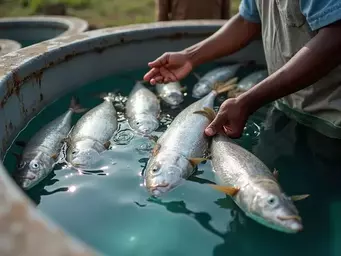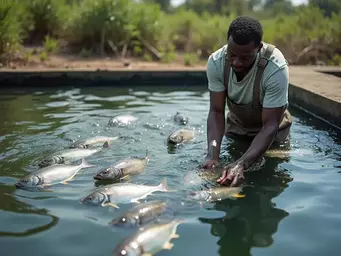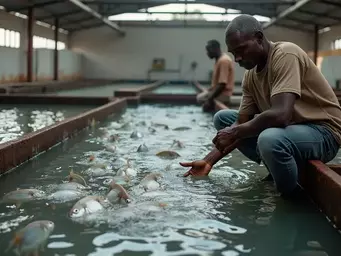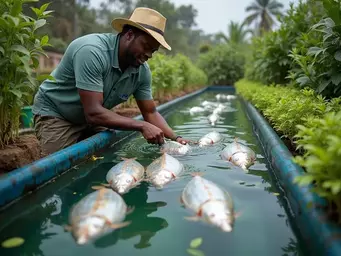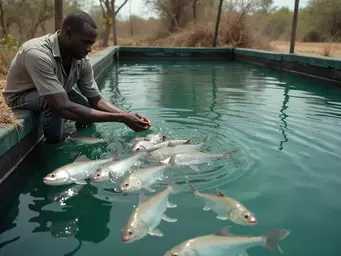
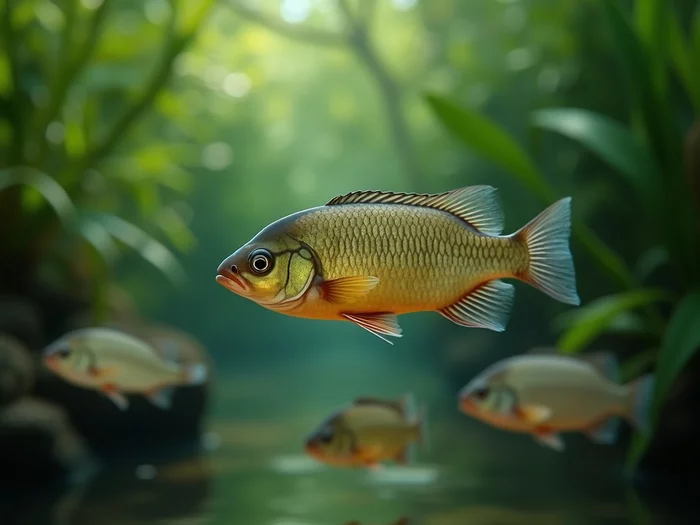
Disease Prevention Strategies
- Regular Monitoring of fish health
- Strict Biosecurity Measures
- Optimal Feeding for immunity
- Effective Environmental Controls
Proactive steps for healthier fish
Posted on: 2025-09-29
By: Yomi Adisa
Effective disease management is crucial in tilapia farming, with the potential to significantly impact yields and farmer livelihoods. Understanding the common ailments and implementing proactive strategies can ensure healthier fish and sustainable practices.
Maintaining healthy tilapia populations is crucial for economic success and environmental stewardship. The following strategies highlight essential steps in disease prevention, sustainable practices, and market engagement. For more insights into optimizing your aquaculture practices, explore our article on Optimizing Aquaculture Feed Efficiency.
As tilapia farming continues to grow across Africa, understanding tilapia diseases becomes vital for both sustainability and profitability. The health of our fish directly impacts our yields and the livelihoods of countless farmers. In this section, I’ll share insights on the significance of managing diseases in tilapia farming, common ailments we face, and their effects on aquatic health.
From my experience at Tilapia Farming Solutions, I've seen the struggles many farmers encounter when diseases arise. That’s why having a comprehensive disease management plan is essential for ensuring robust tilapia production. For more detailed information on preventing common issues, consider reading our guide on Preventing Common Aquaculture Challenges.
Effective disease management can be the difference between a thriving farm and one that faces significant losses. Here are some key reasons why this is crucial:
In my work, I emphasize the importance of education and consistent monitoring. Farmers who invest time in understanding disease patterns often find themselves ahead of potential outbreaks!
In Africa, tilapia farmers face several prevalent diseases that can devastate crops if not managed properly. Some of the most common diseases include:
Each of these diseases requires different management tactics, but by staying informed, we can better protect our fish and our livelihoods.
Aquatic pathogens pose a significant threat to tilapia health, often leading to reduced growth rates and increased mortality. When infected, tilapia can show signs such as:
Recognizing these early warning signs is crucial. I always advise farmers to conduct regular health assessments of their stock. Keeping a close eye on your fish can help you catch problems before they escalate!
According to the Food and Agriculture Organization (FAO), sustainable aquaculture practices can increase fish production by up to 50% while simultaneously improving biodiversity in aquatic ecosystems. Implementing effective disease management strategies not only benefits your tilapia farm but also contributes to the overall health of local water bodies.
In my experience at Tilapia Farming Solutions, I've seen firsthand how crucial it is to implement effective disease management strategies in our tilapia farming practices. Proper disease prevention not only safeguards the health of your fish but also enhances overall productivity. Here’s a quick recap of some key techniques to consider:
By prioritizing these techniques, you're laying a strong foundation for a sustainable tilapia farming operation. Each strategy plays a pivotal role in preventing disease outbreaks, ultimately leading to healthier fish and better yields. For more information on maintaining water quality, visit our Water Quality Management in Aquaculture resource.
As we look towards the future, embracing sustainable practices becomes essential for both fish health and environmental stewardship. These practices not only benefit the aquaculture sector but also contribute to the well-being of our communities. Consider the following sustainable approaches:
By championing these sustainable practices, we can ensure that our tilapia farming efforts support both economic prosperity and the health of our ecosystems. It’s all about finding that balance!
Finally, it’s vital to recognize the economic implications of maintaining a healthy tilapia population. The demand for quality tilapia continues to rise, and consumers are increasingly aware of the importance of sustainable practices in aquaculture. Here are a few points to consider:
By focusing on health and sustainability, we can position our tilapia farming ventures for success in a competitive market. Remember, it’s not just about producing fish; it’s about producing quality fish that meet consumer expectations! Discover other ways to enhance your farm's productivity and profitability by exploring Advanced Aquaculture Techniques.
Here are some common questions regarding tilapia disease management and sustainable farming practices:
One of the best ways to enhance your tilapia farming operations is by connecting with local fisheries and agricultural bodies. By collaborating with these organizations, you can access valuable resources and support tailored to your specific region. Consider reaching out to:
Building these connections not only enriches your knowledge but also strengthens the community as a whole. Together, we can tackle challenges and share successes!
Education is key in aquaculture, and I encourage you to participate in workshops and training sessions focused on tilapia farming. These events can provide you with hands-on knowledge and the latest research findings. Look for opportunities such as:
By investing in education, you're equipping yourself with the tools necessary for successful tilapia farming.
Finally, fostering collaboration among stakeholders is critical for sustainable aquaculture development. Engaging with various parties—including farmers, researchers, and policymakers—creates a holistic approach to farming. Consider forming or joining:
Through these collaborations, we can share resources and knowledge, ultimately leading to better practices and healthier fish. Let’s work together to build a sustainable future for tilapia farming in Africa! For further insights into collaborative efforts in aquaculture, explore relevant studies on Community-Based Aquaculture Projects.
Here is a quick recap of the important points discussed in the article:
Yomi Adisa Lead Researcher
Yomi Adisa is the lead researcher at Fish Farming Business, where he studies what makes aquaculture ventures profitable across Africa. His research focuses on market patterns, buyer preferences, and the business decisions that determine success or failure in fish farming.
New to Tilapia Farming? Confused where to start with our articles?
FREE guides, tools & resources to help you run a more profitable fish farming business.