Local Climate Influences
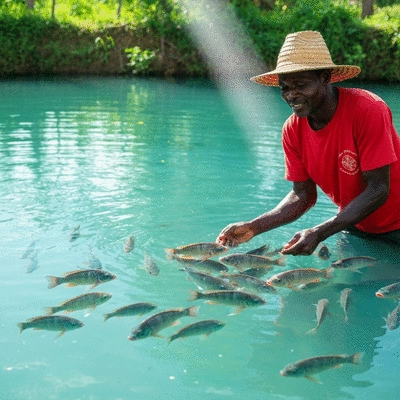
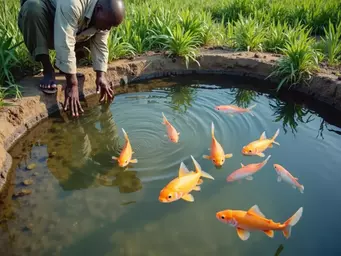
Weather patterns impact fish metabolism and feeding behavior, requiring adaptive schedules for optimal health and growth.
Posted on: 2025-09-29
By: Yomi Adisa
Understanding the nuances of tilapia feeding can transform your farming success. As tilapia aquaculture grows in Africa, the need for tailored feeding schedules becomes increasingly critical. Here’s how you can optimize your practices for better outcomes.
Tailored feeding strategies are crucial for optimal tilapia growth, considering various environmental and biological factors. For a deeper dive into sustainable aquaculture, explore our guide on sustainable aquaculture practices.
Weather patterns impact fish metabolism and feeding behavior, requiring adaptive schedules for optimal health and growth.
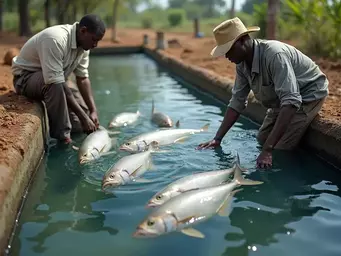
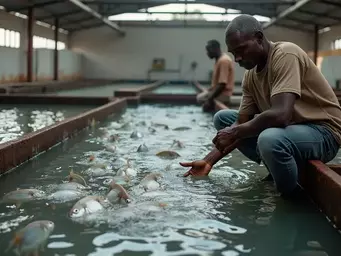
Access to quality feed varies by region; utilizing local ingredients can reduce costs while maintaining nutritional value.
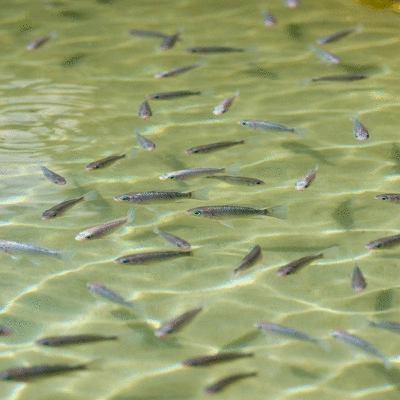
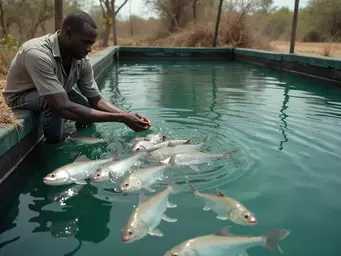
Feeding needs differ significantly between fingerlings and mature tilapia, requiring adjustments in frequency and quantity.
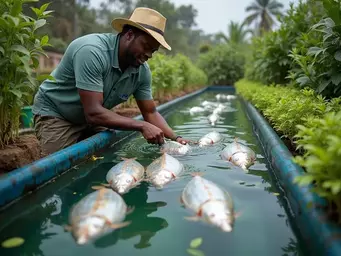
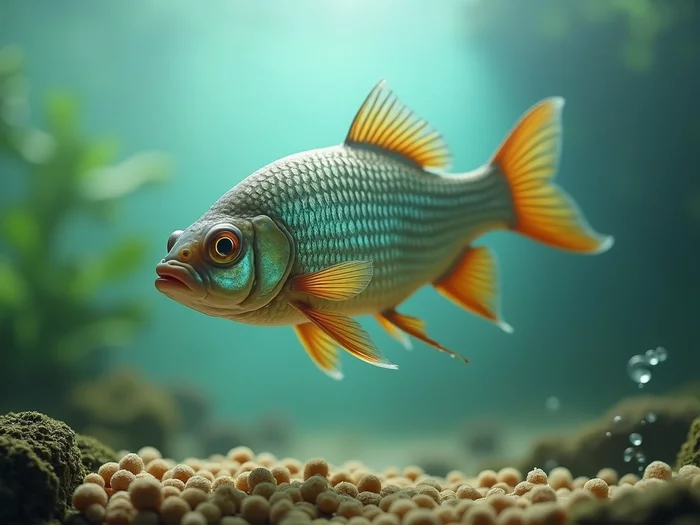
Close monitoring of water quality (pH, temperature, oxygen) is vital as it directly affects fish appetite and health.
Feeding schedules are a key aspect of successful tilapia farming. At Tilapia Farming Solutions, we emphasize the importance of tailoring these schedules to the unique conditions found in various African regions. Factors such as climate and available feed resources significantly influence how we should approach the feeding of tilapia for optimal growth.
Localized feeding strategies help ensure that fish receive the right nutrients at the right times. This means considering elements like the temperature of the water, the types of feed available, and even the growth stage of the tilapia. When farmers adapt their feeding schedules to fit these local conditions, they can see a marked improvement in fish health and production rates!
Why is it so essential to have a tailored feeding strategy for tilapia? It boils down to the diverse conditions under which farmers operate across Africa. A few critical components to keep in mind include:
By understanding these factors, farmers can implement effective feeding practices that directly correspond to their specific environment. This localized approach not only enhances fish welfare but also promotes economic sustainability for farmers across the continent. Discover more about managing your pond's ecosystem in our guide on pond ecosystem management.
Tilapia aquaculture holds a significant place in the agricultural landscape of Africa. It is not just about food production; it's also about enhancing economic opportunities for smallholder farmers. Tilapia farming provides a source of income and nutrition, which is vital for many communities.
The rise of tilapia farming has led to job creation and improved food security. As more farmers turn to this sustainable practice, the impacts ripple through local economies, making it a crucial sector within African agriculture. For additional insights into the economic benefits of aquaculture, visit our aquaculture resources.
In Africa, several tilapia species are commonly farmed. Each possesses unique growth performances and adaptability to local conditions. The main species include:
Understanding the characteristics of these species is key to planning successful farming operations. Each species may require different management practices, especially when it comes to feeding schedules and nutrient requirements. Learn more about selecting the right species for your farm in our comprehensive guide on choosing tilapia species.
Establishing the right feeding frequency is crucial for promoting healthy growth in tilapia. In the following sections, we will delve into the specifics of how often and how much to feed your fish, ensuring they thrive in your ponds!
To maximize the growth and health of your tilapia, consider using a feeding strategy that incorporates both commercial pellets and local feed ingredients. This not only ensures nutritional diversity but can also help reduce feed costs significantly. Experimenting with combinations of available resources can lead to improved growth rates and overall fish health!
When it comes to tilapia farming, establishing tailored feeding schedules is essential for achieving optimal growth and health. Understanding the specific needs of your fish at various stages of their development—alongside local conditions—will significantly enhance your farming success. Here are some key points to remember:
By focusing on these factors, you can create a more effective feeding strategy that leads to healthier tilapia and improved productivity in your ponds. Remember, each farmer’s experience can vary, but learning from others can help refine your approach! For further insights into maximizing farm efficiency, check out our article on maximizing farm efficiency.
I encourage you to take the insights from this article and apply them to your tilapia farming practices. Monitor how these strategies work for you and make adjustments as necessary based on your specific conditions. Remember, farming is a journey of continuous learning! As you implement best practices, don’t hesitate to document your experiences—this will not only help you track improvements but also empower you to share valuable insights with others.
Let’s foster a community of knowledge sharing among tilapia farmers in Africa! I invite you to share your experiences and insights regarding tilapia feeding practices. Your stories can inspire others and contribute to a wealth of information that helps us all improve our methods. Whether it’s successes or challenges, every bit of feedback enriches our collective understanding. Join the conversation and let’s grow together!
Here is a quick recap of the important points discussed in the article:
Yomi Adisa Lead Researcher
Yomi Adisa is the lead researcher at Fish Farming Business, where he studies what makes aquaculture ventures profitable across Africa. His research focuses on market patterns, buyer preferences, and the business decisions that determine success or failure in fish farming.
New to Tilapia Farming? Confused where to start with our articles?
FREE guides, tools & resources to help you run a more profitable fish farming business.