Nile Tilapia Species Profile: Biology, Farming, and Market Insights
Posted on: 2025-11-16
By: Yomi Adisa
When you walk through fish markets across Nigeria, Kenya, or Ghana, one species dominates the stalls more than any other: Nile tilapia. This remarkable fish has transformed African aquaculture from a small-scale endeavour into a thriving industry worth billions of pounds annually.
Understanding why Nile tilapia has become the backbone of fish farming across the continent—and whether it's the right choice for your operation—requires examining its biology, behaviour, and farming characteristics in detail.
In This Guide
- → Why Nile Tilapia Matters for African Fish Farming
- → Scientific Classification and Common Names
- → Physical Characteristics of Nile Tilapia
- → Habitat Preferences and Distribution
- → Feeding Habits of Nile Tilapia
- → Breeding Characteristics of Nile Tilapia
- → Production Advantages for Aquaculture
- → Market Demand and Economic Factors
- → Key Considerations for Successful Farming
- → Comparative Analysis with Other Tilapia Species
- → Summary of Key Points for Nile Tilapia Farming
Why Nile Tilapia Matters for African Fish Farming
Nile tilapia represents the success story of African aquaculture. Across the continent, from the fish farms of Egypt's Nile Delta to the cage operations on Lake Victoria, this species accounts for approximately 70% of all farmed fish production in Africa.
The numbers tell the story of its importance. In Nigeria alone, tilapia farming generates over ₦200 billion annually, supporting more than 500,000 jobs directly and indirectly. Kenya's aquaculture sector, built primarily on Nile tilapia, has grown from producing 4,000 tonnes in 2009 to over 24,000 tonnes by 2020.
What makes Nile tilapia so attractive to farmers is its combination of rapid growth, environmental tolerance, and strong market demand.
A fingerling weighing 5 grams can reach market size of 300-500 grams within 6-8 months under proper management. This growth rate, combined with feed conversion ratios as low as 1.2:1, means you can achieve profitability faster than with most other species.
The market readily accepts Nile tilapia because of its mild flavour and firm white flesh. Whether sold fresh in local markets or processed for export, it commands consistent prices that make farming economically viable for operations ranging from small backyard ponds to large commercial facilities.
Scientific Classification and Common Names
![]()
Scientific Name and Taxonomy
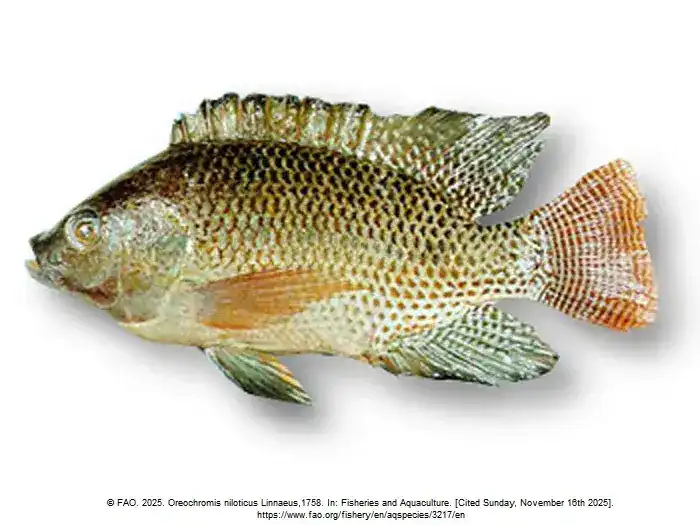
The scientific name Oreochromis niloticus tells you important information about this fish. The genus Oreochromis comes from Greek words meaning "mountain" and "colour," referring to the brilliant colours males display during breeding. The species name niloticus indicates its origins in the Nile River system.
Nile tilapia belongs to the Cichlidae family, which includes over 1,300 species of freshwater fish. This family classification is significant because it explains many of the fish's behaviours, particularly its sophisticated parental care and territorial nature during breeding.
Understanding the taxonomy helps you distinguish Nile tilapia from closely related species like Oreochromis aureus (blue tilapia) or Oreochromis mossambicus (Mozambique tilapia), each with different farming characteristics and environmental requirements.
Common Names and Regional Variations
Across Africa, you'll hear Nile tilapia called by various names that reflect local languages and traditions. In English-speaking regions, it's commonly known as Nile tilapia or Nile mouthbrooder, referring to its breeding behaviour.
Regional variations include "tilapia nilotica" in some scientific literature and "Nile mouthbreeder" in older texts. In local African languages, names vary significantly—Swahili speakers call it "samaki wa ziwa" (lake fish), while in some Nigerian communities, it's known as "tilapia fish" or simply "tilapia."
These naming variations matter when sourcing fingerlings or discussing farming techniques with other producers. Ensuring you're talking about the same species prevents costly mistakes in stocking or breeding programmes.
Physical Characteristics of Nile Tilapia
![]()
Distinguishing Features
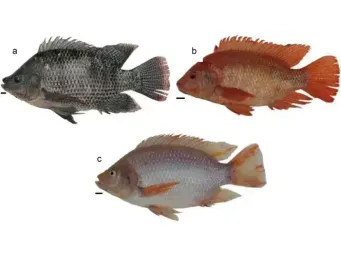
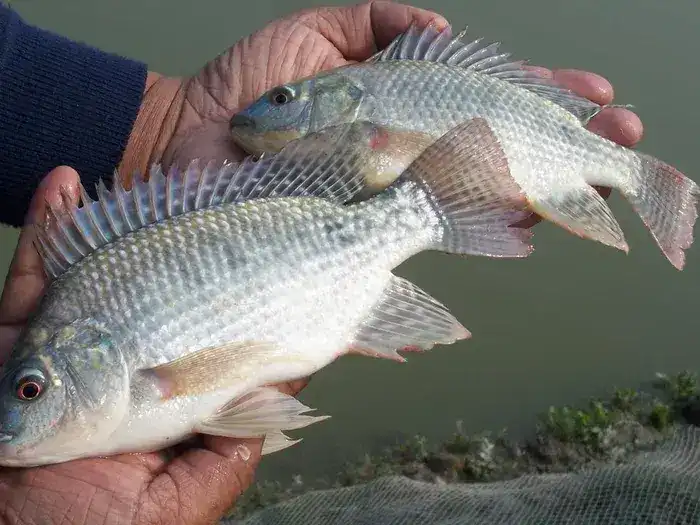
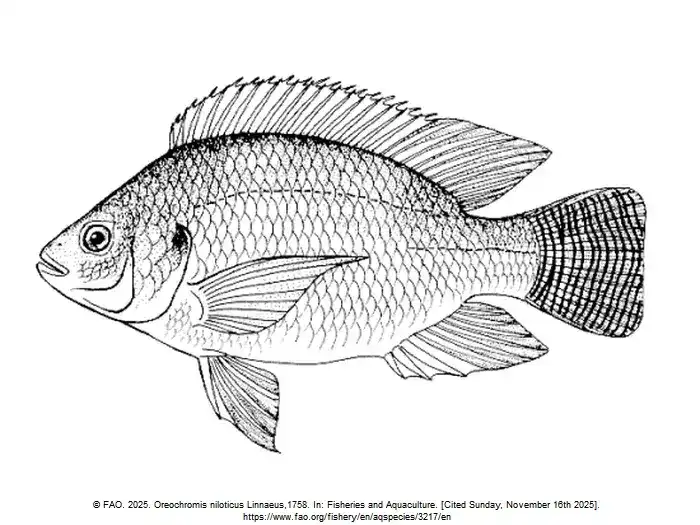
Learning to identify Nile tilapia correctly prevents you from accidentally stocking inferior species or paying premium prices for misidentified fish. The most reliable identifying features are found in the dorsal fin structure.
Nile tilapia possess 15-16 dorsal spines and 27-30 dorsal-fin rays. This specific count distinguishes them from blue tilapia, which typically have 13-15 dorsal spines. The dorsal fin margins show distinctive vermillion (reddish) colouration, particularly visible in healthy, well-fed fish.
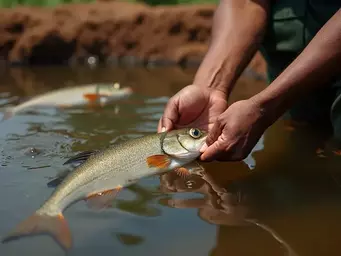
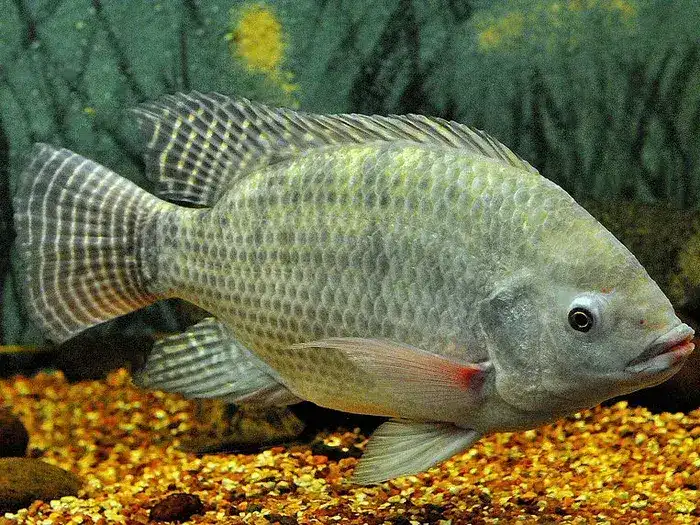
Unlike some related species, Nile tilapia lack distinct vertical bands on their bodies. Instead, they display a relatively uniform olive to greyish colouration with a lighter belly. During breeding season, males develop striking metallic blue colouration that makes sex identification straightforward.
The body shape is laterally compressed (flattened from side to side), which is an adaptation for efficient swimming and feeding. This compression also affects stocking density calculations, as it influences how fish utilise space in your ponds or cages.
Size and Weight Ranges
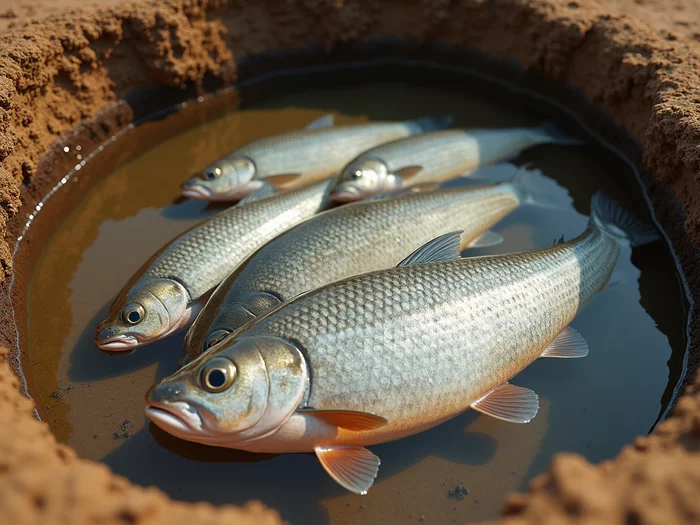
Understanding size ranges helps you plan feeding programmes, predict harvest weights, and calculate economic returns. Fingerlings typically start at 1-5 grams when you purchase them for stocking, though some suppliers offer larger juveniles at 10-20 grams.
Under optimal farming conditions with proper nutrition and water quality, Nile tilapia can reach 300-500 grams within 6-8 months. This represents the typical market size that maximises your profit per fish while minimising production costs.
Maximum size in farming conditions rarely exceeds 2 kilograms, though wild specimens can reach up to 4 kilograms and 63 centimetres in length. For commercial farming, you'll typically harvest at 300-800 grams, depending on your target market preferences.
These size ranges directly impact your pond management decisions. Knowing that a 500-gram fish requires approximately 50-60 litres of water helps you calculate optimal stocking densities for maximum production.
Habitat Preferences and Distribution
![]()
Natural Habitat
Nile tilapia's natural distribution spans tropical and subtropical Africa and parts of the Middle East. Originally found in the Nile River system, Niger River basin, and several East African lakes including Tanganyika and Albert, this wide distribution explains the species' remarkable adaptability.
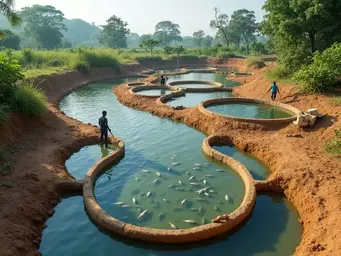
In their natural habitat, Nile tilapia inhabit shallow to moderately deep waters with abundant vegetation. They prefer areas with soft substrates where they can dig nesting sites during breeding. This behaviour translates to farming advantages, as they adapt well to earthen ponds with muddy bottoms.
The species thrives in lentic environments (still waters) like lakes and slow-flowing rivers. This preference makes them ideal for pond culture, where water exchange rates are typically low compared to flowing water systems.
Understanding their natural habitat helps you design farming systems that work with, rather than against, their biological needs. Providing shallow areas for breeding and deeper zones for feeding mimics their natural environment and improves production outcomes.
Environmental Tolerances
Environmental tolerance ranges determine whether Nile tilapia will thrive in your specific location and farming system. Temperature tolerance is particularly important for African farmers dealing with seasonal variations.
Optimal growth occurs between 25-30°C, with growth rates declining outside this range. Survival is possible from 8-42°C, but temperatures below 15°C or above 35°C cause stress and reduced feeding. In highland areas of Kenya or Ethiopia, you may need to consider pond depth and orientation to maintain suitable temperatures.
pH tolerance ranges from 6.5-9.0, with optimal growth near neutral to slightly alkaline conditions (pH 7.0-8.5). This tolerance allows farming in various water sources, from slightly acidic rainwater to alkaline borehole water common in many African regions.
Dissolved oxygen requirements are relatively modest compared to other species. While optimal levels exceed 5 mg/L, Nile tilapia can survive temporary drops to 3 mg/L. This tolerance is crucial during hot weather or high stocking densities when oxygen levels naturally decline.
Salinity tolerance up to 15 parts per thousand allows farming in slightly brackish water, useful in coastal areas where freshwater may be limited or expensive.
Feeding Habits of Nile Tilapia
Natural Diet and Feeding Behaviour
Nile tilapia's feeding behaviour directly impacts your feed costs and management strategies. As primarily herbivorous fish, they naturally consume phytoplankton, algae, detritus, and occasionally small invertebrates.
Their feeding strategy involves continuous grazing throughout daylight hours. Specialised mouthparts allow them to scrape algae from surfaces and filter small particles from water. This behaviour means they can utilise natural pond productivity, reducing your dependence on commercial feeds.
The pharyngeal teeth (throat teeth) are adapted for processing plant material, grinding it into digestible particles. This adaptation explains their excellent feed conversion efficiency when fed appropriate diets.
Understanding natural feeding patterns helps optimise feeding schedules. Multiple small feedings throughout the day align with their natural behaviour and improve feed utilisation compared to one or two large meals.
Nutritional Needs for Aquaculture
Protein requirements vary with fish size and growth stage, directly affecting your feed costs. Juveniles require 30-35% dietary protein for optimal growth, while adults can thrive on 25-30% protein diets.
Feed conversion ratios (FCR) of 1.2-1.8 under good management mean every kilogram of feed produces 0.55-0.83 kilograms of fish. Achieving ratios closer to 1.2 requires careful attention to feeding rates, water quality, and fish health.
The herbivorous nature allows supplementation with agricultural by-products like rice bran, maize bran, or cassava leaves. This flexibility can reduce feed costs by 20-40% compared to relying solely on commercial feeds.
Energy requirements are met through carbohydrates and fats, with optimal carbohydrate levels around 30-40% of the diet. This tolerance for high-carbohydrate feeds makes locally produced ingredients economically attractive.
Breeding Characteristics of Nile Tilapia
Sexual Maturity and Spawning
Breeding characteristics determine your ability to produce fingerlings and manage reproduction in grow-out ponds. Nile tilapia reach sexual maturity at 4-6 months of age or 100-150 grams body weight under farming conditions.
Spawning behaviour is triggered by optimal temperatures of 28-30°C, appropriate photoperiod, and good water quality. Males establish territories and dig circular nests in shallow areas, typically 20-30 centimetres in diameter.
The courtship process involves males displaying brilliant colours and performing elaborate swimming patterns to attract females. Understanding this behaviour helps you design breeding ponds with appropriate shallow areas and substrate types.
Spawning frequency can occur every 4-6 weeks under optimal conditions, making Nile tilapia prolific breeders. This characteristic is advantageous for fingerling production but can create management challenges in grow-out systems.
Parental Care and Life Cycle Stages
Maternal mouthbrooding is the defining characteristic of Nile tilapia reproduction. Females collect fertilised eggs in their mouths immediately after spawning, carrying 100-300 eggs depending on their size and condition.
Incubation period lasts 7-14 days, during which females don't feed. This fasting period affects breeding female condition and requires management consideration in breeding programmes.
After hatching, fry remain in the female's mouth for an additional 3-5 days until the yolk sac is absorbed. Free-swimming fry are approximately 8-12 millimetres long and capable of independent feeding.
The life cycle from egg to market size (300-500 grams) typically takes 7-9 months under farming conditions. This relatively short generation time allows multiple production cycles per year and rapid genetic improvement programmes.
Production Advantages for Aquaculture
Growth Rates and Feeding Efficiency
Growth performance directly determines your profitability and cash flow cycles. Under optimal conditions with water temperatures of 25-30°C and proper nutrition, Nile tilapia fingerlings weighing 5 grams can reach 300 grams in 6 months.
Daily growth rates of 2-4 grams per day are achievable during the fastest growth phase (50-200 grams). This rapid growth allows you to turn over production cycles quickly and respond to market demands efficiently.
Feeding efficiency measured as feed conversion ratio typically ranges from 1.2-1.8 under good management. Achieving the lower end of this range requires attention to feeding frequency, water quality, and stocking density.
The combination of fast growth and efficient feed utilisation means production costs per kilogram are typically 20-30% lower than slower-growing species, improving your profit margins significantly.
Hardiness and Disease Resistance
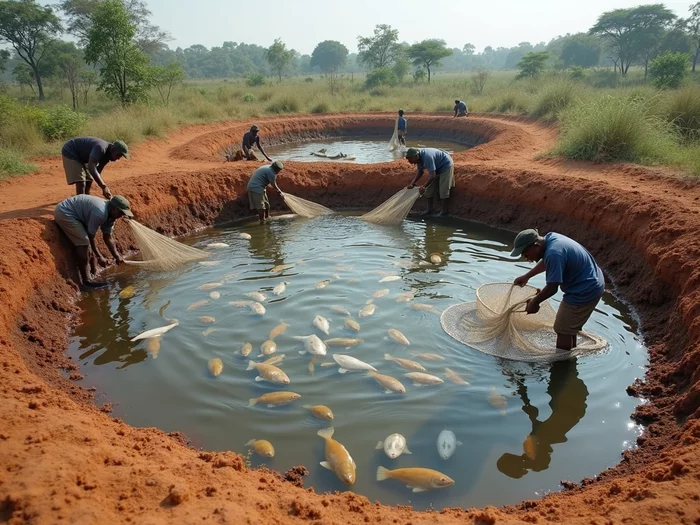
Environmental tolerance and disease resistance reduce production risks and management complexity. Nile tilapia survive dissolved oxygen levels as low as 2-3 mg/L for short periods, preventing total losses during equipment failures or weather events.
Temperature fluctuations that would stress or kill more sensitive species are well tolerated. This hardiness is particularly valuable in African climates where seasonal temperature variations can be significant.
Disease resistance is generally good, with major losses typically occurring only under severe stress conditions or poor water quality. Common diseases like bacterial infections respond well to improved management rather than expensive treatments.
Handling stress tolerance allows for harvesting, grading, and transport operations without significant mortality. This characteristic is crucial for market operations and live fish sales.
Market Demand and Economic Factors
Consumer Acceptance and Market Trends
Market acceptance determines the prices you can achieve and the consistency of demand for your product. Nile tilapia enjoys strong consumer preference across Africa due to its mild flavour and firm, white flesh that appeals to diverse cultural tastes.
Price stability is generally good, with wholesale prices typically ranging from $2-4 per kilogram depending on size and market location. Premium markets for larger fish (500+ grams) often pay 20-30% more than standard sizes.
Export potential exists for processed products, with European and Middle Eastern markets showing consistent demand. Value-added products like fillets can command prices 2-3 times higher than whole fish.
Local market trends show increasing demand as urbanisation grows and consumer incomes rise. This trend suggests sustainable long-term markets for tilapia production across the continent.
Economic Viability for Farmers
Production economics determine whether tilapia farming will be profitable for your specific situation. Initial investment costs are relatively low, with basic pond systems requiring $500-2,000 per tonne of annual production capacity.
Operating costs typically break down as 40-50% feed, 15-20% fingerlings, 10-15% labour, and 15-25% other expenses including utilities and maintenance. Feed costs can be reduced through integration with agriculture or use of farm-made feeds.
Return on investment for well-managed operations typically ranges from 25-40% annually, making tilapia farming competitive with other agricultural enterprises. Payback periods of 2-3 years are common for new operations.
Cash flow cycles of 6-8 months from stocking to harvest allow multiple production cycles per year, improving annual returns compared to longer-cycle enterprises.
Key Considerations for Successful Farming
Optimal Farming Conditions
Creating optimal conditions maximises growth rates and minimises production risks. Water temperature should be maintained between 25-30°C through pond depth management, orientation, and possibly greenhouse coverage in cooler regions.
Stocking densities of 3-5 fish per square metre in ponds or 50-100 fish per cubic metre in cages provide good growth while maintaining water quality. Higher densities require more intensive management and aeration systems.
Water quality management focuses on maintaining dissolved oxygen above 4 mg/L, pH between 7.0-8.5, and ammonia levels below 0.5 mg/L. Regular water testing and appropriate pond management practices are essential.
Pond design should include shallow areas (0.5-1.0 metre) for natural feeding and breeding, and deeper areas (1.5-2.5 metres) for thermal refuge and higher stocking densities.
Management Practices
Daily management practices determine production success and profitability. Feeding schedules should provide 2-4 meals daily at 2-5% of body weight, adjusted based on water temperature, fish size, and appetite.
Water quality monitoring should include daily observation of fish behaviour and weekly testing of key parameters. Early detection of problems prevents major losses and treatment costs.
Health management emphasises prevention through good water quality, appropriate stocking densities, and quarantine procedures for new fish. Most disease problems are solved through improved management rather than treatments.
Record keeping of feeding rates, growth performance, and production costs allows you to optimise operations and identify profitable practices for future cycles.
Comparative Analysis with Other Tilapia Species
Growth Rates and Environmental Tolerances
Comparing Nile tilapia with related species helps you choose the best option for your specific conditions. Blue tilapia (Oreochromis aureus) grows slightly slower but tolerates cooler temperatures down to 5°C, making it suitable for highland areas.
Mozambique tilapia (Oreochromis mossambicus) is more salt-tolerant but grows significantly slower and reaches smaller maximum sizes. It may be suitable for brackish water systems but produces lower yields.
Growth rate comparisons show Nile tilapia reaching 300 grams in 6-8 months, while blue tilapia requires 8-10 months and Mozambique tilapia needs 10-12 months under similar conditions.
Temperature tolerance varies significantly: Nile tilapia (8-42°C), blue tilapia (5-40°C), and Mozambique tilapia (10-45°C). Choose based on your local climate conditions and seasonal variations.
Breeding and Farming Preferences
Breeding characteristics affect fingerling production and grow-out management. Nile tilapia produces 100-300 eggs per spawn with good survival rates, making fingerling production efficient and cost-effective.
Hybridisation potential exists between species, with Nile × blue tilapia crosses sometimes showing improved growth rates and environmental tolerance. However, hybrid production requires more complex breeding programmes.
Market preferences strongly favour Nile tilapia due to superior growth rates, flesh quality, and established supply chains. Other species may face marketing challenges and lower prices.
Farming system compatibility varies, with Nile tilapia performing well in all systems from extensive ponds to intensive recirculating systems. Other species may have more limited applications.
Summary of Key Points for Nile Tilapia Farming
Nile tilapia represents the optimal choice for most African fish farming operations due to its exceptional combination of biological and economic advantages. The species' ability to reach market size of 300-500 grams within 6-8 months, combined with feed conversion ratios as low as 1.2:1, provides the foundation for profitable aquaculture enterprises.
Environmental tolerance spanning temperatures from 8-42°C and pH ranges of 6.5-9.0 means you can successfully farm Nile tilapia across diverse African climates and water sources. This adaptability reduces production risks and infrastructure requirements compared to more sensitive species.
The strong market demand and consumer acceptance ensure reliable sales opportunities at competitive prices. Whether targeting local fresh fish markets or value-added processing, Nile tilapia's mild flavour and firm texture meet consumer preferences across cultural and economic segments.
For farmers considering tilapia production, the species offers an ideal balance of fast growth, environmental hardiness, efficient feed utilisation, and market acceptance. Success requires attention to water quality management, appropriate stocking densities, and consistent feeding programmes, but the biological characteristics of Nile tilapia make these management requirements achievable for operations ranging from small-scale family farms to large commercial facilities.
The economic viability demonstrated by thousands of successful operations across Africa, combined with the species' forgiving nature for beginning farmers, makes Nile tilapia the logical starting point for most aquaculture ventures on the continent.


Yomi Adisa Lead Researcher
Yomi Adisa is the lead researcher at Fish Farming Business, where he studies what makes aquaculture ventures profitable across Africa. His research focuses on market patterns, buyer preferences, and the business decisions that determine success or failure in fish farming.