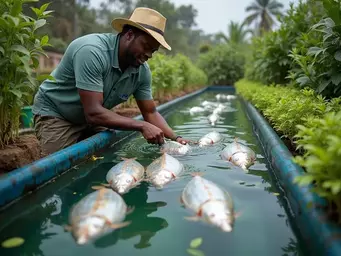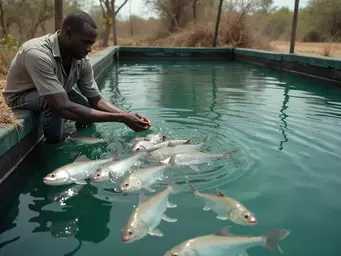
Tilapia Breeding Techniques for Ponds

Posted on: 2025-09-29
By: Yomi Adisa
What if you could transform your approach to aquaculture and empower local farmers at the same time? The techniques discussed here hold the potential to elevate tilapia breeding practices significantly.
What You Will Learn
- Nutritional and Economic Benefits: Tilapia is a rich source of protein and supports local economies by creating jobs.
- Key Breeding Techniques: Techniques such as manual sexing, hybridization, and genetic selection can optimize growth and resilience.
- Importance of Water Quality: Maintaining optimal water quality is essential for the health and successful breeding of tilapia.
- Pond Management Strategies: Factors like pond depth and environmental controls are vital for maximizing breeding success.
- Community Engagement: Connecting with local aquaculture experts and resources can significantly enhance your farming practices.
Key Tilapia Breeding Techniques in African Pond Systems
In African aquaculture, several breeding techniques are crucial for enhancing productivity and sustainability. These methods focus on optimizing growth, disease resistance, and population control, as detailed below. For more insights on sustainable practices, consider reading about sustainable aquaculture practices.
Manual Sexing
Controls population, prevents overcrowding, and improves growth rates by managing male-to-female ratios.
Hybridization Techniques
Crosses different strains for enhanced growth rates and improved disease resistance.
Genetic Selection
Improves traits like growth performance and disease resistance by selecting superior fish.
Sex-Reversal Methods
Uses hormonal treatments to convert females to males, maximizing production efficiency.
Understanding Tilapia Breeding Techniques in African Pond Systems
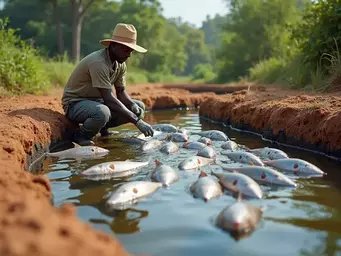
Tilapia farming holds a significant place in the aquaculture landscape of Africa. Not only does it provide a reliable source of nutrition, but it also contributes significantly to the economic stability of many communities. With a growing demand for fish as a protein source, tilapia serves as an affordable option, enhancing food security and empowering local farmers.
As a seasoned aquaculture expert, I've witnessed firsthand how tilapia farming can transform lives. By equipping farmers with the right knowledge, we can foster sustainable practices that promote both health and prosperity in our communities.
Importance of Tilapia in Aquaculture
- Nutritional Benefits: Tilapia is rich in protein and omega-3 fatty acids, making it an excellent dietary choice.
- Economic Contributions: The tilapia industry supports thousands of jobs and stimulates local economies.
- Sustainability: Tilapia farming practices can be managed sustainably, reducing environmental impact.
In my experience, tilapia farming not only addresses nutritional needs but also opens doors for economic opportunities among local farmers. By focusing on sustainable aquaculture practices, we can ensure that the benefits of tilapia reach even more people. Explore more about maximizing aquaculture yields.
Overview of Tilapia Species in African Aquaculture
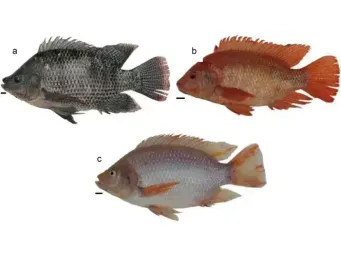
The Nile tilapia (Oreochromis niloticus) is the most widely farmed species across the continent. Its adaptability to various environmental conditions makes it an ideal choice for breeding programs in Africa. Understanding the characteristics of this species is crucial for optimizing breeding efforts and ensuring a healthy tilapia population.
- Rapid Growth Rate: Nile tilapia can reach market size quickly, making them a favorite among farmers.
- Hardiness: This species is resilient in diverse aquatic environments, which suits various African climates.
- Breeding Potential: Nile tilapia have a high reproductive rate, allowing for efficient population management.
In the context of breeding programs, focusing on Nile tilapia can yield substantial returns. With the right techniques, farmers can maximize their output while also contributing to sustainable practices.
Implementing Effective Breeding Techniques
Manual Sexing: Controlling Population Dynamics
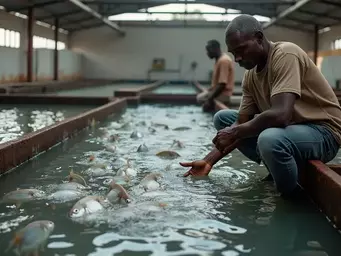
Manual sexing is a technique that allows tilapia farmers to control the population dynamics within their ponds. This method involves identifying and separating male and female fish, which is key to optimizing growth rates and breeding outcomes.
- Population Control: By managing the ratio of males to females, farmers can prevent overcrowding and competition.
- Improved Growth Rates: Males typically grow faster than females, so a higher male ratio can lead to quicker returns.
- Efficient Breeding Management: Targeted breeding can enhance desirable traits in future generations.
By understanding the benefits of manual sexing, farmers can effectively manage their tilapia stocks. This technique not only leads to improved growth but also supports healthier breeding practices.
Hybridization Techniques for Enhanced Growth
Hybridization involves crossing different strains of tilapia to produce offspring with desirable traits, such as faster growth rates and improved disease resistance. This technique can be particularly beneficial in African aquaculture contexts.
- Increased Growth Rates: Hybrid tilapia often grow faster than their parent strains, leading to quicker market readiness.
- Disease Resistance: Hybrids can inherit resilience from both parent strains, reducing the risk of disease outbreaks.
- Adaptability: Hybrid offspring may better withstand varying environmental conditions.
While hybridization shows great promise, it's essential to consider potential drawbacks, such as the need for careful management of breeding stocks. Embracing hybridization can pave the way for innovative solutions in tilapia farming!
Exploring Genetic Selection in Tilapia Breeding
Genetic selection plays a vital role in tilapia breeding, focusing on improving traits such as growth performance and disease resistance. By selecting fish with superior genetics, farmers can enhance their production capabilities.
- Performance Improvements: Selecting for traits like fast growth can lead to more efficient farming operations.
- Disease Resistance: Breeding for resistance helps minimize losses and improve overall farm health.
- Quality Enhancements: Genetic selection can also result in better meat quality and flavor.
By implementing genetic selection strategies, farmers can cultivate tilapia that thrive in their specific environments. This proactive approach not only boosts productivity but also supports sustainable practices in aquaculture.
Utilizing Sex-Reversal Methods in Breeding
Sex-reversal techniques involve hormonal treatments to convert female tilapia into males. This method is beneficial for maximizing production efficiency, as male tilapia generally have better growth rates.
- Hormonal Treatments: Common hormones used include methyltestosterone, which encourages sex reversal.
- Higher Male Ratios: By increasing the number of males, farmers can optimize growth and reduce competition.
- Cost-Effectiveness: This method can be a cost-effective way to manage breeding stock.
With proper application of sex-reversal methods, farmers can significantly enhance their production rates. Understanding these techniques is crucial for anyone looking to succeed in tilapia farming. For more detailed information, visit our Tilapia Breeding Guide.
Optimizing Pond Management for Breeding Success
Pond Setup: Key Factors for Breeding Environments
Creating the right pond environment is essential for successful tilapia breeding. Factors such as pond depth, water quality, and environmental controls play a significant role in supporting fish health and reproduction.
- Pond Depth: Optimal depths range from 1.2 to 1.5 meters, providing stability for the fish.
- Water Quality: Regular monitoring of parameters like pH, temperature, and ammonia levels is crucial.
- Environmental Controls: Implementing shade structures can help regulate temperature and protect fish from stress.
By focusing on these key factors, farmers can create an ideal environment for breeding tilapia, laying the groundwork for a successful aquaculture operation.
Water Quality Management for Healthy Breeding
Maintaining optimal water quality is vital for the health and reproduction of tilapia. Regular testing and management strategies can help ensure a suitable environment.
- pH Levels: Keeping pH between 6.5 and 8.5 is essential for tilapia well-being.
- Temperature Control: Regular monitoring of water temperature helps prevent stress in fish.
- Ammonia Levels: Managing ammonia levels can reduce the risk of disease and improve overall health.
By prioritizing water quality management, farmers can support tilapia health and enhance breeding success. This proactive approach is key to sustainable aquaculture practices!
Best Practices in Broodstock Conditioning
Preparing broodstock for successful spawning involves best practices in feeding and health management. Strong, healthy broodstock are crucial for effective breeding outcomes.
- Nutrition: Providing a balanced diet rich in protein supports reproductive health.
- Health Monitoring: Regular checks for signs of disease help maintain a healthy broodstock.
- Stress Reduction: Minimizing stressors in the environment can lead to more successful spawning.
By following these best practices, farmers can optimize their broodstock for successful spawning and sustainable tilapia farming. Investing in the health of broodstock is investing in the future of your operation.
Challenges and Solutions Unique to African Pond Systems
Addressing Local Challenges in Tilapia Breeding
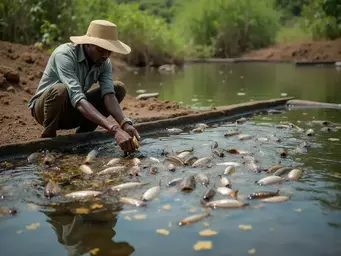
Despite the potential of tilapia farming, there are unique challenges that farmers in Africa face. Limited access to quality fry and environmental stressors can hinder success.
- Access to Fry: Many farmers struggle to find quality tilapia fry for breeding.
- Environmental Stressors: Factors such as temperature fluctuations can impact fish health.
- Limited Resources: Many farmers lack access to technical guidance and resources.
By addressing these local challenges, we can empower farmers to overcome obstacles and achieve success in tilapia breeding. Solutions tailored to the unique circumstances of African pond systems are key! Learn more about common aquaculture diseases.
Case Studies of Successful African Tilapia Farms
Examining real-life examples of tilapia farms in Africa can provide valuable insights into successful breeding techniques. These case studies showcase local adaptations that have led to positive outcomes.
- Farm A: Implemented hybridization techniques to improve growth rates and disease resistance.
- Farm B: Focused on manual sexing to optimize population dynamics and enhance productivity.
- Farm C: Established strong community connections to enhance resources and knowledge sharing.
By learning from these success stories, we can inspire more farmers to adopt effective tilapia breeding techniques tailored to their specific environments.
FAQs About Tilapia Breeding in African Pond Systems
Here are some frequently asked questions about tilapia breeding in African pond systems:
- 1. What are the main benefits of tilapia farming in Africa?
- Tilapia farming provides a reliable source of protein, enhances food security, creates jobs, and contributes significantly to the economic stability of local communities.
- 2. Which tilapia species is most commonly farmed in Africa?
- The Nile tilapia (Oreochromis niloticus) is the most widely farmed species due to its rapid growth rate, hardiness, and high breeding potential.
- 3. What are the key breeding techniques discussed in the article?
- The main techniques include manual sexing for population control, hybridization for enhanced growth and disease resistance, genetic selection for improved traits, and sex-reversal methods to maximize male populations for faster growth.
- 4. Why is water quality important for tilapia breeding?
- Maintaining optimal water quality (pH levels between 6.5 and 8.5, controlled temperature, and low ammonia levels) is crucial for the health, stress reduction, and successful reproduction of tilapia.
- 5. What are some common challenges faced by African tilapia farmers?
- Challenges include limited access to quality fry, environmental stressors like temperature fluctuations, and a lack of technical guidance and resources.
- 6. How can farmers learn more about advanced tilapia breeding techniques?
- Farmers can connect with local aquaculture experts, attend workshops, utilize instructional videos and diagrams, and explore online resources for continuous learning and support.
Engaging with the Community and Resources
Connecting with Local Aquaculture Experts
Building connections within the aquaculture community is vital for tilapia farmers. Access to local expertise and resources can provide invaluable support throughout the farming process.
- Networking Opportunities: Engaging with local experts can help farmers learn best practices.
- Resource Sharing: Collaborating with others fosters a supportive environment for knowledge exchange.
- Training Programs: Participating in training can enhance skills and technical know-how.
By connecting with local aquaculture experts, farmers can enhance their practices and contribute to the growth of sustainable tilapia farming in Africa.
Utilizing Multimedia for Enhanced Learning
Incorporating multimedia resources can significantly enhance the learning experience for tilapia farmers. Visual aids such as videos and diagrams can clarify breeding techniques and best practices.
- Instructional Videos: Demonstrations can provide step-by-step guidance on complex techniques.
- Diagrams: Visual representations of pond setups and breeding processes can enhance understanding.
- Online Resources: Websites and webinars can offer ongoing education and support.
Utilizing multimedia resources not only makes learning more accessible but also empowers farmers to implement effective techniques confidently. For more educational content, check out our Tilapia Farming Tips blog.
Understanding Tilapia Farming Systems and Their Impact
Exploring the various tilapia farming systems and their impacts on local communities reveals the potential for economic and environmental benefits. By adopting sustainable practices, we can foster a thriving aquaculture sector that contributes positively to food security and community well-being.
Pro Tip
To maximize your tilapia farming success, consider implementing a combination of breeding techniques. For instance, utilizing both hybridization and genetic selection can lead to fish that not only grow faster but are also more resilient to diseases. This dual approach not only enhances productivity but also contributes to sustainable aquaculture practices.
Summarizing the Best Breeding Techniques for Tilapia in African Pond Systems
As we've discussed, tilapia breeding techniques are crucial for enhancing productivity in African aquaculture. Let's recap the main techniques that have proven effective:
- Manual Sexing: This technique allows farmers to control population dynamics by selectively breeding male tilapia, which grow faster and have better feed conversion ratios.
- Hybridization: By crossing different tilapia species, farmers can achieve enhanced growth rates and improved resilience to environmental stresses.
- Genetic Selection: Focusing on selecting the best-performing fish can lead to strains that exhibit better growth performance and resistance to diseases.
- Sex-Reversal Methods: Utilizing hormonal treatments can effectively shift the sex ratio, promoting a predominance of males in the population for faster growth.
These strategies not only improve fish production but also contribute to the sustainability of tilapia farming in Africa. By mastering these techniques, farmers can ensure a steady supply of fish that meets the growing demand.
Encouraging Action and Continuous Learning
I invite you to explore these breeding techniques further and consider how they can be integrated into your tilapia farming practices. At Tilapia Farming Solutions, we are passionate about empowering farmers with the knowledge they need to succeed. Connecting with local resources, attending workshops, and engaging with fellow aquaculture enthusiasts can greatly enhance your understanding and application of these methods.
Remember, the journey in aquaculture is ongoing. Continuous learning and adaptation are key to overcoming challenges and enhancing production. Don’t hesitate to reach out for support or share your experiences in tilapia farming!
Recap of Key Points
Here is a quick recap of the important points discussed in the article:
- Nutritional and Economic Importance: Tilapia is a valuable source of protein and contributes significantly to local economies.
- Breeding Techniques: Effective methods include manual sexing, hybridization, genetic selection, and sex-reversal techniques to enhance growth and sustainability.
- Pond Management: Key factors include optimal pond depth, water quality management, and proper broodstock conditioning for successful breeding.
- Local Challenges: Farmers face issues such as limited access to quality fry and environmental stressors, which need to be addressed for successful tilapia farming.
- Community Engagement: Connecting with local experts and utilizing multimedia resources can enhance learning and improve farming practices.


Yomi Adisa Lead Researcher
Yomi Adisa is the lead researcher at Fish Farming Business, where he studies what makes aquaculture ventures profitable across Africa. His research focuses on market patterns, buyer preferences, and the business decisions that determine success or failure in fish farming.