Pond Drainage and Harvesting Systems for Tilapia Farming: Practical Guide to Efficient Water Management and Fish Harvest
Posted on: 2025-10-26
By: Yomi Adisa
Pond Drainage and Harvesting Systems for Tilapia Farming: Practical Guide to Efficient Water Management and Fish Harvest
Picture this: You've spent months nurturing your tilapia from fingerlings to market size, feeding them twice daily, monitoring water quality, and watching them grow. Now comes harvest time, but your pond lacks proper drainage. You're forced to use buckets and nets, losing valuable fish in the mud, stressing the survivors, and spending days on what should be a straightforward process. Meanwhile, your neighbour with a well-designed drainage system harvests 500kg of healthy tilapia in just two hours, with minimal stress to the fish and maximum efficiency.
📑 Table of Contents
This scenario plays out across tilapia farms from Lagos to Kampala, where inadequate pond design and harvesting systems cost farmers time, money, and fish quality. Proper pond design and harvesting systems aren't luxury additions—they're fundamental infrastructure that determines whether your tilapia farming venture thrives or merely survives. Without efficient water management, you'll struggle with disease outbreaks, poor growth rates, and harvesting nightmares that reduce your fish quality and profitability.
This comprehensive guide provides you with complete technical knowledge for designing, implementing, and managing efficient pond drainage and harvesting systems specifically for tilapia farming. You'll learn exact specifications for pond construction, step-by-step processes for water management, and proven harvesting techniques that maximise your yield whilst maintaining fish quality. Whether you're planning your first pond in Accra or upgrading an existing facility in Nairobi, this knowledge will transform how you approach water management and fish harvesting, leading to higher survival rates, better fish quality, and significantly reduced labour costs during harvest.
🎯 What You'll Learn
- Learn how to design and implement an efficient pond drainage system to maximise fish collection and minimise harvest stress
- Master the step-by-step process for maintaining optimal water quality to enhance tilapia growth and reduce mortality rates
- Discover effective harvesting techniques that optimise yield whilst ensuring high fish quality and survival during transport
Understanding Pond Design for Tilapia Farming
Effective pond design forms the foundation of successful tilapia farming, with drainage and harvesting capabilities built into the structure from the beginning rather than added as afterthoughts. Your pond's shape, depth, and drainage infrastructure directly impact water quality management, feeding efficiency, and harvest success. A well-designed pond allows you to drain completely within 2-4 hours, concentrate fish in designated areas for easy collection, and maintain optimal growing conditions throughout the production cycle.
Pond Shape and Depth Requirements
Rectangular ponds offer the most practical advantages for tilapia farming, providing uniform water circulation, efficient feeding patterns, and straightforward harvesting procedures. Design your rectangular ponds with a length-to-width ratio of 3:1 or 4:1—for example, a 60m × 15m pond or 40m × 10m pond. This ratio ensures proper water flow from inlet to outlet whilst minimising dead zones where waste accumulates and oxygen levels drop.
Maintain pond depths between 1.2 and 1.5 metres throughout most of the pond area. This depth range supports optimal tilapia growth by providing adequate water volume for temperature stability whilst remaining shallow enough for efficient management and harvesting. A farmer in Kisumu operates 80m² ponds at 1.3m depth, stocking 120 Nile tilapia fingerlings per square metre, and consistently achieves 85% survival rates with average harvest weights of 320g after seven months.
Create a gentle bottom slope of 1-2% from the shallow end towards the drainage point. This seemingly small detail makes an enormous difference during harvest—proper sloping allows complete water drainage and concentrates fish in the deepest section for easy collection. Mark the slope during excavation using string lines and a spirit level, ensuring the gradient runs consistently from inlet to outlet without creating low spots where water pools.
| Pond Type | Advantages | Disadvantages | Cost |
|---|---|---|---|
| Earthen Pond | Natural habitat, inexpensive | May have water quality issues | Low |
| Concrete Pond | Durable, easier to manage water quality | Higher initial cost | Moderate |
| Lined Pond | Reduces seepage, maintains water quality | Requires significant investment | High |
Independent Pond Drainage Systems
Design each pond with its own independent drainage system to maintain biosecurity and provide operational flexibility. Install a bottom drain at the deepest point of each pond, typically consisting of a 150-200mm PVC pipe with a removable standpipe or gate valve system. The drainage pipe should extend through the pond wall below the normal water level, allowing complete pond evacuation when needed.
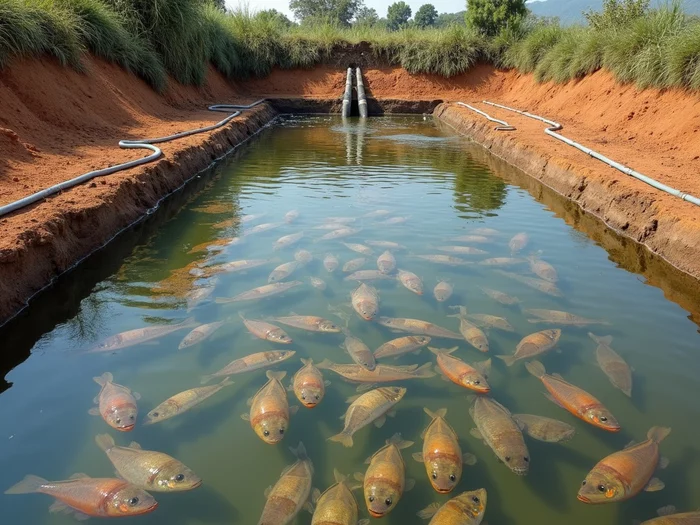
Position your main drainage outlet 20-30cm below the pond bottom to ensure complete water removal. A tilapia farmer in Kumasi uses 200mm PVC pipes with adjustable standpipes in his six-pond system, allowing him to drain individual ponds for maintenance whilst keeping others operational. This independence proves crucial during disease outbreaks or when conducting partial harvests.
Install a secondary overflow system 10-15cm below the desired maximum water level to prevent accidental pond overflow during heavy rains. Use 100-150mm PVC pipes for overflow drains, positioning them to discharge into drainage channels that carry water away from your pond area. Monitor drainage efficiency weekly by timing how long complete pond evacuation takes—properly designed systems should empty a 1.3m deep pond within 3-4 hours.
Creating Harvesting Sumps
Construct harvesting sumps at the deepest point of each pond to concentrate fish during drainage and harvesting operations. Design these sumps as rectangular depressions measuring 3m × 2m × 0.5m deeper than the surrounding pond bottom. For a standard 1.3m deep pond, your harvesting sump should reach 1.8m total depth, creating a natural collection point as water levels drop.
Position the harvesting sump directly adjacent to your bottom drain outlet, allowing fish to concentrate in this area as water evacuates. Line the sump walls with smooth concrete or plastic sheeting to prevent fish injury during the concentration process. A commercial tilapia operation in Mwanza constructs sumps measuring 4m × 3m × 0.6m deep for their 200m² ponds, successfully concentrating up to 800kg of market-size tilapia during harvest.
Install removable screens or nets across the sump entrance to prevent fish from swimming back into the main pond area during harvesting. Use 10-15mm mesh screens that allow water flow whilst containing fish within the sump area. These screens prove particularly valuable when conducting partial harvests, allowing you to select fish by size whilst returning smaller individuals to the main pond for continued growth.
Effective Water Quality and Waste Management in Tilapia Ponds
Water quality management and waste removal systems work hand-in-hand with drainage infrastructure to maintain optimal growing conditions for your tilapia throughout the production cycle. Poor water quality reduces growth rates, increases disease susceptibility, and can cause significant mortality, whilst effective waste management systems prevent the accumulation of harmful compounds and maintain the biological balance essential for healthy fish production. Understanding these interconnected systems allows you to maximise your pond's carrying capacity whilst minimising environmental impact.
Key Water Quality Parameters
Monitor pH levels daily, maintaining them between 6.5 and 8.5 for optimal tilapia growth and reproduction. Test pH using either digital metres (costing 15,000-25,000 naira in Lagos) or colour-change test kits (available for 3,000-5,000 shillings in Nairobi). Record readings each morning before feeding, as pH naturally fluctuates throughout the day due to photosynthesis and respiration cycles. If pH drops below 6.5, add agricultural lime at 50-100g per cubic metre of water; if it rises above 8.5, increase aeration and reduce feeding temporarily.
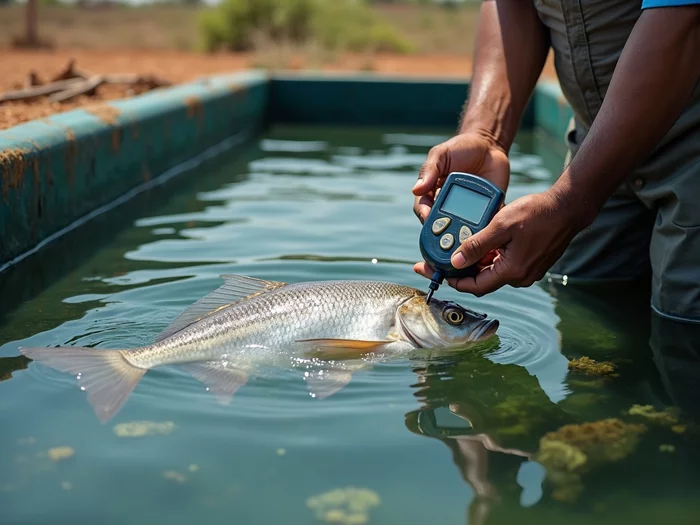
Maintain dissolved oxygen levels above 5mg/L throughout the pond, with optimal levels between 6-8mg/L for maximum growth rates. Use a digital dissolved oxygen metre (costing 40,000-60,000 shillings in Kampala) for accurate measurements, testing at dawn when oxygen levels reach their daily minimum. Install paddle wheel aerators or venturi systems if oxygen consistently drops below 4mg/L—a clear sign that your stocking density exceeds your pond's natural oxygen production capacity.
Keep water temperature within the 26-30°C range that supports optimal tilapia metabolism and growth. Temperatures below 20°C significantly slow growth rates, whilst temperatures above 35°C stress fish and reduce oxygen solubility. In cooler highland areas like parts of Kenya and Ethiopia, consider greenhouse coverings or deeper ponds that retain heat more effectively. A farmer in Eldoret uses 2m deep ponds with clear plastic covers, maintaining 28°C water temperature even when air temperatures drop to 15°C at night.
Control ammonia levels below 0.5ppm and nitrite levels below 0.1ppm through proper feeding management and adequate biological filtration. Test these parameters weekly using commercial test kits, increasing testing frequency if fish show signs of stress such as gasping at the surface or reduced feeding activity. High ammonia typically indicates overfeeding or inadequate biological filtration, whilst elevated nitrite suggests insufficient beneficial bacteria populations in your biofilter system.
| Parameter | Optimal Range | Measurement Method | Action if Outside Range |
|---|---|---|---|
| pH | 6.5-8.5 | Digital metre or test kit | Add lime or aerate as needed |
| Dissolved Oxygen | >5 mg/L | Digital metre | Install aeration if below threshold |
| Temperature | 26-30°C | Thermometer | Use greenhouse coverings for low temperatures |
| Ammonia | <0.5 ppm | Test kit | Adjust feeding and aeration |
Filtration Systems for Pond Maintenance
Implement biological filtration systems that convert harmful waste compounds into less toxic forms through beneficial bacteria populations. Construct biofilter chambers using 200L plastic drums filled with plastic bio-media, volcanic rock, or specially designed filter materials. Size your biofilter to process 10-15% of your total pond volume per hour—for a 100m³ pond, your biofilter should handle 10-15m³ hourly flow rates.
Install mechanical filtration to remove solid waste particles before they decompose and create water quality problems. Use settling tanks, swirl separators, or drum filters depending on your system size and budget. A settling tank measuring 2m × 1m × 1m effectively removes solids from a 50m³ tilapia pond, requiring cleaning every 2-3 weeks during peak production periods.
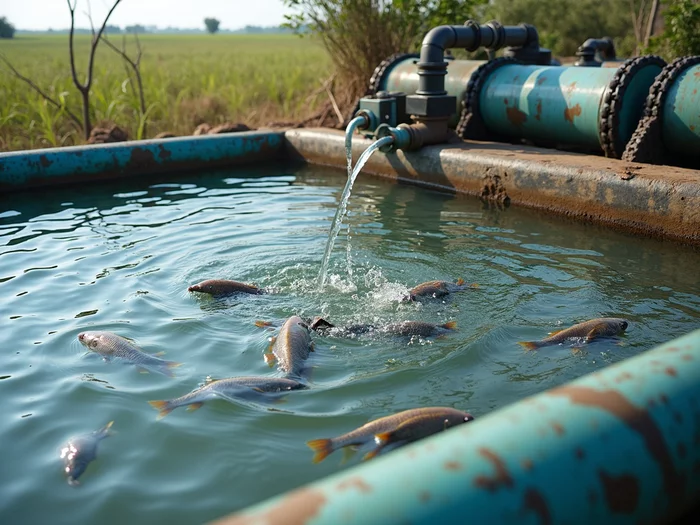
Position filtration systems to create continuous water circulation through your pond system. Water should flow from the pond through mechanical filtration (removing solids), then through biological filtration (processing dissolved wastes), before returning to the pond. This circulation pattern prevents dead zones and ensures consistent water quality throughout the pond volume. A tilapia farmer in Ibadan uses a pump system circulating 8m³ per hour through his filtration setup, maintaining excellent water quality in his 80m³ production pond.
Maintain filtration media through regular cleaning and replacement schedules. Clean mechanical filter media weekly, backwashing drum filters or removing accumulated solids from settling tanks. Service biological filter media monthly by gently rinsing with pond water (never tap water, which contains chlorine that kills beneficial bacteria). Replace 25% of biological media every six months to maintain optimal bacterial populations and filtration efficiency.
Strategies for Reducing Toxins
Manage ammonia levels through proper feeding practices and adequate aeration systems. Feed only what your tilapia can consume within 15-20 minutes, removing uneaten feed to prevent decomposition and ammonia production. Divide daily feeding into 2-3 smaller meals rather than one large feeding, allowing fish to utilise nutrients more efficiently and reducing waste production. A commercial operation in Tema feeds their tilapia 3.5% of body weight daily, split into morning (40%), midday (35%), and evening (25%) portions, maintaining ammonia levels consistently below 0.3ppm.
Install adequate aeration systems to maintain oxygen levels and promote beneficial bacteria growth that processes toxic compounds. Use paddle wheel aerators, venturi systems, or air stones depending on your pond size and power availability. Calculate 1-2 watts of aeration power per cubic metre of pond volume for intensive tilapia production. Solar-powered aeration systems work well in areas with unreliable electricity, with 200-watt solar aerator systems available for 150,000-200,000 naira in Nigerian markets.
Implement regular water exchange schedules to dilute accumulated toxins and maintain optimal water chemistry. Exchange 10-15% of pond volume weekly during normal production periods, increasing to 20-25% daily if water quality parameters deteriorate. Time water exchanges for early morning hours when fish are less active and stressed. Ensure replacement water temperature matches pond temperature within 2-3°C to avoid shocking your tilapia.
Use organic treatments such as beneficial bacteria supplements and natural enzymes to enhance your pond's biological waste processing capacity. Add commercial probiotic bacteria monthly at recommended dosages, typically 10-20g per 1,000L of pond volume. These beneficial bacteria establish colonies that outcompete harmful bacteria whilst processing organic waste more efficiently than natural populations alone.
| Feeding Strategy | Description | Recommended Frequency | Potential Impact |
|---|---|---|---|
| Single Large Feeding | Feed all at once | Once daily | Can lead to waste and ammonia spikes |
| Multiple Small Feedings | Divide daily feed into 2-3 meals | 2-3 times daily | Reduces waste and improves growth |
| Controlled Feeding | Use automatic feeders | As needed | Ensures precise feeding and reduces overfeeding |
Types of Waste Management Systems
Develop manual waste management systems for smaller operations using simple but effective techniques. Install bottom drains with collection sumps that concentrate solid waste for easy removal using pumps or siphon systems. Clean these sumps weekly, removing accumulated sludge before it decomposes and creates water quality problems. A small-scale farmer in Mombasa uses a 50mm siphon tube to remove waste from his pond sumps, processing six 40m² ponds in less than two hours weekly.
Consider automated waste management systems for larger operations where labour costs justify the investment. Install automatic feeders that prevent overfeeding, timer-controlled water exchange systems that maintain optimal water quality, and automated sludge removal systems that operate continuously. These systems require higher initial investment but reduce labour costs and improve consistency in waste management practices.
Implement solid waste separation systems that capture and remove fish waste before it decomposes in the pond environment. Use settling tanks, clarifiers, or specialised aquaculture filters that separate solid waste from water before returning clean water to the pond. Size these systems to handle peak waste production periods, typically occurring 2-4 hours after feeding when fish excrete the majority of undigested material.
Compost collected fish waste and organic matter to create valuable fertiliser for crop production or pond fertilisation. Mix fish waste with carbon-rich materials such as rice husks, maize stalks, or dried grass in 1:3 ratios. Turn compost piles weekly and maintain moisture levels around 60% for optimal decomposition. Finished compost, ready after 8-12 weeks, contains excellent nutrient profiles for vegetable production, creating additional income streams from your tilapia farming operation.
Harvesting Techniques for Tilapia
Harvesting represents the culmination of your tilapia production cycle, where proper techniques determine fish quality, survival rates during transport, and ultimately your profitability. Efficient harvesting systems reduce stress on fish, minimise handling damage, and allow you to process large quantities quickly during optimal market conditions. The choice between manual and automated systems depends on your production scale, available labour, and budget constraints, but regardless of the method chosen, systematic approaches yield consistently better results than improvised harvesting techniques.
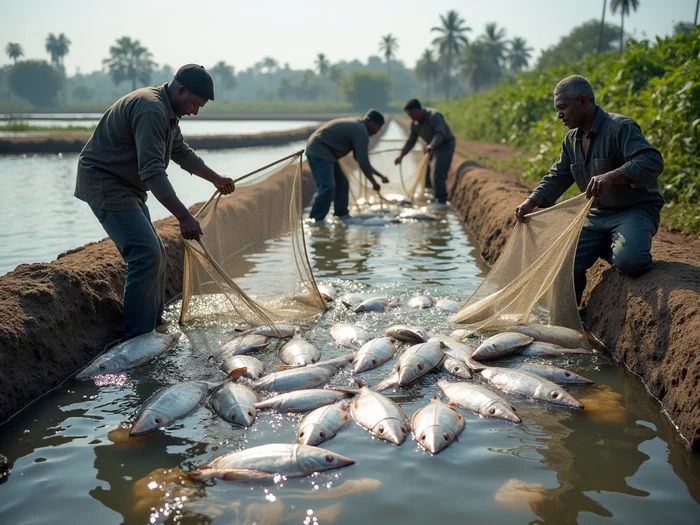
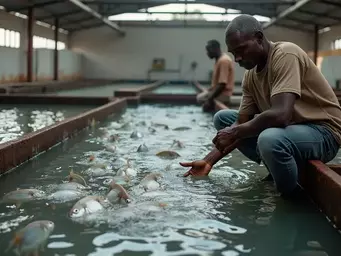
Manual harvesting systems rely on human labour and simple equipment, making them accessible for small to medium-scale operations whilst providing complete control over fish handling and selection. Use seine nets, cast nets, and dip nets in combination with pond draining to concentrate and capture tilapia efficiently. A typical manual harvest of a 100m² pond stocked with 300kg of tilapia requires 3-4 workers and takes 4-6 hours from start to finish, including pond draining, fish collection, sorting, and initial processing.
Equip your manual harvesting team with proper nets: seine nets measuring 20-30m long with 15-20mm mesh for initial fish concentration, smaller seine nets (8-10m) for working in harvesting sumps, and dip nets with 25-30cm diameter openings for individual fish handling. Purchase quality nets with reinforced edges and proper floatation—good nets cost 8,000-12,000 shillings in Kampala but last 2-3 years with proper care, whilst cheap nets tear frequently and stress fish during capture.
Automated harvesting systems use pumps, fish pumps, and mechanical handling equipment to move large volumes of fish with minimal human labour. These systems work particularly well for operations harvesting more than 1,000kg of fish per cycle, where labour costs and time savings justify the equipment investment. A fish pump system capable of handling 500kg of tilapia per hour costs 2-3 million naira in Lagos but reduces harvesting time from days to hours for large commercial operations.
Consider hybrid approaches that combine manual techniques with labour-saving equipment. Use electric pumps to drain ponds quickly, mechanical fish graders to sort by size automatically, and small fish pumps to transfer fish from harvesting sumps to holding tanks. A farmer in Kisii uses a 2-horsepower water pump for pond draining and a small fish pump for transferring concentrated fish, reducing his harvesting time by 60% compared to purely manual methods.
Step-by-Step Harvesting Process
Begin harvesting preparations 24-48 hours before the planned harvest date by stopping feeding to allow fish to empty their digestive systems, reducing waste production during transport and improving flesh quality. Check weather forecasts and plan harvesting for cooler morning hours when fish experience less temperature stress. Prepare all harvesting equipment, cleaning and inspecting nets, pumps, and containers to ensure everything functions properly when needed.
Start the harvesting process by partially draining the pond to concentrate fish whilst maintaining adequate water depth for fish survival. Reduce water levels by 30-40% initially, allowing fish to adapt gradually to increased density. Monitor fish behaviour closely—if fish show signs of severe stress (gasping, erratic swimming), slow the draining process or add temporary aeration to maintain oxygen levels.
Continue draining the pond systematically, guiding fish towards the harvesting sump using seine nets or temporary barriers. As water levels drop to 30-40cm depth, fish naturally concentrate in the deepest areas, making capture more efficient. Work methodically from the shallow end towards the harvesting sump, using nets to prevent fish from dispersing back into areas already cleared.
Complete the harvest by working in the concentrated fish population within the harvesting sump. Use appropriate nets for the fish size and density, avoiding overcrowding in nets that can cause injury or mortality. Sort fish by size during collection if market requirements demand specific grades, handling fish gently to maintain quality. A commercial operation in Tamale processes 800kg of tilapia in 3 hours using this systematic approach, achieving 98% survival rates during harvesting.
| Harvesting Method | Description | Pros | Cons |
|---|---|---|---|
| Manual Harvesting | Use of nets and human labour | Allows for careful handling | Time-consuming |
| Automated Harvesting | Use of pumps and mechanical equipment | Fast and efficient for large volumes | High initial investment |
| Hybrid Approach | Combination of manual and automated | Balances efficiency and control | Requires training and coordination |
Post-Harvest Pond Drying Techniques
Drain ponds completely after fish removal to eliminate all water and expose the pond bottom to air and sunlight. Complete drainage prevents survival of unwanted fry or juvenile fish that could interfere with the next production cycle. Use pumps or siphon systems to remove the final 5-10cm of water that typically remains in pond depressions, ensuring no standing water remains anywhere in the system.
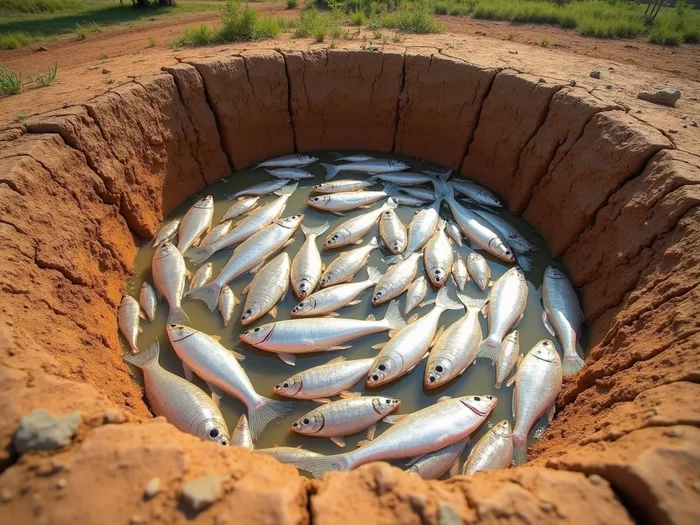
Expose pond bottoms to direct sunlight for 7-14 days, depending on weather conditions and soil type. This drying period serves multiple purposes: eliminating disease organisms, oxidising accumulated organic matter, and preventing carryover of unwanted fish populations. During dry season conditions, 7 days of exposure typically suffices, whilst during rainy periods, extend drying time to 14 days or use temporary covers to protect from rainfall.
Remove accumulated sludge and organic matter from pond bottoms during the drying period. Scrape or shovel out thick sludge deposits, particularly from feeding areas and corners where waste accumulates. This material makes excellent compost when mixed with organic matter, but removing it from the pond prevents anaerobic decomposition that creates toxic conditions in subsequent production cycles. A farmer in Eldoret removes 2-3 wheelbarrow loads of sludge from each 60m² pond between production cycles.
Inspect and repair pond infrastructure during the drying period, checking for damage to walls, drains, or aeration systems. Fill any cracks or holes that could harbour predators or create water leaks, and test all drainage systems to ensure proper function before refilling. This maintenance period proves crucial for long-term pond performance and prevents problems that could affect the next production cycle.
Sustainable Practices in Tilapia Farming
Sustainable tilapia farming practices integrate environmental responsibility with economic viability, ensuring your operation remains productive long-term whilst minimising negative impacts on surrounding ecosystems. These practices often reduce operational costs through improved efficiency, waste reduction, and resource conservation. Modern sustainable approaches also position your farm favourably for certification programmes and premium markets that increasingly demand environmentally responsible production methods.
Water Recycling Techniques
Implement recirculating aquaculture systems (RAS) that treat and reuse water continuously, reducing freshwater requirements by 90-95% compared to traditional flow-through systems. Design your RAS with mechanical filtration, biological filtration, and disinfection components that maintain water quality whilst allowing continuous reuse. A 100m³ RAS system requires only 2-5% daily water exchange compared to 50-100% in traditional pond systems, dramatically reducing water consumption and discharge.
Construct settling ponds that capture and treat effluent water before discharge or reuse. Design settling ponds at 10-15% of your production pond volume, allowing 24-48 hours retention time for solid waste settlement and biological processing. A tilapia farmer in Nakuru uses a 15m² settling pond for his 100m² production system, reducing suspended solids by 80% and nutrients by 60% before water discharge.
Install constructed wetland systems that naturally treat pond effluent through plant uptake and microbial processes. Plant wetland areas with water hyacinth, cattails, or other aquatic plants that absorb nutrients whilst providing additional income through plant sales or animal feed production. Size wetland treatment areas at 20-30% of your production pond surface area for effective nutrient removal.
Develop integrated aquaculture systems that use tilapia pond water to irrigate crop production, creating closed-loop systems that eliminate waste discharge. The nutrient-rich pond water provides excellent fertilisation for vegetables, rice, or fodder crops, whilst plants filter water before it returns to fish ponds. A farmer in Tamale grows tomatoes and lettuce using tilapia pond water, increasing total farm income by 40% whilst eliminating water discharge.
Environmental Considerations
Select appropriate tilapia species that match local environmental conditions and pose minimal risk to native fish populations. Use Nile tilapia in areas where they occur naturally, and avoid introducing non-native species that could escape and establish wild populations. Implement proper containment systems including screens, barriers, and secure pond construction that prevents fish escapes during floods or equipment failures.
Manage feed inputs to minimise nutrient loading and environmental impact through precise feeding strategies and high-quality feeds. Use feeds with high digestibility (85-90%) and appropriate protein levels for your fish size, avoiding overfeeding that leads to waste production and water pollution. Calculate feed conversion ratios monthly—efficient operations achieve 1.3-1.6 kg feed per kg fish produced, indicating good feed utilisation and minimal waste.
Source fingerlings from certified hatcheries that practise responsible breeding programmes and maintain genetic diversity. Avoid using wild-caught fingerlings that may carry diseases or parasites, and ensure your breeding stock comes from reputable suppliers who follow biosecurity protocols. Maintain detailed records of fingerling sources, growth performance, and health status to support traceability requirements for sustainable certification programmes.
Implement integrated pest management strategies that reduce reliance on chemical treatments whilst maintaining fish health. Use biological controls such as beneficial bacteria, natural predators for pest species, and plant-based treatments when possible. Monitor water quality parameters regularly to prevent conditions that favour disease outbreaks, reducing the need for therapeutic interventions that could impact the environment.
Conclusion
Proper pond drainage and harvesting systems form the backbone of efficient tilapia farming operations. By designing rectangular ponds with 1-2% bottom slopes, independent drainage systems, and dedicated harvesting sumps, you create the infrastructure needed for successful fish production and stress-free harvests. Remember that good pond design pays dividends throughout every production cycle—from easier daily management to faster, more complete harvests that preserve fish quality and maximise your returns.
Start with the fundamentals: ensure your ponds can drain completely within 3-4 hours, install proper bottom drains at the deepest points, and create harvesting sumps that concentrate fish effectively. These design elements might seem like additional work during construction, but they'll save you countless hours and reduce fish losses during every harvest. Water quality management becomes much easier when you can drain, clean, and dry your ponds properly between production cycles.
Master these drainage and harvesting techniques systematically—each harvest teaches you something new about timing, fish handling, and system efficiency. You now have the technical knowledge to build and operate professional-standard tilapia farming infrastructure, whether you're starting with a single pond in your backyard or planning a commercial operation. As your confidence grows with pond management, turn your attention to developing consistent feeding programmes and disease prevention strategies. These elements work together with proper drainage and harvesting systems to create a complete tilapia farming operation that delivers reliable profits season after season.
Frequently Asked Questions
What's the ideal pond shape and depth for efficient tilapia farming and harvesting?
Rectangular ponds with a length-to-width ratio of 3:1 or 4:1 are most practical, offering uniform water circulation. Maintain pond depths between 1.2 and 1.5 metres, with a gentle bottom slope of 1-2% towards the drainage point, allowing for complete drainage and fish concentration.
How can I ensure my pond drains completely and efficiently during harvest?
Design each pond with an independent bottom drain, typically a 150-200mm PVC pipe with a standpipe, positioned 20-30cm below the pond bottom. Additionally, ensure your pond has a gentle 1-2% slope towards the drain, which helps concentrate fish and removes all water within 3-4 hours.
Why is it important to construct a harvesting sump in my tilapia pond?
Harvesting sumps are crucial for concentrating fish during drainage, making collection far more efficient and reducing stress on the fish. These deeper, rectangular depressions (e.g., 3m x 2m x 0.5m deeper than the pond bottom) are positioned next to the bottom drain, allowing for easier capture and sorting.
When should I stop feeding my tilapia before a planned harvest?
You should stop feeding your tilapia 24-48 hours before the planned harvest date. This allows the fish to empty their digestive systems, which reduces waste production during transport and significantly improves the flesh quality of the harvested fish.
Can I use collected fish waste from my pond for other purposes?
Yes, you absolutely can! Collected fish waste and organic matter from pond bottoms between cycles make excellent compost when mixed with carbon-rich materials like rice husks or maize stalks. This finished compost, ready after 8-12 weeks, provides valuable fertiliser for crops, creating an additional income stream for your farm.


Yomi Adisa Lead Researcher
Yomi Adisa is the lead researcher at Fish Farming Business, where he studies what makes aquaculture ventures profitable across Africa. His research focuses on market patterns, buyer preferences, and the business decisions that determine success or failure in fish farming.