Site Selection for Tilapia Ponds: Choosing the Best Water Source and Soil
Posted on: 2025-11-02
By: Yomi Adisa
Site Selection for Tilapia Ponds: Choosing the Best Water Source and Soil
Picture this: You've saved enough to start your tilapia farming venture, fingerlings are ready for collection, and you're eager to begin construction. But as you stand on your chosen plot of land, doubts creep in. Will this sandy soil hold water? Is that seasonal stream reliable enough? Your neighbour's pond failed last year – was it poor site selection that doomed his investment?
📑 Table of Contents
These concerns aren't unfounded. Site selection forms the foundation of successful tilapia farming, yet it's where many African farmers make costly mistakes that haunt their operations for years. The wrong location can mean constantly battling water shortages, dealing with structural failures, or watching your fish struggle in poor conditions despite excellent management practices. Meanwhile, farmers who choose their sites wisely enjoy faster growth rates, higher survival rates, and predictable harvests that make farming profitable and sustainable.
Proper site selection isn't just about finding available land – it's about creating optimal conditions for tilapia growth, ensuring sustainable water supply, and positioning your farm for long-term success. Get this right from the start, and you'll spend your time managing healthy, growing fish rather than fighting environmental problems that could have been avoided. This comprehensive guide provides you with complete technical knowledge for evaluating water sources, assessing soil suitability, and understanding the environmental factors that determine whether your tilapia farm thrives or struggles.
🎯 What You'll Learn
- Understand how to evaluate soil types and their water retention capabilities to ensure successful pond construction
- Discover the critical water quality parameters you must monitor to maintain optimal conditions for tilapia growth
- Learn effective site selection strategies to avoid common pitfalls that can jeopardise your tilapia farming operation
Understanding Tilapia Farming Needs
Before you break ground on any pond construction, you must understand what tilapia truly need to flourish. Site selection directly impacts every aspect of your fish's health, from their daily growth rate to their ability to resist disease. The location you choose creates the foundation for water quality management, feeding efficiency, and harvest success.
Importance of Site Selection
Your site selection decision influences fish health more than any other single factor in tilapia farming. A well-chosen site naturally maintains stable water temperatures between 26-30°C, provides reliable water exchange, and offers protection from extreme weather events that can stress your fish. Poor site selection, conversely, creates ongoing challenges that no amount of management skill can fully overcome.
Consider a farmer in Kakamega who built ponds in a low-lying area prone to flooding. During the rainy season, contaminated runoff repeatedly entered his ponds, introducing diseases and disrupting water chemistry. Despite excellent feeding practices and quality fingerlings, his fish suffered recurring mortality events. Meanwhile, his neighbour on slightly higher ground with proper drainage achieved 85% survival rates using identical management practices.
The concept of ecological balance in aquaculture means creating an environment where beneficial bacteria thrive, waste products are naturally processed, and fish stress remains minimal. Your site choice either supports this balance or constantly undermines it. Sites with good water flow, appropriate depth, and stable soil conditions naturally maintain healthier microbial communities that keep your tilapia robust.
Tilapia Species Overview
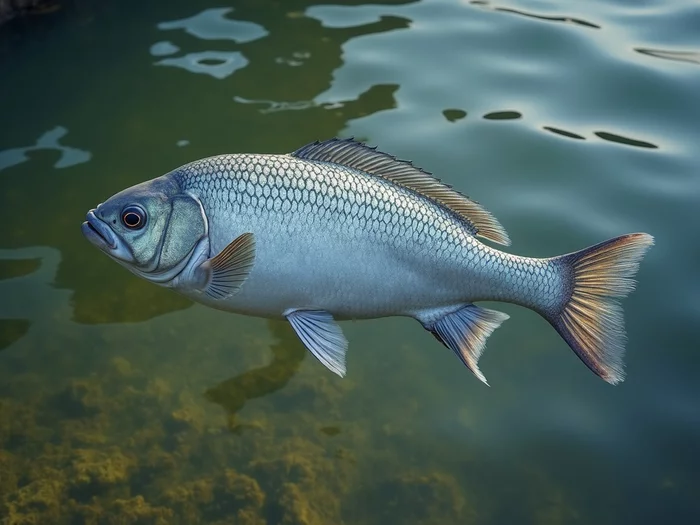
Different tilapia species have varying environmental requirements that influence your site selection criteria. Nile tilapia (Oreochromis niloticus), dominant across East Africa, tolerates a wider range of water conditions but performs best in well-oxygenated water with pH between 6.5-8.5. Blue tilapia (Oreochromis aureus), common in West African systems, shows greater tolerance for cooler temperatures and slightly more alkaline conditions.
Mozambique tilapia (Oreochromis mossambicus) adapts well to brackish water conditions, making it suitable for coastal areas where freshwater sources may have higher salinity levels. If you're planning polyculture systems combining tilapia with catfish or other species, your site must accommodate the most demanding species' requirements. Understanding your chosen species' specific needs helps you evaluate whether potential sites can naturally provide optimal conditions or will require expensive modifications.
| Species | Optimal Temperature Range (°C) | pH Range | Salinity Tolerance |
|---|---|---|---|
| Nile Tilapia (Oreochromis niloticus) | 25-30 | 6.5-8.5 | 0-15 ppt |
| Blue Tilapia (Oreochromis aureus) | 20-30 | 7.0-8.5 | 0-10 ppt |
| Mozambique Tilapia (Oreochromis mossambicus) | 22-32 | 6.0-8.0 | 0-20 ppt |
Water Management for Tilapia Farming
Water represents the most critical element in site selection, as it determines both the immediate viability of your operation and its long-term sustainability. Your water source must provide adequate quantity, acceptable quality, and reliable availability throughout the year. Understanding different water sources and their characteristics helps you make informed decisions about site suitability.
Types of Water Sources
Borehole water offers the most reliable supply but requires careful quality assessment before use. Many boreholes in Nigeria's Middle Belt region produce water with high iron content that requires aeration before fish stocking. Test your borehole water for pH, dissolved minerals, and temperature stability. Borehole water typically maintains consistent temperature year-round, which benefits tilapia growth but may require heating during cooler months in highland areas.
River water provides excellent natural conditions for tilapia when sourced from clean, flowing streams. Rivers naturally maintain good oxygen levels and moderate temperatures, but you must consider seasonal flow variations and upstream contamination risks. A farmer in Kisii successfully uses river water diverted through settling ponds that remove suspended particles before entering fish ponds. This approach maintains water quality whilst ensuring adequate flow rates.
Lake water can be excellent for tilapia farming, particularly from larger lakes with stable ecosystems. However, avoid shallow lakes prone to algal blooms or areas receiving agricultural runoff. Lake water from deeper sources typically maintains more stable temperature and chemistry profiles. Consider seasonal changes in lake levels that might affect your water intake systems.
Rainwater harvesting works well as a supplementary source but rarely provides sufficient volume as a primary supply. Combine rainwater collection with other sources to reduce dependency on single water supplies. Many successful farmers in Tanzania use rainwater to top up ponds during dry periods, reducing pressure on their primary water sources.
Water Quality Parameters
pH levels between 6.5-8.5 support optimal tilapia growth, with the ideal range being 7.0-8.0. Test pH at different times of day, as photosynthesis and respiration cycles cause natural fluctuations. Morning pH readings typically run lower than afternoon measurements due to overnight carbon dioxide accumulation. If your water source consistently falls outside this range, consider whether soil amendments or limestone additions can buffer pH to acceptable levels.
Dissolved oxygen must remain above 5mg/L for healthy tilapia growth, with levels above 6mg/L supporting optimal performance. Shallow water sources often show greater oxygen fluctuations than deeper sources. Test oxygen levels at dawn when they're typically lowest – if morning readings stay above 4mg/L, your source likely maintains adequate oxygen throughout the day.
Ammonia levels should remain below 0.5ppm, with levels above 1ppm becoming toxic to tilapia. New water sources typically show low ammonia levels, but consider potential contamination from agricultural runoff or domestic waste. Nitrite levels must stay below 0.1ppm for safe fish production. Both parameters become more critical water quality parameters in sites with limited water exchange capacity.
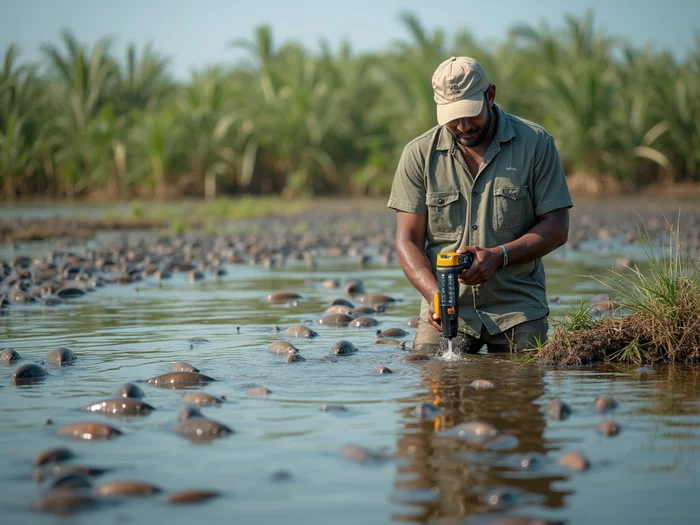
Temperature stability matters more than absolute temperature values. Tilapia tolerate temperatures between 20-35°C but grow best when temperatures remain consistently between 26-30°C. Avoid sites where water temperature fluctuates more than 5°C daily, as temperature stress reduces feeding efficiency and increases disease susceptibility.
| Parameter | Optimal Range | Impacts of Deviations |
|---|---|---|
| pH | 6.5 - 8.5 | Poor growth, stress, and disease susceptibility |
| Dissolved Oxygen | > 5 mg/L | Reduced growth rates, increased mortality |
| Ammonia | < 0.5 ppm | Toxicity leading to stress and death |
| Nitrite | < 0.1 ppm | Toxicity affecting fish health |
| Temperature | 26 - 30 °C | Stress, poor growth, and disease susceptibility |
Seasonal Water Availability
Dry season water security determines your operation's long-term success. Map your water source's seasonal patterns over at least two years before committing to a site. Many farmers in Northern Ghana have learned this lesson expensively – sites that seemed ideal during rainy seasons became unusable when water sources dried up completely.
Develop contingency plans for water shortage periods. This might involve deeper intake systems, water storage capacity, or agreements with neighbours for emergency water access. A successful farmer in Meru built his ponds near a perennial spring but also constructed a 10,000-litre storage tank fed by rainwater collection. During the 2019 drought, this backup system kept his operation running when nearby farmers lost entire stocks.
Consider upstream water usage that might affect your supply. Agricultural irrigation, domestic use, and other fish farms can significantly impact downstream water availability. Build relationships with upstream water users to understand their usage patterns and potential expansion plans that might affect your water security.
Soil Requirements for Tilapia Ponds
Soil quality determines your pond's structural integrity, water retention capacity, and long-term maintenance requirements. The right soil naturally holds water, supports beneficial microbial activity, and maintains stable pond walls. Understanding soil characteristics helps you identify sites that will support successful tilapia farming without requiring expensive modifications.
Ideal Soil Types
Sandy clay loam provides the optimal balance for tilapia pond construction. This soil type contains 20-35% clay content, which ensures good water retention whilst maintaining adequate drainage to prevent waterlogging. The sand component allows proper water infiltration and prevents the soil from becoming too compact, whilst clay particles bind together to create stable pond walls and bottoms.
Clay loam soils with 25-40% clay content work excellently for pond construction. These soils hold water effectively and support strong pond wall construction. A farmer in Kisumu built 200m² ponds using local clay loam soil and achieved water loss rates of less than 2cm per week – excellent retention that minimises refilling requirements. Clay loam also supports beneficial bacterial populations that help maintain water quality.
Silty clay soils can work well but require careful management during construction. These soils hold water excellently but may become unstable when saturated. If your site has silty clay, plan for reinforced pond walls and ensure proper compaction during construction. Many successful farms in the Nile Delta region use silty clay soils but incorporate organic matter to improve soil structure.
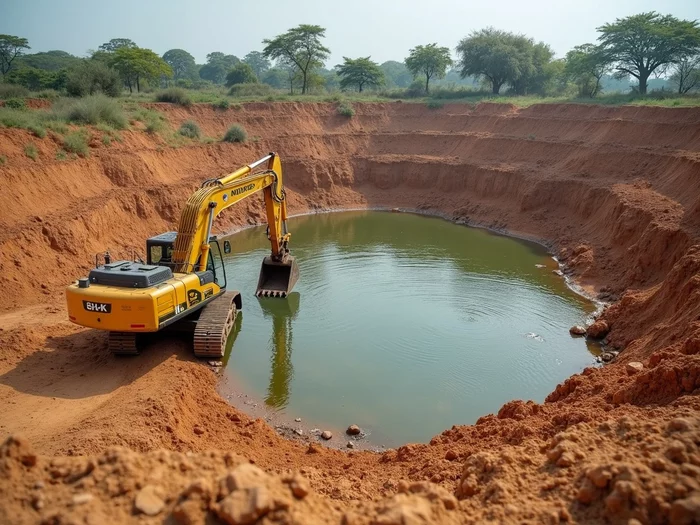
Avoid pure clay soils, which crack severely during dry periods and may become impermeable when wet. These soils often require expensive amendments to achieve suitable pond conditions. Similarly, sandy soils with less than 15% clay content rarely hold water effectively without expensive pond lining systems.
| Soil Type | Water Retention Capacity | Construction Suitability | Common Issues |
|---|---|---|---|
| Sandy Clay Loam | Good | Excellent | Low erosion risk |
| Clay Loam | Excellent | Very Good | Possible waterlogging |
| Silty Clay | Very Good | Fair | Requires management |
| Pure Clay | Poor | Unsuitable | Cracking and impermeability |
| Sandy Soil | Very Poor | Unsuitable | High seepage rates |
Soil Testing and Preparation
Begin soil evaluation by digging test pits at least 1.5 metres deep across your proposed site. This reveals soil layers, water table levels, and identifies any problematic layers like hardpan or rock formations. Take soil samples from different depths – surface soil, 30cm depth, and 60cm depth – as characteristics can vary significantly with depth.
Conduct a simple water retention test by digging a hole 50cm deep and 30cm wide, filling it with water, and measuring water loss over 24 hours. Good pond soil should lose less than 5cm of water in 24 hours. If water loss exceeds 10cm daily, your soil may require amendments or pond lining to achieve adequate water retention.
Test soil pH using a simple soil testing kit or pH meter. Soil pH between 6.5-8.0 works best for tilapia ponds. Acidic soils below pH 6.0 may require lime additions to buffer pond water pH. Highly alkaline soils above pH 8.5 can cause water quality issues and may need organic matter additions to moderate pH levels.
Assess soil compaction by examining how easily water penetrates the soil surface. Highly compacted soils may require deep tillage before pond construction to ensure proper water infiltration and prevent surface runoff during heavy rains.
Avoiding Problematic Soils
Pure sand soils create ongoing water management challenges due to excessive seepage rates. Sandy soils typically lose 15-30cm of water daily, making pond maintenance expensive and water management difficult. If your site has sandy soil, budget for pond lining materials or consider alternative sites with better water retention characteristics.
Rocky soils increase construction costs significantly and may create irregular pond bottoms that complicate harvesting and cleaning. Sites with rock layers within 1 metre of the surface require expensive excavation equipment and may never achieve smooth pond bottoms necessary for efficient management.
Limestone-rich soils can create water chemistry problems by elevating pH above optimal levels for tilapia. These soils often produce very hard water with high mineral content that may stress fish. While not impossible to work with, limestone soils require careful water management and possibly pH adjustment systems.
Organic-rich soils like peat may seem fertile but often create water quality problems due to excessive organic matter decomposition. These soils can cause oxygen depletion and produce hydrogen sulphide gas that's toxic to fish. Heavy clay soils that remain waterlogged can also become anaerobic and produce toxic compounds harmful to tilapia.
Land Type and Topography Considerations
The physical characteristics of your land – its slope, drainage patterns, and accessibility – significantly impact both construction costs and ongoing operational efficiency. Proper topography supports effective water management, reduces construction complexity, and ensures your farm remains accessible during all seasons. Understanding these factors helps you select sites that support long-term operational success.
Evaluating Topography
Flat or gently sloping land with gradients less than 3% provides ideal conditions for pond construction. This topography minimises earthmoving costs and ensures uniform pond depths that support consistent fish growth. Slopes exceeding 5% create significant construction challenges and may require expensive terracing to achieve level pond bottoms.
Measure land slope using a simple A-frame level or water level over 20-metre distances. Mark elevation changes across your proposed site to identify the flattest areas for pond placement. A farmer in Machakos saved 40% on construction costs by carefully selecting the flattest portion of his 2-hectare plot for pond construction, avoiding expensive cut-and-fill operations required on steeper sections.
Natural depressions can reduce excavation costs but evaluate their drainage characteristics carefully. Depressions that collect water during rains may indicate poor drainage that could cause flooding problems. Conversely, depressions with good natural drainage may provide excellent pond sites with minimal excavation requirements.
Consider how topography affects water flow patterns across your site. Water should flow naturally from inlet areas through ponds to outlet systems without creating stagnant areas or erosion problems. Gentle slopes of 1-2% from pond inlets to outlets support good water circulation without creating excessive current that stresses fish.
Drainage and Water Management
Effective drainage prevents waterlogging during heavy rains and allows proper pond management during maintenance periods. Your site must provide natural drainage routes that carry excess water away from pond areas without causing erosion or flooding downstream areas. Poor drainage creates ongoing management problems and may make your site unusable during rainy seasons.
Install drainage channels around pond perimeters to intercept surface runoff before it enters your ponds. These channels should slope at least 1% towards natural drainage outlets and be sized to handle expected rainfall volumes. A well-designed drainage system in Nakuru handles runoff from surrounding areas whilst preventing contaminated water from entering fish ponds.
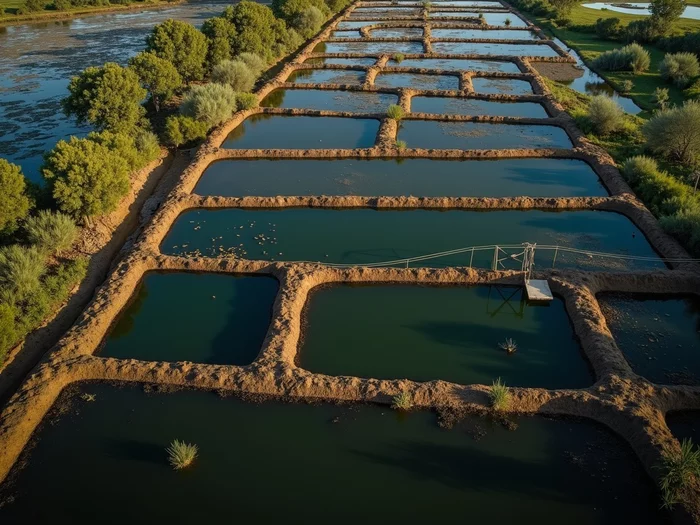
Plan for emergency drainage capabilities that allow rapid pond draining when necessary. This might involve gravity drainage systems, sump pumps, or overflow channels that activate during extreme weather events. Emergency drainage systems prove invaluable during disease outbreaks, water quality emergencies, or when major pond maintenance becomes necessary.
Consider seasonal flooding patterns in your area. Sites in flood-prone areas require elevated pond construction or flood protection systems that add significantly to development costs. Interview local farmers about historical flooding patterns and observe high-water marks on nearby trees or structures to assess flood risks.
Accessibility and Operational Efficiency
Road access affects both construction costs and ongoing operational efficiency. Sites requiring new road construction or major improvements to existing access routes significantly increase development expenses. Evaluate whether existing roads can support construction equipment, feed delivery trucks, and harvest transportation throughout the year.
Proximity to electricity supply reduces operational costs for water pumping, aeration systems, and processing equipment. Sites requiring electrical line extensions add substantial infrastructure costs to your project. Many successful farmers in rural areas use solar power systems for essential equipment, but grid electricity remains more cost-effective for larger operations.
Water supply accessibility affects daily operational efficiency. Sites requiring long water transport distances increase labour costs and reduce management flexibility. Ideal sites provide water access within 100 metres of pond locations, reducing pumping costs and ensuring reliable water supply during critical periods.
Market proximity influences harvest logistics and product quality. Sites more than 2 hours from major markets may require on-site processing facilities or cold storage systems to maintain product quality. Consider transport costs and time when evaluating sites, as these factors significantly impact profitability and operational complexity.
Ecological and Climate Factors
Environmental conditions at your chosen site directly influence tilapia growth rates, health status, and production consistency. Climate patterns, temperature stability, and ecological factors create the backdrop against which all your management decisions play out. Understanding these influences helps you select sites that naturally support optimal tilapia production whilst minimising environmental stresses that reduce productivity.
Climate and Seasonal Factors
Temperature stability throughout the year determines your tilapia's growth consistency and feed conversion efficiency. Sites in highland areas may experience temperature fluctuations that slow growth during cooler months, whilst lowland sites may face heat stress during peak hot seasons. Monitor temperature patterns at potential sites across different seasons before making final site selections.
Altitude affects both temperature patterns and atmospheric pressure, which influences dissolved oxygen levels in your ponds. Sites above 1,500 metres elevation may experience cooler temperatures that extend growing periods and reduce feed conversion efficiency. A farmer in Molo, at 2,400 metres elevation, achieves good tilapia production but requires 8-9 months to reach market size compared to 6-7 months at lower elevations.
Rainfall patterns influence water supply reliability and pond management requirements. Areas with distinct wet and dry seasons require different management approaches than regions with year-round rainfall. Heavy rainfall periods may require overflow management systems, whilst dry seasons demand reliable alternative water sources or storage systems.
Wind exposure affects pond water circulation and temperature stability. Sites with excessive wind exposure may experience rapid temperature changes and increased evaporation rates. However, moderate wind exposure can benefit pond oxygenation and prevent thermal stratification in deeper ponds. Evaluate wind patterns and consider windbreak plantings if necessary.
Disease Prevention Through Site Selection
Site characteristics significantly influence disease pressure and your fish's natural resistance to health challenges. Sites with good water circulation, stable environmental conditions, and minimal contamination sources naturally support healthier fish populations with stronger immune systems. Poor site selection creates stress conditions that predispose your tilapia to various diseases and parasites.
Avoid sites downstream from other aquaculture operations, livestock areas, or sewage discharge points that might introduce pathogens into your water supply. Disease organisms can travel considerable distances through water systems, so maintain adequate separation from potential contamination sources. A minimum 500-metre buffer from upstream fish farms helps reduce disease transmission risks.
Sites with excessive organic matter input from agricultural runoff or natural sources may support harmful bacterial populations that cause recurring health problems. Evaluate upstream land use patterns and seasonal runoff characteristics to assess contamination risks. Clean water sources with minimal organic loading support healthier fish populations and reduce disease management requirements.
Natural predator populations around your site affect both fish security and disease dynamics. Areas with large bird populations may introduce parasites and diseases whilst also creating direct predation pressure. However, completely isolated sites may lack beneficial organisms that help maintain ecological balance in pond systems.
Consider seasonal migration patterns of wild fish that might introduce diseases to your operation. During breeding seasons, wild tilapia populations may carry parasites or diseases that can affect farmed fish. Plan appropriate screening and quarantine measures if your site connects to natural water bodies during certain seasons.
Common Pitfalls in Site Selection
Many tilapia farmers make predictable mistakes during site selection that create ongoing operational challenges and reduce profitability. Learning from these common errors helps you avoid expensive problems and select sites that support long-term success. Understanding what can go wrong enables you to ask the right questions and conduct appropriate evaluations before committing to a site.
Mistakes to Avoid
Rushing site selection decisions leads to costly mistakes that affect operations for years. Take time to evaluate potential sites across different seasons, as conditions can vary dramatically between wet and dry periods. Many farmers select sites during rainy seasons when water appears abundant, only to discover severe water shortages during dry periods that make operations impossible.
Ignoring soil testing represents a critical oversight that can doom pond construction projects. Soil that appears suitable on the surface may have impermeable layers, excessive sand content, or chemical characteristics that create ongoing problems. A farmer in Kisumu spent considerable money constructing ponds on apparently good soil, only to discover a hardpan layer at 80cm depth that prevented proper drainage and created waterlogging problems.
Underestimating water requirements leads to chronic water shortage problems that limit production capacity and increase operational stress. Calculate water needs based on evaporation, seepage, and management requirements rather than just initial pond filling. Many operations require 20-30% additional water monthly to compensate for losses, particularly during hot, dry periods.
Overlooking accessibility issues creates ongoing logistical challenges that increase operational costs and reduce management efficiency. Sites that become inaccessible during rainy seasons limit your ability to manage feeding, monitor water quality, and conduct emergency interventions when necessary. Plan for year-round accessibility to ensure consistent management capabilities.
Learning from Experienced Farmers
Experienced tilapia farmers consistently emphasise the importance of water security above all other site characteristics. A successful farmer in Nyeri with 15 years of experience states that reliable water supply matters more than soil type, accessibility, or initial construction costs. He recommends securing water rights and backup sources before beginning any construction activities.
Soil testing emerges as the second most critical factor according to veteran farmers. Many experienced producers recommend conducting soil tests during both wet and dry seasons to understand how soil characteristics change with moisture content. This approach reveals seasonal variations that might affect pond management throughout the year.
Proximity to technical support and input suppliers significantly influences operational success, particularly for newer farmers. Experienced farmers recommend selecting sites within reasonable distance of feed suppliers, equipment dealers, and extension services that provide ongoing technical assistance. Isolated sites may offer lower land costs but create support challenges that offset initial savings.
Local community relationships affect long-term operational sustainability. Successful farmers emphasise the importance of positive community relationships that support water access, security, and labour availability. Sites in areas with existing aquaculture activity often provide better community support and reduced operational challenges.
Summary Table: Site Evaluation Criteria
When evaluating potential tilapia farming sites, use these criteria to score each location systematically. Water source reliability deserves the highest weighting, as it determines fundamental operational viability. Score each factor from 1-5, with 5 representing optimal conditions and 1 indicating significant challenges requiring expensive solutions.
Soil characteristics should score based on clay content and water retention capabilities. Sandy clay loam with 25-35% clay content scores 5 points, whilst pure sand or heavy clay soils score 1-2 points. Consider soil testing results and drainage characteristics when assigning scores. Sites requiring expensive soil amendments or pond lining should receive lower scores.
Topography evaluation considers slope gradients and drainage patterns. Flat land with slopes under 3% and good natural drainage scores 5 points. Sites requiring extensive earthmoving or drainage system installation score lower based on the complexity and cost of required modifications.
Conclusion
Successful site selection forms the foundation of profitable tilapia farming, and you now have the knowledge to evaluate potential locations systematically. Focus on securing a reliable water source first—test pH, dissolved oxygen levels, and seasonal availability before considering other factors. Conduct thorough soil testing to ensure adequate clay content for water retention, and choose sites with gentle slopes under 3% to minimise construction costs. Remember that good drainage prevents flooding whilst maintaining accessibility year-round.
Don't feel overwhelmed by the technical requirements; many successful farmers started with basic soil and water tests before gradually expanding their evaluation skills. Trust your observations—if water sources dry up seasonally or soil won't hold water in simple retention tests, these problems won't disappear after construction. Take time to evaluate sites across different seasons, as conditions change dramatically between wet and dry periods.
Start by visiting potential sites during both seasons, conducting basic water retention tests, and speaking with neighbouring farmers about their experiences. Document your findings systematically using the evaluation criteria provided, and don't rush this crucial decision. A well-chosen site naturally supports healthy fish growth and reduces ongoing management challenges.
With your site selected, you're ready to focus on pond design and construction techniques that maximise your chosen location's advantages. Proper construction methods will transform your carefully selected site into a productive tilapia farming operation that supports consistent growth and profitability for years to come.
Frequently Asked Questions
How can I quickly assess if my soil is suitable for a pond without expensive lab tests?
You can perform a simple water retention test by digging a hole 50cm deep and 30cm wide, filling it with water, and measuring the water loss over 24 hours. Good pond soil should lose less than 5cm of water in that period. If it loses more than 10cm, your soil likely has poor water retention and may require amendments or lining.
Why is consistent water temperature more important than just hitting the ideal temperature range for tilapia?
While tilapia grow best between 26-30°C, consistent temperatures reduce stress on the fish, which in turn improves their feeding efficiency and disease resistance. Sites with daily temperature fluctuations exceeding 5°C can negatively impact growth and increase the susceptibility of your tilapia to illness, even if the average temperature seems ideal.
What should I really look out for when considering river water as my primary source for tilapia ponds?
When using river water, you must consider seasonal flow variations and potential upstream contamination risks from agriculture or other activities. Additionally, while rivers generally maintain good oxygen levels, it's crucial to divert water through settling ponds to remove suspended particles before it enters your fish ponds, as demonstrated by the successful farmer in Kisii.
Should I worry about the pH of my soil if my water source already has a good pH?
Yes, you should still test your soil pH, as soil characteristics can influence the pond water's pH over time. Acidic soils (below pH 6.0) might require lime additions to buffer the water, while highly alkaline soils (above pH 8.5) can also cause water quality issues. The soil's buffering capacity plays a role in maintaining stable water chemistry.
What are the biggest mistakes new tilapia farmers make when choosing a site, and how can I avoid them?
New farmers often rush site selection, ignore soil testing, underestimate water requirements, and overlook accessibility issues. To avoid these, take time to evaluate sites across different seasons, conduct thorough soil tests (even during wet and dry periods), calculate water needs beyond just initial filling, and ensure year-round accessibility to your farm.


Yomi Adisa Lead Researcher
Yomi Adisa is the lead researcher at Fish Farming Business, where he studies what makes aquaculture ventures profitable across Africa. His research focuses on market patterns, buyer preferences, and the business decisions that determine success or failure in fish farming.