Zebra Tilapia: Species Profile, Biology and Farming Insights
Posted on: 2025-11-17
By: Yomi Adisa
The zebra tilapia stands out amongst African cichlids not just for its striking black and white stripes, but for its untapped potential in specialised aquaculture markets.
While most farmers focus on the ubiquitous Nile tilapia, Heterotilapia buttikoferi offers unique opportunities for those willing to explore niche markets—from ornamental fish trading to regional food preferences that value distinctive appearance.
This comprehensive profile examines everything you need to know about farming this West African native, from its specific biological requirements to the practical considerations that will determine your success.
In This Guide
Importance of Zebra Tilapia
Heterotilapia buttikoferi represents an underutilised opportunity in African aquaculture, particularly for farmers seeking to diversify beyond mainstream tilapia species. Unlike the heavily farmed Nile tilapia that dominates commercial production, zebra tilapia offers distinct advantages in specific market segments.
Your primary opportunities with this species lie in the ornamental fish trade, where its distinctive striping commands premium prices, and in regional food markets where consumers appreciate unique appearance and flavour profiles. In countries like Nigeria and Ghana, where aquarium keeping is growing rapidly, a single zebra tilapia can fetch 5-10 times the price of standard food fish.
The species also presents diversification benefits for established farms. Because zebra tilapia tolerates similar water conditions to other cichlids but occupies different ecological niches, you can potentially polyculture them with your existing stock to maximise pond productivity whilst accessing new revenue streams.
Species Identification
Scientific Classification
Zebra tilapia belongs to the family Cichlidae and carries the scientific name Heterotilapia buttikoferi. Recent taxonomic revisions moved this species from the genus Tilapia to Heterotilapia, reflecting its distinct evolutionary lineage from the Oreochromis species most farmers know.
This classification matters for your farming decisions because Heterotilapia species exhibit different reproductive behaviours and growth patterns compared to Oreochromis. Where Nile tilapia are maternal mouthbrooders, zebra tilapia practice biparental care, meaning both parents guard their offspring—a trait that affects breeding programme management.
Distinguishing Features
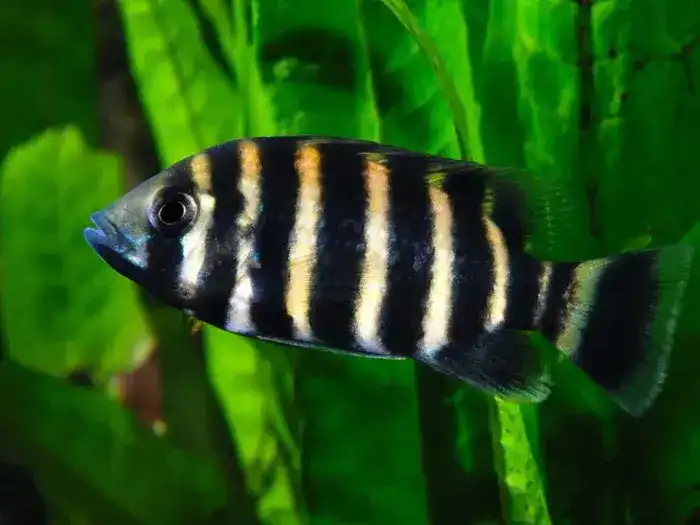
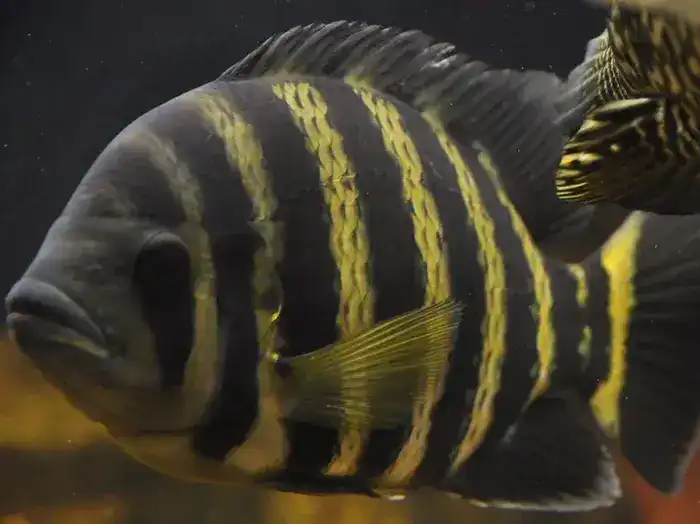
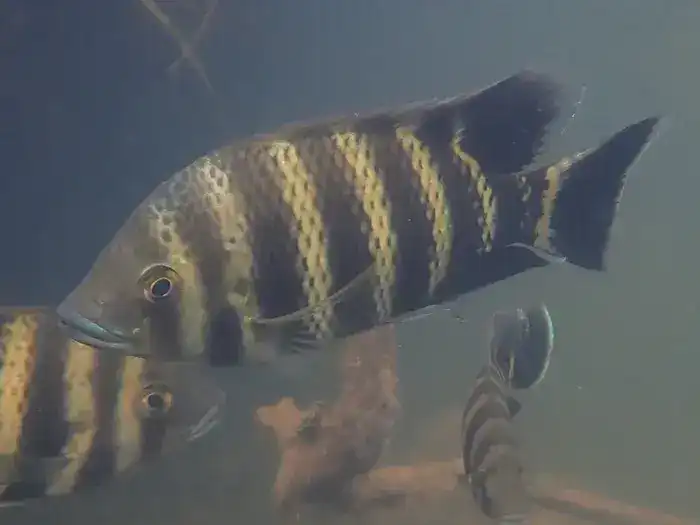
You'll easily recognise zebra tilapia by their broad vertical black bars alternating with white or yellow interspaces. These bars are notably broader than the light spaces between them, creating the distinctive zebra pattern that gives the species its common name.
Adult fish reach approximately 31 centimetres in standard length, making them larger than many ornamental cichlids but smaller than commercial Nile tilapia. The robust body structure typical of cichlids supports their omnivorous lifestyle, with pharyngeal teeth adapted for crushing both plant matter and small prey items.
Key identification features include:
- 5-6 scale rows on the cheeks, fewer than many related species
- Stripes that fade with age, becoming less distinct in mature fish
- Lower pharyngeal bone roughly as long as broad, distinguishing it from other tilapia species
- Yellow or white base colouration that can vary with mood and environmental conditions
Common Names and Regional Variations
The name "zebra tilapia" remains consistent across most English-speaking African countries, reflecting the species' distinctive appearance. Unlike some cichlids with numerous regional names, H. buttikoferi maintains relatively standardised nomenclature, simplifying marketing and trade discussions.
This naming consistency benefits you as a farmer because it reduces confusion in marketing channels and allows clearer communication with buyers, whether you're selling to aquarium shops in Lagos or specialty restaurants in Nairobi.
Biology & Natural Behaviour
![]()
Natural Habitat and Distribution
Zebra tilapia naturally inhabit large freshwater rivers and tributaries throughout tropical West Africa, with their range extending from Guinea-Bissau to Liberia. They prefer flowing water environments with moderate depths, though they adapt readily to the still-water conditions typical of aquaculture systems.
Understanding their natural habitat helps explain their farming requirements. These fish evolved in well-oxygenated flowing waters, which means you'll need to maintain higher dissolved oxygen levels compared to species from slower-moving waters. Their riverine origins also explain their tolerance for moderate water flow, making them suitable for recirculating aquaculture systems.
Introduced populations exist in countries like Thailand, demonstrating the species' adaptability to new environments—a positive indicator for farming success across different African climatic zones.
Environmental Tolerances
Your zebra tilapia will thrive in water temperatures between 22-28°C, typical for tropical African conditions. However, temperatures below 18°C become lethal, whilst those above 35°C cause significant stress and reduced feeding activity.
Water quality requirements include:
- pH range: 6.5-8.0, accommodating most natural water sources
- Dissolved oxygen: Minimum 3 mg/L, though 5-7 mg/L supports optimal growth
- Salinity tolerance: Limited to freshwater conditions, unlike some tilapia species
- Ammonia sensitivity: Similar to other cichlids, requiring regular water changes in intensive systems
These parameters align well with most African pond conditions, though you'll need reliable aeration systems to maintain adequate oxygen levels, particularly during hot seasons or at high stocking densities.
Feeding Habits and Nutritional Needs
In the wild, zebra tilapia consume an omnivorous diet comprising algae, detritus, small invertebrates, and plant matter. Their pharyngeal teeth efficiently crush food items, allowing them to exploit diverse food sources—an advantage in farming systems where you might supplement commercial feeds with locally available materials.
For optimal growth in aquaculture, you'll need feeds containing 28-35% crude protein. This requirement sits within the standard range for tilapia species, meaning existing feed suppliers can accommodate your needs without special formulations.
Feed conversion ratios typically range from 1.2-1.8, depending on feed quality and culture conditions. Their omnivorous nature means you can supplement commercial feeds with locally available ingredients like cassava peels, rice bran, or aquatic plants, potentially reducing feed costs whilst maintaining growth rates.
Reproduction & Life Cycle
Breeding Behaviour
Zebra tilapia exhibit biparental care, with both parents actively protecting eggs and fry. This differs significantly from the maternal mouthbrooding behaviour of Nile tilapia, affecting how you manage breeding programmes.
Spawning occurs when water temperatures reach optimal ranges and photoperiod cues indicate suitable conditions. Unlike species that spawn continuously, zebra tilapia show more seasonal breeding patterns, which you can manipulate through environmental control in intensive systems.
The biparental care system means higher fry survival rates compared to species where only one parent provides protection. However, it also means you'll need larger breeding areas to accommodate territorial behaviour during spawning periods.
Growth Stages
Sexual maturity occurs at approximately 6-8 months under optimal culture conditions, when fish reach 10-15 centimetres in length. This timeline aligns with commercial production cycles, allowing you to maintain breeding stock from your first generation of cultured fish.
Females produce 100-300 eggs per spawn, with larger females producing more eggs. The incubation period lasts approximately 5-7 days at optimal temperatures, after which both parents guard the free-swimming fry for several additional weeks.
Growth to market size (250-300 grammes) typically requires 7-9 months under optimal conditions, slightly longer than Nile tilapia but acceptable for most farming operations. The extended parental care period means you can achieve higher survival rates with less intensive management during early life stages.
Lifespan and Longevity
In captivity, zebra tilapia live 5-7 years, providing extended breeding potential for your broodstock. This longevity allows you to maintain genetic lines over multiple generations whilst amortising the initial investment in quality breeding stock.
Maximum size reaches approximately 30 centimetres standard length, making them suitable for both food fish production and the ornamental market where larger specimens command premium prices.
Why Farmers Choose Tilapia Buttikoferi
Production Advantages
Zebra tilapia offer several advantages over mainstream species. Their moderate growth rates may seem disadvantageous compared to Nile tilapia, but this characteristic suits markets where fish quality matters more than rapid turnover.
Disease resistance appears comparable to other cichlids, though less research exists specifically for this species. Their robust constitution and adaptability to various water conditions suggest good potential for extensive farming systems where disease management resources are limited.
The species tolerates moderate stocking densities up to 20-30 fish per cubic metre, provided you maintain adequate water quality. This density allows profitable production whilst avoiding the intensive management requirements of higher-density systems.
Farming Considerations for Tilapia Buttikoferi
Optimal Farming Practices
Water quality management forms the foundation of successful zebra tilapia farming. You'll need consistent dissolved oxygen levels above 5 mg/L, achievable through paddle wheels, air stones, or recirculating systems depending on your scale of operation.
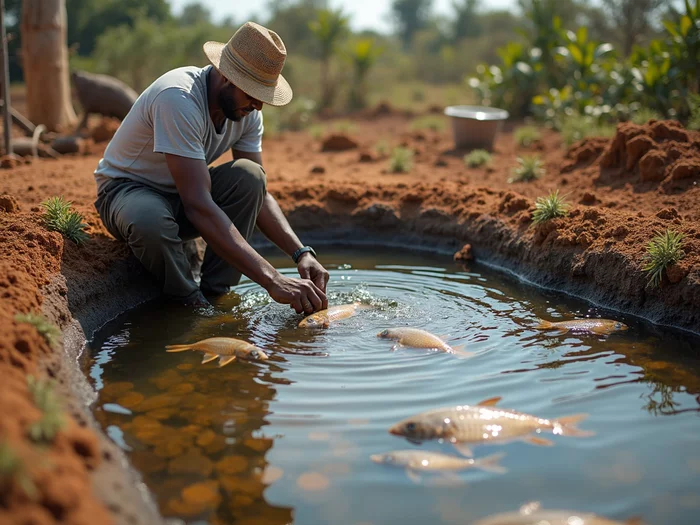
Feeding strategies should emphasise high-quality commercial feeds supplemented with locally available materials. Feed 2-3 times daily at 3-5% of body weight, adjusting based on water temperature and fish response. Their omnivorous nature allows flexibility in feed ingredients whilst maintaining nutritional requirements.
Stocking densities of 15-25 fish per cubic metre provide optimal balance between production efficiency and fish welfare. Higher densities require more intensive management and may compromise the fish quality that justifies premium pricing.
Challenges in Farming
The primary challenge lies in market development rather than technical production issues. Unlike Nile tilapia with established supply chains, you'll need to actively develop buyer relationships and educate consumers about your product.
Limited research specific to zebra tilapia means you'll rely more heavily on general cichlid knowledge and careful observation of your stock. This requires more hands-on management compared to well-documented species with established protocols.
Seasonal breeding patterns may complicate fingerling production compared to species that spawn continuously. You'll need to plan breeding cycles carefully to ensure consistent fingerling availability for your production schedule.
Harvesting and Processing
Harvest zebra tilapia using standard seine nets or drain-down methods, taking care to maintain the pristine appearance that justifies premium pricing. For ornamental markets, use soft mesh nets to avoid scale damage that reduces value.
Processing requirements depend on your target market. Food fish follow standard tilapia processing procedures, whilst ornamental fish require live transport systems with adequate oxygenation and temperature control.
Post-harvest handling emphasises quality preservation over volume processing. Individual fish inspection and grading become more important when selling to premium markets that pay for specific size and quality characteristics.
How Tilapia Buttikoferi Compares to Related Species
![]()
Key Differences from Other Tilapia Species
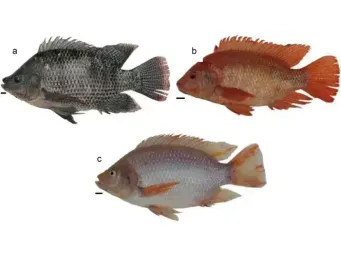
Zebra tilapia's distinctive colouration immediately sets it apart from the uniform grey-green appearance of Nile tilapia. This visual difference translates directly to market positioning opportunities unavailable to conventional species.
The biparental care system contrasts sharply with the maternal mouthbrooding of Oreochromis species. This difference affects breeding management, with zebra tilapia requiring more space per breeding pair but achieving higher fry survival rates.
Growth rates prove moderate compared to Nile tilapia, reaching market size in 7-9 months versus 5-7 months for optimised Nile tilapia systems. However, the premium pricing potential often compensates for longer production cycles.
Regional Suitability and Adaptation
Zebra tilapia's West African origins make them well-suited to similar climatic conditions across tropical Africa. Their temperature requirements align with most regions from Senegal to Tanzania, though altitude limitations apply above 1,500 metres where temperatures drop below optimal ranges.
Water quality tolerances suit most African pond conditions better than some exotic species, reducing the need for extensive water treatment or conditioning. Their freshwater limitation does exclude them from brackish water systems where some tilapia species thrive.
Ecological adaptability appears strong based on successful introductions outside their native range, suggesting good potential for farming across diverse African environments with appropriate management.
Implications for Farmers
These differences suggest zebra tilapia suit farmers with access to niche markets rather than those focused on volume commodity production. Your decision should consider local market conditions, available infrastructure, and personal interest in developing new market channels.
The longer production cycle and specialised marketing requirements mean this species works best for farmers with adequate working capital to support extended production cycles and market development investments.
Integration with existing tilapia operations offers risk management benefits, allowing you to test market response whilst maintaining income from established species. This approach suits farmers seeking gradual diversification rather than complete production system changes.
Conclusion
Summary of Key Points
Zebra tilapia presents a compelling opportunity for African farmers willing to move beyond commodity fish production into specialised markets. With distinctive appearance, manageable culture requirements, and premium pricing potential, Heterotilapia buttikoferi offers diversification benefits that can enhance farm profitability.
The species' biological characteristics—moderate growth rates, biparental care, and environmental tolerances—align well with African farming conditions whilst providing unique selling points unavailable to mainstream tilapia producers. Success depends more on market development than technical production challenges.
Final Thoughts on Future Prospects
Consider zebra tilapia if you have access to urban markets, established aquarium trade connections, or restaurant customers seeking distinctive products. The species suits farmers comfortable with longer production cycles and active market development rather than those preferring established commodity channels.
Start small with a trial production batch to test local market response before committing significant resources. The species' adaptability and integration potential with existing systems makes this low-risk approach both practical and prudent for most farming operations.


Yomi Adisa Lead Researcher
Yomi Adisa is the lead researcher at Fish Farming Business, where he studies what makes aquaculture ventures profitable across Africa. His research focuses on market patterns, buyer preferences, and the business decisions that determine success or failure in fish farming.