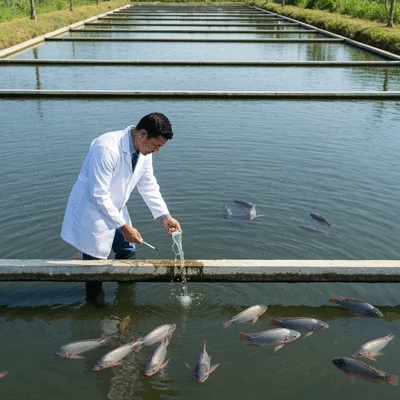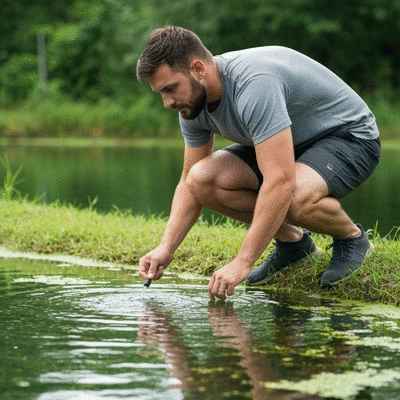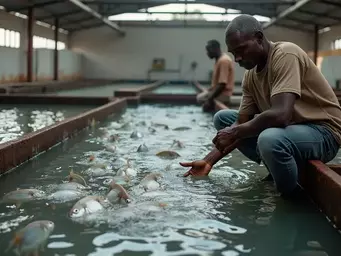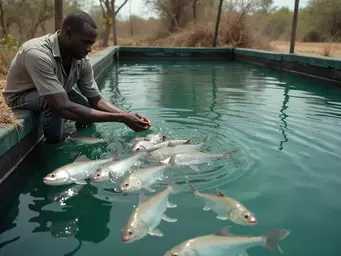
Pond Type Comparison
Green Water Ponds
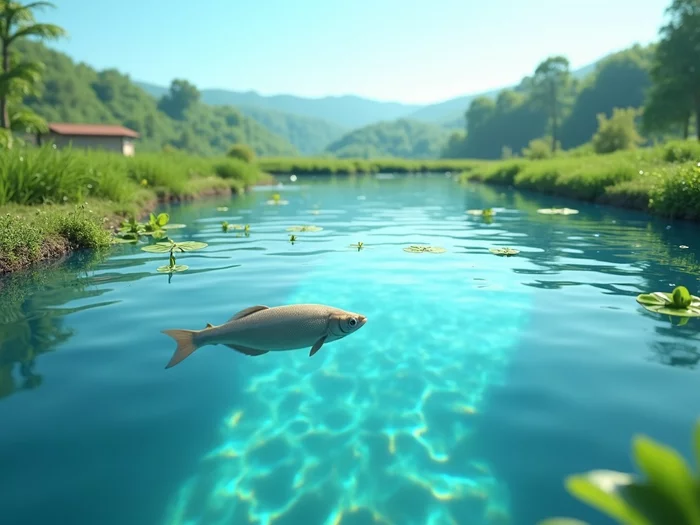
- Benefit: Natural food sources (phytoplankton).
- Management: Less need for added feed.
Muddy Water Ponds
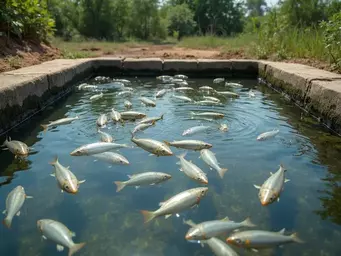
- Challenge: Less light, lower oxygen.
- Management: Requires more aeration & active management.
Posted on: 2025-11-06
By: Yomi Adisa
In a world where sustainable practices are becoming increasingly critical, understanding effective water management in tilapia farming can not only boost your yields but also protect the environment. Let's delve into the essential techniques that can transform your aquaculture approach.
Effective water management and pond design are crucial for thriving tilapia farms. Below, we compare key pond types and management strategies to help farmers make informed decisions for sustainable aquaculture. For more on maintaining optimal conditions, read our guide on managing tilapia pond water quality.
Effective water management is crucial for fostering healthy tilapia growth and ensuring the sustainability of our environments. As an aquaculture expert, I’ve seen firsthand how proper water management techniques can make a world of difference in tilapia farming. Not only do they support fish health, but they also contribute to maintaining the delicate balance of aquatic ecosystems.
In tilapia farming, managing water quality can lead to healthier fish populations and improved yields. This not only benefits your farm but also promotes environmental sustainability, which is a core value at Tilapia Farming Solutions. By implementing sustainable practices, we can ensure that our farming methods are both productive and responsible.
As I work with farmers across Africa, I often emphasize the importance of maintaining stable water conditions. By prioritizing water management, we can significantly reduce the risk of diseases, leading to a more resilient fish population. For detailed insights into disease prevention, consider exploring our guide on preventing tilapia diseases in ponds.
Moreover, effective water management practices can enhance feed conversion rates, ensuring that your fish grow swiftly and efficiently. Overall, adopting these techniques is not just beneficial for tilapia; it supports the broader ecosystem as well!
Implementing water conservation strategies is vital in optimizing resources. Here are some effective methods:
By using recirculating systems, for instance, water can be treated and reused, significantly reducing the overall consumption. This approach not only conserves water but also creates a more stable environment for your tilapia.
Low water exchange methods can also help maintain optimal conditions while saving resources. Combining these strategies creates a robust approach to sustainability in tilapia farming.
Monitoring water quality is critical for the health of your fish. Essential parameters include:
Ensuring that your pond maintains a healthy level of dissolved oxygen is crucial for tilapia growth. The ideal pH range for tilapia is between 6.5 and 8.5, as extreme variations can stress the fish.
If you notice ammonia levels rising, it's a sign that you need to take action. Regular testing and adjustments are essential to keep your tilapia thriving in a healthy environment. For more information on maintaining oxygen levels, see our article on optimizing oxygen in tilapia ponds.
Eutrophication can severely impact water quality, leading to unwanted algal blooms. This phenomenon occurs when excessive nutrients, often from runoff or overfeeding, accumulate in the water. It's important to be aware of this issue and address it promptly to maintain a healthy pond.
Strategies to manage algal blooms include careful feeding practices, regular aeration, and the use of natural predators. Implementing these techniques can help you avoid the adverse effects of eutrophication and keep your water quality in check.
Choosing the right pond type can significantly affect your water management techniques. Here's a quick comparison:
Green water ponds often support tilapia populations better as they naturally produce more food, reducing the need for added feed. However, muddy water ponds can require more intervention to maintain a healthy environment.
When comparing recirculating systems to open aquaculture systems, consider the following:
Deciding on the right system depends on your resources and goals. Investing in a recirculating system can lead to sustainable practices that benefit both your farm and the environment.
Integrating aeration and filtration systems into your pond design is essential. These components help maintain water quality and promote fish health. Key points to consider include:
By focusing on aeration and filtration, you’ll create an environment where your tilapia can thrive. It’s a worthy investment in their health!
Proper pond layout and maintenance are pivotal for successful management. Here are some tips:
A well-maintained pond not only supports fish health but also enhances your overall farming efficiency. Remember, the goal is to create a thriving ecosystem that benefits both your fish and your farming approach!
Regular water quality checks are essential for sustainable practices. Here’s a simple schedule to follow:
Setting a monitoring schedule encourages proactive management, ensuring that any issues are addressed promptly. This way, your tilapia will stay healthy and happy!
As tilapia farmers, it’s crucial to adhere to nutrient discharge regulations. Implementing best management practices (BMPs) not only helps you stay compliant but also promotes sustainable aquaculture.
Understanding these regulations and their significance can help you improve your farming practices. By being informed, you ensure that your operations support not only your success but also the health of local water bodies.
Technology is transforming water management in aquaculture. Smart sensors can:
Embracing technology can significantly enhance your monitoring and management efficiency. It’s an exciting way to optimize your tilapia farming practices!
Advancements in tilapia genetics are also playing a role in sustainable water management. By focusing on traits that enhance growth rates and disease resistance, we can:
Investing in improved genetic stock can lead to long-term benefits for your farm and the environment.
Integrating aquaponics into your tilapia farming can enhance nutrient cycling and water efficiency. In an aquaponics system, fish waste provides nutrients for plants, while plants help filter and clean the water for the fish.
This symbiotic relationship not only maximizes resource use but also creates a sustainable ecosystem. It's a fantastic way to enhance your farming approach! For more on sustainable farming techniques, visit our aquaponics resource page.
Lastly, using biofiltration techniques can significantly improve water quality and reduce waste. Key benefits include:
By implementing biofiltration methods, you’ll contribute to a more sustainable and productive aquaculture operation. This is a step towards a brighter future for tilapia farming!
What water management techniques have you found most effective in your tilapia farming? Share your thoughts below:
At Tilapia Farming Solutions, we believe that implementing sustainable water management techniques is essential for healthy tilapia farming. The benefits of these practices extend beyond just the health of your fish; they positively impact our environment and local economies as well!
By embracing sustainable approaches, farmers can significantly reduce waste, conserve water, and enhance the overall quality of their tilapia. This leads to not only a thriving aquaculture business but also a commitment to environmental stewardship.
These benefits collectively contribute to more resilient farming operations. Adopting sustainable water management techniques isn’t just a smart business decision; it’s a step towards a healthier planet!
As we move forward, I encourage all tilapia farmers to take a moment to assess their current practices. Are there areas where you can improve? Consider implementing the innovative techniques we've discussed, such as utilizing aeration systems or monitoring water quality with smart technology.
It’s essential to stay proactive and open to new ideas that can enhance your farming practices. Remember, every small step towards sustainability can lead to significant results!
I invite you to connect with local forums or groups focused on sustainable aquaculture. Sharing experiences and tips with fellow farmers can foster a supportive community and open doors to new insights.
Engaging with others not only provides support but also creates opportunities for collaboration and knowledge-sharing that can improve our practices collectively.
It’s important to evaluate the economic aspects of sustainable water management techniques. A thorough cost-benefit analysis can help you understand potential savings and benefits associated with these practices.
Consider factors such as:
By comprehensively understanding these elements, you can make informed decisions that align with both your financial goals and sustainability objectives. For further reading on economic strategies, visit our business insights on sustainable aquaculture economics.
Lastly, it's vital to recognize how policies influence our ability to adopt sustainable practices. Engaging with local stakeholders, government bodies, and industry groups can help advocate for favorable policies that support sustainable aquaculture.
Active participation in discussions surrounding regulations not only helps shape the future of aquaculture but also ensures that the voices of farmers are heard and considered in decision-making processes.
Here is a quick recap of the important points discussed in the article:
Yomi Adisa Lead Researcher
Yomi Adisa is the lead researcher at Fish Farming Business, where he studies what makes aquaculture ventures profitable across Africa. His research focuses on market patterns, buyer preferences, and the business decisions that determine success or failure in fish farming.
New to Tilapia Farming? Confused where to start with our articles?
FREE guides, tools & resources to help you run a more profitable fish farming business.