Sex Reversal in Tilapia: Step-by-Step Practical Guide to Producing All-Male Fingerlings
Posted on: 2025-11-11
By: Yomi Adisa
Picture this scenario: You've invested months raising tilapia fingerlings, carefully managing water quality and feeding schedules, only to discover your harvest includes numerous small, stunted fish alongside the market-ready ones. The culprit? Mixed-sex populations where energy goes into reproduction rather than growth, leaving you with inconsistent sizes and reduced profits. This frustrating experience drives many African tilapia farmers to seek better production methods.
📑 Table of Contents
Sex reversal in tilapia offers a proven solution to this challenge. Through hormonal treatment during the critical early weeks of fry development, you can produce populations that are 90-98% male, dramatically improving your farm's productivity and profitability. Male tilapia grow 30-40% faster than females, reach market weight more consistently, and convert feed more efficiently. Instead of harvesting fish ranging from 150g to 400g after six months, you'll achieve uniform weights of 300-350g across your entire stock.
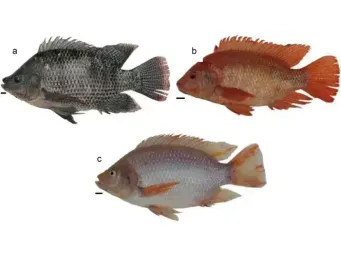
This comprehensive guide provides complete technical knowledge for implementing sex reversal protocols on your tilapia farm. You'll learn the precise timing for hormonal treatment, exact dosages and application methods, critical water quality parameters, and troubleshooting techniques for common challenges. Whether you're managing a small concrete tank in Lagos or multiple earthen ponds in Kampala, these proven methodologies will transform your production efficiency. The techniques work equally well for Nile tilapia (Oreochromis niloticus), the dominant species across East Africa, and Blue tilapia hybrids popular in West African markets. By mastering sex reversal, you'll join successful farmers across Nigeria, Kenya, Uganda, and Ghana who consistently achieve higher yields and better market prices through all-male tilapia production.
| Species | Growth Rate | Market Weight | Common Use |
|---|---|---|---|
| Nile Tilapia | 30-40% faster | 300-350g | Dominant species in East Africa |
| Blue Tilapia | 20-30% faster | 250-300g | Popular in West African markets |
| YY Males | 40-50% faster | 350-400g | Advanced breeding for all-male populations |
🎯 What You'll Learn
- Master the precise hormonal treatment protocols to achieve 90-98% male conversion rates in tilapia
- Understand the critical water quality parameters needed during the sex reversal process to ensure high survival rates
- Discover effective troubleshooting techniques for identifying and addressing failures in sex reversal treatments
Understanding Hormonal Sex Reversal in Tilapia
What is Sex Reversal?
Sex reversal in tilapia involves treating newly hatched fry with synthetic hormones to redirect their natural sexual development toward male characteristics. Unlike mammals where sex is fixed at conception, tilapia possess remarkable plasticity in their early sexual development. During the first 10-15 days after hatching, their gonads remain undifferentiated, creating a window of opportunity for intervention.
This biological flexibility makes tilapia particularly suitable for sex manipulation techniques. The process doesn't change the fish's genetic makeup but influences how their reproductive organs develop during this critical period. When executed properly, sex reversal produces phenotypically male fish that exhibit all the growth advantages of natural males without the ability to reproduce, eliminating unwanted breeding in your ponds.
The significance extends far beyond simple population control. In mixed-sex tilapia populations, females divert substantial energy toward egg production and breeding behaviour, while males focus energy on somatic growth. Additionally, uncontrolled breeding leads to overcrowded ponds with stunted offspring competing for limited resources, dramatically reducing your overall harvest quality and market value.

Role of 17α-Methyltestosterone
17α-methyltestosterone (MT) serves as the industry standard hormone for tilapia sex reversal worldwide. This synthetic androgen mimics natural testosterone but offers superior stability and effectiveness when administered through feed. The hormone works by influencing the differentiation of primordial germ cells during the labile period, directing them toward male development pathways.
The effectiveness of MT stems from its ability to cross cellular membranes and bind to androgen receptors in developing gonadal tissues. Once bound, it triggers a cascade of genetic expressions that promote male sexual differentiation while suppressing female development pathways. This process requires consistent exposure over 21-28 days to ensure complete transformation of the entire gonadal structure.
Compared to manual sexing, which requires skilled labour and achieves only 85-90% accuracy, hormonal treatment delivers superior results with less labour intensity. Manual sexing also stresses fingerlings and can cause mortality rates of 10-15%, while properly administered hormone treatment typically maintains survival rates above 95%. The consistency and reliability of hormonal methods make them particularly valuable for commercial operations where uniformity and predictability are essential.
Alternative Methods and Emerging Technologies
YY male technology represents the most advanced alternative to hormonal sex reversal, though its availability remains limited in most African markets. This technique involves breeding programmes that produce genetic super-males carrying two Y chromosomes. When these YY males breed with normal females, all offspring become phenotypic males without requiring hormone treatment.
The primary advantage of YY technology lies in eliminating hormone use entirely, addressing consumer concerns about chemical residues in food fish. However, establishing YY breeding programmes requires substantial initial investment, specialised facilities, and technical expertise that may not be readily available to most African farmers. The breeding stock also commands premium prices, with YY males costing 50-100 times more than hormone-treated fingerlings.
Genetic manipulation techniques, including chromosome manipulation and gene editing, show promise for future applications but remain largely experimental. These methods require sophisticated laboratory facilities and regulatory approvals that make them impractical for immediate commercial use. For the foreseeable future, hormonal sex reversal using MT remains the most accessible and cost-effective method for producing all-male tilapia populations across African farming operations.
The Labile Period: Timing is Critical
Identifying the Sensitive Window
The labile period represents the narrow timeframe when tilapia gonads remain sexually undifferentiated and responsive to hormonal influence. This critical window typically extends from day 1 to day 15 after hatching, with optimal results achieved when treatment begins between days 5-10. Starting too early can affect yolk sac absorption, while delaying beyond day 15 significantly reduces success rates as sexual differentiation begins to solidify.
Temperature plays a crucial role in determining the exact timing of the labile period. At 28-30°C, the optimal treatment temperature for most African conditions, fry reach the ideal treatment stage 7-10 days after hatching. Cooler temperatures extend this timeline, while higher temperatures compress it. You can identify the correct stage by observing when fry begin actively swimming and feeding, indicating complete yolk sac absorption.
Visual indicators help confirm readiness for treatment. Fry should measure 8-12mm in total length, display active swimming behaviour, and show interest in fine feeds. Their mouths should be fully formed and functional, allowing them to consume hormone-treated feed effectively. Fry that still carry visible yolk sacs or remain largely inactive near the bottom require additional development time before treatment initiation.

Recommended Treatment Duration
The standard treatment duration spans 21-28 days, with 23 days representing the optimal period for achieving maximum male conversion rates. This duration ensures complete gonadal differentiation while minimising potential negative effects from prolonged hormone exposure. Shorter treatments of 14-18 days may achieve 70-85% male populations, but the improved results from full-duration treatment justify the additional time and feed costs.
Consistency throughout the treatment period proves more important than absolute duration. Interrupting treatment for even 2-3 days can significantly reduce success rates, as developing gonads may revert to female pathways during hormone-free intervals. Environmental stressors such as temperature fluctuations, poor water quality, or disease outbreaks can also compromise treatment effectiveness by disrupting normal physiological processes.
Maintaining optimal conditions becomes particularly challenging during seasonal transitions common across tropical Africa. The rainy season brings temperature fluctuations and water quality challenges, while dry seasons may stress water supplies. Planning treatment periods during stable weather patterns, typically the middle portions of dry or wet seasons, helps ensure consistent environmental conditions throughout the critical 23-day window.
Step-by-Step Protocol for Hormonal Treatment
Day-by-Day Sex Reversal Protocol
Week 1 (Days 1-7): Treatment Initiation and Establishment
Begin hormone treatment when fry reach 7-10 days post-hatching and measure 8-12mm in length. Prepare hormone-treated feed by dissolving 60mg of 17α-methyltestosterone in 100ml of ethanol, then thoroughly mixing this solution with 1kg of finely powdered commercial fry feed. The resulting concentration of 60mg MT per kilogram of feed provides the standard dosage for effective sex reversal.
Feed the hormone-treated diet at 15-20% of estimated fry body weight, divided into 6-8 small meals throughout daylight hours. Begin with very small quantities every 2-3 hours, observing feeding behaviour and adjusting portions to ensure complete consumption within 10-15 minutes. Uneaten feed decomposes rapidly in warm water, creating ammonia spikes that can stress or kill fry.
Monitor water quality parameters twice daily during this critical establishment phase. Maintain temperature at 28-30°C, pH between 7.0-8.0, and dissolved oxygen above 5mg/L. Ammonia levels must remain below 0.25ppm, requiring frequent partial water changes of 10-20% if readings climb higher. The combination of intensive feeding and high stocking densities creates substantial waste loads that demand vigilant management.
Week 2 (Days 8-14): Growth Monitoring and Adjustment
Fry should display rapid growth and active feeding behaviour by the second week. Adjust feeding rates to 12-15% of body weight as fry size increases, maintaining the same frequent feeding schedule. Calculate new feeding amounts by sampling and weighing representative groups of fry every 3-4 days. Accurate weight estimates ensure appropriate hormone dosing while preventing overfeeding.
Water quality management becomes increasingly critical as biomass and waste production intensify. Increase water exchange rates to 20-30% daily, timing changes to occur 2-3 hours after feeding when waste production peaks. Install additional aeration if dissolved oxygen levels drop below 6mg/L, particularly during warm afternoons when oxygen solubility decreases.
Observe fry behaviour for signs of stress or disease. Healthy fry swim actively throughout the water column, respond quickly to feeding, and maintain bright colouration. Lethargic behaviour, loss of appetite, or abnormal swimming patterns indicate potential problems requiring immediate attention. Early intervention prevents minor issues from escalating into major losses during this critical treatment phase.
Week 3 (Days 15-21): Treatment Completion and Transition
Reduce feeding rates to 8-10% of body weight as fry approach 15-20mm length and begin developing more efficient digestive systems. Maintain hormone treatment consistency despite reduced feed quantities by ensuring complete consumption of all offered feed. Any uneaten hormone-treated feed represents lost treatment effectiveness and potential water quality problems.
Begin planning the transition to post-treatment management by preparing hormone-free feeds and adjusting facility arrangements. Fry will require larger spaces and different feeding regimens once treatment concludes. Prepare nursery ponds or tanks with appropriate water quality and stocking densities for the next growth phase.
Complete the final treatment days with particular attention to consistency and water quality. These last few days often determine the difference between 85% and 95% male conversion rates. Maintain all parameters within optimal ranges and avoid any management changes that might stress fry during this crucial completion period.
Water Quality and Environmental Conditions
Temperature control represents the most critical environmental factor during sex reversal treatment. Maintain water temperature between 28-30°C throughout the treatment period, with daily fluctuations not exceeding 2°C. Temperatures below 26°C slow growth and may reduce hormone effectiveness, while temperatures above 32°C stress fry and increase mortality rates. Use shade cloth, insulation, or heating systems as needed to achieve stable temperatures.
pH levels should remain between 7.0-8.0 for optimal hormone absorption and fry health. Test pH twice daily and adjust using agricultural lime to raise pH or organic acids to lower it. Rapid pH changes stress fry more than slightly suboptimal levels, so make gradual adjustments over 2-3 days rather than attempting immediate corrections. Buffer capacity becomes particularly important in areas with soft water or variable rainfall patterns.
Dissolved oxygen concentrations must exceed 5mg/L at all times, with 6-7mg/L providing optimal conditions for rapid growth. Install adequate aeration systems before beginning treatment, as emergency installations during treatment can stress fry and disrupt feeding patterns. Monitor oxygen levels during early morning hours when concentrations typically reach daily minimums due to overnight respiration by fish and any algae present.
Ammonia and nitrite toxicity pose significant threats during intensive feeding regimens required for hormone treatment. Test ammonia levels daily and maintain concentrations below 0.25ppm through frequent water changes and proper feeding management. Nitrite levels should remain below 0.1ppm, requiring established biological filtration or frequent water exchanges in new systems. High stocking densities and intensive feeding create substantial waste loads that challenge water quality management systems.
| Parameter | Optimal Range | Measurement Frequency | Impact of Deviation |
|---|---|---|---|
| Temperature | 28-30°C | Twice daily | Slowed growth or increased mortality below 26°C |
| pH | 7.0-8.0 | Twice daily | Stress at rapid changes; gradual adjustments needed |
| Dissolved Oxygen | >5mg/L | Daily | Stress and growth reduction below 5mg/L |
| Ammonia | <0.25ppm | Daily | Toxicity at higher levels; frequent water changes required |
Feed Preparation and Management
Proper hormone incorporation into feed requires careful attention to mixing procedures and storage conditions. Dissolve 60mg of 17α-methyltestosterone in 100ml of 95% ethanol, stirring until completely dissolved. Add this solution gradually to 1kg of finely ground commercial fry feed (40-45% protein content), mixing thoroughly to ensure uniform distribution. The ethanol evaporates during mixing, leaving hormone molecules bonded to feed particles.
Use a mechanical mixer or hand-mix for at least 10 minutes to achieve uniform hormone distribution throughout the feed batch. Inadequate mixing creates "hot spots" with excessive hormone concentrations and "cold spots" with insufficient levels, reducing overall treatment effectiveness. Store prepared feed in sealed containers in a cool, dry location, using within 7-10 days to maintain hormone potency.

Feed particle size must match fry mouth dimensions to ensure consumption and proper hormone delivery. Use feeds with particle sizes of 0.2-0.5mm for newly started fry, gradually increasing to 0.8-1.0mm as fry grow during treatment. Oversized particles cannot be consumed effectively, while undersized particles may be expelled through gill rakers without proper ingestion and hormone absorption.
Calculate daily feeding amounts based on regular weight sampling of representative fry groups. Weigh 50-100 fry every 3-4 days and calculate average individual weights to determine total biomass in treatment systems. Feed 15-20% of total biomass during week 1, reducing to 12-15% in week 2, and 8-10% in week 3 as conversion efficiency improves with fry development.
| Week | Treatment Days | Dosage | Feeding Rate | Water Quality Parameters |
|---|---|---|---|---|
| Week 1 | Days 1-7 | 60mg MT/kg feed | 15-20% of body weight | Temp: 28-30°C, pH: 7.0-8.0 |
| Week 2 | Days 8-14 | 60mg MT/kg feed | 12-15% of body weight | Temp: 28-30°C, pH: 7.0-8.0 |
| Week 3 | Days 15-21 | 60mg MT/kg feed | 8-10% of body weight | Temp: 28-30°C, pH: 7.0-8.0 |
Post-Reversal Management of Fingerlings
Transitioning to Standard Care
The transition from hormone treatment to standard fingerling management requires careful planning to avoid stress and maintain the high survival rates achieved during treatment. Begin transitioning to hormone-free feeds during the final 2-3 days of treatment by mixing hormone-treated and standard feeds in gradually changing ratios. This approach prevents digestive disruption while maintaining treatment effectiveness through the final critical hours.
Reduce feeding frequency from 6-8 times daily to 4-5 times daily over the first week post-treatment. Fingerlings can process larger meals less frequently as their digestive systems mature, but sudden changes in feeding schedules can cause stress and reduced growth rates. Monitor feeding response carefully and adjust schedules based on consumption patterns and growth performance.
Water quality requirements remain stringent during the transition period, as fingerlings continue growing rapidly and producing substantial waste loads. Maintain temperature, pH, and dissolved oxygen parameters within the same ranges used during treatment for at least two weeks post-treatment. Gradual adjustments toward standard grow-out conditions help fingerlings adapt without stress-related setbacks.
Plan facility transitions to provide adequate space for continued growth. Sex-reversed fingerlings typically measure 20-25mm and weigh 0.3-0.5g at treatment completion, requiring nursery facilities with lower stocking densities than treatment systems. Target stocking densities of 1,000-2,000 fingerlings per square metre in nursery ponds, depending on available aeration and water exchange capabilities.
Evaluating Success Rates
Successful sex reversal typically produces male populations of 90-98%, significantly higher than the 50% expected in untreated populations. However, definitive evaluation requires either histological examination of gonadal tissues or grow-out trials to observe breeding behaviour. Most commercial operations rely on growth performance indicators and absence of reproduction as practical success measures.
Monitor growth rates closely during the first month post-treatment to assess treatment effectiveness. Successfully sex-reversed populations should achieve uniform growth with minimal size variation, while failed treatments result in bimodal size distributions as females lag behind males in growth rates. Weigh representative samples weekly and calculate coefficient of variation to quantify size uniformity.
Observe behaviour patterns for signs of reproductive activity, which indicates treatment failure. Successfully treated populations show no nest-building, territorial behaviour, or mating displays typical of mixed-sex groups. The absence of small fry in grow-out systems provides the most definitive field indicator of successful sex reversal, though this confirmation comes several months after treatment completion.
Document treatment protocols and results carefully to identify factors influencing success rates. Record hormone batch numbers, feed preparation methods, environmental conditions, and growth performance data for each treatment group. This documentation helps refine techniques and troubleshoot problems in future treatment cycles, gradually improving success rates through experience and optimisation.

Common Mistakes in Sex Reversal
Inconsistent hormone dosing represents the most frequent cause of sex reversal failures. Many farmers attempt to reduce costs by using lower hormone concentrations or shorter treatment durations, achieving only 60-75% male populations instead of the 90-98% possible with proper protocols. The modest savings in hormone costs are quickly offset by reduced production efficiency and inconsistent harvest weights.
Poor feed preparation and storage practices significantly reduce treatment effectiveness. Inadequate mixing creates uneven hormone distribution, while exposure to heat, light, or moisture degrades hormone potency. Prepare only 7-10 day supplies of hormone-treated feed and store in cool, dark, dry conditions to maintain effectiveness throughout the treatment period.
Water quality problems during treatment cause both direct mortality and reduced hormone effectiveness. High ammonia levels, temperature fluctuations, and dissolved oxygen deficiencies stress fry and interfere with normal physiological processes required for successful sex reversal. Invest in adequate aeration, temperature control, and water quality testing equipment before beginning treatment rather than attempting emergency corrections during critical treatment phases.
Starting treatment too late represents another common error, particularly among farmers unfamiliar with fry development timelines. Beginning treatment after day 15 post-hatching typically achieves only 60-80% male populations as gonadal differentiation becomes increasingly fixed. Plan breeding schedules to ensure treatment begins during the optimal 5-10 day window for maximum effectiveness.
| Mistake | Description | Consequence | Prevention |
|---|---|---|---|
| Inconsistent Dosing | Using lower hormone concentrations to reduce costs | Only 60-75% male populations achieved | Follow standard 60mg MT/kg feed protocol |
| Poor Feed Storage | Exposure to heat, light, or moisture | Degraded hormone potency | Store in cool, dark, dry conditions |
| Late Treatment Start | Beginning after day 15 post-hatching | 60-80% male populations only | Start treatment days 5-10 post-hatching |
| Water Quality Issues | High ammonia, temperature fluctuations | Direct mortality and reduced effectiveness | Install proper aeration and monitoring systems |
Market Considerations for All-Male Tilapia
All-male tilapia commands premium prices in most African markets due to superior size consistency and processing yields. In Lagos markets, uniformly sized 350-400g tilapia sell for 15-25% higher prices than mixed-sex harvests with variable sizes ranging from 200-400g. Restaurant buyers particularly value the consistency for portion control and presentation, often paying premium prices for reliable suppliers of uniform fish.
Processing efficiency improvements add substantial value beyond simple price premiums. Uniform fish sizes allow standardised processing techniques, reducing labour time and improving fillet yields. A processor in Kampala reported 12% higher fillet recovery rates from all-male tilapia compared to mixed-sex harvests, translating to significant profit improvements when processing large volumes.
Consumer preferences increasingly favour larger, meatier fish, making all-male production particularly attractive for urban markets across Nigeria, Kenya, and Ghana. The rapid growth rates of sex-reversed males allow farmers to reach market weights 4-6 weeks earlier than mixed-sex populations, improving cash flow and facility turnover rates. This time advantage becomes particularly valuable when coordinating harvests with seasonal demand peaks or specific market opportunities.
Export markets show even stronger preferences for uniform, large tilapia, with several Kenyan and Egyptian producers using all-male production specifically for export contracts. The consistency and predictability of all-male harvests allow farmers to commit to specific delivery schedules and quantities with confidence, building stronger relationships with premium buyers and processors.
Troubleshooting and Failure Management
Identifying Failed Sex Reversal
Failed sex reversal becomes apparent through several observable indicators during the months following treatment. The most obvious sign is the appearance of small fry in grow-out systems, indicating that some fish developed as functional females and began reproducing. However, this confirmation comes too late to salvage the current production cycle.
Earlier indicators include bimodal size distributions during fingerling and juvenile stages. Plot length or weight measurements of representative samples on histograms to identify whether populations show single peaks (successful treatment) or double peaks (mixed-sex populations). Bimodal distributions typically become apparent 6-8 weeks post-treatment as growth rate differences accumulate.
Behavioural observations provide additional confirmation of treatment success or failure. Successfully treated populations show uniform feeding behaviour and growth patterns, while mixed-sex groups display territorial behaviour, nest-building activities, and aggressive interactions typical of breeding preparations. These behaviours typically emerge 10-12 weeks post-treatment as fish approach sexual maturity.
Growth rate monitoring offers the most practical method for early detection of treatment problems. Calculate weekly growth rates and compare against expected performance for all-male populations. Successful treatments should achieve growth rates of 8-12g per week under good management conditions, while mixed-sex populations typically average 6-9g per week due to energy diversion toward reproductive development.
Conclusion
Sex reversal in tilapia represents one of the most powerful tools for transforming your farm's productivity and profitability. The key to success lies in precise timing—start treatment between days 5-10 after hatching, maintain consistent hormone dosing at 60mg per kilogram of feed, and never compromise on the full 21-28 day treatment duration. Remember that water quality during treatment is absolutely critical: maintain 28-30°C temperature, pH between 7.0-8.0, and dissolved oxygen above 5mg/L throughout the entire process.
You now have the complete technical knowledge to achieve 90-98% male populations that will grow 30-40% faster than mixed-sex groups. Yes, the process requires attention to detail and consistent management, but thousands of farmers across Nigeria, Kenya, Uganda, and Ghana have mastered these techniques. Your first attempt might not achieve perfect results, but each treatment cycle will build your skills and confidence. The uniform harvests and premium prices you'll achieve make the learning process worthwhile.
Start with a small test batch to practise the protocol before scaling up to your full production capacity. Document everything—hormone sources, mixing procedures, environmental conditions, and results. This record-keeping will help you refine your technique and troubleshoot any challenges. Once you've mastered sex reversal, focus on optimising your grow-out management and marketing strategies to maximise the value of your consistently sized, fast-growing all-male tilapia. Your investment in learning this technique will pay dividends for years to come.
Frequently Asked Questions
Why is producing all-male tilapia so much better for my farm's profitability?
All-male tilapia populations grow 30-40% faster than females and convert feed more efficiently, meaning you get market-ready fish quicker and with less feed cost. Females divert energy into reproduction, leading to inconsistent sizes and reduced profits, whereas males focus solely on somatic growth for uniform harvests. This results in higher yields and better market prices for your product.
How do I properly prepare the hormone-treated feed to ensure effective sex reversal?
You should dissolve 60mg of 17α-methyltestosterone in 100ml of 95% ethanol, stirring until fully dissolved. Then, gradually add this solution to 1kg of finely ground commercial fry feed (40-45% protein) and mix thoroughly for at least 10 minutes to ensure uniform distribution. Store the prepared feed in a cool, dry, sealed container and use it within 7-10 days.
When is the absolute best time to start the hormone treatment for my tilapia fry?
The optimal time to start hormone treatment is when your fry are 7-10 days post-hatching and measure 8-12mm in length, as this is within their critical "labile period." Starting too early can affect yolk sac absorption, and delaying beyond day 15 significantly reduces success rates. Ensure they are actively swimming and feeding, indicating complete yolk sac absorption.
What specific water quality parameters are most critical to monitor during the sex reversal process?
You must maintain water temperature between 28-30°C with daily fluctuations not exceeding 2°C, and pH levels between 7.0-8.0. Dissolved oxygen concentrations should always exceed 5mg/L, ideally 6-7mg/L. Crucially, ammonia levels must remain below 0.25ppm and nitrite levels below 0.1ppm, requiring frequent water changes and vigilant monitoring due to intensive feeding.
Can I use manual sexing instead of hormone treatment to produce all-male tilapia?
While manual sexing is an option, it is less effective and more labour-intensive than hormonal treatment. Manual sexing typically achieves only 85-90% accuracy and can cause 10-15% mortality rates due to stress. Hormonal treatment, when done correctly, consistently delivers 90-98% male populations with significantly higher survival rates.


Yomi Adisa Lead Researcher
Yomi Adisa is the lead researcher at Fish Farming Business, where he studies what makes aquaculture ventures profitable across Africa. His research focuses on market patterns, buyer preferences, and the business decisions that determine success or failure in fish farming.