Tilapia Pond Troubleshooting & Maintenance Guide
Posted on: 2025-11-13
By: Yomi Adisa
Table of Contents
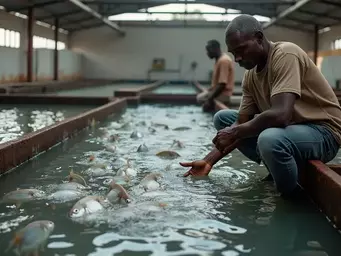
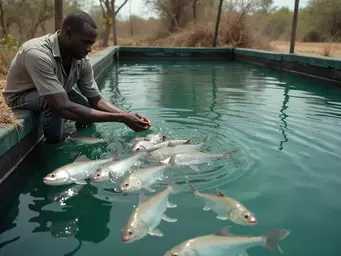
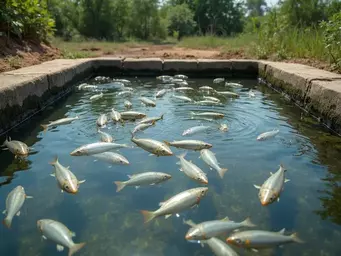
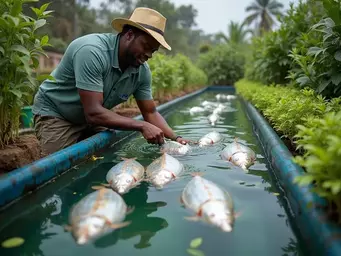
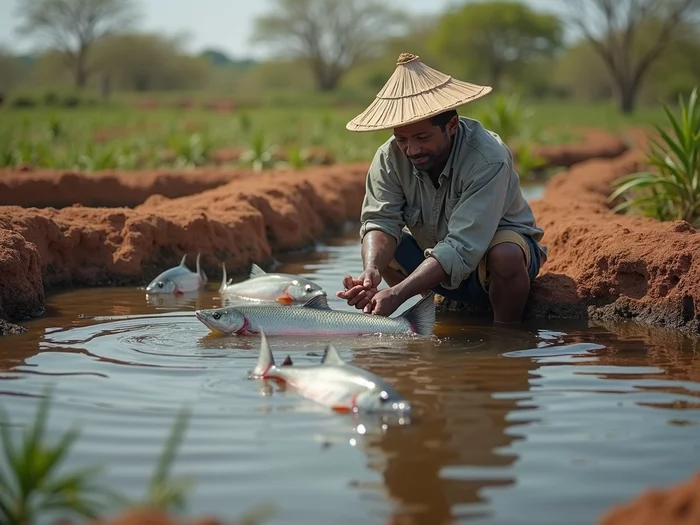
You've invested in quality tilapia fingerlings and premium feed, yet your fish keep dying unexpectedly. The water appears clear, your feeding schedule is consistent, but losses continue mounting week after week. This heartbreaking scenario affects countless tilapia farmers across Africa who watch their investment literally float to the surface.
Disease outbreaks can devastate tilapia farms faster than any other challenge in aquaculture. Both Nile tilapia and Blue tilapia, despite their reputation for hardiness, remain vulnerable to bacterial infections, parasites, and viral diseases when conditions favour pathogen growth. Early detection and swift action often mean the difference between minor losses and total pond failure.
This comprehensive guide equips you with practical disease prevention strategies and treatment protocols that work in African farming conditions. You'll learn to recognise early warning signs, implement biosecurity measures, and respond effectively when disease strikes your tilapia operation.
🎯 What You'll Learn
- How to design and prepare a tilapia pond for optimal health and productivity.
- Effective water quality management techniques to ensure a healthy environment for tilapia.
- Daily maintenance practices that prevent disease and enhance fish growth.
Pond Design and Preparation
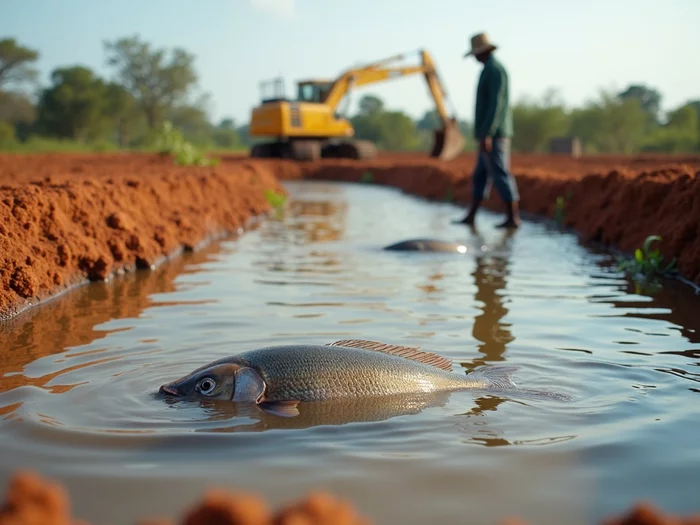
You cannot fix poor pond design with expensive equipment or premium feed—the foundation of your tilapia operation determines everything that follows. Most fish deaths and production failures in African tilapia farming trace back to fundamental design mistakes made during construction. When you build correctly from the start, you prevent 80% of the problems that plague struggling farmers.
Proper pond design affects water quality, predator control, maintenance costs, and harvest efficiency throughout your farming operation. Nile tilapia (Oreochromis niloticus) and Blue tilapia (Oreochromis aureus) both thrive in well-designed systems but struggle in poorly planned ponds regardless of your management skills. The difference between a profitable farm and a constant headache often comes down to decisions you make before adding the first drop of water.
This section covers the critical design elements that separate successful tilapia operations from failed ventures. You'll learn location selection criteria, essential design features, construction techniques, and aeration requirements that work in African conditions.
Selecting the Right Location for Your Pond
You need to assess your local climate conditions before breaking ground, particularly temperature and rainfall patterns that directly affect tilapia growth. Nile tilapia grows fastest in temperatures between 25-30°C, whilst Blue tilapia tolerates slightly cooler conditions down to 20°C. In Kenya's high-altitude regions around Nairobi, temperature fluctuations can stress Nile tilapia, making Blue tilapia a better choice for elevations above 1,800 metres.
Your soil type determines whether your pond holds water or becomes an expensive hole in the ground. Clay soils with 20-30% clay content provide excellent water retention, whilst sandy soils require expensive liners. Test soil composition by digging a 1-metre test hole and filling it with water—if water levels drop more than 5cm in 24 hours, you'll need additional sealing measures.
Position your pond within 100 metres of a reliable water source for easy filling and regular top-ups during dry seasons. In Nigeria, farmers near rivers often pump directly from natural sources, but you must consider seasonal flow variations and potential contamination from upstream activities.
Key Design Features for Tilapia Ponds
You should build ponds between 500-1000 square metres for optimal management as a small-scale farmer. Smaller ponds experience rapid temperature and oxygen fluctuations, whilst larger ponds become difficult to monitor and harvest effectively. A 20m x 30m pond (600m²) allows you to stock 1,800-3,000 tilapia fingerlings at recommended densities of 3-5 fish per square metre.
Your pond depth should range from 1.2 metres at the shallow end to 2.5 metres at the deep end, creating thermal stratification that benefits both tilapia species. The shallow areas serve as feeding zones where you can easily observe fish behaviour, whilst deeper sections provide refuge during hot afternoons when surface temperatures exceed 32°C. Include a 2% slope towards the drainage point to prevent stagnant areas where waste accumulates.
Design your pond with gently sloping banks at a 3:1 ratio (3 metres horizontal for every 1 metre vertical) to prevent erosion and allow easy access for feeding and maintenance. In Uganda, farmers often create stepped banks with flat areas at different depths, making pond cleaning and net handling much easier during harvest.
Construction Materials and Techniques
You can use locally available clay as your primary pond lining material if your soil contains sufficient clay content. Compact clay in 15cm layers using a mechanical compactor or heavy foot traffic, achieving 95% compaction to prevent seepage. In Tanzania, farmers successfully use local clay mixed with 10% cement to create durable, low-cost pond linings that last 5-7 years.
Install predator barriers during construction rather than adding them later when problems arise. Build 1.5-metre high fencing around your pond perimeter using locally available materials like bamboo or metal mesh. Bury the fence 30cm underground to prevent burrowing predators, and angle the top 20cm inward to deter climbing animals.
Consider plastic liner installation if your soil has poor water retention or high stone content. HDPE liners cost KES 150-200 per square metre in Nairobi but eliminate seepage problems permanently. Protect liners with a 10cm sand layer underneath and avoid sharp objects during construction and maintenance activities.
Aeration Systems and Their Importance
You must install aeration systems before stocking fish, as dissolved oxygen levels drop rapidly in warm African climates. Paddlewheel aerators work effectively for ponds larger than 1,000m², whilst smaller operations benefit from electric air pumps connected to air stones. Budget KES 25,000-40,000 for a basic aeration system that can handle 500-800m² of pond surface.
Solar-powered aeration systems offer excellent value in sunny African conditions, operating 8-10 hours daily without electricity costs. In Egypt, farmers report 30% better growth rates and reduced mortality when using solar aerators compared to non-aerated ponds. Install 1 watt of aeration power per 4 square metres of pond surface for adequate oxygen levels.
Position aerators to create circular water movement that prevents dead zones where waste accumulates. Run aeration systems during the hottest parts of the day (10am-4pm) and throughout the night when oxygen levels naturally drop. Nile tilapia requires dissolved oxygen above 5mg/L for optimal growth, whilst Blue tilapia tolerates brief periods down to 3mg/L without significant stress.
Water Quality Management
You cannot maintain healthy tilapia without understanding the invisible chemistry that determines whether your fish thrive or die. Water quality problems kill more tilapia than predators, diseases, and poor feeding combined, yet most African farmers only test their water after fish start dying. The difference between crystal-clear water and healthy water often surprises new farmers—what looks perfect to your eyes might be toxic to your tilapia.
Both Nile tilapia and Blue tilapia tolerate a wide range of water conditions, but optimal parameters boost growth rates by 40-60% compared to marginal conditions. Temperature, pH, dissolved oxygen, and toxic compounds like ammonia work together in complex ways that affect feeding behaviour, reproduction, and disease resistance. Small changes in these parameters can trigger stress responses that reduce growth and increase mortality within days.
This section provides practical water quality management techniques that work with limited equipment and budgets. You'll learn to test essential parameters using affordable kits, recognise warning signs before problems become critical, and implement corrective measures using locally available materials.
Understanding Water Parameters for Tilapia
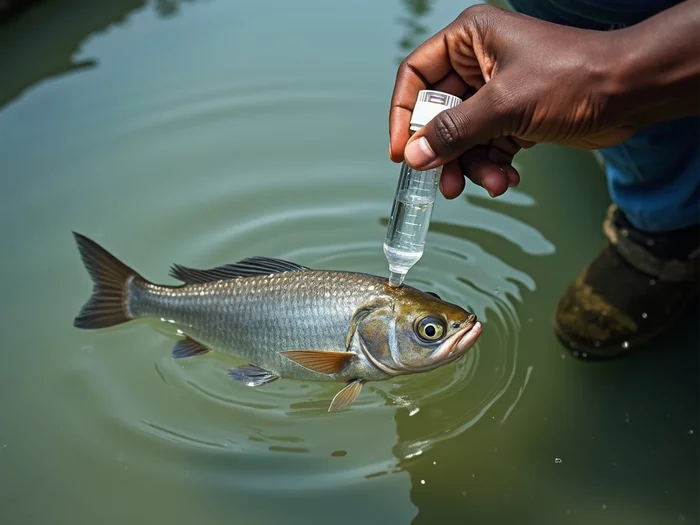
You need to monitor four critical parameters that directly affect tilapia health: temperature, pH, dissolved oxygen, and ammonia levels. Temperature should remain between 25-30°C for optimal Nile tilapia growth, whilst Blue tilapia tolerates cooler conditions down to 20°C without significant stress. In Rwanda's highland regions, farmers often struggle with temperature fluctuations that slow growth rates during cool seasons.
pH levels between 6.5-8.5 support healthy tilapia growth, with 7.0-8.0 being ideal for both species. Test pH weekly using simple test strips that cost KES 50-100 per pack and provide 50-100 tests. Blue tilapia tolerates pH variations better than Nile tilapia, making them suitable for areas with naturally acidic or alkaline water sources.
Water hardness between 50-400 mg/L provides essential minerals for bone development and osmoregulation in tilapia. Soft water below 50 mg/L can cause stress and poor growth, whilst extremely hard water above 500 mg/L may reduce feed conversion efficiency. In Ghana, farmers near coastal areas often deal with high mineral content that requires dilution with rainwater during wet seasons.
Monitoring and Adjusting pH Levels
You should test pH levels every morning before feeding, as natural fluctuations occur throughout the day due to photosynthesis and respiration cycles. pH typically drops at night when plants consume oxygen and release CO2, then rises during daylight hours. Record these patterns to understand your pond's natural rhythm and identify when intervention becomes necessary.
Raise low pH using agricultural lime (calcium carbonate) at 50-100 grams per 1,000 litres of water, applied gradually over 2-3 days to prevent shocking your fish. In Zambia, farmers successfully use locally quarried limestone crushed to powder form, mixing it with pond water before broadcasting across the surface. Never add lime directly to concentrated areas where fish might encounter high concentrations.
Lower high pH using organic matter like compost or rice bran, which releases organic acids as it decomposes. Add 1-2 kg of well-aged compost per 1,000 litres of water, monitoring pH changes over 5-7 days. Avoid rapid pH adjustments exceeding 0.5 units per day, as sudden changes stress tilapia more than gradual shifts to optimal levels.
⚠️ Warning: pH Shock Prevention
Never adjust pH by more than 0.5 units in a single day. Rapid pH changes can kill tilapia within hours, even when moving towards optimal levels. Always test water before and after adjustments, and monitor fish behaviour for signs of stress like erratic swimming or gasping.
Ensuring Optimal Dissolved Oxygen Levels
You must maintain dissolved oxygen above 5 mg/L for healthy tilapia growth, with levels below 3 mg/L causing stress and potential mortality. Test oxygen levels using simple test kits or electronic metres, focusing on early morning measurements when oxygen naturally reaches daily minimums. Nile tilapia shows stress signs like surface gasping when oxygen drops below 4 mg/L, whilst Blue tilapia tolerates brief periods at 3 mg/L.
Install aeration systems that operate during critical low-oxygen periods, typically from midnight to sunrise when plant respiration consumes oxygen without photosynthetic replacement. Solar-powered aerators work excellently in sunny African conditions, providing 8-10 hours of operation daily. In Egypt, farmers report 25% better growth rates using solar aeration compared to non-aerated ponds.
Plant water hyacinth or other aquatic vegetation around pond edges to boost daytime oxygen production through photosynthesis. Maintain vegetation coverage at 20-30% of pond surface to balance oxygen production with potential nighttime consumption. Remove excess plants regularly to prevent overcrowding that can cause severe oxygen depletion during cloudy weather or plant die-offs.
Managing Ammonia and Nitrite Levels
You need to keep ammonia levels below 0.02 mg/L and nitrite below 0.5 mg/L to prevent toxicity in tilapia. Both compounds result from fish waste and uneaten feed decomposition, building up rapidly in overstocked or poorly managed ponds. Test these parameters weekly using affordable test kits, increasing frequency to daily testing if levels approach dangerous thresholds.
Reduce ammonia through partial water changes of 10-20% weekly, replacing old water with fresh, dechlorinated water of similar temperature. In Kenya, farmers often use settling ponds to age new water for 24-48 hours before adding it to fish ponds, allowing chlorine to dissipate and temperatures to equalise. Never change more than 30% of pond water at once, as this can shock fish and disrupt beneficial bacteria populations.
Establish biological filtration using gravel beds or constructed wetlands that harbour beneficial bacteria converting ammonia to less toxic nitrates. Create simple biofilters using 200-litre drums filled with gravel, pumping pond water through them continuously. In Malawi, farmers build small wetland areas connected to their ponds, using local plants like papyrus to absorb excess nutrients whilst providing natural biological filtration.
Daily Maintenance Practices
You cannot maintain a successful tilapia operation without establishing consistent daily routines that catch problems before they become disasters. Most pond failures result from neglecting simple daily tasks that take less than 30 minutes but prevent thousands of dollars in losses. The difference between thriving tilapia farms and struggling operations often comes down to disciplined daily maintenance rather than expensive equipment or advanced techniques.
Daily maintenance creates the foundation for everything else in your tilapia farming system—proper feeding, disease prevention, water quality management, and growth optimisation all depend on consistent daily attention. Nile tilapia and Blue tilapia both respond dramatically to stable, well-maintained environments, showing 25-40% better growth rates when daily routines prevent stress and maintain optimal conditions. Small problems detected early through daily monitoring cost pennies to fix, whilst the same issues ignored for weeks can destroy entire harvests.
This section establishes practical daily maintenance routines that work within African farming schedules and resource constraints. You'll learn efficient monitoring techniques, debris management strategies, and preventive measures that keep your tilapia healthy whilst minimising labour requirements and operational costs.
Daily Monitoring Tasks for Healthy Ponds
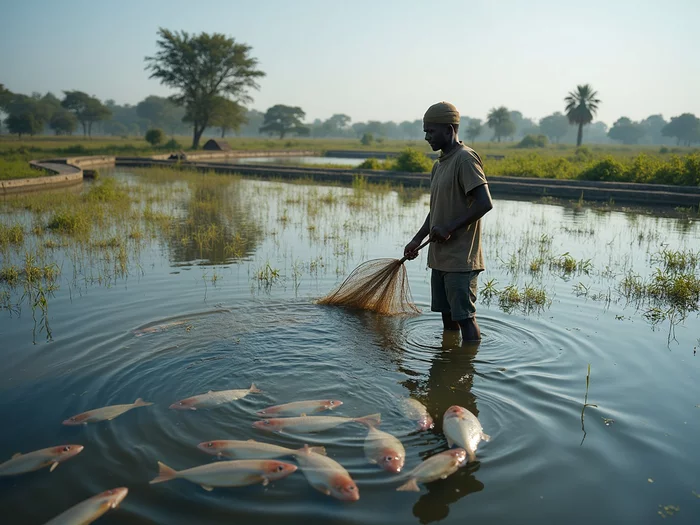
You should begin each day with a 15-minute pond inspection that covers water appearance, fish behaviour, and equipment function. Check for unusual colours, odours, or floating debris that indicate developing problems requiring immediate attention. In Ghana, successful farmers report that morning inspections prevent 70% of serious problems by catching issues within 24 hours of onset.
Observe your tilapia feeding behaviour during the first meal of the day, as healthy fish show immediate interest and active feeding within 2-3 minutes of feed distribution. Nile tilapia typically feeds aggressively at the surface, whilst Blue tilapia may feed more cautiously but should still respond quickly to feed. Sluggish feeding or fish remaining at the bottom often signals water quality problems, disease onset, or temperature stress.
Record daily observations in a simple logbook noting water temperature, weather conditions, feeding response, and any unusual observations. Create a basic checklist covering aeration system operation, water level changes, predator signs, and equipment damage. In Kenya, farmers using daily monitoring logs identify problems 3-4 days earlier than those relying on weekly inspections, significantly reducing mortality rates.
Effective Debris Removal Techniques
You must remove floating debris daily before it sinks and decomposes, consuming oxygen and releasing toxic compounds that stress your tilapia. Use a simple leaf net or rake to collect leaves, grass clippings, and other organic matter that accumulates overnight or after windy weather. Decomposing organic matter can reduce dissolved oxygen by 2-3 mg/L within 48 hours in warm African climates.
Focus debris removal efforts on feeding areas where uneaten feed combines with organic matter to create pollution hotspots. Remove any uneaten feed within 2 hours of feeding to prevent water quality degradation and bacterial growth. In Uganda, farmers schedule debris removal immediately after morning feeding, combining both tasks into an efficient 20-minute routine.
Clean and disinfect your debris removal tools weekly using a 10% bleach solution to prevent transferring pathogens between pond sections or different ponds. Store tools in a dry location away from the pond to prevent contamination from wild birds or other animals. Simple tool maintenance prevents disease transmission that can devastate tilapia populations within days of introduction.
Water Level Management Strategies
You need to monitor water levels daily during dry seasons when evaporation can lower pond levels by 2-5cm per day in hot climates. Mark your optimal water level on a permanent stake or pond wall to easily track changes and determine when to add fresh water. Maintain water levels within 10cm of optimal depth to prevent temperature fluctuations and ensure proper aeration system function.
Add fresh water during cooler morning or evening hours to minimise temperature shock to your tilapia. Test new water temperature before adding it to your pond, ensuring differences remain below 3°C to prevent stress. In Tanzania, farmers often use settling tanks to age new water for 24 hours, allowing temperature equalisation and chlorine dissipation from municipal water sources.
Install simple overflow systems using PVC pipes to prevent pond flooding during heavy rains that can wash away fish or dilute water chemistry. Position overflow outlets 15-20cm below maximum safe water levels to provide adequate buffer during storm events. Excessive water dilution can crash beneficial bacteria populations and destabilise pH levels that took weeks to establish.
Predator Control Methods
You should inspect predator barriers daily for damage from storms, animals, or normal wear that creates entry points for fish-eating birds, snakes, and mammals. Check fence integrity, net condition, and gate closures that protect your investment from losses that can exceed 20-30% of stock in unprotected ponds. In Zambia, farmers report that consistent barrier maintenance reduces predation losses from 25% to less than 5% annually.
Remove any dead fish immediately to prevent attracting scavenging birds and mammals that may then target live tilapia. Dead fish also decompose rapidly in warm water, creating water quality problems and potential disease outbreaks. Bury or compost dead fish at least 50 metres from your pond to avoid creating permanent predator attractants near your operation.
Implement active deterrent methods like reflective tape, noise makers, or decoy predators that discourage birds without harming them. Rotate deterrent locations weekly as intelligent predators like herons and kingfishers quickly learn to avoid ineffective threats. Solar-powered motion sensors that activate lights or sounds provide effective 24-hour protection in areas with significant nocturnal predation pressure.
💡 Pro Tip: Morning Routine Efficiency
Combine your daily monitoring, feeding, and debris removal into a single 30-minute morning routine. This approach ensures consistency whilst minimising labour time, and morning observations provide the most accurate assessment of overnight changes in your pond conditions.
Disease Prevention and Treatment
You face an invisible enemy that can destroy months of careful work within days—disease outbreaks that spread faster than you can react. Disease prevention in tilapia farming requires understanding that healthy fish resist most pathogens naturally, whilst stressed fish succumb to diseases that wouldn't affect robust populations. The key lies not in treating sick fish, but in maintaining conditions that keep your tilapia healthy enough to fight off infections before they establish.
Both Nile tilapia and Blue tilapia possess natural disease resistance when properly managed, but African farming conditions often create stress factors that compromise immune systems. High temperatures, poor water quality, overcrowding, and nutritional deficiencies weaken fish defences, allowing opportunistic bacteria, parasites, and viruses to cause devastating outbreaks. Prevention costs a fraction of treatment and delivers far better results than attempting to cure established infections.
This section provides practical disease prevention strategies and emergency treatment protocols that work in resource-limited African farming conditions. You'll learn to recognise early warning signs, implement biosecurity measures, and respond effectively when prevention fails and treatment becomes necessary.
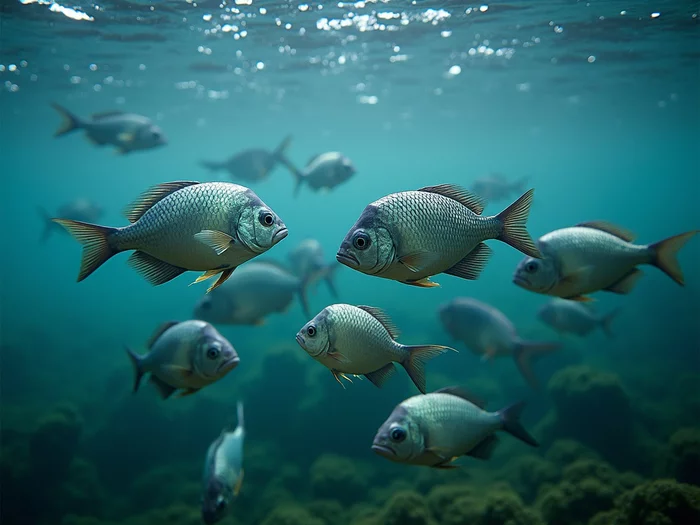
Common Tilapia Diseases and Symptoms
You must learn to recognise streptococcosis, the most devastating bacterial disease affecting tilapia across Africa, causing 40-80% mortality in untreated outbreaks. Infected fish show erratic swimming behaviour, loss of appetite, darkened skin colour, and characteristic eye cloudiness or bulging. Nile tilapia typically shows more pronounced symptoms than Blue tilapia, making early detection easier but requiring faster intervention to prevent spread.
Columnaris disease appears as white or grey patches on fins, gills, and body surfaces, often following physical injuries or handling stress. Affected fish gasp at the surface due to gill damage and may show frayed fins or cotton-like growths around wounds. In Egypt, columnaris outbreaks frequently follow transport stress or rough handling during pond maintenance activities.
Parasitic infections manifest as fish rubbing against pond walls, rapid gill movement, and visible spots or worms on skin and fins. Ich (white spot disease) creates small white dots across the body, whilst anchor worms appear as thread-like parasites protruding from the skin. Blue tilapia shows better resistance to most parasites compared to Nile tilapia, but both species require prompt treatment to prevent secondary bacterial infections.
Strategies for Disease Prevention
You should implement strict biosecurity protocols that prevent disease introduction rather than attempting to treat established infections. Quarantine all new fish for 14-21 days in separate holding facilities before introducing them to your main ponds. Test new stock for common diseases and observe feeding behaviour, swimming patterns, and physical condition during quarantine periods.
Maintain optimal water quality parameters as your primary disease prevention tool, as stressed fish become susceptible to pathogens that healthy fish resist naturally. Keep dissolved oxygen above 5 mg/L, maintain stable temperatures within species-appropriate ranges, and prevent ammonia accumulation through proper feeding and waste management. In Nigeria, farmers maintaining excellent water quality report 90% fewer disease outbreaks compared to those with marginal conditions.
Provide high-quality nutrition that supports immune system function through balanced protein levels, essential vitamins, and immune-boosting additives like garlic or probiotics. Feed consistently at appropriate rates to prevent overfeeding that degrades water quality whilst ensuring adequate nutrition for disease resistance. Malnourished tilapia show 3-5 times higher disease susceptibility than well-fed fish receiving balanced diets.
Treatment Options for Infected Fish
You should begin treatment immediately upon detecting disease symptoms, as delays allow pathogens to multiply and spread throughout your fish population. Isolate affected fish in treatment tanks when possible, or treat entire ponds if isolation isn't feasible. Use medicated feeds containing antibiotics like oxytetracycline at 50-75 mg per kg of fish body weight daily for 7-10 days for bacterial infections.
Prepare medicated feeds by mixing powdered antibiotics with a small amount of feed using vegetable oil as a binder to ensure medication adheres to pellets. Feed medicated diets immediately after preparation to prevent medication degradation, and store unused portions in cool, dry conditions for maximum 24 hours. In Kenya, farmers successfully treat streptococcosis using locally available oxytetracycline mixed with commercial feeds.
Apply water treatments for parasitic infections using salt baths at 3-5 grams per litre for 5-10 minutes, or formalin treatments at 25 ppm for 1 hour with continuous aeration. Monitor fish closely during treatments for signs of distress, and provide emergency aeration if fish show gasping or erratic behaviour. Remove fish immediately if severe stress symptoms appear, as treatment toxicity can exceed disease damage.
Importance of Biosecurity Measures
You must establish controlled access to your pond facility, limiting visitors and requiring disinfection procedures for anyone entering fish areas. Provide foot baths containing 2% bleach solution at pond entrances, and require clean clothing or coveralls for workers handling fish or equipment. Disease transmission through contaminated footwear and clothing causes many outbreaks that could be prevented through simple biosecurity measures.
Disinfect all equipment moving between ponds or farms using bleach solutions, potassium permanganate, or other approved disinfectants. Clean nets, buckets, and tools thoroughly before disinfection to ensure chemical contact with all surfaces. In Uganda, farmers sharing equipment between operations follow strict cleaning protocols that have eliminated cross-contamination disease outbreaks.
Control wild bird access to your ponds through netting or other barriers, as birds transport pathogens between water bodies and can introduce diseases from infected wild fish populations. Install bird deterrents and remove attractants like dead fish or spilled feed that draw scavenging birds to your facility. Maintain detailed records of all visitors, equipment movements, and fish transfers to trace disease sources if outbreaks occur despite prevention efforts.
Troubleshooting Common Pond Issues
You will encounter pond problems regardless of your experience level or management skills—the key lies in rapid diagnosis and effective response before minor issues become major disasters. Most tilapia farming failures result from delayed recognition of developing problems rather than lack of solutions once issues are identified. Successful farmers develop systematic approaches to problem-solving that save time, reduce losses, and prevent recurring issues.
Problem diagnosis in tilapia ponds requires understanding the interconnected nature of water quality, fish behaviour, and environmental factors that influence pond health. A single symptom like fish gasping at the surface might indicate oxygen depletion, ammonia toxicity, disease outbreak, or temperature stress—each requiring different solutions. Misdiagnosis leads to ineffective treatments that waste time and resources whilst problems worsen.
This section provides systematic troubleshooting approaches that help you identify root causes quickly and implement appropriate solutions. You'll learn diagnostic techniques, emergency response procedures, and preventive measures that address common pond problems before they threaten your tilapia operation.
Identifying Symptoms of Poor Water Quality
You should recognise that fish gasping at the pond surface indicates critically low dissolved oxygen levels requiring immediate aeration or emergency water exchange. Healthy tilapia rarely surface except during feeding, so persistent surface activity signals oxygen depletion below 3 mg/L. Nile tilapia shows distress signs earlier than Blue tilapia, making them useful indicators of developing oxygen problems.
Watch for algae blooms that turn water green, brown, or red, indicating nutrient imbalances that can cause rapid oxygen swings and pH fluctuations. Algae blooms consume oxygen at night whilst producing excess oxygen during daylight, creating dangerous fluctuations that stress tilapia. In Ghana, farmers report fish kills following algae die-offs that consume all available oxygen during decomposition.
Detect foul odours resembling rotten eggs or sewage that indicate anaerobic decomposition and hydrogen sulphide production in pond sediments. These conditions create toxic environments that kill beneficial bacteria and stress fish immune systems. Test water immediately when odours develop, as hydrogen sulphide levels above 0.1 mg/L can kill tilapia within hours of exposure.

Diagnosing Fish Kills and Their Causes
You must act quickly when discovering dead fish, as the cause determines whether remaining fish face immediate danger requiring emergency intervention. Check water temperature first, as sudden temperature changes above 5°C can shock tilapia and cause immediate mortality. Collect water samples for testing dissolved oxygen, ammonia, and pH levels to identify chemical causes of fish deaths.
Examine dead fish for external signs of disease, injury, or parasites that might indicate infectious causes requiring treatment of surviving fish. Look for lesions, unusual growths, damaged gills, or parasites visible on skin and fins. In Zambia, farmers learning basic fish necropsy techniques identify disease outbreaks 2-3 days earlier than those relying only on behavioural observations.
Document environmental conditions preceding fish kills, including recent weather changes, feeding modifications, chemical applications, or equipment failures that might explain mortality. Record time of death discovery, number of affected fish, and species differences in mortality rates. Blue tilapia often shows better survival during environmental stress compared to Nile tilapia, helping identify stress-related versus infectious causes.
Addressing Seepage and Water Loss
You can identify seepage problems by monitoring daily water level changes that exceed normal evaporation rates of 0.5-1.0 cm per day in African climates. Mark water levels on permanent stakes and measure changes at the same time daily to establish patterns. Sudden increases in water loss often indicate new leaks requiring immediate repair to prevent pond drainage.
Locate leak sources by walking pond perimeters during low water periods when seepage points become visible as wet spots or vegetation growth patterns. Check dam faces, inlet/outlet structures, and areas disturbed by burrowing animals that create seepage channels. In Malawi, farmers use food colouring added to suspected leak areas to trace water flow patterns and pinpoint repair locations.
Repair small leaks using local clay mixed with cement at 10:1 ratios, applied in thin layers and compacted thoroughly. Drain pond sections if possible for permanent repairs, or use underwater repair techniques for emergency fixes. Large leaks may require professional assessment and major reconstruction, but most seepage problems respond to simple clay patching techniques when addressed promptly.
⚠️ Warning: Emergency Response Priority
When fish show distress symptoms, always address oxygen levels first before investigating other causes. Low oxygen kills fish within hours, whilst most other problems develop over days or weeks. Install emergency aeration immediately, then diagnose underlying causes once fish are stable.
Creating a Troubleshooting Decision Tree
You should develop a systematic approach to problem diagnosis that starts with the most life-threatening issues and works towards less urgent problems. Begin with dissolved oxygen testing when fish show distress, followed by temperature and pH measurements that affect fish immediately. Save detailed water chemistry analysis for situations where basic parameters appear normal but problems persist.
Create simple flowcharts that guide you through logical diagnostic steps based on observed symptoms. Start with "Are fish gasping at surface?" leading to oxygen testing and aeration, then branch to "Are fish showing feeding problems?" leading to water quality and disease investigations. In Kenya, farmers using decision trees solve problems 50% faster than those using random troubleshooting approaches.
Document successful solutions for future reference, noting specific symptoms, test results, treatments applied, and outcomes achieved. Build your own troubleshooting database based on local conditions and experiences that supplements general guidelines. Include seasonal patterns, equipment-specific issues, and local supplier information that helps you respond quickly to recurring problems in your specific farming environment. Effective problem-solving skills directly impact your farm's profitability by reducing fish deaths and operational costs.
| Parameter | Optimal Range | Frequency | Action if Outside Range |
|---|---|---|---|
| Temperature | 25-30°C (Nile), 20-30°C (Blue) | Daily | Adjust aeration or stock species accordingly |
| pH | 6.5-8.5 (ideal 7.0-8.0) | Weekly | Adjust using lime or organic matter |
| Dissolved Oxygen | Above 5 mg/L | Daily | Increase aeration immediately |
| Ammonia | Below 0.02 mg/L | Weekly | Perform partial water changes |
| Stocking Density | 3-5 fish/m² | At stocking | Reduce stock or increase pond size |
| Debris Removal | Daily | After feeding | Prevent accumulation to maintain water quality |
Conclusion
You now possess the essential knowledge to maintain healthy tilapia ponds through proper design, daily monitoring, and proactive problem-solving. Focus on the fundamentals—good pond construction, consistent water quality management, and regular maintenance routines that prevent problems before they develop. These practices form the backbone of successful tilapia farming across Africa.
Start implementing these techniques gradually rather than attempting everything at once. Begin with daily monitoring routines and basic water testing, then expand your capabilities as you gain experience. Your ability to recognise early warning signs and respond appropriately will improve with practice, leading to healthier fish and better production outcomes.
With solid pond management skills established, you can now focus on optimising your feeding strategies and exploring advanced production techniques. Remember that successful tilapia farming builds on consistent application of proven methods rather than complex solutions. Your foundation is strong—now apply this knowledge consistently to achieve the productive, profitable operation you're working towards.
Frequently Asked Questions
What's the best pond shape for tilapia, and does it matter for aeration?
Rectangular ponds are generally best for tilapia, as they allow for more efficient netting during harvest and easier placement of aeration systems to create circular water flow. While the article discusses pond size, a good rectangular shape (e.g., 2:1 or 3:1 length-to-width ratio) helps prevent stagnant areas and maximises the effectiveness of your aerators.
How often should I clean the pond bottom, and what tools should I use?
Regular pond bottom cleaning isn't a daily task, but you should aim for a thorough cleaning every 3-6 months, or when sludge accumulation becomes noticeable (e.g., 10-15cm thick). You can use a pond vacuum or simply drain the pond partially to scrape out accumulated sludge with shovels and rakes, ensuring a 2% slope towards your drainage point for efficiency.
Can I use a natural water source like a stream or river directly for my pond without treatment?
While direct pumping from natural sources is common, it carries risks. You should always consider seasonal flow variations and potential contamination from upstream activities, which can introduce diseases, pollutants, or predators. Ideally, pass river water through a simple sand filter or settling pond for 24-48 hours to remove suspended solids and allow chlorine (if present) to dissipate before introducing it to your tilapia pond.
Why is it so important to have a deep end in my tilapia pond, especially for Nile tilapia?
The deep end (up to 2.5 metres) is crucial for thermal stratification, providing a cool refuge for your tilapia during hot afternoons when surface temperatures can exceed 32°C. Nile tilapia, in particular, are sensitive to high temperatures, and the deeper, cooler water reduces stress, preventing slowed growth and increased disease susceptibility. It also helps concentrate waste for easier removal.
What if my pond water consistently turns green with algae, even with good aeration?
Consistent green algae indicates an excess of nutrients, often from overfeeding or too much organic matter. Reduce your feeding rate by 10-20% and ensure all uneaten feed is removed promptly. You can also introduce some aquatic plants like water hyacinth (covering 20-30% of the surface) to absorb excess nutrients, but remove them regularly to prevent oxygen depletion at night.


Yomi Adisa Lead Researcher
Yomi Adisa is the lead researcher at Fish Farming Business, where he studies what makes aquaculture ventures profitable across Africa. His research focuses on market patterns, buyer preferences, and the business decisions that determine success or failure in fish farming.