Exploring the Fascinating Life Cycle of Tilapia Fish
Posted on: 2025-11-18
By: Yomi Adisa
As an African fish farmer, understanding the tilapia life cycle is not just beneficial; it's essential for your success. Have you ever considered how each stage of tilapia growth can directly impact your profits? From egg to fry, and then to maturity, the journey of tilapia offers crucial insights that can dictate your farming strategies.
Misunderstanding these stages can lead to costly mistakes, affecting everything from growth rates to breeding outcomes. In this blog post, we will delve into the tilapia life cycle, exploring each stage in detail and highlighting the factors you must consider to optimise your farming practices. Equip yourself with the knowledge you need to navigate this journey effectively.
What You Will Learn
- Understanding each stage of the tilapia life cycle and its impact on growth and survival.
- Key environmental factors that influence tilapia health and productivity.
- Common mistakes to avoid during the fry, juvenile, and adult stages.
- Strategies for optimising feeding and water quality for better returns.
- How to identify signs of sexual maturity and manage breeding effectively.
The Tilapia Life Cycle: What Every African Fish Farmer Needs to Know
Why Understanding Tilapia's Journey is Crucial for Your Success
You might think raising tilapia is straightforward—stock your pond, feed them, and harvest in six months. But here's what most farmers don't realise: every stage of tilapia's life cycle presents specific opportunities and risks that can make or break your profitability. A farmer in Kumasi lost 2,000 fingerlings worth ₵8,000 because he didn't understand their vulnerability during the first two weeks of life.
The difference between farmers who consistently profit and those who struggle often comes down to one thing: understanding what tilapia need at each stage of their development. When you know how their bodies change, what stresses them, and what they require to thrive, you can make decisions that protect your investment and maximise your returns. Most production guides focus on general feeding and pond management, but they miss the critical details about how tilapia's needs shift as they grow.
You need to understand these changes because your fish can't tell you when something's wrong—they'll simply stop growing, get sick, or die. Understanding proper pond construction techniques becomes crucial when you realise how environmental factors affect each developmental stage differently.
The Impact of Tilapia on Your Local Economy
Tilapia farming represents one of the fastest-growing sectors in African aquaculture, and for good reason. These fish adapt well to local conditions, grow relatively quickly, and meet strong market demand across the continent. In Nigeria alone, tilapia production has increased by 40% over the past five years, with farmers in Lagos State reporting average profits of ₦150,000 per pond cycle when managed properly.
You're entering a market where demand consistently outstrips supply. Urban consumers across Africa increasingly prefer fresh tilapia over imported frozen fish, creating opportunities for local farmers who understand production fundamentals. The key is producing healthy, market-sized fish consistently—something that requires deep knowledge of the life cycle.
Your success directly impacts your community's food security and economic development. When you produce quality tilapia efficiently, you create jobs, reduce import dependence, and provide affordable protein to local markets. But this only happens when you understand what your fish need at every stage of their development.
Market Opportunity Indicators
Strong demand signals you should watch for in your local market:
- Fresh tilapia selling for 20-30% more than frozen imports
- Restaurants and hotels seeking reliable local suppliers
- Fish traders asking for specific sizes and consistent quality
- Growing middle-class population with increasing protein consumption
How Misunderstanding the Life Cycle Can Cost You
Every stage of tilapia development has specific requirements that, when ignored, lead to predictable problems. During the fry stage, inadequate nutrition stunts growth permanently—fish that should reach 300g in six months might only achieve 180g. That's a 40% reduction in your harvest value, turning a profitable cycle into a marginal one.
The juvenile stage presents different challenges. This is when tilapia establish their growth patterns and build immunity. Poor water quality during this period doesn't just slow growth—it makes fish susceptible to diseases that can wipe out entire stocks. You might not see the effects immediately, but they'll show up as poor feed conversion, irregular growth, and increased mortality later.
Sexual maturity brings its own complications. When tilapia start breeding in your grow-out ponds, they stop growing and begin competing for territory. Your feed goes towards reproduction instead of weight gain, and smaller fish get stressed by aggressive breeding behaviour. Understanding when this happens and how to prevent it can mean the difference between harvesting 300g fish and 200g fish. Implementing proper feeding schedules becomes critical during these transitional periods.
| Life Stage | Common Mistake | Typical Loss |
|---|---|---|
| Fry (0-30 days) | Wrong feed size or timing | 30-50% mortality |
| Juvenile (1-3 months) | Ignoring water quality | Stunted growth, disease |
| Adult (4+ months) | Allowing breeding | 25-40% weight reduction |
The financial impact compounds over time. Poor practices during early stages don't just affect that batch—they establish patterns that repeat in every cycle. You might blame feed quality, fingerling suppliers, or market conditions, but the real issue often traces back to misunderstanding what tilapia need as they develop from eggs to market-sized fish.
| Key Points | Details |
|---|---|
| Importance of Life Cycle Knowledge | Understanding each tilapia growth stage is crucial for successful farming and profitability. |
| Risks of Misunderstanding Stages | Ignoring specific needs at each stage can lead to stunted growth and reduced profits. |
| Economic Impact | Proper management can significantly enhance local economic development and food security. |
| Water Quality Importance | Maintaining optimal water conditions is vital for fish health and growth rates. |
| Nutritional Needs by Stage | Each developmental stage requires specific diets for effective growth and health. |
| Breeding Management | Understanding tilapia reproduction and parental care can enhance fry survival rates. |
| Species Selection | Choosing the right tilapia species aligns with market demands and environmental conditions. |
| Goal Setting | Farmers should establish realistic goals and continuously evaluate their practices. |
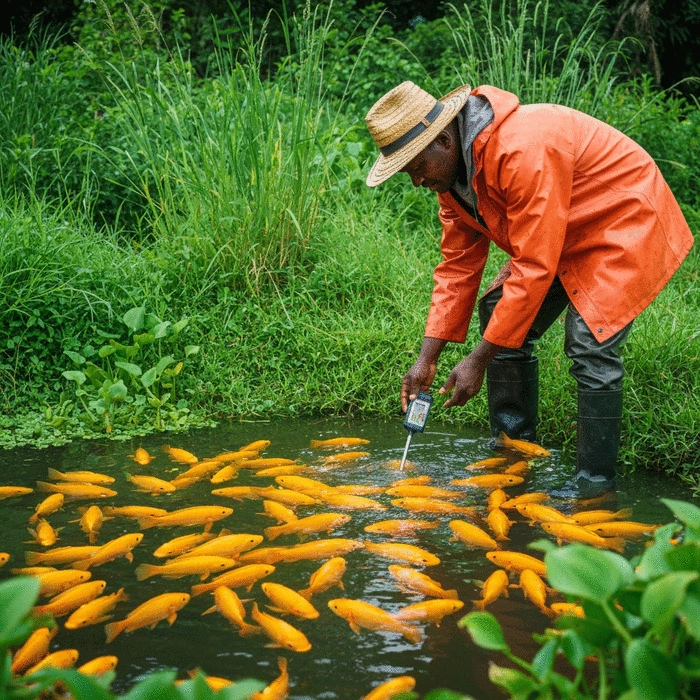
The Environment: What Happens When Conditions Are Not Right?
Understanding the environmental factors that affect tilapia growth is vital. Poor conditions can derail your production plans and lead to significant losses. Here's what you need to consider.
The Hidden Costs of Poor Water Quality
Water quality is foundational for tilapia farming. High levels of ammonia, nitrite, or low dissolved oxygen can lead to stress and mortality. You need to monitor ammonia levels (should be below 0.5ppm), nitrite levels (aim for below 0.1ppm), and dissolved oxygen (keep above 5mg/L).
Farmers often overlook these parameters until it's too late. One farmer in Uganda lost an entire cycle due to ammonia poisoning, costing him significant profits. You must establish regular testing routines and have contingency plans for when parameters drift outside acceptable ranges.
Key Water Quality Indicators
- Ammonia: <0.5ppm
- Nitrite: <0.1ppm
- Dissolved Oxygen: >5mg/L
How Temperature Fluctuations Can Derail Your Growth Plans
Tilapia thrive in temperatures between 24°C and 32°C. Deviations can cause stress, slow growth, or even mortality. You need to monitor temperature closely and aim to keep daily fluctuations below 2°C. Anything below 20°C can stunt growth significantly.
A farmer in Nigeria found his growth rates halved after a cold snap dropped temperatures unexpectedly. You need to have measures in place to regulate temperature during extremes, whether through pond depth management, shade structures, or heating systems in intensive operations.
Nutritional Mistakes That Could Set You Back
Nutritional deficiencies can severely impact growth. Each life stage has specific dietary requirements you must meet: fry require 45-50% protein, juveniles need 30-35% protein, and adults should have 25-28% protein. Many farmers use adult formulations for fry, leading to slow growth and increased mortality.
A farmer faced a 40% loss in his yield because he didn't adjust his feed formulation as his fish grew. You must understand that protein requirements decrease as fish mature, but the quality and digestibility of that protein becomes increasingly important for efficient conversion and growth. Mastering water quality management ensures your fish can properly utilise the nutrients you provide.
Key Nutritional Requirements
- Fry: 45-50% protein
- Juveniles: 30-35% protein
- Adults: 25-28% protein
Are You Meeting the Dietary Needs of Each Life Stage?
You need to adjust your feeding strategy as the fish grow. Monitor their growth closely and adjust feed formulations to suit their needs. Regular weighing and measuring of sample fish helps you track whether your nutritional programme is working effectively.
The Long-Term Effects of Neglecting Nutrition
Neglecting proper nutrition can set back growth rates significantly. Poorly fed fish not only grow slower but can also be more susceptible to diseases, resulting in higher mortality rates that will impact your profits. The effects of early nutritional deficiencies can persist throughout the fish's life, even if you correct the diet later.
What You Didn't Know About Tilapia's Reproductive Secrets
Understanding tilapia reproduction is crucial for managing stock effectively. You might be missing key details that can enhance your breeding efforts and prevent unwanted reproduction in grow-out ponds.
The Role of Parental Care in Your Stock's Success
Tilapia exhibit a unique parental care behaviour, with mothers guarding their fry. This behaviour can lead to better survival rates for the young fish. You need to create environments that allow this behaviour to flourish by providing shelter and avoiding overcrowding to promote natural breeding and care behaviours.
Understanding this natural behaviour helps you design better breeding systems and predict fry survival rates more accurately. Stressed parents will abandon their young, leading to significantly higher mortality rates in your nursery operations.
Why Nest-Building Can Make or Break Your Breeding Efforts
Males will typically build nests to attract females. If conditions are poor, they may not breed at all, costing you potential fry. You should ensure your pond has the right substrate and structure for nest-building.
A farmer in Kenya added structures to encourage breeding, resulting in a 30% increase in viable fry. Simple modifications like providing sandy areas or shallow zones can dramatically improve your breeding success rates.
Common Pitfalls in Breeding and How to Avoid Them
Many farmers face challenges like overcrowding, leading to aggressive behaviour. To avoid this, you should separate breeding males and females after spawning to prevent uncontrollable breeding and protect the size of your fish. You also need to monitor fish behaviour closely, as aggressive males can stress females, affecting fry survival.
Timing your interventions correctly prevents the energy waste that comes with continuous breeding cycles in production ponds. Fish that are constantly reproducing will never reach optimal market weights.
The Silent Threats: Diseases Impacting Your Tilapia
Disease can swiftly decimate your stock if not managed properly. Awareness and prevention are key to maintaining a healthy pond, and different life stages present unique vulnerabilities you must understand.
The Most Common Illnesses at Each Life Stage
Tilapia are susceptible to various diseases throughout their life cycle. Fry are commonly affected by fungal infections and bacterial pathogens, juveniles are more prone to stress-related diseases due to environmental factors, and adults become vulnerable to parasites and viral infections, especially during breeding. You need to monitor for symptoms such as lethargy, unusual swimming patterns, or lesions.
Early detection can save you significant losses. Establishing daily observation routines helps you spot problems before they become epidemic, allowing for targeted treatments that are more effective and less costly.
Why Prevention is Better Than Cure
Prevention strategies are crucial for maintaining healthy stocks. Regular water quality checks, proper feeding, and maintaining low-stress environments can help keep your fish healthy. You should implement biosecurity measures to minimise the risk of introducing diseases.
Farmers often overlook prevention until it's too late, but the cost of prevention is always lower than the cost of treatment and lost production. Simple measures like quarantining new stock and disinfecting equipment can prevent most disease outbreaks.
Lessons from Farmers Who've Faced Disease Outbreaks
One farmer in Ghana experienced a severe outbreak after introducing new stock without quarantine, resulting in the loss of over 50% of his adult fish. You must always quarantine new fish and regularly educate yourself about common diseases in your area. Learning from others' mistakes is far less expensive than experiencing them yourself.
Establishing relationships with veterinary services and other farmers in your area creates a support network that can help you respond quickly when problems arise.
How Different Tilapia Species Can Change Your Farming Strategy
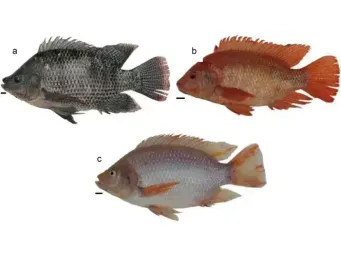
Selecting the right tilapia species can significantly influence your farming outcomes. Each species has unique growth rates, environmental tolerances, and market characteristics that should align with your specific situation and goals.
The Growth Rates You Can Expect from Each Species
Different tilapia species have varied growth rates and maturity timelines. Nile tilapia typically reach 100-120g in 3-4 months, blue tilapia achieve 150-200g in 5-6 months, and Mozambique tilapia reach 50-80g in 2-3 months. Understanding these differences allows you to plan your production cycle more effectively and align with market timing requirements.
Your choice affects everything from pond turnover rates to feed budgets and labour scheduling. Faster-growing species allow more production cycles per year but may require more intensive management.
Why Your Choice of Species Could Make or Break Your Business
Choosing the right species based on your market demands and environmental conditions is critical. For instance, if you're in a cooler region, blue tilapia may be more suitable than Nile tilapia due to their better cold tolerance. A farmer in South Africa switched to blue tilapia due to cooler temperatures, resulting in better survival rates and profits.
Market preferences also vary by region. Some areas prefer the taste and texture of specific species, while others prioritise size or appearance. Understanding your local market helps you choose species that command premium prices.
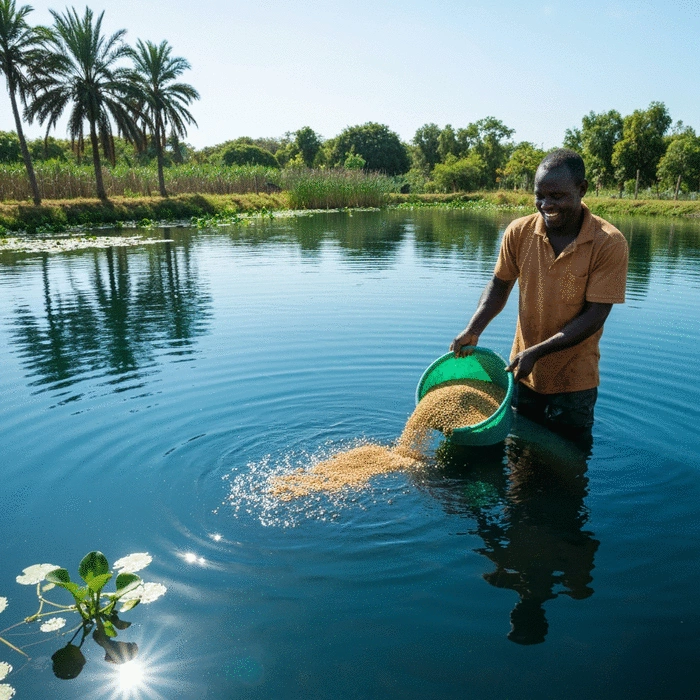
Real Stories from Farmers Who've Made Bold Species Choices
Many successful farmers have shared their experiences about choosing different species. A farmer in Uganda switched to Mozambique tilapia for their hardiness in tough conditions, and it paid off with higher yields despite smaller individual fish sizes. You need to research your local conditions and markets before making a decision.
Sometimes the "best" species on paper isn't the best choice for your specific circumstances. Local adaptation, available feed sources, and market preferences often matter more than theoretical growth rates.
What You Need to Know About Optimising Your Farming Practices
Optimising your farming practices can lead to better growth rates and profits. Small adjustments based on understanding the life cycle can make a significant difference in your overall success and sustainability.
The Real Cost of Ignoring Growth Rate Strategies
Failing to implement effective growth rate strategies can impact your bottom line significantly. You want to ensure you're making the most of every growth stage by understanding the specific requirements and opportunities each presents. Farmers who actively manage their growth rates often see marked improvements in their overall profitability.
Growth rate optimisation isn't just about feeding more—it's about feeding smarter, managing density appropriately, and creating conditions that allow fish to convert feed efficiently into body weight.
Success Stories of Farmers Who Got It Right
A farmer in Kenya reported a 25% increase in yield after implementing a tailored feeding schedule based on fish size and growth rates. Regular adjustments made a significant difference in his overall production efficiency and profitability. You can achieve similar results by paying attention to the details that matter at each life stage.
Density Management: Finding the Perfect Balance
Stocking density directly affects growth rates and should be adjusted based on the life stage of your fish. You want to keep densities optimal to avoid competition for food and space. Aim for 50-100 fish per square metre in grow-out ponds, but remember that optimal density changes as fish grow and their space requirements increase.
Higher densities can lead to stunted growth and increased mortality, while densities that are too low result in inefficient use of your pond space and infrastructure.
Calculating Your Return: The Economics of Tilapia Farming
Understanding your costs versus returns is essential for long-term success. Calculate your feed costs, fingerling costs, and expected harvest yields to determine profit margins. You should track expenses closely and adjust your practices as needed to ensure profitability.
Life cycle knowledge helps you predict costs more accurately and identify the stages where small improvements can have the biggest impact on your bottom line.
How Case Studies from Your Region Can Inform Your Practice
Reviewing local success stories can provide actionable insights that are directly relevant to your conditions. Farmers often share what techniques worked best in similar conditions, allowing you to adapt their strategies to your own operation. By connecting with your local farming community, you can gain valuable knowledge that directly applies to your situation.
Regional case studies are particularly valuable because they account for local climate, market conditions, and available resources that may not be addressed in general farming guides.
Where Do You Go from Here? Making Informed Decisions
After understanding these concepts, it's time to reflect on your current practices and set actionable goals. The knowledge you've gained about the tilapia life cycle should translate into concrete improvements in your farming operation.
Reflecting on Your Current Practices: What Needs to Change?
Take a step back and evaluate your current farming practices against what you've learned about life cycle requirements. Identify areas for improvement based on the specific needs of each developmental stage. Engage with fellow farmers to gain perspectives on what changes could enhance your operations most effectively.
Honest self-assessment is crucial for improvement. Look for patterns in your results that might indicate life cycle management issues you hadn't recognised before.
Setting Goals for Your Tilapia Farming Venture
Set realistic and measurable goals for your fish farming operations based on your new understanding of tilapia development. Goals could include increasing yield by a certain percentage, improving survival rates, or achieving more consistent harvest sizes. You want to create actionable steps to achieve these objectives and regularly review your progress.
Make sure your goals align with the biological realities of tilapia development rather than wishful thinking about what you'd like to achieve.
Connecting with Local Experts: Who Can Guide You?
Seek out local experts and extension officers who can provide tailored advice for your specific region and conditions. Their insights can be invaluable as you navigate challenges specific to your area. You should also consider joining local farming associations to establish networks for support and knowledge sharing.
Building relationships with other successful farmers, veterinarians, and agricultural extension workers creates a support system that can help you implement life cycle management more effectively.
Your Questions Answered: Common Concerns from Farmers
You likely have several pressing questions as you delve deeper into tilapia farming. Understanding the life cycle raises new questions about timing, management, and optimisation that are crucial for your success.
How Long Until Your Tilapia Reach Maturity?
Maturity time varies by species and environmental conditions, but understanding these timelines is crucial for planning. Generally, expect Nile tilapia to mature in 3-4 months, while blue tilapia may take 5-6 months. Monitoring growth rates closely will give you a clearer idea of your specific timelines under your conditions.
Remember that maturity timing affects your harvest decisions and determines when you need to separate sexes to prevent unwanted breeding.
What Conditions Can Hinder Growth?
Poor water quality, inadequate nutrition, overcrowding, and temperature fluctuations can all hinder growth at different life stages. Regular monitoring is essential to catch issues before they escalate and cause permanent damage to your fish's growth potential. Each life stage has specific vulnerabilities that require different management approaches.
Understanding which conditions affect which life stages helps you prioritise your monitoring and intervention efforts for maximum impact.
Are There Better Alternatives to Tilapia for Your Market?
While tilapia is a popular choice, other species may suit your local market better depending on consumer preferences and environmental conditions. Consider catfish or local species that may offer better growth rates or market demand in your area. Research your local fish markets to understand consumer preferences and pricing patterns.
The "best" species is the one that matches your production capabilities with market demand and environmental conditions, not necessarily the one with the highest theoretical growth rates.
Additional Resources for the Forward-Thinking Farmer
Continued education is vital for staying current with best practices and new developments in tilapia farming. The field of aquaculture is constantly evolving, and successful farmers are those who continue learning and adapting.
Recommended Literature on Tilapia Farming
Consider reading books and guides on tilapia farming specific to African conditions. Look for resources that address local practices and market insights rather than generic international guides. Publications from local agricultural universities and research institutions often provide the most relevant information for your conditions.
Focus on resources that provide detailed information about life cycle management rather than just general farming overviews.
Online Communities to Connect with Fellow Fish Farmers
Join online forums and social media groups dedicated to fish farming in your region. Engaging with fellow farmers can provide support, advice, and shared experiences that benefit your operation. These communities often share real-time information about market conditions, disease outbreaks, and successful techniques.
Active participation in farming communities helps you stay informed about developments that could affect your operation and provides access to collective knowledge that no single farmer could develop alone.
What You Might Not Know About Each Stage of Tilapia's Life
You think you understand tilapia development, but most farmers miss the critical details that separate profitable operations from struggling ones. Each stage of tilapia's life presents specific opportunities and risks that can make or break your investment. The difference between a farmer harvesting 2kg fish in eight months versus struggling with 800g fish after ten months often comes down to understanding what happens during each developmental phase.
Most farmers focus only on feeding and water changes, but tilapia development involves complex physiological changes that affect growth rates, survival, and market value. When you understand these stages properly, you can time your interventions, optimise your feeding strategies, and predict your harvest outcomes with remarkable accuracy. A farmer in Kisumu increased his survival rates from 60% to 85% simply by adjusting his management practices to match each life stage's specific requirements.
The economic impact of this knowledge is substantial. Poor understanding of developmental stages can cost you 30-40% of your potential profits through slower growth, higher mortality, and missed market timing.
The Fascinating Development from Egg to Fry
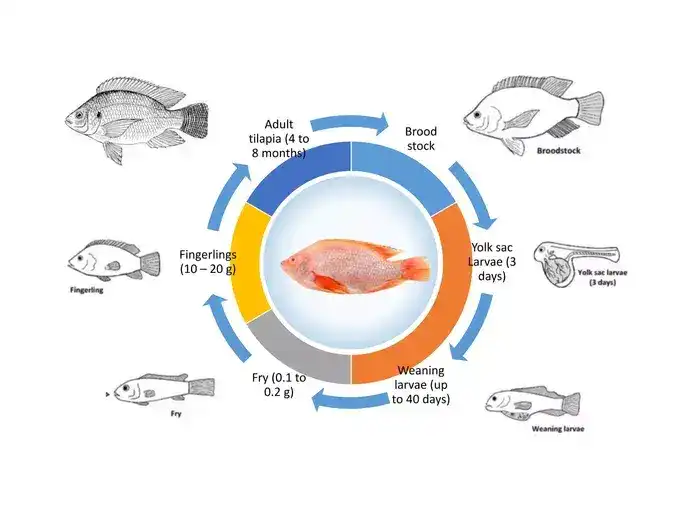
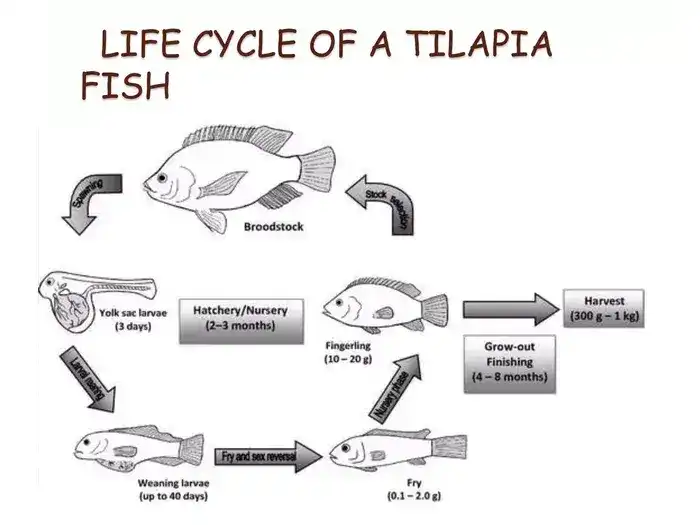
Your tilapia's journey begins with fertilised eggs that undergo rapid cellular division within hours of spawning. You need to understand that these first 72 hours determine whether you'll have strong, viable fry or weak stock that struggles throughout their lives. The egg stage lasts 3-5 days at optimal temperatures of 26-28°C, but temperature fluctuations during this period can cause developmental abnormalities that won't become apparent until weeks later.
During incubation, the developing embryo relies entirely on its yolk sac for nutrition. You cannot feed them during this stage, but you can influence their development through water quality management. Dissolved oxygen levels must remain above 6mg/L, and pH should stay between 7.0-8.5. Many farmers lose 20-30% of their potential fry during this stage without realising it, attributing later poor performance to feeding or disease issues.
Critical Egg Stage Parameters
Your success during the egg stage depends on maintaining these exact conditions:
- Temperature: 26-28°C (development stops below 20°C or above 35°C)
- Dissolved oxygen: Above 6mg/L consistently
- pH: 7.0-8.5 (acidic conditions cause deformities)
- Ammonia: Below 0.25ppm (toxic to developing embryos)
- Water movement: Gentle circulation to prevent fungal growth
Why the First Days Are Critical for Survival
The transition from egg to free-swimming fry represents the most vulnerable period in your tilapia's life cycle. During the first 48 hours after hatching, fry still carry their yolk sacs and cannot feed externally. You must resist the urge to provide food during this period, as uneaten food will decompose and create toxic conditions that can kill entire batches of fry.
Your fry's immune system is virtually non-existent during these early days. Any stress factors—sudden temperature changes, poor water quality, or handling—can trigger mass mortality events. Water temperature fluctuations of more than 2°C within a 24-hour period can cause swim bladder disorders that prevent fry from maintaining proper buoyancy. These fish will struggle to feed effectively and grow at significantly slower rates.
You need to monitor your fry behaviour closely during this period. Healthy fry should swim actively near the surface and respond to light changes. Fry that remain at the bottom, swim erratically, or show white patches are likely experiencing stress or disease that will affect their long-term performance.
What Most Farmers Overlook in Early Development
Most farmers begin feeding too early or use inappropriate feed sizes that fry cannot consume effectively. Your newly hatched fry have mouths measuring only 0.8-1.2mm in diameter. Commercial starter feeds with particles larger than 0.5mm will be ignored, leading to malnutrition during this critical growth phase. You need to provide feeds with particle sizes between 0.2-0.4mm for the first two weeks.
The feeding frequency during early fry development should be 6-8 times daily in small quantities. Many farmers feed twice daily like adult fish, but fry have limited stomach capacity and rapid metabolic rates. A single large feeding will result in most food going uneaten, creating water quality problems that stress the developing fish.
You also need to understand that fry require different nutritional profiles than adult tilapia. Protein requirements during the first month reach 45-50%, compared to 28-32% for adult fish. Farmers using adult formulations for fry typically see 40-50% slower growth rates and higher mortality from nutritional deficiencies.
| Development Stage | Duration | Key Requirements | Common Mistakes |
|---|---|---|---|
| Fertilised Egg | 3-5 days | Stable temperature, high oxygen | Temperature fluctuations, poor aeration |
| Yolk-sac Fry | 2-3 days | No feeding, minimal disturbance | Early feeding attempts, excessive handling |
| First Feeding | 2-4 weeks | Micro feeds, frequent feeding | Wrong feed size, infrequent feeding |
The Juvenile Stage: Risks and Opportunities
Your tilapia enter the juvenile stage when they reach approximately 2-3cm in length, typically 4-6 weeks after hatching. This stage represents your greatest opportunity for growth optimisation, but also your highest risk period for losses due to competition and territorial behaviour. Juvenile tilapia begin establishing social hierarchies that can significantly impact growth rates across your population.
During this stage, you'll notice significant size variation developing within your stock. The largest juveniles can be 2-3 times heavier than the smallest, even when they hatched on the same day. This size disparity occurs because larger fish dominate feeding areas and consume disproportionate amounts of food. Without intervention, 20-30% of your juveniles will remain stunted and never reach market size.
You need to implement grading and size separation during the juvenile stage to maximise your overall production. Farmers who grade their juveniles every 3-4 weeks typically achieve 15-20% better overall growth rates and more uniform harvest sizes. The labour investment in grading pays for itself through improved feed conversion ratios and higher market prices for uniform fish.
Why Growth Rates Can Vary Dramatically
Juvenile tilapia growth rates depend heavily on stocking density, feeding management, and social dynamics within your ponds. At optimal densities of 50-80 juveniles per square metre in concrete ponds, you can expect growth rates of 1-2g per day. However, overcrowding to 150+ per square metre can reduce growth rates by 40-60%, even with adequate feeding.
The feeding behaviour of juvenile tilapia becomes increasingly competitive during this stage. Dominant fish will aggressively defend feeding areas, while subordinate fish may feed only when dominant fish are satiated. You need to provide multiple feeding stations and ensure feed distribution covers the entire pond surface to give all fish access to nutrition.
Water quality becomes increasingly critical during the juvenile stage as fish biomass increases rapidly. Your pond's carrying capacity can double every 3-4 weeks during peak growth periods. Ammonia and nitrite levels that were acceptable for fry can become toxic as juvenile fish produce more waste. You need to monitor water parameters weekly and be prepared to increase water exchange rates or reduce stocking densities.
The Path to Maturity: What Signals Should You Watch For?
Your tilapia approach sexual maturity when they reach 100-150g, typically at 4-6 months of age under optimal conditions. However, maturity timing varies significantly based on species, environmental conditions, and management practices. Nile tilapia may mature as early as 3 months in warm conditions, while blue tilapia might take 6-8 months in cooler climates.
The onset of sexual maturity triggers dramatic behavioural changes that can disrupt your production goals. Mature males become territorial and aggressive, establishing breeding territories that can encompass 2-3 square metres of pond space. They stop feeding regularly and lose weight while defending their territories. Mature females develop breeding colours and may stop feeding entirely during spawning cycles.
You need to recognise the early signs of approaching maturity to make critical management decisions. Male tilapia develop pronounced foreheads, brighter colours, and aggressive posturing 2-3 weeks before full sexual maturity. Females show swollen abdomens and may school together in preparation for spawning. These behavioural changes signal that you need to either harvest immediately or separate sexes to prevent uncontrolled reproduction.
Can You Spot the Signs of Sexual Maturity?
Male tilapia display several distinct physical and behavioural changes as they approach maturity. Their heads become more pronounced and angular, with developed jaw muscles that give them a distinctive "roman nose" appearance. Breeding males develop intense colouration—bright blues, reds, or yellows depending on species—and their fins become more elaborate with extended rays.
Behaviourally, maturing males become increasingly aggressive and territorial. They'll excavate circular depressions in pond bottoms or corners, creating nests 30-50cm in diameter. You'll observe them chasing other fish away from these areas and engaging in aggressive displays with other males. Their feeding behaviour becomes erratic, with periods of intense feeding followed by days of minimal food consumption.
Female tilapia show different maturation signals that are equally important for your management decisions. Gravid females develop noticeably swollen abdomens as their ovaries fill with developing eggs. Their genital papilla becomes enlarged and reddish, and they may exhibit schooling behaviour with other mature females. Unlike males, females typically continue feeding regularly until immediately before spawning.
How Species Variations Affect Your Farming Decisions
Different tilapia species reach maturity at varying sizes and ages, directly impacting your production planning and market timing. Nile tilapia typically mature at 100-120g and 3-4 months, making them suitable for intensive production systems where you want rapid turnover. However, their early maturity means you have a narrow window for optimal harvest timing.
Blue tilapia mature later at 150-200g and 5-6 months, giving you more flexibility in harvest timing but requiring longer production cycles. They're more cold-tolerant than Nile tilapia, making them suitable for higher altitude locations or seasonal production in cooler regions. Their later maturity also means less risk of unwanted reproduction in mixed-sex populations.
Mozambique tilapia mature very early, sometimes at 50-80g and 2-3 months. While this makes them unsuitable for most commercial operations due to stunting issues, they're extremely hardy and can survive in marginal water conditions. Some farmers use them as a backup species in areas with unreliable water supplies or extreme environmental conditions.
Your species choice should align with your market requirements, production timeline, and local environmental conditions. Farmers targeting premium markets often prefer Nile tilapia for their superior growth rates and meat quality, while those in challenging environments might choose more hardy species despite slower growth potential.
In conclusion, understanding the tilapia life cycle is critical for your success as a fish farmer. Each stage, from egg to fry, and onto maturity, presents unique opportunities and challenges that can significantly impact your productivity and profitability. By actively managing environmental conditions, nutrition, and breeding practices, you can mitigate risks associated with diseases and ensure healthier stock.
Remember that your choice of tilapia species can also influence your farming strategy and outcomes. Take time to reflect on your current practices and identify areas for improvement. Set clear goals for your tilapia farming venture, and consider connecting with local experts who can provide valuable guidance.
For further insights, explore additional resources that can help you deepen your understanding of tilapia production and refine your farming techniques. Your commitment to learning will aid in transforming your fish farming endeavour into a more sustainable and profitable business.
Frequently Asked Questions
What are the most critical factors during the egg stage of tilapia development?
You need to maintain stable temperatures between 26-28°C, dissolved oxygen above 6mg/L, and pH between 7.0-8.5. Temperature fluctuations during this 3-5 day period can cause developmental abnormalities that affect the fish throughout their lives.
How can you tell when your tilapia are approaching sexual maturity?
Males develop pronounced foreheads, brighter colours, and begin excavating nests whilst becoming territorial. Females show swollen abdomens and enlarged genital papilla. These changes typically occur 2-3 weeks before full maturity at 100-150g body weight.
Why do some juvenile tilapia grow much faster than others in the same pond?
Size variation occurs because larger juveniles dominate feeding areas and establish social hierarchies. You can address this through regular grading every 3-4 weeks and providing multiple feeding stations to ensure all fish have access to nutrition.
What protein levels should you provide at different life stages?
Fry require 45-50% protein during their first month, juveniles need 30-35% protein, and adults should receive 25-28% protein. Using incorrect protein levels can result in 40-50% slower growth rates and higher mortality.
Which tilapia species is best for African farming conditions?
Your choice depends on local climate and market preferences. Nile tilapia mature quickly (3-4 months) and grow well in warm conditions, whilst blue tilapia are more cold-tolerant but take longer to mature (5-6 months). Consider your specific environmental conditions and market demands when selecting species.


Yomi Adisa Lead Researcher
Yomi Adisa is the lead researcher at Fish Farming Business, where he studies what makes aquaculture ventures profitable across Africa. His research focuses on market patterns, buyer preferences, and the business decisions that determine success or failure in fish farming.