Crucial for
Optimal Spawning
Increases fry survival & production capacity.
Posted on: 2025-10-26
By: Yomi Adisa
In the evolving landscape of aquaculture, staying informed and adaptable is key. The journey of tilapia farming is about more than just the fish; it’s about mastering the art of nurturing a sustainable ecosystem. Let’s delve into the essential insights that can elevate your farming practices!
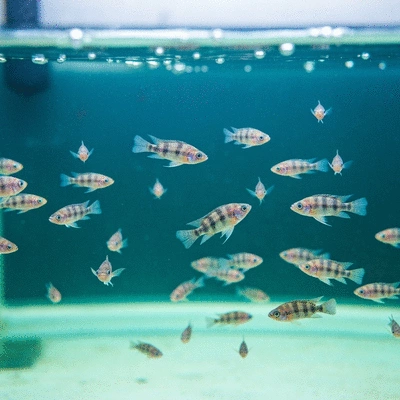
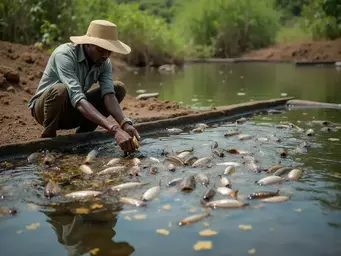
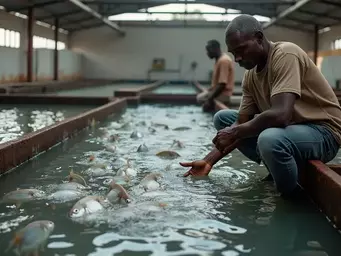
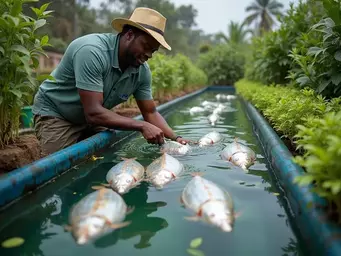
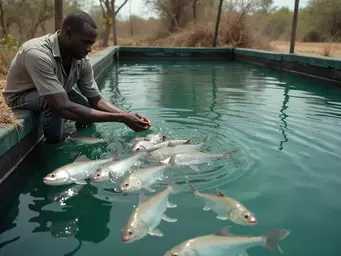
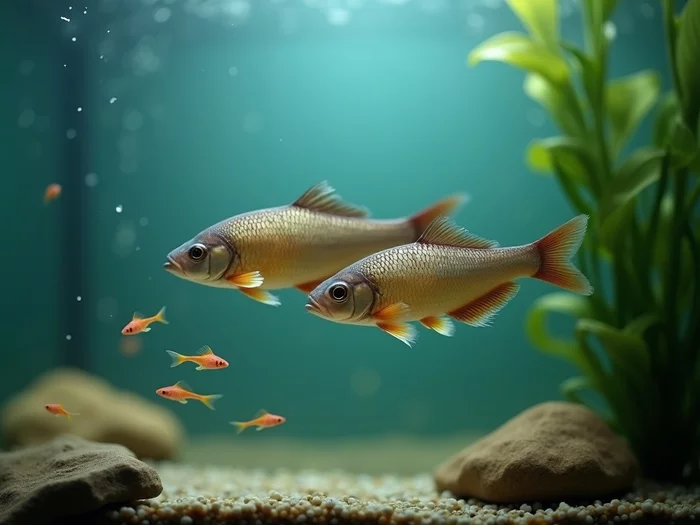
Successful tilapia farming hinges on effective spawning techniques and robust fry survival strategies. The visual below outlines key factors and practices for achieving optimal outcomes.
Increases fry survival & production capacity.
When it comes to tilapia farming, understanding spawning and the factors that affect fry survival rates is crucial. Successful spawning not only contributes to the sustainability of your farm but also maximizes your productivity. By focusing on the right techniques and conditions, you can enhance the reproductive success of your tilapia, which will ultimately lead to a healthier stock and better returns on your investment! For more detailed insights, consider exploring various tilapia breeding techniques for ponds.
Optimal spawning is fundamental in tilapia farming as it directly influences the population growth and health of your fish. When spawning occurs under the right conditions, you increase the likelihood of achieving higher fry survival rates. This, in turn, ensures a steady supply of fish for market or personal consumption, thus supporting economic stability in your farming practices.
By prioritizing optimal spawning, you are not just focusing on immediate results, but also setting up your farm for sustainable growth in the future. Every tilapia farmer should aim to create an environment that fosters successful spawning!
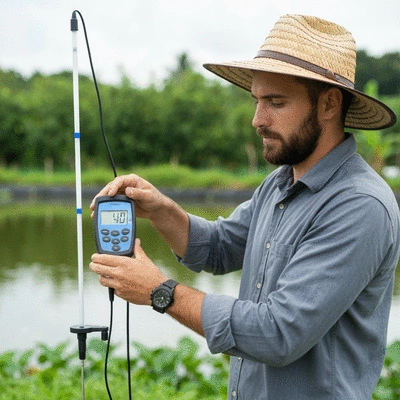
Several factors can influence the survival of tilapia fry, each playing a vital role in their development. Among these factors are water quality, feeding practices, and the physical environment. Understanding these can significantly enhance your farming outcomes!
By closely monitoring these factors and adjusting your practices accordingly, you'll be well on your way to ensuring a thriving population of tilapia fry.
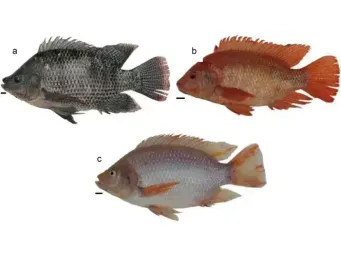
Genetics plays a pivotal role in the development and survival rates of tilapia fry. Selecting the right broodstock can significantly impact the quality and resilience of your fry. Choosing fish with desirable traits can lead to offspring that are better suited for the environmental conditions of your farm. A comprehensive tilapia broodstock selection guide can help you make informed decisions.
By investing time in understanding genetic considerations, you’ll improve not only the quality of your fry but also their chances of thriving in your aquaculture environment.
Here's a brief recap of the key points discussed so far:
As we wrap up our discussion on tilapia spawning, it's crucial to highlight the key practices that can significantly enhance your success. By integrating effective hormonal treatments with sound environmental management, you set the stage for a thriving tilapia farming operation. These practices not only boost spawning rates but also ensure healthier fry, leading to better overall yield.
To optimize tilapia spawning, consider the following essential practices:
By focusing on these areas, you can create an an ideal environment for tilapia spawning, ultimately leading to enhanced production and profitability. Don't forget, success in aquaculture often comes down to careful observation and adjustment based on what works best in your unique farming conditions!
Integrating hormonal treatments with proper environmental management is a game-changer for tilapia farmers. The effectiveness of hormonal methods can be significantly influenced by water quality, temperature, and other environmental factors. For example, keeping water temperatures within the optimal range can enhance the effectiveness of hormonal treatments, leading to better spawning outcomes.
When combining these approaches, here are some effective strategies to consider:
By paying close attention to both hormonal treatments and environmental controls, you can maximize your tilapia spawning success. Adaptability is key, so stay observant and adjust your strategies based on the outcomes you observe! For further details on managing your pond environment, check out our article on managing tilapia pond water quality.
The world of tilapia farming is constantly evolving, and continuous learning is vital for success. By embracing new techniques and being open to change, you can significantly improve your farming practices. Engaging with fellow farmers, attending workshops, and keeping up with the latest research are all excellent ways to enhance your knowledge.
Here are some steps you can take to foster a mindset of continuous improvement:
Every farmer's journey is unique, and what works for one may not work for another. By continuously learning and adapting, you can discover the best practices that suit your specific conditions at Tilapia Farming Solutions!
As we conclude this section, I invite you to join the conversation about tilapia farming. Sharing experiences can be invaluable for all of us in this community, and your insights could help others overcome similar challenges!
Whether you're a seasoned farmer or just starting, your voice matters! I encourage you to reach out and share your experiences, challenges, and questions. Engaging with others not only fosters community but can also lead to new ideas and improved practices. Let’s learn from one another as we navigate the tilapia farming journey together! You can also find more interactive discussions and resources on our community forum.
For those looking to deepen their knowledge, there are numerous resources available. At Tilapia Farming Solutions, we provide a wealth of articles, guides, and tutorials tailored specifically to the African aquaculture landscape. These materials are designed to help you implement best practices and optimize your farming operations.
Consider checking out our resources for:
By leveraging these resources, you can enhance your tilapia farming success and contribute to sustainable aquaculture in your community.
Staying informed about the latest research in aquaculture can dramatically influence your farming practices. There are ongoing studies being conducted that explore various aspects of tilapia farming, from genetics to environmental impacts. Utilizing findings from these research initiatives can help you implement cutting-edge techniques that improve your yield and sustainability. For in-depth research articles, visit our research hub.
To stay updated, consider the following actions:
By integrating research-backed techniques into your farming practices, you position yourself at the forefront of tilapia farming innovation. Together, we can foster a sustainable future for aquaculture in Africa!
Here is a quick recap of the important points discussed in the article:
Yomi Adisa Lead Researcher
Yomi Adisa is the lead researcher at Fish Farming Business, where he studies what makes aquaculture ventures profitable across Africa. His research focuses on market patterns, buyer preferences, and the business decisions that determine success or failure in fish farming.
New to Tilapia Farming? Confused where to start with our articles?
FREE guides, tools & resources to help you run a more profitable fish farming business.