Biosecurity for Tilapia Farms: Practical Steps to Prevent Disease Outbreaks
Posted on: 2025-10-25
By: Yomi Adisa
Biosecurity for Tilapia Farms: Practical Steps to Prevent Disease Outbreaks
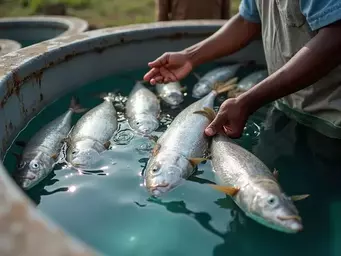
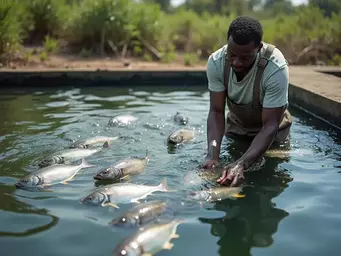
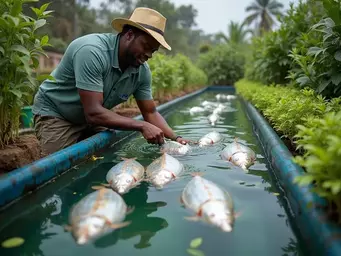
You've just discovered dead fish floating in your pond, and panic sets in as you realise this could wipe out months of hard work and investment. Within hours, what started as a few sick fish becomes a devastating outbreak that spreads to your entire stock. Without proper biosecurity measures, you're essentially leaving your farm's gate wide open to every pathogen, virus, and disease that could destroy your livelihood overnight.
📑 Table of Contents
Disease outbreaks remain the single biggest threat to tilapia farming profitability across Africa, with poorly protected farms experiencing mortality rates of 40-60% compared to just 5-15% on farms with robust biosecurity protocols. The difference isn't luck—it's systematic prevention that treats disease management as an investment rather than an expense. Farms implementing comprehensive biosecurity consistently achieve higher survival rates, faster growth, and access to premium markets that demand disease-free fish.
This complete guide provides you with proven biosecurity methodologies specifically designed for African tilapia operations, whether you're managing backyard ponds or commercial facilities. You'll learn exact protocols for preventing disease introduction, step-by-step disinfection procedures that actually work, quarantine processes that protect your investment, and emergency response strategies that successful farmers use when problems arise. The technical knowledge covers everything from water quality management and equipment sterilisation to visitor control systems and health monitoring techniques.
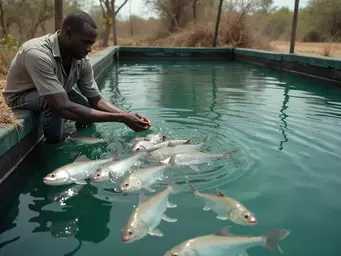
Mastering biosecurity isn't just about preventing disasters—it's about building a reputation for quality that opens doors to export markets, maintaining consistent harvests that support your family, and creating sustainable production systems that thrive rather than merely survive in today's competitive aquaculture landscape. James Mwangi watched in horror as his 500 tilapia began floating belly-up in his 80-square-metre concrete pond in Nakuru. Within three days, what started as a few lethargic fish became a devastating outbreak that wiped out six months of careful feeding and investment worth 45,000 shillings.
🎯 What You'll Learn
- Master comprehensive biosecurity protocols to prevent disease outbreaks and protect your tilapia investment
- Discover effective water quality management techniques to maintain optimal conditions for tilapia growth and health
- Learn essential quarantine procedures for new stock to ensure disease-free introductions into your production ponds
Understanding Biosecurity in Tilapia Farming
Biosecurity in tilapia farming represents your first and most critical line of defence against diseases that can devastate entire harvests within days. Think of it as an invisible shield protecting your fish from pathogens, parasites, and environmental stressors that constantly threaten their health and your investment. This systematic approach combines preventive measures, monitoring protocols, and rapid response strategies tailored specifically for the unique challenges facing African aquaculture operations.
What is Biosecurity?
Biosecurity in aquaculture encompasses all measures you implement to prevent disease-causing organisms from entering your farm, spreading between ponds, or persisting in your production environment. It's a comprehensive management philosophy that treats disease prevention as more cost-effective than treatment, recognising that healthy fish grow faster, convert feed more efficiently, and command higher market prices. Your biosecurity system should function like a well-organised military defence, with multiple layers of protection that work together to identify and neutralise threats before they compromise your stock.
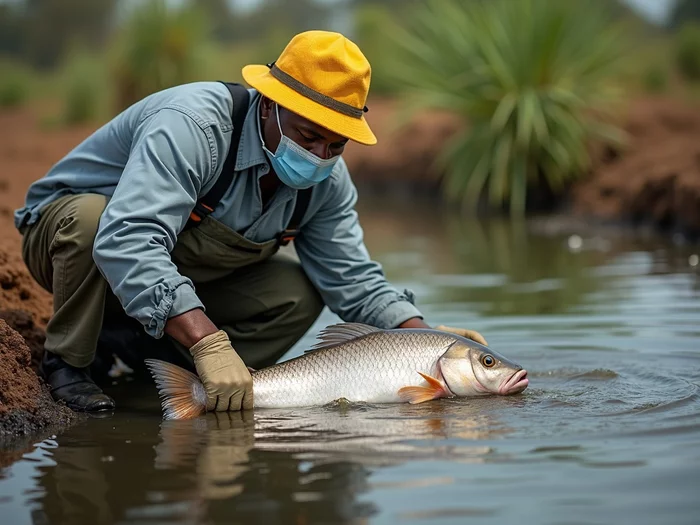
Effective biosecurity operates on three fundamental principles: exclusion (keeping pathogens out), containment (preventing spread if disease occurs), and elimination (removing contamination sources). Every decision you make—from pond design to staff training—should support these principles whilst remaining practical for your specific farming context and budget constraints.
Common Tilapia Diseases
Understanding your enemy is crucial for effective defence, and tilapia face several serious disease threats across African farming regions. Tilapia Lake Virus (TiLV) has emerged as the most devastating pathogen, causing 90-100% mortality in severe outbreaks and affecting all major tilapia species including Nile, Blue, and hybrid varieties. This virus spreads rapidly through water, contaminated equipment, and infected fish, making it particularly dangerous for high-density farming operations common in urban and peri-urban areas.
Streptococcosis, caused by Streptococcus species bacteria, represents another major threat that manifests as erratic swimming, eye lesions, and sudden death, particularly during hot weather when water temperatures exceed 30°C. Columnaris disease (Flavobacterium columnare) thrives in poor water quality conditions, causing white patches on skin and gills, while parasitic infections like Ichthyophthirius (white spot) and Trichodina become problematic when fish experience stress from overcrowding or temperature fluctuations. These diseases cost African tilapia farmers millions of dollars annually through direct mortality, reduced growth rates, and rejection of products by quality-conscious buyers who demand disease-free fish.
| Species | Temperature Tolerance | Growth Rate | Disease Resistance | Ideal Farming System |
|---|---|---|---|---|
| Nile Tilapia | Tolerates 22°C+ | Fast growth | Moderate disease resistance | Suitable for intensive systems |
| Blue Tilapia | Tolerates cooler temperatures | Moderate growth | High disease resistance | Suitable for semi-intensive systems |
| Mozambique Tilapia | Tolerates various conditions | Slow growth | Moderate disease resistance | Suitable for extensive systems |
Biosecurity and Disease Prevention Measures
Implementing comprehensive disease prevention measures requires a systematic approach that addresses every potential pathway for pathogen introduction and spread within your farming operation. These measures work synergistically—weakness in one area can compromise the effectiveness of all others, much like a chain that breaks at its weakest link. Your success depends on consistent application of protocols across all aspects of your operation, from daily management routines to emergency response procedures.
Water Quality Management
Water serves as both the medium supporting your fish and the primary pathway for disease transmission, making quality management your most critical biosecurity tool. Maintain dissolved oxygen levels above 5mg/L throughout the day, with optimal ranges between 6-8mg/L for maximum tilapia health and growth. Test oxygen levels at dawn when they're naturally lowest—if readings drop below 4mg/L, increase aeration immediately or reduce feeding until levels stabilise.
Monitor pH daily, maintaining levels between 6.5-8.5 for optimal tilapia performance, with 7.0-8.0 representing the ideal range. Sudden pH fluctuations stress fish and compromise their immune systems, creating opportunities for disease outbreaks. Use agricultural lime to raise pH gradually (never more than 0.2 units per day) or organic matter like rice bran to lower it slowly if needed.
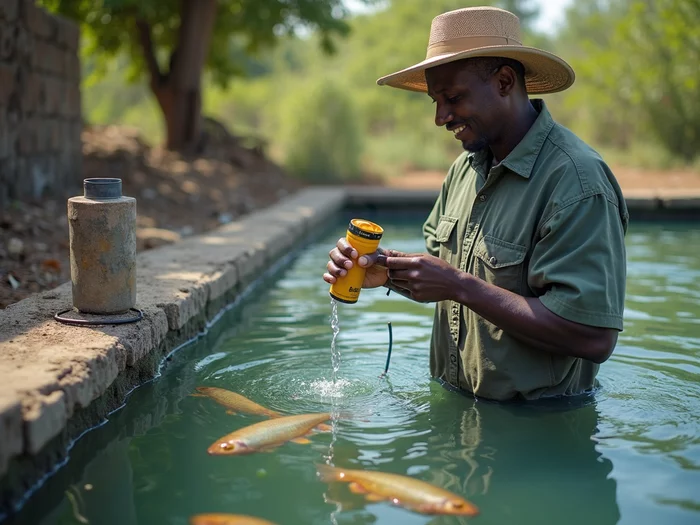
Ammonia and nitrite levels must remain below 0.5ppm and 0.1ppm respectively, as elevated levels burn fish gills and reduce oxygen-carrying capacity in blood. Test these parameters weekly using reliable test kits, and respond to elevated readings by reducing feeding rates, increasing water exchange, or adding beneficial bacteria to accelerate nitrogen cycling. Temperature control between 26-30°C optimises tilapia growth whilst reducing stress that predisposes fish to disease—use shade structures during hot seasons and deeper ponds (1.5-2.0 metres) to maintain stable temperatures.
| Parameter | Optimal Range | Monitoring Frequency | Action if Out of Range |
|---|---|---|---|
| Dissolved Oxygen | 6-8 mg/L | Daily | Increase aeration or reduce feeding if below 4 mg/L |
| pH | 6.5-8.5 | Daily | Use agricultural lime to raise, organic matter to lower |
| Ammonia | <0.5 ppm | Weekly | Reduce feeding or increase water exchange if elevated |
| Nitrite | <0.1 ppm | Weekly | Same as above |
| Temperature | 26-30°C | Daily | Use shade structures or deeper ponds to stabilise |
Equipment Maintenance and Disinfection
Every piece of equipment entering your ponds represents a potential disease vector, making rigorous disinfection protocols essential for maintaining biosecurity. Establish dedicated cleaning areas away from production ponds where you can thoroughly disinfect nets, buckets, pumps, and other tools before and after use. Use a three-step process: remove visible debris with clean water, apply disinfectant solution, then rinse with clean water before storage.
Prepare disinfectant solutions using readily available materials like calcium hypochlorite (chlorine) at 200ppm concentration, or potassium permanganate at 2-5ppm for sensitive equipment. Soak nets and small tools for 10-15 minutes, ensuring complete coverage of all surfaces. For larger equipment like aerators or pumps, use spray bottles to apply disinfectant thoroughly, allowing 5-10 minutes contact time before rinsing.
Store clean, disinfected equipment in designated areas protected from contamination—never place clean tools on the ground or in areas where they might contact untreated water or organic matter. Establish colour-coded systems where possible: use blue buckets for pond 1, red for pond 2, preventing cross-contamination between production units. Replace nets and other fabric materials every 6-12 months or when they show signs of wear that might harbour pathogens in damaged fibres.
Visitor Control and Farm Access
Controlling human movement onto your farm prevents introduction of pathogens on clothing, footwear, and vehicles whilst maintaining the controlled environment necessary for healthy tilapia production. Establish a single entry point to your farm with clear signage explaining biosecurity requirements—visitors should understand these measures protect their investment as well as yours. Require all visitors to complete health declarations confirming they haven't visited other fish farms, processing facilities, or areas with known disease problems within the past 48 hours.
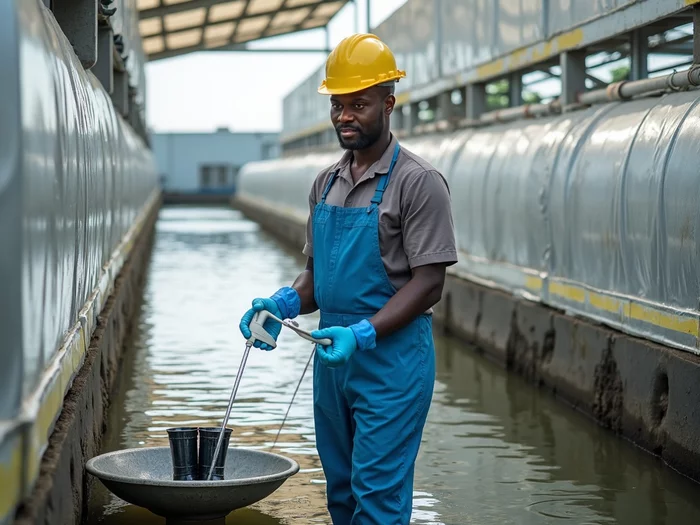
Install footbaths at entry points containing disinfectant solution (2% formalin or 200ppm chlorine) that visitors must use before accessing production areas. Change footbath solutions daily or when they become visibly contaminated, and provide clean footwear or disposable boot covers for visitors who cannot adequately disinfect their shoes. Position hand-washing stations with soap and clean water near pond areas, encouraging thorough hand cleaning before and after any contact with fish or equipment.
Train all farm workers on biosecurity protocols, emphasising their role as guardians of fish health rather than simply labourers following instructions. Workers should understand why they change clothes before entering the farm, why they disinfect equipment between ponds, and how their actions directly impact harvest success and their continued employment. Regular training sessions reinforce these concepts whilst providing opportunities to address questions and improve protocols based on practical experience.
Quarantine Procedures for New Stock
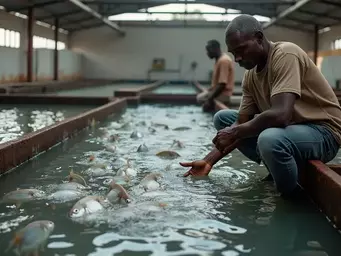
Never introduce new fish directly into your production ponds—this single mistake has destroyed more tilapia farms than any other biosecurity failure. Establish dedicated quarantine facilities separate from your main production area, using tanks or small ponds that can be easily cleaned and disinfected between batches. Size quarantine facilities to accommodate 10-20% more fish than you plan to stock, allowing for proper density management during the isolation period.
Quarantine all new fish for minimum 14 days, with 21 days preferred for fingerlings from unknown sources or areas with disease history. During quarantine, monitor fish closely for signs of disease including abnormal swimming behaviour, loss of appetite, visible lesions, or unusual mortality patterns. Maintain quarantine water temperature 2-3°C higher than your production ponds to accelerate disease development—pathogens present in new stock will manifest symptoms more quickly under slight thermal stress.
Feed quarantined fish sparingly (1-2% of body weight daily) using high-quality feed to support immune function without creating water quality problems in smaller quarantine volumes. Test water quality daily in quarantine systems, as the combination of new fish stress and higher temperatures can quickly degrade conditions. Only transfer fish to production ponds after completing the full quarantine period with zero mortality and no visible signs of disease—if any problems occur during quarantine, extend the isolation period and consider rejecting the entire batch.
Health Monitoring and Record Keeping
Systematic health monitoring enables early disease detection when treatment options remain viable and before widespread transmission occurs throughout your stock. Conduct visual health assessments daily during feeding times, observing fish behaviour, appetite, and any physical abnormalities. Healthy tilapia exhibit vigorous feeding responses, normal swimming patterns, and bright colouration appropriate to their species—Nile tilapia should show clear vertical bars, whilst Blue tilapia display their characteristic blue-tinged fins and gill covers.
Record daily observations including feed consumption rates, unusual behaviour, mortality numbers, and environmental conditions like weather changes or water quality fluctuations. Note the location of any dead or diseased fish, as disease patterns often reveal transmission pathways or environmental stressors affecting specific pond areas. Maintain detailed records of all treatments, medications, and management interventions, creating a historical database that helps identify recurring problems and evaluate intervention effectiveness.
Establish relationships with qualified fish veterinarians or aquaculture extension officers who can provide rapid diagnostic services when health problems arise. Many African countries now have aquaculture diagnostic laboratories that can identify specific pathogens within 24-48 hours, enabling targeted treatment rather than broad-spectrum approaches that may prove ineffective. Keep contact information readily available and understand sample collection procedures so you can respond quickly when professional diagnosis becomes necessary.
Emergency Protocols and Rapid Diagnosis
Speed determines success when disease outbreaks occur—every hour of delay allows pathogens to multiply and spread, reducing treatment effectiveness and increasing mortality rates. Develop written emergency protocols before problems arise, ensuring all farm workers understand their roles and responsibilities during crisis situations. Your emergency response should begin the moment you observe unusual mortality (more than 1% daily), abnormal behaviour in multiple fish, or other signs suggesting disease outbreak.
Immediately isolate affected ponds by stopping all water exchange and preventing equipment movement between production units. Increase observation frequency to every 2-3 hours, documenting progression of symptoms and mortality patterns. Remove dead fish promptly and dispose of them properly—never feed dead tilapia to other animals or discard them where they might contaminate water sources or attract disease vectors like birds or insects.
Collect samples for professional diagnosis following proper procedures: select recently dead fish or moribund fish showing clear symptoms, place them in clean plastic bags with minimal water, and transport them chilled (not frozen) to diagnostic facilities within 6-12 hours. Include detailed information about pond management, recent changes in feeding or water quality, and timeline of symptom development. While awaiting diagnosis results, implement supportive measures like reduced feeding, increased aeration, and water quality optimisation to minimise fish stress and slow disease progression.
Best Management Practices (BMPs)
Best Management Practices form the foundation of sustainable tilapia production by creating optimal growing conditions that naturally resist disease whilst maximising productivity and profitability. These practices integrate biological, environmental, and management factors into cohesive systems that support fish health through prevention rather than treatment. Your success implementing BMPs depends on understanding how each component affects others—stocking density influences water quality, which affects feed conversion, which impacts waste production in continuous cycles that either support or undermine your farming objectives.
Stocking Density and Species Selection
Optimal stocking density balances maximum production with fish health and water quality maintenance—overcrowding creates stress that suppresses immune function and accelerates disease transmission between fish. For Nile tilapia in earthen ponds, stock 3-5 fish per square metre for extensive systems, 8-12 fish per square metre for semi-intensive operations with supplemental feeding and aeration, and 15-25 fish per square metre only in intensive systems with continuous water exchange and mechanical aeration. Concrete tanks can support higher densities (20-40 fish per square metre) due to better water quality control, but require more sophisticated management and higher operating costs.
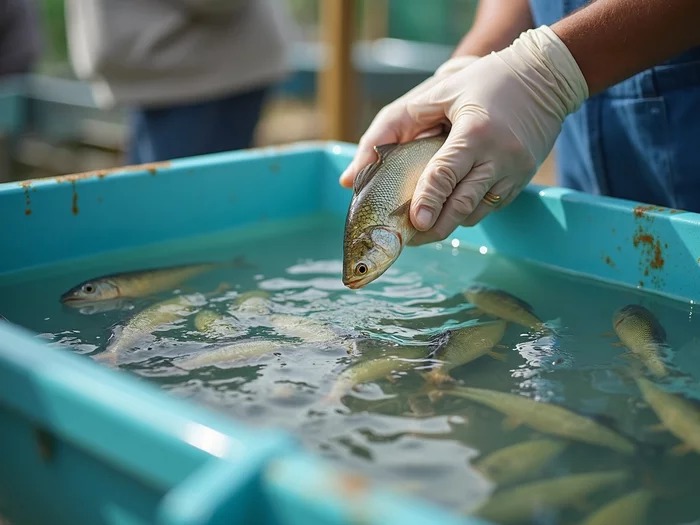
Consider your local climate when selecting tilapia species—Nile tilapia (Oreochromis niloticus) performs best in temperatures above 22°C and tolerates crowding better than other species, making it ideal for intensive systems. Blue tilapia (O. aureus) handles cooler temperatures and higher salinity but grows more slowly, whilst Mozambique tilapia (O. mossambicus) reproduces readily but achieves smaller market sizes. Many successful farmers use hybrid varieties that combine desirable traits from different species, though these require careful sourcing from reputable hatcheries to ensure genetic consistency.
Implement all-male stocking using hormone-reversed fry to prevent unwanted reproduction that reduces individual fish size and complicates harvest management. Sex-reversed fingerlings cost 50-100% more than mixed-sex stock but deliver significantly higher yields through uniform growth and simplified management. Source fingerlings from certified hatcheries that provide documentation of sex reversal procedures and survival rates—quality fingerlings should show 95%+ male ratios and minimal deformities or size variation.
| Farming System | Species | Recommended Density (fish/m²) |
|---|---|---|
| Extensive | Nile Tilapia | 3-5 |
| Semi-Intensive | Nile Tilapia | 8-12 |
| Intensive | Nile Tilapia | 15-25 |
| Concrete Tanks | Nile Tilapia | 20-40 |
Feed Quality and Management
High-quality feed represents 60-70% of your production costs but directly determines growth rates, disease resistance, and final product quality, making feed management crucial for both biological and economic success. Purchase feeds containing 28-32% protein for fingerlings, 24-28% protein for growing fish, and 20-24% protein for market-size fish approaching harvest. Verify protein content through laboratory analysis or purchase only from reputable manufacturers who provide guaranteed analysis certificates with each batch.
Store feed in cool, dry conditions protected from rodents, insects, and moisture that promote mould growth and nutrient degradation. Use feed within 3 months of manufacture for optimal nutritional value, rotating stock to ensure freshest feed reaches fish first. Never feed mouldy, rancid, or insect-infested feed—these create digestive problems and liver damage that predispose fish to disease whilst reducing growth performance and feed conversion efficiency.
Feed fish 2-4% of estimated body weight daily, divided into 2-3 feeding sessions to maximise consumption and minimise waste. Adjust feeding rates based on water temperature, fish behaviour, and seasonal variations—reduce feeding during cool weather (below 20°C) when fish metabolism slows, and increase during optimal temperature periods (26-30°C) when growth rates peak. Monitor feeding response carefully—healthy fish should consume offered feed within 10-15 minutes, with minimal waste settling to pond bottom.
Waste Disposal and Pond Preparation
Proper waste management prevents accumulation of organic matter that depletes oxygen, produces toxic compounds, and creates ideal conditions for pathogen proliferation. Remove uneaten feed, dead fish, and organic debris promptly to maintain water quality and reduce disease pressure. Establish composting areas away from production ponds where organic waste can decompose safely before use as fertiliser for terrestrial crops—never apply fresh fish waste directly to ponds or surrounding areas.
Prepare new ponds thoroughly before stocking by removing all vegetation, debris, and accumulated sediment that might harbour pathogens or compete with fish for oxygen. Apply agricultural lime at 200-500 kg per hectare to sterilise pond bottoms and establish proper pH buffering capacity. Allow ponds to dry completely between production cycles when possible, as desiccation kills most pathogens and parasites whilst allowing beneficial bacteria to recolonise when refilled.
Manage pond sediment through regular removal or in-situ treatment to prevent toxic gas production and nutrient imbalances. In earthen ponds, remove excess sediment annually or when accumulation exceeds 10-15cm depth. For concrete systems, clean thoroughly between cycles using high-pressure water and approved disinfectants. Maintain proper pond depth (1.2-2.0 metres) to ensure adequate water volume for waste dilution and temperature stability throughout seasonal variations.
Compliance with International Standards
Meeting international standards opens doors to premium markets whilst ensuring your tilapia farming operation follows globally recognised best practices for food safety, environmental protection, and animal welfare. These standards represent accumulated wisdom from successful aquaculture operations worldwide, adapted to address specific challenges facing developing aquaculture sectors. Your commitment to compliance demonstrates professionalism that attracts better buyers, higher prices, and access to export opportunities that can transform your farming business from subsistence to commercial success.
Overview of Relevant Guidelines
The Food and Agriculture Organization (FAO) provides comprehensive guidelines for responsible aquaculture development that emphasise disease prevention, environmental sustainability, and food safety throughout the production chain. These guidelines establish minimum standards for water quality management, feed safety, chemical use restrictions, and record-keeping requirements that form the foundation for most national and international certification programmes. Understanding FAO principles helps you align your operation with global expectations whilst avoiding practices that might limit market access or create regulatory problems.
Best Aquaculture Practices (BAP) certification, administered by the Global Aquaculture Alliance, represents the most widely recognised standard for farmed seafood, including tilapia. BAP standards address four key areas: environmental responsibility, animal welfare, food safety, and social accountability. Environmental requirements include waste management, chemical use restrictions, and habitat protection measures. Animal welfare standards mandate appropriate stocking densities, disease prevention protocols, and humane handling practices throughout production and harvest.
Asia-Pacific Economic Cooperation (APEC) guidelines focus specifically on aquaculture development in emerging economies, providing practical frameworks for smallholder farmers seeking to improve their operations whilst maintaining economic viability. APEC standards emphasise technology transfer, capacity building, and market access strategies that help small-scale producers compete effectively with larger commercial operations. These guidelines recognise resource constraints facing African farmers whilst maintaining quality and safety standards necessary for market acceptance.
Steps for Achieving Compliance
Begin compliance efforts by conducting honest assessments of your current practices against relevant standards, identifying gaps that require attention and prioritising improvements based on food safety risks and market requirements. Document all current procedures including feeding schedules, water quality monitoring, chemical usage, and health management protocols—written records demonstrate commitment to systematic management and provide baseline information for improvement planning. Establish standard operating procedures (SOPs) for all critical processes, ensuring consistency regardless of which workers perform specific tasks.
Implement traceability systems that track fish from fingerling source through harvest and sale, including feed sources, treatment records, and water quality data throughout the production cycle. Maintain detailed records of all inputs including fingerlings, feed, chemicals, and equipment, with receipts and supplier information that verify product sources and quality. Train all workers on record-keeping requirements and ensure they understand how their documentation contributes to overall compliance and market access objectives.
Establish relationships with certified suppliers for critical inputs like fingerlings, feed, and chemicals, verifying that suppliers meet relevant quality standards and can provide necessary documentation. Source fingerlings only from hatcheries that follow proper sex reversal protocols and maintain health records, even if certified stock costs more than uncertified alternatives. Use only approved chemicals and medications, following label instructions precisely and maintaining withdrawal periods before harvest to ensure residue compliance.
Common Compliance Challenges
Limited access to approved chemicals and medications represents a significant challenge for many African tilapia farmers, as products available in local markets may not meet international residue standards or carry proper registration for aquaculture use. Counterfeit or expired products create serious risks for both fish health and market compliance, whilst lack of technical support makes proper application difficult. Address these challenges by working with reputable agricultural suppliers, government extension services, or farmer cooperatives that can source approved products and provide technical guidance on proper usage.
Inadequate record-keeping systems often result from limited literacy among farm workers or lack of understanding about documentation requirements for market access. Many farmers maintain mental records or informal notes that cannot satisfy auditor requirements or provide necessary traceability information. Overcome these challenges through worker training programmes, simplified record-keeping forms with visual aids, and regular supervision to ensure consistent documentation practices throughout the operation.
Water quality monitoring equipment and testing supplies may be expensive or unavailable in rural areas, making compliance with monitoring requirements difficult for smallholder farmers. Limited technical knowledge about water chemistry and testing procedures compounds these challenges, leading to inadequate monitoring that fails to detect problems before they affect fish health or product quality. Address these issues through equipment sharing arrangements with other farmers, mobile testing services, or simplified testing methods that provide adequate information for basic compliance requirements.
Resources for Compliance Assistance
Government aquaculture extension services in most African countries provide technical assistance for farmers seeking to improve their operations and achieve compliance with relevant standards. Contact your national fisheries department or agricultural extension office to learn about available programmes, training opportunities, and technical support services. Many countries offer subsidised consulting services, equipment loans, or group training programmes that make compliance assistance affordable for smallholder farmers.

International development organisations and NGOs often provide funding and technical support for aquaculture improvement projects that include compliance training and certification assistance. Research organisations like WorldFish, FAO, and regional aquaculture networks offer resources, training materials, and expert guidance specifically designed for African farming conditions. These organisations understand local challenges and can provide practical solutions that balance compliance requirements with economic realities facing small-scale producers.
Conclusion
Implementing robust biosecurity measures is your strongest defence against the devastating disease outbreaks that destroy tilapia farms across Africa. Focus on the fundamentals: maintain excellent water quality with daily monitoring, establish strict equipment disinfection protocols, control farm access carefully, and quarantine all new stock for at least 14 days. These four pillars of biosecurity work together to create multiple barriers that protect your investment from pathogens like TiLV and bacterial infections that can wipe out entire harvests within days.
You now have the knowledge to build a comprehensive biosecurity system that matches international standards whilst remaining practical for your farming context. Start with what you can implement immediately—daily water quality checks, basic equipment cleaning, and visitor control—then gradually add more sophisticated measures as your operation grows. Remember that biosecurity is a skill that improves with practice; every month of consistent application builds your expertise and strengthens your farm's disease resistance.
Mastering biosecurity creates the foundation for exploring advanced production techniques like intensive stocking systems, specialised feeding programmes, and premium market opportunities that demand disease-free fish. Your commitment to preventing disease outbreaks positions you as a professional producer who can compete effectively with larger operations whilst maintaining the personal attention that makes smaller farms successful. With solid biosecurity practices in place, you can confidently focus on optimising growth rates, improving feed conversion, and building the market relationships that transform tilapia farming from survival to prosperity.
Frequently Asked Questions
Why is it so important to quarantine new tilapia stock, even if they look healthy?
Quarantining new fish for a minimum of 14-21 days is crucial because they can carry diseases like Tilapia Lake Virus (TiLV) without showing immediate symptoms. Introducing them directly to your main ponds risks devastating your entire existing stock, as seen in James Mwangi's case. This isolation period allows any hidden pathogens to manifest, protecting your investment.
How can I effectively disinfect my farm equipment using readily available materials?
You can use a three-step process: first, remove all visible debris with clean water. Then, apply a disinfectant solution such as calcium hypochlorite (chlorine) at 200ppm concentration or potassium permanganate at 2-5ppm, soaking for 10-15 minutes. Finally, rinse with clean water before storing the equipment in a designated clean area.
What are the most critical water quality parameters I need to monitor daily to prevent disease?
You should monitor dissolved oxygen levels daily, especially at dawn, aiming for 6-8mg/L. Also, check pH daily, keeping it between 6.5-8.5. Weekly tests for ammonia and nitrite (below 0.5ppm and 0.1ppm respectively) are also vital, as poor water quality significantly stresses fish and compromises their immune systems.
Should I use all-male tilapia fingerlings, and why are they better for biosecurity?
Yes, you should strongly consider using all-male, hormone-reversed tilapia fingerlings. While they cost more, they prevent unwanted reproduction, which leads to uniform growth and larger market sizes. This also simplifies management and reduces stress from overcrowding, making your fish more resistant to disease outbreaks.
What steps should I take immediately if I notice a sudden increase in fish mortality in one of my ponds?
Immediately isolate the affected pond by stopping all water exchange and preventing equipment movement to other units. Increase observation to every 2-3 hours and promptly remove dead fish for proper disposal. Collect samples from recently dead or symptomatic fish and transport them chilled to a diagnostic laboratory within 6-12 hours for professional analysis.


Yomi Adisa Lead Researcher
Yomi Adisa is the lead researcher at Fish Farming Business, where he studies what makes aquaculture ventures profitable across Africa. His research focuses on market patterns, buyer preferences, and the business decisions that determine success or failure in fish farming.