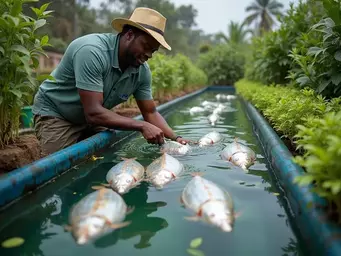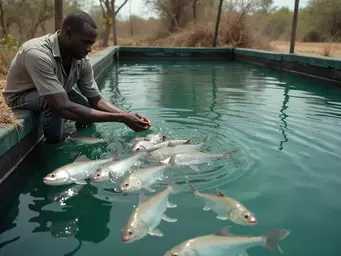
Improving Water Quality for Tilapia
Posted on: 2025-10-16
By: Yomi Adisa
Effective tilapia farming in Africa hinges on understanding the intricate relationship between water quality and fish health. Let's explore how proper management of water conditions can lead to thriving aquatic life and sustainable farming practices.
What You Will Learn
- Water quality management is essential for promoting fish growth and reducing disease risks.
- Key water parameters include temperature, dissolved oxygen, pH levels, and ammonia concentrations.
- Routine water testing helps catch potential issues before they escalate into serious problems.
- Implementing biosecurity measures and utilizing probiotics can enhance overall fish health.
Key Water Quality Parameters for Tilapia Health
Maintaining optimal water quality is paramount for successful tilapia farming. The following parameters are crucial for preventing disease and ensuring healthy growth. For more detailed insights, consider managing tilapia pond water quality effectively.
Temperature
Ideal Range: 24°C - 30°C
Extreme temperatures cause stress, increasing disease susceptibility.
Dissolved Oxygen
Minimum: 5 mg/L
Inadequate oxygen leads to poor growth and high mortality.
pH Balance
Optimal: 6.5 - 8.5
Improper pH causes stress and affects nutrient absorption.
Ammonia Levels
Keep Low
High concentrations are toxic, requiring regular monitoring.
Understanding the Connection Between Water Quality and Tilapia Health
As an aquaculture expert, I've seen firsthand how water quality can make or break a tilapia farm in Africa. The health of our fish is directly tied to the conditions they live in. Poor water quality can lead to stress and disease outbreaks, which can be devastating for farmers looking to maximize their production. Let's dive into why managing water quality is crucial for tilapia farming!
In Africa, where diverse climates can influence farming practices, understanding water quality becomes even more important. By focusing on key factors, we can help ensure that our tilapia thrive, ultimately leading to enhanced food security and economic prosperity in our communities.
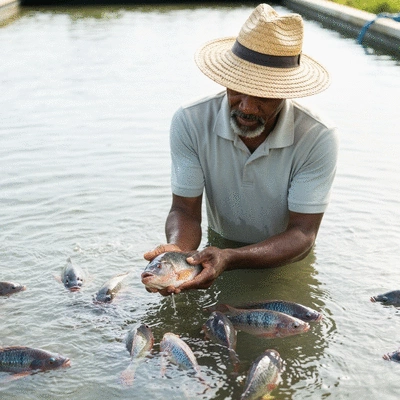
Why Water Quality Management is Crucial for Tilapia Farms in Africa
- Supports fish growth and metabolism
- Reduces the risk of disease outbreaks
- Enhances feed conversion efficiency
- Improves overall farm productivity
Effective water quality management not only supports the health of our fish but also increases productivity on the farm. By keeping a close eye on water parameters, we can create an optimal environment for tilapia growth, which is essential for the sustainability of aquaculture in Africa. For further reading on improving farm productivity, explore our resources on sustainable aquaculture practices.
Key Water Quality Parameters Impacting Disease Outbreaks
Understanding the specific water quality parameters that affect fish health is vital for any tilapia farmer. By monitoring these parameters regularly, we can catch potential issues before they escalate into serious problems. Key factors to watch include temperature, dissolved oxygen levels, pH balance, and ammonia levels.
Temperature and Its Role in Fish Health
Temperature can significantly impact the growth and overall health of tilapia. Ideally, you want to maintain water temperatures between 24°C and 30°C. Extreme temperatures, whether too high or too low, can lead to stress and make fish more susceptible to diseases.
Dissolved Oxygen Levels: A Critical Factor
Dissolved oxygen is another critical factor for tilapia health. Without adequate oxygen, fish can struggle to breathe, leading to poor growth and increased mortality rates. Aim for a minimum of 5 mg/L of dissolved oxygen to keep your fish healthy and active! Learn more about optimizing oxygen in tilapia ponds for better results.
pH Balance and Ammonia Levels: What Farmers Need to Know
Maintaining a proper pH balance (between 6.5 and 8.5) is essential for tilapia health. An improper pH can lead to stress and affect their ability to absorb nutrients. Additionally, keep an eye on ammonia levels, as high ammonia concentrations can be toxic to fish. Regular testing is key!
Importance of Regular Water Testing for Aquaculture Success
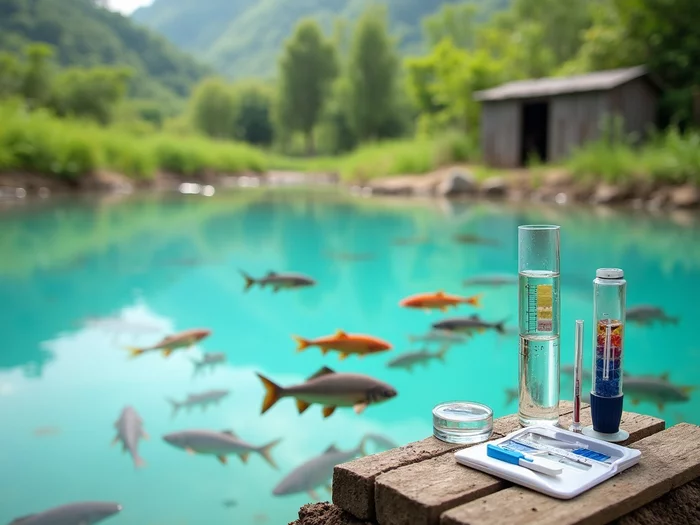
Regular water testing is a cornerstone of successful tilapia farming. By implementing a routine testing schedule, you can track these critical parameters and adjust your management practices as needed. This proactive approach can help prevent disease outbreaks and ensure a healthy harvest.
Pro Tip
To maintain optimal water quality, consider implementing a multi-faceted monitoring system. Utilizing both digital sensors and manual testing can provide a comprehensive view of your water parameters, allowing for timely adjustments. Don't overlook the importance of keeping records; tracking changes over time can help identify patterns that may lead to early intervention and improved fish health!
Frequently Asked Questions About Tilapia Water Quality
What are the most crucial water quality parameters for tilapia farming?
The most crucial parameters are temperature (24°C - 30°C), dissolved oxygen (minimum 5 mg/L), pH balance (6.5 - 8.5), and low ammonia levels.
Why is consistent water temperature important for tilapia?
Consistent water temperature within the ideal range prevents stress in tilapia, which could otherwise increase their susceptibility to diseases and negatively impact growth.
How often should water quality be tested in a tilapia pond?
Regular water testing is recommended. The frequency can vary based on the farming system and intensity, but a routine schedule helps monitor critical parameters and allows for proactive adjustments to prevent issues.
What are the signs of poor water quality affecting tilapia?
Signs include lethargy, gasping at the surface (indicating low oxygen), abnormal swimming patterns, loss of appetite, and visible lesions or disease outbreaks.
How can farmers improve dissolved oxygen levels in their ponds?
Farmers can improve dissolved oxygen levels by using aerators, ensuring proper water circulation, and managing stocking densities to avoid overcrowding.
Summarizing Key Insights for Better Tilapia Farming in Africa
As we reflect on the importance of water quality management in tilapia farming, it's clear that understanding and addressing water parameters can significantly enhance fish health and reduce disease outbreaks. By focusing on proactive measures, farmers can create a sustainable aquaculture environment that not only benefits tilapia but also supports local communities. Let's recap some effective strategies that can help prevent disease:
- Regularly test and monitor water quality parameters.
- Implement biosecurity protocols to limit pathogen exposure.
- Utilize probiotics and nutritional enhancements for better fish health.
- Maintain optimal aeration levels in ponds.
These strategies are essential for maintaining a healthy tilapia population. As the Lead Researcher at Tilapia Farming Solutions, I can assure you that these insights can make a significant difference in your farming practices.
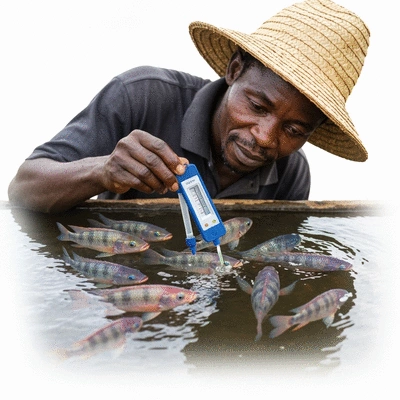
Recap of Water Quality Management Strategies to Prevent Disease Outbreaks
To further emphasize our commitment to sustainable practices, here’s a brief recap of the key water quality management strategies:
- Monitor temperature and dissolved oxygen levels consistently.
- Maintain appropriate pH and ammonia levels.
- Conduct routine water testing to catch issues early.
- Engage in community discussions to share knowledge about water management.
By integrating these practices, farmers can create a more resilient farming operation. As always, my goal at Tilapia Farming Solutions is to provide you with the tools and knowledge necessary for your success. For more information on disease prevention, visit our guide on preventing tilapia diseases in ponds.
Future Directions for Sustainable Aquaculture Practices
The future of tilapia farming in Africa looks promising, especially with the ongoing advancements in aquaculture practices. I envision a landscape where local farmers harness innovative technologies and sustainable practices to boost productivity without compromising the environment. This includes:
- Incorporating advanced water treatment technologies.
- Adopting integrated pest management approaches.
- Encouraging research partnerships to explore new aquaculture techniques.
- Investing in education and training programs for farmers.
With a united approach, we can pave the way for a more sustainable future in tilapia farming.
Encouraging Community Engagement and Expert Collaboration
At the heart of successful aquaculture lies the strength of community engagement. By fostering connections among local farmers, we can build a network that thrives on shared knowledge and collaborative efforts. This not only enhances fish health management but also promotes sustainable practices within our communities.
How Local Farmers Can Share Knowledge and Best Practices
One of the most effective ways to improve aquaculture outcomes is through knowledge sharing. Here are some practical methods local farmers can use to exchange insights:
- Organize workshops and field days to demonstrate farming techniques.
- Create local farming groups to facilitate regular discussions.
- Utilize social media platforms to share success stories and tips.
- Collaborate with universities and research institutions for expert advice.
These initiatives can create a vibrant community that supports each other while enhancing tilapia farming practices across Africa.
Resources for Ongoing Education on Fish Health Management
Continuous learning is vital for staying updated on best practices in tilapia farming. As part of Tilapia Farming Solutions, I encourage farmers to utilize the following resources:
- Online courses focusing on aquaculture health management.
- Local agricultural extension services that offer workshops.
- Research papers and publications on the latest fish farming techniques.
- Networking opportunities with aquaculture experts and fellow farmers.
By leveraging these educational resources, farmers can enhance their skills and knowledge, leading to more productive and sustainable aquaculture practices. Explore our aquaculture education programs for more insights.
Leveraging Research Collaborations for Enhanced Fish Farming Techniques
Collaboration with research entities can greatly benefit fish farmers. By engaging in research partnerships, we can:
- Develop innovative solutions tailored to local conditions.
- Gain access to experimental data that can improve farming methods.
- Participate in pilot projects to test new technologies.
- Advocate for policies that support sustainable aquaculture.
As I continue my work at Tilapia Farming Solutions, I am excited about the potential for these collaborations to shape the future of tilapia farming in Africa. Together, we can ensure a thriving aquaculture industry that benefits all.
Recap of Key Points
Here is a quick recap of the important points discussed in the article:
- Water quality management is crucial for tilapia health and overall farm productivity.
- Key water quality parameters to monitor include temperature, dissolved oxygen, pH balance, and ammonia levels.
- Regular water testing helps catch issues early and prevents disease outbreaks.
- Engaging in community discussions fosters knowledge sharing and enhances aquaculture practices.


Yomi Adisa Lead Researcher
Yomi Adisa is the lead researcher at Fish Farming Business, where he studies what makes aquaculture ventures profitable across Africa. His research focuses on market patterns, buyer preferences, and the business decisions that determine success or failure in fish farming.