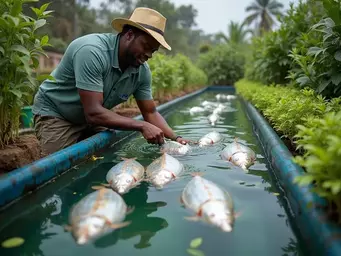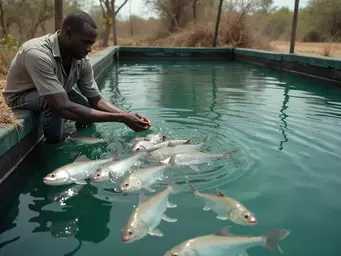
Tracing the Roots: The Journey of Tilapia Farming in Africa
Posted on: 2025-11-17
By: Yomi Adisa
Have you ever considered the rich history behind tilapia farming in Africa? While often seen as a simple aquaculture practice, there's much more to this story. Understanding the roots of tilapia farming can shed light on common misconceptions and reveal its profound cultural significance across various communities.
From ancient civilisations to modern techniques, this blog post explores how tilapia has influenced local economies and shaped agricultural methods over time. You'll discover the evolution of farming practices, regional variations, and the critical role sustainable methods play in the future of aquaculture. Join us as we dive into the untold story of tilapia farming in Africa.
What You Will Learn
- The historical significance of tilapia farming in Africa and its cultural roots.
- How ancient practices influence modern tilapia farming techniques.
- The importance of understanding local ecosystems and community dynamics.
- Challenges and opportunities in regional tilapia farming approaches.
- The role of sustainable practices in ensuring long-term viability.
The Untold Story of Tilapia Farming in Africa
You think you understand tilapia farming in Africa, but the story you've been told is incomplete. Most guides focus on pond construction and feeding schedules, missing the deeper currents that have shaped this industry for millennia. The real story involves ancient pharaohs, colonial disruptions, and modern farmers who are quietly revolutionising food production across the continent.
What you're about to discover challenges the simplified narrative of African aquaculture. This isn't just about fish farming—it's about cultural identity, economic transformation, and the untold innovations happening in villages from the Nile Delta to the Zambezi River. You need to understand these deeper patterns because they determine which farming approaches succeed and which fail spectacularly.
The farmers making real money from tilapia aren't just following technical manuals. They're tapping into knowledge systems that stretch back thousands of years, adapting ancient wisdom to modern challenges. You'll see why some regions dominate global markets while others struggle, and what this means for your own farming decisions.
Why Your Understanding of Tilapia Farming Might Be Over-Simplified
You've probably read that tilapia farming is straightforward—dig a pond, stock fingerlings, feed them, harvest in six months. This oversimplification has cost countless farmers their investments. The reality involves complex interactions between water chemistry, local ecosystems, cultural practices, and market dynamics that most training programmes ignore completely.
The farmers who consistently profit understand something the textbooks don't teach. They know that successful tilapia farming requires reading subtle environmental cues, understanding seasonal patterns that vary by region, and recognising how local communities interact with aquaculture projects. A farmer in Kisumu operates differently from one in Aswan, not just because of climate, but because of entirely different cultural and economic contexts.
The Hidden Complexity
What appears simple on the surface involves:
- Understanding local water sources and their seasonal variations
- Recognising how community dynamics affect farm success
- Adapting to regional market preferences and timing
- Navigating informal networks that control fingerling supply
- Managing relationships with local authorities and neighbours
The Key Questions You Should Be Asking
You need to start asking different questions if you want to understand why some tilapia farms thrive while others barely survive. Instead of focusing solely on technical parameters, you should be investigating the social and economic systems that surround successful operations. These questions reveal the real determinants of profitability.
The most successful farmers ask themselves: How do seasonal festivals affect local fish demand? Which informal networks control the best fingerling sources? What traditional practices in this area support or conflict with modern aquaculture? How do local power structures influence access to prime farming locations? These aren't academic questions—they determine whether your investment succeeds or fails.
A farmer near Lake Victoria discovered this when his technically perfect ponds produced excellent fish that nobody wanted to buy. He'd ignored local preferences for specific sizes and preparation methods. His neighbour, using simpler techniques but understanding market timing around religious festivals, sold every fish at premium prices. The difference wasn't technical skill—it was cultural intelligence.
What You Never Knew About Its Cultural Significance
You might view tilapia as simply a protein source, but across Africa, these fish carry deep cultural meanings that directly impact farming success. In ancient Egypt, tilapia symbolised rebirth and fertility, appearing in tomb paintings and religious ceremonies. This reverence created sophisticated aquaculture knowledge that influenced farming practices for millennia.
Modern communities still hold cultural associations with tilapia that affect how they respond to farming projects. In some Nile communities, certain tilapia species are considered sacred during specific seasons. Farmers who understand these beliefs can time their harvests to avoid cultural conflicts and even leverage traditional celebrations to boost sales.
The cultural significance extends beyond symbolism into practical knowledge systems. Traditional fishing communities developed sophisticated understanding of tilapia behaviour, breeding cycles, and habitat preferences. This knowledge, passed down through generations, often proves more accurate than modern scientific recommendations for local conditions. You ignore these cultural knowledge systems at your own peril.
| Region | Cultural Significance | Farming Impact |
|---|---|---|
| Nile Delta | Symbol of fertility and rebirth | Premium prices during religious festivals |
| Lake Victoria Basin | Traditional protein source | Strong local market acceptance |
| West African Coast | Associated with prosperity | High demand during celebration seasons |
Understanding these cultural dimensions transforms how you approach tilapia farming. You're not just raising fish—you're participating in cultural and economic systems that have evolved over thousands of years. The farmers who recognise this complexity and work within these systems consistently outperform those who focus solely on technical aspects.
| Key Points | Details |
|---|---|
| Ancient Origins | Tilapia farming dates back to ancient Egypt, showcasing sophisticated techniques still relevant today. |
| Cultural Significance | Tilapia represents cultural identity and traditions, influencing farming practices and market dynamics. |
| Regional Variations | Farming methods differ across regions, shaped by local ecosystems, cultural practices, and economic systems. |
| Innovative Practices | Modern farmers are integrating ancient techniques with new technology, promoting sustainability and efficiency. |
| Sustainability Challenges | Ignoring sustainable practices can lead to environmental degradation and reduced farm viability. |
| Economic Impact | Tilapia farming can enhance food security and improve local economies, requiring collaboration for market access. |
What You Need to Know About the Timeline of Tilapia Farming in Africa
You want to understand how tilapia farming evolved over the ages. The timeline of this practice showcases key milestones that changed everything for farmers across Africa. Recognising these shifts can help you appreciate the methods you might be employing today.
The Evolution from Ancient Practices to Modern Techniques
Tilapia farming has roots that go back thousands of years. From the ancient Egyptians managing ponds along the Nile to contemporary farmers experimenting with aquaponics, each era brought innovations that improved practices. You need to note important milestones that shaped the industry as we know it today.

You need to note important milestones:
- Ancient Egypt (around 2000 BCE): The first evidence of tilapia farming emerged, with sophisticated water management systems.
- Colonial Era (19th Century): European interventions introduced foreign species, altering local aquaculture practices.
- Commercial Aquaculture (1970s): The modern commercial tilapia farming movement began, focusing on more systematic breeding and feeding techniques.
- Sustainable Practices (2000s-present): A trend towards eco-friendly methods has emerged, with an emphasis on community engagement and environmental considerations.
How Global Influences Have Shaped Local Practices
Globalisation has played a significant role in shaping tilapia farming across Africa. You may find that imported techniques, such as intensive farming strategies, have made their way into local practices. However, the best farmers adapt these techniques to fit their local contexts and site conditions.
| Global Influence | Local Adaptation |
|---|---|
| Intensive farming methods | Modified for local resources and labour availability |
| Imported feeds and technologies | Local ingredient substitution to reduce costs |
A farmer in Uganda recently shared how he adapted an imported feeding system to include local crops, significantly lowering his operational costs while increasing fish growth rates. You could consider similar strategies to align your practices with local conditions.
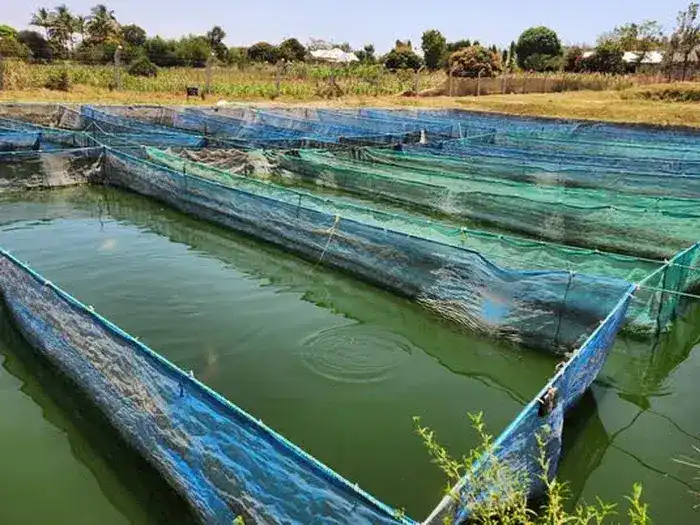
What the Regional Differences in Tilapia Farming Reveal
Understanding regional differences in tilapia farming can help you tailor your approach. Each area of Africa offers unique environments and cultures that influence farming methods. Here's what you should know about different regions and how they approach tilapia production.
Egypt's Lead: Is It Sustainable?
Egypt remains a leader in tilapia production, but the current pressures on resources raise questions about sustainability. You need to consider factors like water scarcity and pollution. Farmers face challenges that could impact future yields and long-term viability.
The Innovative Spirit of East Africa
In countries like Uganda, Kenya, and Tanzania, farmers are pushing boundaries with innovative techniques. You'll find aquaponics and integrated farming systems that make use of local ecosystems, promoting sustainability. These approaches often combine traditional knowledge with modern technology to create efficient production systems.
One farmer in Kenya implemented a system combining fish farming and vegetable cultivation, maximising space while generating multiple income streams. You might explore such integrated approaches to enhance your farm's productivity and profitability.
Navigating the Challenges in West Africa
Farmers in West Africa, particularly Ghana and Nigeria, often confront challenges like inconsistent market access and fluctuating prices. You may need to build relationships with local buyers to ensure your produce sells effectively. Understanding these market dynamics is crucial for success in this region.
A farmer in Ghana noted that forming cooperative groups helped them negotiate better prices and access to markets, something you could consider in your own locality. Collaboration often provides the leverage needed to overcome individual challenges.
Southern Africa's Unique Path
In Zambia, tilapia farming practices are influenced by specific ecological conditions. You'll find that farmers often rely on natural ponds and traditional methods to maintain fish health and production. These approaches often prove more sustainable than intensive methods in local conditions.
For instance, a Zambian farmer shared how he uses local plant materials for pond aeration, promoting a healthier environment for his fish. This local knowledge could inspire you to adopt similar practices that work with natural systems rather than against them.
What Happens When Farmers Ignore Sustainable Practices
Ignoring sustainable practices can have dire consequences for both your farm and the environment. You want to be aware of the hidden costs associated with intensive farming techniques. These costs often don't appear immediately but accumulate over time, threatening long-term profitability.
The Hidden Costs of Intensive Farming Techniques
Intensive methods may lead to immediate gains but often at the cost of long-term viability. Issues like overfishing, water pollution, and reduced biodiversity can arise. You need to consider the impact of your practices on both your immediate returns and future sustainability.
Key Information
Consequences of ignoring sustainability:
- Decreased water quality affecting fish health
- Loss of natural habitats for fish and other wildlife
- Increased costs from disease outbreaks
Why Sustainable Methods Are Not Just Buzzwords
Embracing sustainable methods can enhance your farm's profitability. You might find that investing in eco-friendly practices can streamline operations and appeal to conscientious consumers. These practices often reduce input costs while improving product quality and market acceptance.
A farmer in Nigeria who switched to organic feed noticed not only healthier fish but also a new market for his produce. You may want to explore similar opportunities in your area that reward sustainable practices with premium prices.
How Technological Innovations Are Reshaping Tilapia Farming
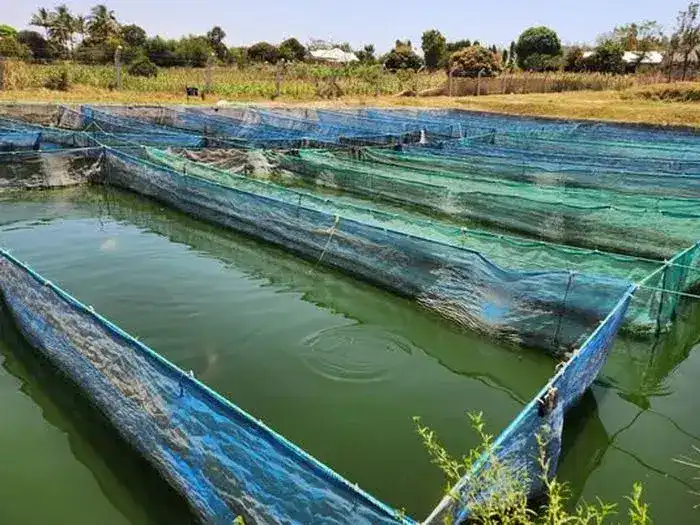
Technological advancements are transforming tilapia farming, providing you with tools to improve efficiency and productivity. You need to stay informed about these innovations to remain competitive. However, you should also evaluate which technologies truly add value versus those that simply add complexity and cost.
The Game-Changer: Digital Monitoring Systems
Digital monitoring systems allow you to track water quality and fish growth through real-time data. You may find these systems enhance your decision-making processes by providing accurate, timely information about critical parameters. The key is choosing systems that match your scale and technical capabilities.
A farmer in Tanzania shared how using an app to monitor water parameters helped him make timely adjustments, leading to a significant improvement in fish health. Consider exploring these technologies for your farm, but ensure they provide clear returns on investment.
What Advances in Aquaponics Mean for the Future
Advances in aquaponics are opening new avenues for tilapia farming. This integrated approach can optimise resource use while producing both fish and vegetables. You need to understand both the potential benefits and the increased management complexity that comes with these systems.
Community projects across Africa are successfully implementing these systems, showing you that collaboration can lead to innovative solutions. You might want to connect with such initiatives to learn more about practical implementation and water management requirements.
What You Need to Know About the Economic Landscape of Tilapia Farming
The economic landscape for tilapia farming in Africa is complex. Understanding the financial realities is crucial for your success. You need to grasp both the opportunities and challenges present in the market, as well as the factors that determine profitability.
The Financial Reality for Small-Scale Farmers
Many small-scale farmers are finding tilapia farming to be a viable income source. However, challenges like access to capital and training can hinder growth. You should seek out resources to help navigate these hurdles and build sustainable financial models for your operation.
One farmer noted that joining a cooperative provided access to funding and market knowledge, leading to improved profitability. You might explore similar collaborative options that can provide both financial and technical support.
Why Export Opportunities Are Not as Straightforward as They Seem
While there are export opportunities, they often come with complexities. Market dynamics, trade regulations, and competition can pose challenges. You'll need to research these factors thoroughly before pursuing exports and ensure you have the capacity to meet international standards consistently.
Key Information
Consider these factors when thinking about exports:
- Understanding tariff regulations in target markets
- Building reliable supply chains to meet demand
- Ensuring consistent product quality to satisfy international standards
The Ripple Effects of Tilapia Farming on Local Communities
Tilapia farming has a profound impact on local communities. You may find that its influence extends beyond economic benefits, fostering social cohesion and food security. Understanding these broader impacts can help you position your farm as a community asset rather than just a business venture.
How Tilapia Farming Can Enhance Food Security
By providing a reliable protein source, tilapia farming contributes to local food security. You may discover that communities involved in aquaculture see improved nutrition and health outcomes. This creates positive feedback loops that support the long-term success of farming operations.
A family in Malawi reported that by starting a tilapia farm, they not only improved their diet but also provided surplus fish to their neighbours, boosting community well-being. You could aim to replicate similar successes that create both economic and social value.
The Social Fabric of Fish Farming Communities
Fish farming often brings communities together, fostering collaboration. You might find that initiatives aimed at building farm cooperatives enhance social bonds among farmers. These relationships often prove as valuable as the technical knowledge shared within the group.
One cooperative in Ghana has successfully created a support network for local farmers, sharing resources and expertise. You may want to consider joining or forming such groups to strengthen your community ties and improve your farming outcomes.
What You Need to Consider for the Future of Tilapia Farming
Looking to the future, understanding the trends in tilapia farming will be crucial. You want to keep abreast of changes to remain competitive and sustainable. The industry is evolving rapidly, and those who adapt early often gain significant advantages.
The Trends That Could Shape the Next Decade
Emerging trends such as sustainable aquaculture, digitalisation, and improved breeding techniques are likely to define the future. You need to adapt to these developments to thrive. However, you should focus on trends that align with your resources and market conditions rather than chasing every new development.
Experts predict that farmers who embrace technology and sustainable practices will lead the market. You should consider how you might incorporate these into your operations while maintaining profitability and manageable complexity.
Your Role in Driving Sustainable Practices Forward
As a farmer, you have a role to play in promoting sustainability. You need to make conscious decisions that will help protect the environment and ensure future viability. Your choices influence not only your own success but also the reputation and future of the entire industry.
Change begins at the grassroots level. A farmer in Uganda who switched to organic practices has inspired others in his community to follow suit. You may find that your choices can influence those around you and create positive change that extends far beyond your own farm.
Where Do You Go From Here?
Now that you've explored the history and current landscape of tilapia farming in Africa, you need to consider your next steps. Your choices will shape the future of your farming experience. The knowledge you've gained provides a foundation, but success depends on how you apply it in your specific context.
Your Choices in Contributing to the Evolution of Tilapia Farming
Reflecting on the information presented, you have the power to make informed decisions that benefit both your business and the wider community. Seek out sustainable practices and collaborate with others to enhance your operations. Your individual actions contribute to the broader evolution of the industry.
Final Thoughts on Embracing the Future of Tilapia Farming
It's essential to remain engaged and informed about the evolving landscape of tilapia farming. You have the knowledge to succeed, and that knowledge can guide your actions moving forward. The future of tilapia farming in Africa depends on farmers like you who understand both the technical and cultural dimensions of this ancient practice.
What Ancient Civilisations Can Teach You About Tilapia Farming
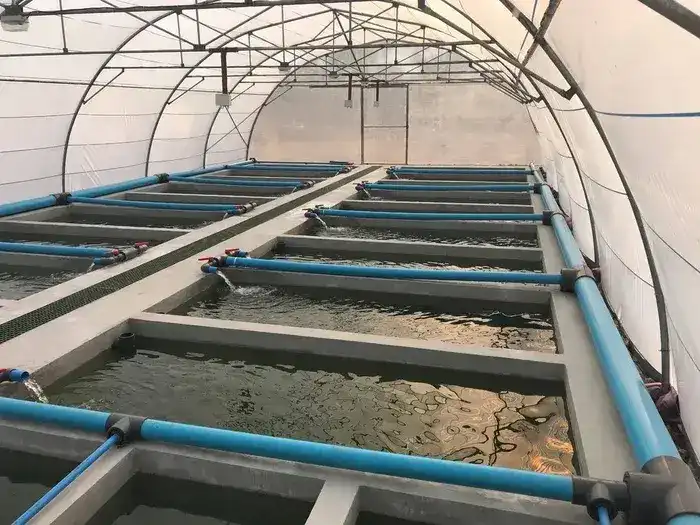
You might think modern tilapia farming started with commercial aquaculture in the 1970s, but you'd be missing thousands of years of accumulated wisdom. Ancient civilisations mastered techniques that today's farmers are only beginning to rediscover. The Egyptians were raising tilapia in managed systems when most of the world was still hunting and gathering.
What's remarkable is how many of their core principles still drive successful operations across Africa today. You can trace direct lines from pharaonic pond management to the methods used by profitable farmers in Lagos, Kampala, and Accra. The fundamentals haven't changed—only the scale and technology have evolved.
The Role of Tilapia in Ancient Egypt's Aquaculture
You need to understand that tilapia wasn't just food for ancient Egyptians—it was sacred. Hieroglyphs from 4,000 years ago show detailed pond systems along the Nile, complete with water management channels and breeding areas. These weren't accidental discoveries; they were sophisticated aquaculture operations that fed entire communities.
The ancient Egyptians solved problems you're still wrestling with today. They understood seasonal breeding cycles, developed pond rotation systems, and even practised selective breeding to improve stock quality. Archaeological evidence from sites near Memphis shows pond complexes covering hundreds of acres, with intricate water control systems that managed flow rates and water levels.
Ancient Egyptian Tilapia Techniques Still Used Today
Modern farmers across Africa unknowingly use methods perfected 4,000 years ago:
- Seasonal stocking - Timing fingerling introduction with natural breeding cycles
- Pond rotation - Allowing ponds to rest and regenerate between production cycles
- Water level management - Using controlled flooding and drainage for pond maintenance
- Selective breeding - Choosing the best performers for breeding stock
What's fascinating is how they integrated tilapia farming with agriculture. During Nile floods, they'd allow fish to spawn in temporary pools connected to their main ponds. When waters receded, juvenile fish would concentrate in permanent ponds—a natural nursery system that required minimal intervention.
How Traditional Practices Still Influence Modern Methods
You can see ancient Egyptian influence in every successful tilapia operation across Africa today, even when farmers don't realise it. The basic pond design—rectangular with sloped sides and a deeper section for fish refuge—mirrors exactly what archaeologists found in 3,000-year-old sites near Luxor. These designs have proven their effectiveness over millennia of use.
Traditional water management techniques developed along the Nile are now standard practice from Ghana to Kenya. You drain ponds partially during dry seasons to concentrate fish and make harvesting easier. You use natural water flow to maintain oxygen levels. You time your stocking to coincide with seasonal temperature changes that trigger spawning.
A farmer in Kisumu recently told me his grandfather taught him to stock fingerlings just before the long rains—exactly the same timing ancient Egyptians used with Nile floods. He didn't know he was following a 4,000-year-old protocol, but his survival rates consistently hit 85% while neighbours using "modern" random stocking barely reach 60%.
| Ancient Practice | Modern Application | Why It Works |
|---|---|---|
| Flood-season stocking | Rainy season fingerling introduction | Natural temperature and oxygen cycles boost survival |
| Sacred pond rotation | Fallow periods between crops | Allows beneficial bacteria to regenerate, reduces disease |
| Temple breeding selection | Choosing fastest-growing broodstock | Improves growth rates and disease resistance over generations |
The integration of fish farming with crop production—what we now call aquaponics—was standard practice in ancient Egypt. They used nutrient-rich pond water to irrigate vegetables, then returned filtered water to fish ponds. You see the same systems working successfully in modern operations from Accra to Nairobi, though most farmers learned the technique from necessity rather than historical study.
What ancient civilisations understood that many modern farmers miss is the importance of working with natural cycles rather than against them. You can't force tilapia to perform on your schedule—you need to align your operations with their biological rhythms and environmental conditions. The Egyptians built their entire aquaculture system around this principle, and it sustained them for millennia.
Frequently Asked Questions
What makes African tilapia farming different from other regions?
African tilapia farming is deeply rooted in cultural traditions and ancient practices dating back thousands of years. You'll find that successful farmers combine traditional knowledge with modern techniques, understanding local ecosystems and community dynamics that don't exist elsewhere.
Why do some tilapia farms succeed while others fail in Africa?
Success depends on understanding cultural contexts, seasonal patterns, and local market preferences rather than just technical parameters. You need to work with community dynamics and traditional knowledge systems, not against them.
How important are sustainable practices for long-term profitability?
Sustainable practices are essential for long-term success. You'll find that intensive methods may provide short-term gains but often lead to water quality problems, disease outbreaks, and environmental degradation that threaten future profitability.
What role does technology play in modern African tilapia farming?
Technology can enhance efficiency through digital monitoring and improved breeding techniques, but you should focus on innovations that match your scale and resources. The most successful farmers combine appropriate technology with traditional wisdom.
How can small-scale farmers compete in the tilapia market?
You can compete by understanding local market dynamics, forming cooperatives for better negotiating power, and focusing on quality rather than just quantity. Building relationships with buyers and timing harvests around cultural events often proves more valuable than scale alone.
In exploring the rich history of tilapia farming in Africa, it's clear that this practice is deeply intertwined with cultural traditions, economic realities, and sustainable practices. From ancient Egyptians to contemporary farmers, tilapia has played a significant role in shaping communities and livelihoods across the continent.
You now have insights into the complexities of tilapia farming, including the importance of embracing sustainable methods and the ways technology is transforming practices. You've also learned how regional differences influence farming techniques and the economic factors that can impact your success.
As you consider the future of tilapia farming, think about your role in this evolving narrative. Engage with local communities, adopt sustainable practices, and stay informed about market dynamics. Your contribution can not only enhance your own operations but also support the broader sustainability of aquaculture in Africa.
For further guidance, explore the resources available at FishFarmingBusiness.com. We're committed to helping you navigate the business side of fish farming, ensuring that your venture is both profitable and sustainable.


Yomi Adisa Lead Researcher
Yomi Adisa is the lead researcher at Fish Farming Business, where he studies what makes aquaculture ventures profitable across Africa. His research focuses on market patterns, buyer preferences, and the business decisions that determine success or failure in fish farming.