Managing Algae in Tilapia Farming

Posted on: 2025-10-31
By: Yomi Adisa
Understanding the Complexities of Algae Overgrowth in Tilapia Farming
Understanding the complexities of algae overgrowth in tilapia farming can significantly improve the health of your fish and the quality of your pond ecosystem. This article equips you with essential insights that empower you to take control of algae management.
What You Will Learn
- Excess Nutrients: High levels of nitrogen and phosphorus are primary contributors to algae growth, necessitating careful nutrient management.
- Sunlight Exposure: Algae thrive in well-lit conditions; managing shade can help control their proliferation.
- Water Temperature: Warmer water encourages rapid algae growth, making temperature monitoring vital.
- Nutrient Pollution: Regular water testing for nutrient levels can help mitigate the effects of fertilizers and organic waste.
- Eutrophication Awareness: Recognizing the signs of eutrophication early allows for timely intervention, preserving water quality.
- Sudden Algae Blooms: Watch for water discoloration, foul odors, and unusual fish behavior to address blooms quickly.
- Ammonia and Nitrite Control: Regular monitoring and proactive feeding strategies are essential to maintaining fish health.
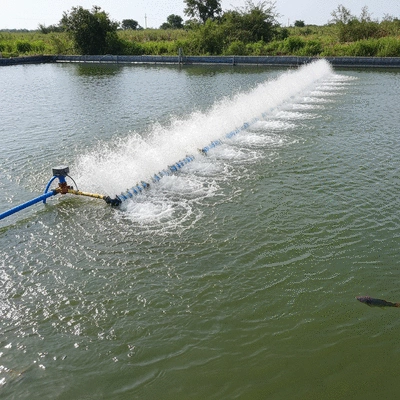
- Improving Water Circulation: Installing aerators and optimizing water flow can prevent stagnation and enhance oxygen levels.
Tilapia Pond Health: Key Factors & Solutions
Maintaining a healthy tilapia pond involves understanding critical factors contributing to algae overgrowth and implementing effective control measures. Below, we outline these factors and a step-by-step process for managing algae blooms and water quality. For a deeper dive into overall pond health, consider reading our guide on managing tilapia pond water quality.
Factors Contributing to Algae Proliferation
- •Excess Nutrients: High nitrogen & phosphorus levels.
- •Sunlight: Well-lit conditions promote growth.
- •Water Temperature: Warmer water accelerates algae growth.
Step-by-Step Algae Control Process
- 1Identify Bloom: Discoloration, odors, fish stress.
- 2Reduce Feeding: Minimize waste, lower nutrient input.
- 3Increase Aeration: Boost oxygen, improve circulation.
- 4Water Changes: Dilute nutrient concentrations.
- 5Monitor & Test: Regularly check nutrient levels.
Troubleshooting Ammonia & Nitrite Spikes
- •Reduce Feeding: Less feed equals less waste.
- •Increase Water Changes: Dilute toxic compounds effectively.
- •Add Beneficial Bacteria: Helps break down ammonia/nitrite.
Improving Water Circulation
- •Install Aerators: Boosts oxygen & water flow.
- •Strategic Inlets/Outlets: Ensures pond-wide circulation.
- •Use Water Pumps: Prevents stagnation in key areas.
Understanding the Causes of Algae Overgrowth in Tilapia Farming
Algae overgrowth can be a significant challenge in tilapia farming, impacting both the health of your fish and the overall ecosystem of your pond. Understanding the causes behind algae proliferation is crucial for effective management. By identifying the factors that contribute to this issue, we can better devise strategies to control and prevent excessive algae growth.
There are several key factors at play when it comes to algae overgrowth. In my experience, I've observed that nutrient levels, sunlight exposure, and water temperature all play critical roles. Addressing these elements can lead to healthier ponds and thriving tilapia populations!
What Factors Contribute to Algae Proliferation?
- Excess Nutrients: High concentrations of nitrogen and phosphorus can fuel algae growth.
- Sunlight: Algae thrive in well-lit conditions, making sun exposure a significant factor.
- Water Temperature: Warmer water typically promotes more rapid algae growth.
As an aquaculture expert, I've seen firsthand how these factors interact. For instance, if your pond is overly fertilized or not properly shaded, it can lead to explosive algae blooms. Monitoring these aspects closely is essential for maintaining optimal water quality. You can also explore various pond ecosystem management techniques to further enhance your pond's health.
The Role of Nutrient Pollution in Water Quality
Nutrient pollution is often the driving force behind algae overgrowth. When fertilizers, animal waste, or even decaying organic matter enters the water, it increases nutrient levels. This excess can lead to detrimental effects on water quality and fish health.
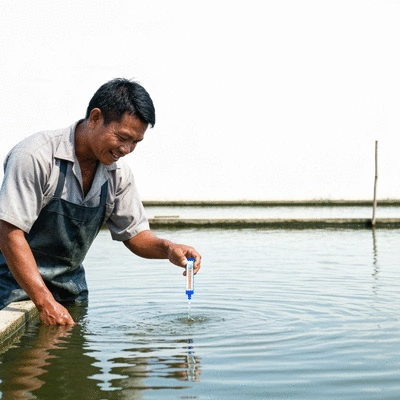
Regularly testing your pond's water for nutrient levels is an effective way to combat nutrient pollution. Not only does it help you understand the current state of your water, but it also allows you to make informed decisions about managing fertilizers and feed to prevent future algae issues. For practical advice on managing feed, consider our article on optimizing tilapia feeding rates.
Impact of Eutrophication on Aquatic Ecosystems
Eutrophication, a process whereby nutrient enrichment leads to increased algae growth, can have profound impacts on aquatic ecosystems. This typically results in depleted oxygen levels, which can be harmful or even fatal to your tilapia. Additionally, dead algae can decompose, further reducing oxygen levels and harming the fish.
By recognizing the signs of eutrophication early, you can implement preventative measures. Focus on nutrient management and water quality testing to keep your pond ecosystem stable and thriving!
Step-by-Step Process for Controlling Algae in Tilapia Ponds
Controlling algae doesn't have to be overwhelming. I want to share a practical, step-by-step approach that can help you maintain a healthy environment for your tilapia. Let's dive into the process!
FAQs About Algae Overgrowth in Tilapia Farming
We Want to Hear From You!
Have you experienced challenges with algae overgrowth in your tilapia ponds? What strategies have you found effective? Share your thoughts below:
Common Challenges and Troubleshooting in Algae Control
Managing algae in your tilapia ponds can be challenging, especially when sudden blooms occur. As the Lead Researcher at Tilapia Farming Solutions, I've witnessed firsthand how these blooms can disrupt the delicate balance of a pond ecosystem. Understanding the common challenges and having effective troubleshooting strategies can make all the difference in maintaining a healthy environment for your fish.
Identifying and Addressing Sudden Algae Blooms
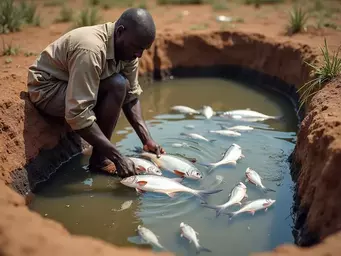
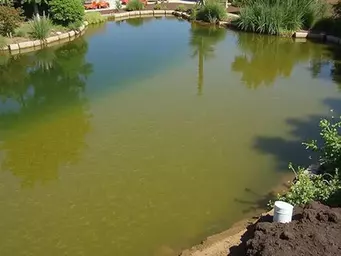
Sudden algae blooms often arise unexpectedly, leading to possible oxygen depletion, which can harm your tilapia. Recognizing the signs early can help you mitigate their impact. Here are some key indicators to watch for:
- Discoloration of water: Green, brown, or reddish water can signal a bloom.
- Odors: A foul smell may indicate decay and poor oxygen levels.
- Fish behavior: Observe for signs of stress in your tilapia, like gasping at the surface.
If you notice any of these signs, act quickly! Reduce feeding, increase aeration, and consider partial water exchanges to dilute nutrient concentrations. Proactive measures can help restore balance in your pond.
Dealing with Ammonia and Nitrite Spikes: Solutions
Another common issue in tilapia farming is spikes in ammonia and nitrite levels, which can be detrimental to fish health. Regular monitoring is essential, but if you encounter elevated levels, here are some steps to address the issue:
- Reduce feeding: Lower your fish feed to minimize waste.
- Increase water changes: Frequent water changes dilute harmful substances.
- Introduce beneficial bacteria: These can help break down toxic compounds.
By implementing these strategies, you can create a safer environment for your tilapia, ultimately promoting healthier growth and reducing stress. For more on preventing diseases, check out our insights on preventing tilapia diseases in ponds.
Addressing Water Circulation Issues and Their Effects
Good water circulation is vital in any tilapia farming operation. Poor circulation can lead to dead zones where oxygen levels drop, encouraging algae growth and impacting your fish. Here are some simple steps to improve water circulation in your ponds:
- Install aerators: These devices help circulate water and increase oxygen levels.
- Position water inlets and outlets wisely: Ensure they promote flow throughout the pond.
- Use water pumps: They can assist in moving water to prevent stagnation.
By tackling circulation issues, you not only enhance water quality but also create a more favorable environment for your tilapia to thrive. Further detailed information on aeration can be found on our guide to choosing the right aerator.
Recap of Key Points
Here is a quick recap of the important points discussed in the article:
- Monitor Nutrient Levels: Regularly test pond water for excess nitrogen and phosphorus to prevent algae overgrowth.
- Control Sunlight Exposure: Implement shading techniques to limit sunlight that fuels algae growth.
- Manage Water Temperature: Keep water temperatures in check, as warmer conditions promote rapid algae proliferation.
- Address Nutrient Pollution: Minimize nutrient runoff from fertilizers and waste to maintain water quality.
- Recognize Eutrophication Signs: Early identification of nutrient enrichment can help in taking preventative measures.
- Implement Aeration: Use aerators to enhance water circulation and oxygen levels, reducing dead zones.
- Reduce Feeding During Blooms: Cut down on fish feed during sudden algae blooms to minimize waste and stress on fish.


Yomi Adisa Lead Researcher
Yomi Adisa is the lead researcher at Fish Farming Business, where he studies what makes aquaculture ventures profitable across Africa. His research focuses on market patterns, buyer preferences, and the business decisions that determine success or failure in fish farming.