Managing Water Temperature for Tilapia Growth: A Practical Farmer's Guide
Posted on: 2025-11-03
By: Yomi Adisa
Managing Water Temperature for Tilapia Growth: A Practical Farmer's Guide
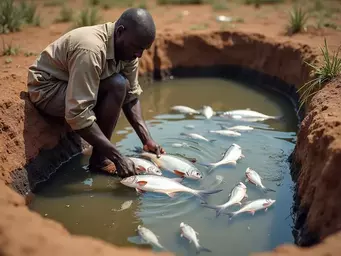
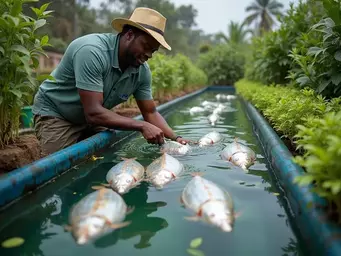
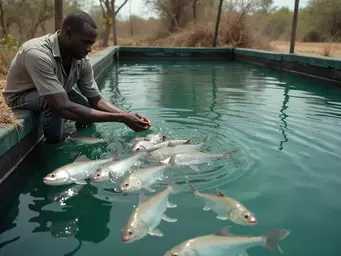
Picture this: You check your tilapia pond early one morning in Lagos and notice your fish floating near the surface, gasping for air. The water feels warmer than usual after several days of intense heat, and your normally active tilapia appear sluggish and off their feed. Within days, growth rates slow, and you start finding dead fish. This scenario plays out across African tilapia farms when water temperature swings beyond optimal ranges, costing farmers thousands of naira, shillings, or kwacha in lost production.
📑 Table of Contents
Water temperature stands as one of the most critical factors determining your tilapia farming success, yet many farmers underestimate its profound impact on fish health, growth rates, and feed conversion efficiency. Temperature affects every aspect of your fish's physiology—from their metabolic rate and oxygen consumption to their immune system strength and reproductive behaviour. When you master temperature management, you unlock faster growth, better feed conversion ratios, reduced mortality, and ultimately higher profits from your tilapia operation.
This comprehensive guide provides you with complete technical knowledge for managing water temperature effectively in your tilapia farming system. You'll learn precise temperature ranges for optimal growth, understand how temperature impacts feeding practices and water quality, master acclimation techniques for seasonal changes, and discover practical technologies for maintaining stable conditions. Whether you're farming Nile tilapia in Kenya's highlands or Blue tilapia in Nigeria's coastal regions, this knowledge will transform your production results and give you confidence to handle temperature challenges throughout the year.
🎯 What You'll Learn
- Master the optimal water temperature range of 26-30°C to maximise tilapia growth rates and feed conversion efficiency
- Discover effective acclimation techniques to prevent thermal shock and maintain fish health during seasonal temperature changes
- Learn practical methods for managing water quality parameters that are influenced by temperature, ensuring a stable environment for your tilapia
Understanding Optimal Temperature Ranges for Tilapia Growth
Temperature management forms the foundation of successful tilapia production, influencing every biological process in your fish from cellular metabolism to reproductive maturity. Understanding the precise temperature requirements and their physiological impacts enables you to create optimal growing conditions whilst avoiding the costly mistakes that plague many African tilapia operations. Let's explore the specific temperature ranges your tilapia need and how regional variations affect your management strategies.
Ideal Temperature Range
Your tilapia perform best when water temperature remains consistently between 26-30°C (78.8-86°F), with 28°C representing the sweet spot for maximum growth rates. At this optimal water temperature range, Nile tilapia can achieve daily weight gains of 3-5 grams in well-managed systems, whilst Blue tilapia typically gain 2-4 grams daily. A farmer in Kisumu operating six 100m² earthen ponds maintains temperatures at 28-29°C year-round and achieves remarkable results: 95% survival rates, average harvest weights of 400g after seven months, and feed conversion ratios of 1.6:1.
Within this optimal range, your tilapia's metabolic rate operates at peak efficiency, maximising protein synthesis and minimising energy waste. Fish appetite remains strong and consistent, enabling you to maintain regular feeding schedules that support steady growth. Their immune systems function optimally, providing natural resistance against common diseases like columnaris and ich that often strike when temperatures fluctuate.

Temperature directly controls enzyme activity within your tilapia's digestive system, with optimal ranges ensuring maximum nutrient absorption from feed. When temperatures drop below 24°C, digestive efficiency decreases significantly, meaning fish extract less nutrition from the same amount of feed. Conversely, temperatures above 32°C stress fish metabolically, forcing them to expend energy maintaining cellular function rather than growing muscle tissue.
| Species | Optimal Temperature Range (°C) | Daily Weight Gain (g) | Survival Rate (%) |
|---|---|---|---|
| Nile Tilapia | 26-30°C | 3-5g | 95% |
| Blue Tilapia | 26-30°C | 2-4g | 90% |
Temperature Fluctuations and Their Impact on Health
Sudden temperature changes of more than 2-3°C within 24 hours create severe physiological stress in your tilapia, triggering a cascade of health problems that can devastate your production. Thermal shock disrupts your fish's osmoregulatory system—their ability to maintain proper salt and water balance—leading to weakened immunity and increased susceptibility to bacterial infections. Fish experiencing thermal stress often develop white patches on their skin, exhibit erratic swimming behaviour, and show reduced feeding response.
Your tilapia's immune system becomes compromised during temperature fluctuations, with white blood cell production decreasing and antibody effectiveness diminishing. This immunosuppression creates opportunities for opportunistic pathogens to establish infections that healthy fish would normally resist. A tilapia farmer in Kampala learned this lesson expensively when rapid cooling during a storm dropped his pond temperature from 29°C to 24°C overnight, resulting in a columnaris outbreak that killed 30% of his stock within a week.
Chronic temperature stress—where temperatures remain outside optimal ranges for extended periods—causes even more insidious damage to your tilapia's health and growth performance. Fish divert energy from growth to stress response mechanisms, resulting in poor feed conversion and stunted development. Reproductive function becomes impaired, with reduced spawning frequency and lower egg survival rates in breeding operations.
Regional Temperature Considerations
Your location across Africa significantly influences your temperature management strategies, with each region presenting unique challenges and opportunities. East African highlands, including areas around Nairobi and Addis Ababa, often experience cooler temperatures requiring heating systems or greenhouse covers during cold seasons. A successful farmer near Nakuru uses black plastic sheeting over his 200m² pond system, raising water temperature by 3-4°C during cool months and maintaining consistent production year-round.

West African coastal regions, particularly around Lagos and Accra, face opposite challenges with excessive heat during dry seasons pushing water temperatures above 35°C. These farmers benefit from shade structures, deeper ponds (minimum 1.5m depth), and strategic water exchange during cooler morning hours. One innovative farmer in Ibadan constructed bamboo shade covers over his concrete tanks, reducing midday temperatures by 5-6°C whilst maintaining adequate light penetration.
Southern African regions experience dramatic seasonal variations, with winter temperatures in areas like Johannesburg dropping below 20°C whilst summer peaks exceed 35°C. Farmers in these regions must plan for both heating and cooling systems, often using solar heating during winter months and evaporative cooling during summer. The investment in temperature control systems pays dividends through consistent year-round production rather than seasonal farming patterns.
Impact of Temperature on Feeding Practices
Temperature profoundly influences your tilapia's feeding behaviour, digestive efficiency, and nutritional requirements, making it essential to adjust your feeding practices according to water temperature conditions. Understanding these relationships enables you to optimise feed conversion ratios, minimise waste, and maintain healthy growth rates throughout seasonal variations. Proper temperature-based feeding management can improve your feed conversion ratio from 2.5:1 to 1.8:1, representing substantial cost savings on your largest operational expense.
Temperature-Dependent Feeding Regimes
Your tilapia's appetite and feeding frequency must be adjusted based on water temperature to maximise growth whilst preventing feed waste and water quality deterioration. At optimal temperatures of 28-30°C, feed your fish 3-4 times daily at 3.5-4% of total body weight, spacing meals evenly throughout daylight hours. A farmer in Mwanza feeds his 5,000 tilapia four times daily (7am, 11am, 3pm, 6pm) during warm months, achieving excellent growth rates of 4-5g daily weight gain.
When temperatures drop to 24-26°C, reduce feeding frequency to twice daily and decrease the total daily ration to 2.5-3% of body weight. Your fish's metabolic rate slows significantly at these temperatures, reducing their ability to digest and utilise nutrients efficiently. Overfeeding during cooler periods leads to uneaten feed accumulating on pond bottoms, decomposing and creating ammonia spikes that stress your fish further.

During extremely hot periods above 32°C, your tilapia experience reduced appetite and digestive efficiency. Feed only once daily during the coolest part of the day (early morning before sunrise), providing 1.5-2% of body weight. Monitor feeding response carefully—if fish don't consume feed within 15 minutes, remove excess immediately to prevent water quality degradation.
| Temperature Range (°C) | Feeding Frequency | Daily Feed Percentage (%) | Potential Issues |
|---|---|---|---|
| 28-30°C | 3-4 times daily | 3.5-4% | None |
| 24-26°C | 2 times daily | 2.5-3% | Reduced digestion |
| Above 32°C | Once daily | 1.5-2% | Reduced appetite |
Growth Performance Metrics
Feed Conversion Ratio (FCR) serves as your primary indicator of feeding efficiency and temperature management success. Calculate FCR by dividing total feed given by total weight gain: if you feed 100kg of feed and your fish gain 50kg total weight, your FCR is 2.0:1. Optimal temperature management should achieve FCRs between 1.5:1 and 2.0:1 for commercial tilapia production.
Temperature directly impacts FCR performance, with optimal ranges of 26-30°C producing the best conversion ratios. A farmer in Kisii maintains water temperature at 28°C year-round using solar heating and achieves consistent FCRs of 1.6:1, whilst his neighbour with uncontrolled temperature fluctuations averages 2.4:1. This difference represents 50% more feed costs for the same weight gain.
Daily weight gain provides another crucial metric for evaluating temperature and feeding effectiveness. Well-managed tilapia in optimal temperature conditions should gain 3-5g daily during their growth phase (50-300g body weight). Track average weights monthly by sampling 10% of your stock, weighing individual fish, and calculating mean weights. Compare these measurements against feeding records and temperature logs to identify optimal management practices for your specific system.
Monitoring Fish Health
Visual observation of feeding behaviour reveals critical information about temperature stress and fish health in your tilapia system. Healthy fish in optimal temperature conditions exhibit vigorous feeding response, with fish rushing to feeding areas within seconds of feed distribution. They consume feed rapidly and completely, with little or no feed remaining after 10-15 minutes.
Temperature-stressed fish display distinct behavioural changes that serve as early warning signs of problems. Fish experiencing thermal stress often feed reluctantly, approach feed slowly, and leave significant amounts uneaten. They may exhibit surface swimming behaviour, gather near water inlets or outlets seeking temperature variations, or show reduced activity levels throughout the day.
Physical symptoms of temperature stress include pale colouration, increased mucus production creating a slimy appearance, fin damage from increased aggression, and visible lesions or wounds that heal slowly. Monitor your fish daily during feeding times, noting any changes in behaviour, appetite, or physical appearance. Maintain a simple log recording water temperature, feeding response (excellent, good, fair, poor), and any unusual observations to identify patterns and prevent problems before they become serious.
Water Quality Management in Relation to Temperature
Temperature serves as the master variable controlling all other water quality parameters in your tilapia system, making integrated management essential for maintaining healthy growing conditions. As water temperature rises, dissolved oxygen levels decrease whilst ammonia toxicity increases, creating a complex web of interactions that require careful monitoring and proactive management. Understanding these relationships enables you to anticipate problems and implement corrective measures before they impact fish health and growth performance.
Key Water Quality Parameters
Dissolved oxygen represents your most critical water quality concern, with levels dropping dramatically as temperature increases. At 26°C, water holds approximately 8.2mg/L of dissolved oxygen when fully saturated, whilst at 32°C, saturation drops to only 7.3mg/L. Your tilapia require minimum dissolved oxygen levels of 5mg/L for healthy growth, but perform optimally with levels above 6mg/L. A farmer in Nakuru learned this relationship expensively when hot weather pushed his pond temperature to 34°C, dropping dissolved oxygen below 4mg/L and causing significant fish mortality before he installed emergency aeration.

Ammonia toxicity increases exponentially with rising temperature, making hot weather periods particularly dangerous for your tilapia. At 26°C and pH 7.5, ammonia concentrations of 1.0mg/L cause mild stress, but the same concentration at 32°C becomes lethal within hours. Monitor ammonia levels daily during hot periods, maintaining concentrations below 0.25mg/L through increased water exchange, reduced feeding, or enhanced biological filtration.
pH stability becomes more challenging to maintain as temperature fluctuates, with warmer water experiencing greater pH swings throughout the day. Optimal pH for tilapia ranges from 6.8-8.5, but daily variations should not exceed 0.5 units. Temperature affects pH through increased biological activity, photosynthesis rates, and carbon dioxide solubility changes. Monitor pH twice daily (early morning and late afternoon) during temperature extremes to identify problematic trends before they impact fish health.
| Water Quality Parameter | Optimal Range | Impact of Temperature Increase | Management Strategies |
|---|---|---|---|
| Dissolved Oxygen | >6mg/L | Decreases with heat | Aeration |
| Ammonia | <0.25mg/L | Becomes toxic at higher temps | Water exchange |
| pH | 6.8-8.5 | Fluctuates more with heat | Regular monitoring |
Techniques for Monitoring Water Quality
Establish a systematic water testing routine that accounts for temperature's influence on other parameters, checking dissolved oxygen, pH, ammonia, and nitrite levels at consistent times each day. Test dissolved oxygen and temperature simultaneously using a digital meter, recording both values to track their relationship over time. Early morning readings (before sunrise) provide the most critical information, as overnight respiration by fish and bacteria depletes oxygen to daily minimums.
Use reliable test kits appropriate for African farming conditions, selecting products that remain stable in high temperatures and humidity. Hach test kits, available through suppliers in Nairobi, Lagos, and Johannesburg, provide accurate results for ammonia (0-2.0mg/L range), nitrite (0-1.0mg/L range), and pH (6.0-9.0 range). Store test reagents in cool, dry locations and replace expired chemicals promptly to ensure accurate readings.
Maintain detailed records linking water quality measurements with temperature readings, feeding practices, and fish behaviour observations. Create a simple log sheet recording date, time, temperature, dissolved oxygen, pH, ammonia, nitrite, weather conditions, and general fish behaviour. Review these records weekly to identify patterns and correlations that help predict and prevent water quality problems during temperature fluctuations.
Integrated Water Quality Management Strategies
Aeration systems become increasingly important as temperatures rise, providing both oxygen supplementation and water circulation to maintain stable conditions. Install paddle wheel aerators or venturi systems sized to provide 2-3hp per hectare of pond surface area, operating them continuously during hot weather periods. A farmer in Kumasi uses solar-powered paddle wheel aerators in his four 500m² ponds, maintaining dissolved oxygen above 6mg/L even when temperatures exceed 33°C.
Water exchange strategies must be coordinated with temperature management to avoid thermal shock whilst improving water quality. During hot periods, exchange 10-15% of pond volume daily using cooler groundwater or early morning surface water. Time water exchanges for early morning hours (5-7am) when incoming water temperatures most closely match pond temperatures, minimising thermal stress on your fish.
Biological filtration systems work more efficiently at optimal temperatures, processing ammonia and nitrite more rapidly when water temperature remains between 26-30°C. Enhance biological filtration during temperature extremes by maintaining adequate surface area for beneficial bacteria growth, ensuring proper water flow through biofilters, and avoiding sudden temperature changes that shock bacterial populations. Consider backup biological filtration capacity during hot weather when primary systems may become overwhelmed by increased waste production.
Acclimation Techniques for Temperature Changes
Proper acclimation techniques protect your tilapia from thermal shock whilst enabling successful adaptation to seasonal temperature variations and system transfers. Gradual temperature adjustment allows fish to physiologically adapt their metabolic processes, enzyme systems, and cellular functions to new thermal conditions without experiencing dangerous stress responses. Mastering these techniques prevents costly mortality events and maintains steady growth performance throughout temperature transitions.
Importance of Acclimation
Tilapia possess remarkable thermal adaptability, but this adaptation requires time and gradual exposure to new temperature conditions. Rapid temperature changes exceeding 3°C per hour overwhelm your fish's physiological adjustment mechanisms, causing cellular damage, immune system suppression, and potentially fatal osmotic stress. Proper acclimation allows gradual adjustment of gill function, enzyme activity, and metabolic rate to match new thermal conditions.
Your tilapia's cellular membranes must physically restructure to function efficiently at different temperatures, a process requiring 24-48 hours for complete adaptation. During this acclimation period, membrane fluidity adjusts to maintain proper permeability and ion transport functions. Fish that undergo proper acclimation show improved survival rates, faster return to normal feeding behaviour, and better long-term growth performance compared to those experiencing thermal shock.
Seasonal acclimation provides additional benefits beyond immediate survival, enabling your tilapia to maintain productivity during natural temperature fluctuations. Fish gradually acclimated to cooler winter temperatures continue feeding and growing at reduced but steady rates, whilst those experiencing sudden cooling often cease feeding entirely for weeks. A farmer in Eldoret gradually reduces pond temperature by 1°C weekly during autumn months, maintaining 70% of summer growth rates throughout winter compared to neighbours whose unacclimated fish show minimal winter growth.
Step-by-Step Acclimation Process
Begin acclimation procedures when temperature differences between current and target conditions exceed 4°C, allowing 24 hours for every 3-4°C of temperature change required. For example, moving fish from 24°C water to 30°C requires two full days of gradual warming at 3°C per day. Monitor fish behaviour continuously during acclimation, watching for signs of stress such as rapid gill movement, surface swimming, or reduced feeding response.
Implement temperature changes gradually using controlled water exchange or heating/cooling systems. Add warmer or cooler water slowly over 2-3 hour periods, raising or lowering temperature by 1-1.5°C during each adjustment. Mix incoming water thoroughly to prevent thermal stratification that creates temperature pockets harmful to fish. A successful farmer in Mombasa uses this technique when transferring fingerlings from heated nursery tanks to outdoor ponds, achieving 98% survival rates compared to 75% survival with rapid transfers.
Monitor dissolved oxygen levels closely during acclimation periods, as changing temperatures affect oxygen solubility and fish oxygen consumption rates. Increase aeration during warming periods when dissolved oxygen levels drop, and reduce feeding by 25-50% during the first 48 hours after temperature changes to minimise metabolic stress. Resume normal feeding schedules only after fish demonstrate normal appetite and behaviour patterns.
| Temperature Change (°C) | Acclimation Time Required (hours) | Recommended Method | Monitoring Tips |
|---|---|---|---|
| 4°C | 24 hours | Gradual water exchange | Observe feeding response |
| 3°C | 24 hours | Controlled heating/cooling | Monitor oxygen levels |
Seasonal Acclimation Strategies
Develop seasonal temperature management calendars based on your regional climate patterns, beginning acclimation procedures 2-3 weeks before expected temperature changes. East African highland farmers should begin cooling acclimation in March before the long rains and warming acclimation in August before hot dry seasons. West African coastal farmers need heating preparation during harmattan season (November-February) and cooling preparation before peak heat periods (March-May).
Create thermal refugia within your pond systems to help fish self-regulate during seasonal transitions. Construct deeper areas (2-2.5m) that remain cooler during hot periods and shallower zones (0.8-1.0m) that warm quickly during cool seasons. Fish naturally move between these areas to find comfortable temperatures, reducing stress and maintaining feeding behaviour throughout seasonal changes.
Implement gradual photoperiod adjustments alongside temperature acclimation to support natural seasonal adaptation. Extend or reduce artificial lighting by 15-30 minutes weekly to match changing daylight hours, helping synchronise your tilapia's biological rhythms with seasonal conditions. This comprehensive approach improves feed conversion ratios and maintains reproductive cycling in broodstock operations throughout the year.
Practical Technologies for Temperature Management
Modern temperature management technologies offer tilapia farmers practical solutions for maintaining optimal growing conditions year-round, from simple passive methods using locally available materials to sophisticated active systems powered by solar energy. Selecting appropriate technologies depends on your budget, farm size, local climate conditions, and available infrastructure. Understanding the advantages and limitations of different approaches enables you to build effective temperature control systems that improve production whilst remaining economically viable.
Passive vs. Active Temperature Control
Passive temperature control methods rely on natural processes and structural modifications to moderate water temperature without external energy inputs. Shade structures using locally available materials provide effective cooling during hot periods—bamboo frames covered with palm fronds or shade cloth reduce midday water temperatures by 4-6°C whilst maintaining adequate light for natural productivity. A farmer in Tamale constructed shade covers over his concrete tanks using bamboo and woven grass mats, reducing peak temperatures from 36°C to 30°C during hot season whilst spending only 50,000 cedis on materials.
Pond depth manipulation offers another passive approach, with deeper water masses remaining more thermally stable than shallow systems. Excavate ponds to minimum depths of 1.5m in hot climates, creating thermal refugia where fish can escape surface temperature extremes. Conversely, shallow areas (0.5-0.8m) warm quickly during cool periods, providing comfortable zones for feeding and activity. Strategic placement of deeper and shallow zones within single ponds allows fish to self-regulate their thermal environment.
Active temperature control systems use external energy sources to heat or cool water directly, providing precise control over thermal conditions regardless of ambient weather. Solar water heaters adapted for aquaculture applications can raise water temperature by 8-12°C during cool periods, enabling year-round production in highland areas. Electric immersion heaters sized at 1kW per 10m³ of water volume provide backup heating during extended cool periods, though operating costs require careful economic analysis.
Implementing Temperature Control Technologies
Solar heating systems offer the most practical active temperature control for African tilapia farmers, utilising abundant sunshine to maintain optimal growing conditions during cool seasons. Construct simple solar collectors using black plastic tubing coiled inside insulated boxes with glass or clear plastic covers. Water circulated through these collectors gains 6-10°C temperature increase during sunny days, with systems sized at 2m² collector area per 10m³ pond volume providing adequate heating capacity.
Evaporative cooling systems provide cost-effective temperature reduction during extreme heat periods, using water evaporation to remove heat energy from pond systems. Install misting nozzles or wet pad systems that spray fine water droplets above pond surfaces, cooling water through evaporative heat loss. A farmer in Kano reduces pond temperature by 5-7°C using a simple misting system powered by a small electric pump, operating only during peak heat hours to minimise water consumption.
Thermal mass systems utilise large volumes of water or stone to moderate temperature fluctuations through heat storage and release. Construct stone-lined channels or concrete thermal masses that absorb heat during warm periods and release it during cool nights, buffering temperature swings naturally. These systems work particularly well in regions with large diurnal temperature variations, maintaining more stable conditions for consistent fish growth.
Case Studies from Successful Farmers
Samuel Ochieng operates a 2-hectare tilapia farm near Lake Victoria, combining passive and active temperature management to maintain year-round production. His system includes bamboo shade structures over nursery ponds, solar heating for fingerling tanks, and strategically designed pond depths ranging from 0.8m to 2.5m. During the 2019 cool season, when neighbouring farms experienced 40% growth rate reductions, Samuel's temperature-controlled system maintained 85% of peak season performance, generating an additional 150,000 shillings in revenue.
Maria Tembo in Malawi developed an innovative low-cost temperature management system using locally available materials and simple technology. She constructed solar collectors from recycled plastic bottles painted black and connected with PVC piping, heating her 500m² pond system for less than 25,000 kwacha total investment. Combined with strategic water exchange timing and bamboo windbreaks, her system maintains temperatures within 2°C of optimal ranges throughout the year, achieving consistent FCRs of 1.8:1 regardless of season.
Joseph Adebayo's commercial operation in Ogun State demonstrates large-scale temperature management using renewable energy systems. His 5-hectare facility incorporates solar-powered aeration, automated shade systems, and computerised temperature monitoring across 20 production ponds. The integrated system maintains optimal growing conditions year-round whilst reducing energy costs by 60% compared to conventional electric heating and cooling. His investment of 2.5 million naira in temperature control technology paid for itself within 18 months through improved production efficiency and reduced mortality rates.
Managing water temperature effectively stands as one of your most powerful tools for tilapia farming success. By maintaining temperatures between 26-30°C, adjusting feeding practices based on thermal conditions, and implementing proper acclimation techniques, you can achieve faster growth rates, better feed conversion ratios, and significantly reduced mortality. Start with simple monitoring using basic thermometers and visual observation of fish behaviour—these fundamentals will serve you well before investing in sophisticated temperature control systems.
Remember that temperature management doesn't require expensive technology to be effective. Shade structures, strategic pond depth, and gradual acclimation practices using locally available materials can dramatically improve your production results. The key lies in consistent daily monitoring and understanding how temperature influences every aspect of your fish's health, from appetite and digestion to disease resistance and growth performance.
You now possess the knowledge to handle seasonal temperature variations, prevent thermal shock, and optimise feeding schedules for maximum efficiency. Like any farming skill, temperature management improves with practice and careful observation of your specific conditions. Trust your growing expertise whilst maintaining detailed records to identify what works best in your unique environment.
With solid temperature control mastering under your belt, focus next on developing comprehensive pond management strategies that integrate water quality monitoring, efficient feeding systems, and disease prevention protocols. These interconnected practices work together to create the optimal growing environment that transforms tilapia farming from survival to profitability.
Frequently Asked Questions
What is the absolute best water temperature for my tilapia to grow fastest?
Your tilapia will achieve maximum growth rates when the water temperature is consistently between 26-30°C, with 28°C being the sweet spot. Maintaining this range ensures their metabolic rate is at peak efficiency for protein synthesis and strong appetite, leading to faster daily weight gains.
How can I tell if my tilapia are stressed by temperature changes without a thermometer?
Observe their behaviour carefully. Temperature-stressed fish often feed reluctantly or slowly, may gather near water inlets/outlets, or show reduced activity. Physically, they might have pale colouration, increased mucus production, or fin damage due to stress.
Why is it so crucial to adjust my feeding schedule when water temperatures change?
Tilapia's appetite and digestive efficiency are directly linked to water temperature. Overfeeding in cooler water (below 24°C) leads to wasted feed and poor water quality, while in very hot water (above 32°C), their appetite reduces, and they struggle to digest efficiently. Adjusting prevents waste and maintains water quality.
Should I worry about dissolved oxygen levels more when the water is hot?
Yes, absolutely. As water temperature rises, its capacity to hold dissolved oxygen decreases significantly, and tilapia's oxygen demand increases. You must monitor dissolved oxygen more closely during hot periods, ensuring levels stay above 5mg/L to prevent fish stress and mortality.
How can I gradually introduce new fish into my pond if their transport water is a different temperature?
You should acclimate new fish slowly, allowing 24 hours for every 3-4°C difference in temperature. Gradually add small amounts of pond water to their transport container over a 2-3 hour period, raising or lowering the temperature by no more than 1-1.5°C per adjustment, until the temperatures match.


Yomi Adisa Lead Researcher
Yomi Adisa is the lead researcher at Fish Farming Business, where he studies what makes aquaculture ventures profitable across Africa. His research focuses on market patterns, buyer preferences, and the business decisions that determine success or failure in fish farming.