Water Management
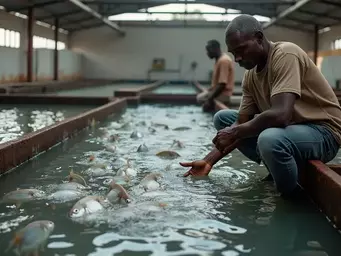
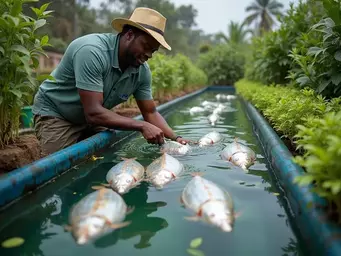
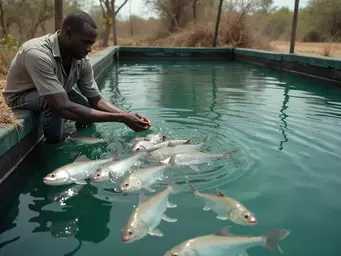
Tilapia tolerate poor water quality better than most fish, but tolerance isn't the same as thriving. Understanding the difference between survival conditions and optimal growth conditions is what separates mediocre tilapia farmers from profitable ones. Water management gives you control over growth rates, feed conversion, and disease resistance.
This section teaches you practical water quality management for African tilapia farming—from monitoring critical parameters and managing pond fertility to controlling algae blooms and implementing cost-effective aeration.
You'll learn to recognise water quality problems before they slow growth or trigger disease, understand how to balance natural productivity with stocking density, and develop the management routines that maintain the stable, fertile conditions tilapia need for rapid growth in both intensive and semi-intensive production systems across African markets.
Managing Water Temperature for Tilapia Growth: A Practical Farmer's Guide
Managing Water Temperature for Tilapia Growth: A Practical Farmer's GuidePicture this: You check your tilapia pond early one morning in...
read more →
Managing Algae in Tilapia Farming
Understanding the Complexities of Algae Overgrowth in Tilapia FarmingUnderstanding the complexities of algae overgrowth in tilapia farming can significantly improve...
read more →
Managing Ammonia and Nitrite in Tilapia Ponds: Practical Testing and Treatment Methods
Managing Ammonia and Nitrite in Tilapia Ponds: Practical Testing and Treatment MethodsPicture this: You walk out to check your tilapia...
read more →
Managing Dissolved Oxygen in Tilapia Ponds: Practical Aeration Techniques for Healthy Fish Growth
Managing Dissolved Oxygen in Tilapia Ponds: Practical Aeration Techniques for Healthy Fish GrowthPicture this: You arrive at your tilapia pond...
read more →Categories
New to Tilapia Farming? Confused where to start with our articles?
Start Here - Get Your Learning Path →